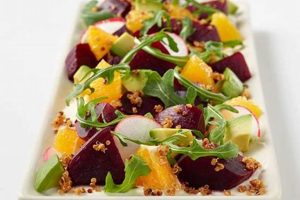
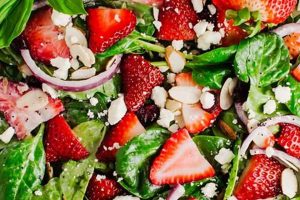
A salad featuring beets as the primary ingredient often incorporates citrus fruit for a bright, acidic counterpoint to the earthy sweetness of the root vegetable. This frequently involves oranges, contributing not only flavor but also vibrant color and textural variation. A typical preparation might include segments or supremes of orange, orange zest, and often a vinaigrette featuring orange juice.
The combination of beets and citrus offers a compelling balance of flavors and textures, with the sweetness of the beet complemented by the tartness of the orange. This also provides a nutritional boost, adding vitamin C and antioxidants to the already vitamin- and mineral-rich beet. Historically, citrus fruits have been valued for their ability to brighten winter dishes, and their inclusion in a beet salad continues this tradition, offering a refreshing contrast to the heavier flavors often associated with colder months.
This exploration will further delve into variations on this culinary theme, including specific recipes, ingredient selections, and preparation techniques, offering guidance on creating a vibrant and flavorful beet and citrus salad.
Tips for Crafting a Superior Beet and Orange Salad
Elevating a simple beet salad with the inclusion of orange requires attention to detail. These tips offer guidance on achieving optimal flavor and presentation.
Tip 1: Roast the Beets: Roasting intensifies the natural sweetness of beets and imparts a desirable smoky flavor. Wrap beets individually in foil and roast until tender.
Tip 2: Select the Right Oranges: Opt for varieties known for their sweetness and juiciness, such as navel or cara cara oranges. Consider blood oranges for a dramatic color contrast.
Tip 3: Balance Sweetness and Acidity: Carefully balance the sweetness of the beets and oranges with an acidic element. A vinaigrette featuring orange juice and a touch of vinegar or lemon juice achieves this balance.
Tip 4: Consider Textural Variety: Introduce contrasting textures. Toasted nuts, crumbled goat cheese, or candied orange peel provide delightful textural complexity.
Tip 5: Use Fresh Herbs: Fresh herbs such as mint, dill, or fennel fronds complement the earthiness of the beets and the brightness of the orange.
Tip 6: Properly Prepare the Oranges: Segment the oranges to remove the pith and membrane for a cleaner presentation and optimal eating experience. Alternatively, use a sharp knife to create supremes.
Tip 7: Don’t Overdress the Salad: Add the vinaigrette just before serving to prevent the salad from becoming soggy.
By adhering to these guidelines, one can achieve a beet and orange salad that offers a delightful balance of flavors, textures, and visual appeal.
These techniques provide a foundation for creating a truly exceptional dish. Further exploration will delve into specific recipe variations and offer additional insights into the versatility of this classic combination.
1. Roasted Beets
Roasted beets play a crucial role in a beet and orange salad, contributing significantly to both flavor and texture. Roasting intensifies the beets’ natural sweetness, creating a deeper, more complex flavor profile that complements the bright citrus notes of the orange. The process also transforms the beet’s texture, yielding a tender, almost melt-in-your-mouth consistency that contrasts pleasantly with the juicy segments of orange. This transformation occurs as the dry heat of the oven caramelizes the beets’ sugars, creating a subtle smoky sweetness. A raw beet, while offering a crisp texture, lacks this depth of flavor and would not provide the same balanced sweetness against the orange’s tartness.
Consider a beet salad composed of raw beets and orange segments. The beets, while offering a vibrant color, would possess a predominantly earthy flavor, potentially overpowering the delicate citrus notes. The textural contrast would also be less pronounced. However, when roasted beets are incorporated, their concentrated sweetness and tender texture create a harmonious balance with the orange, resulting in a more complex and satisfying culinary experience. This demonstrates the importance of roasting in achieving the desired balance and depth of flavor in a beet and orange salad. Chefs often employ this technique to enhance the natural sweetness of vegetables, demonstrating its widespread application in culinary practices.
In conclusion, roasting beets is not merely a preparatory step but a crucial element in crafting a successful beet and orange salad. The process enhances both flavor and texture, creating a more balanced and nuanced dish. This understanding of the transformative effect of roasting allows for a more informed approach to recipe development and highlights the importance of considering the interplay of ingredients and techniques in achieving culinary excellence.
2. Citrus Vinaigrette

Citrus vinaigrette plays a pivotal role in a beet and orange salad, acting as a crucial bridge between the earthy sweetness of the beets and the bright, acidic notes of the orange. This vinaigrette, typically composed of orange juice, zest, a complementary acid such as vinegar or lemon juice, and oil, provides the necessary balance to prevent the salad from becoming overly sweet or one-dimensionally earthy. The acidity cuts through the richness of the beets, enhancing their inherent sweetness while simultaneously complementing the orange flavor. Without this acidic counterpoint, the salad’s flavors would be muddled, lacking the vibrancy and complexity achieved through the interplay of contrasting tastes.
Consider a beet and orange salad dressed solely with olive oil. The earthy notes of the beet would likely dominate, potentially overpowering the more delicate sweetness of the orange. The overall impression would be heavy and unbalanced. However, the introduction of a citrus vinaigrette, with its bright acidity and aromatic citrus notes, transforms the dish. The vinaigrette not only balances the sweetness but also adds a layer of complexity, creating a harmonious blend of flavors that highlights the unique characteristics of each ingredient. Restaurant chefs often employ this principle, using acidity to balance sweetness and create dishes that are both flavorful and refreshing. One might observe this in a dish pairing roasted duck with a cherry sauce that incorporates red wine vinegar to cut through the richness of the meat and the sweetness of the fruit.
In essence, the citrus vinaigrette in a beet and orange salad functions as more than just a dressing; it is an essential component that elevates the dish from a simple combination of ingredients to a complex and balanced culinary creation. The interplay of acidity and sweetness, achieved through the careful construction of the vinaigrette, is fundamental to the success of this salad, demonstrating the importance of considering the chemical interactions of flavors in culinary practice. Understanding this principle allows for a more nuanced approach to recipe development and highlights the significant impact seemingly minor components can have on the overall sensory experience of a dish.
3. Fresh Orange Segments
Fresh orange segments contribute significantly to the success of a beet and orange salad, offering a multifaceted role that extends beyond mere visual appeal. Their inclusion provides a burst of juicy sweetness that complements the earthy sweetness of roasted beets, creating a dynamic interplay of flavors. Furthermore, the segments introduce a textural contrast to the tender beets, adding a refreshing element to each bite. The vibrant color of the orange segments also enhances the visual appeal of the salad, creating a more inviting and appetizing presentation. If canned mandarin oranges were substituted, for instance, the textural contrast would be diminished, and the flavor profile would lack the bright, tangy notes of fresh orange, potentially resulting in a less dynamic and satisfying salad. The delicate balance achieved by using fresh orange segments underscores their importance as a key component.
Beyond flavor and texture, fresh orange segments offer nutritional benefits, contributing Vitamin C and antioxidants. This nutritional boost aligns with the health-conscious trend in modern cuisine, where the emphasis is placed on incorporating fresh, whole ingredients. This can be observed in the increasing popularity of salads featuring fresh, seasonal produce. The inclusion of fresh orange segments elevates the beet salad from a simple side dish to a more complete and nutritious meal component. Consider the difference between a restaurant salad featuring fresh orange segments versus one using pre-packaged, processed fruit. The fresh segments offer a superior sensory experience and contribute to a perception of higher quality and freshness, often justifying a higher price point.
In summary, fresh orange segments play an integral role in a beet and orange salad. Their contribution extends beyond simple sweetness, enriching the salad with textural complexity, visual appeal, and nutritional value. Understanding the multifaceted role of this ingredient allows for a more nuanced approach to recipe development and underscores the importance of ingredient selection in achieving a balanced and flavorful dish. This attention to detail differentiates a well-crafted salad from a mediocre one, highlighting the culinary principle of using fresh, high-quality ingredients whenever possible.
4. Complementary Textures

Textural interplay significantly impacts the overall sensory experience of a beet and orange salad. The inherent sweetness and tender texture of roasted beets, combined with the juicy succulence of orange segments, establish a foundation of soft textures. Introducing contrasting, complementary textures elevates this foundation, creating a more engaging and satisfying culinary experience. Consider the addition of toasted walnuts or pecans. Their crispness and subtle bitterness provide a counterpoint to the softer, sweeter elements, preventing the salad from becoming texturally monotonous. Similarly, crumbled goat cheese introduces a creamy, tangy element, further diversifying the textural profile while also adding a contrasting flavor dimension. Without such additions, the salad, while flavorful, might lack the dynamic interplay of textures that elevates it from simple to sophisticated.
The principle of textural contrast extends beyond the addition of nuts or cheese. Other options, such as toasted breadcrumbs, crispy fried shallots, or even candied orange peel, can contribute similar textural complexity. A salad composed solely of soft textures, like roasted beets and orange segments, might feel heavy or overly sweet on the palate. The strategic introduction of contrasting textures not only prevents this but also adds a layer of interest, encouraging more mindful consumption. Observe, for instance, the construction of a high-end restaurant salad. Chefs carefully consider textural balance, often incorporating elements like toasted seeds, crispy vegetables, or crunchy croutons to create a more dynamic and enjoyable dish. This attention to detail demonstrates the importance of textural contrast in achieving culinary excellence.
In conclusion, incorporating complementary textures is essential for creating a successful beet and orange salad. This practice prevents textural monotony and enhances the overall sensory experience by offering a dynamic interplay of contrasting sensations. Understanding the impact of textural variation allows for a more nuanced approach to recipe development and emphasizes the importance of considering not only flavor but also texture when crafting a balanced and engaging culinary creation. This principle, applicable across diverse culinary traditions, highlights the universal pursuit of textural balance in achieving a more satisfying and memorable dining experience.
5. Balanced Sweetness

Balanced sweetness forms the cornerstone of a successful beet and orange salad, representing a crucial interplay between the natural sugars of the beet and the bright, citrusy sweetness of the orange. Achieving this balance is essential for preventing the salad from becoming cloyingly sweet or overly earthy. This delicate equilibrium elevates the dish, allowing the distinct flavors of each component to shine through while creating a harmonious and refreshing overall taste profile.
- The Role of Roasting:
Roasting beets intensifies their inherent sweetness while also developing subtle caramel and smoky notes. This process transforms the earthy sweetness of raw beets into a more complex and concentrated flavor, providing a robust foundation for the balanced sweetness profile. The Maillard reaction, occurring during roasting, contributes significantly to this flavor transformation. Comparing roasted beets to boiled beets in a salad illustrates the impact of roasting; boiled beets, while tender, often lack the depth of flavor necessary to balance the orange’s sweetness.
- Acidity as a Counterpoint:
The inclusion of an acidic element, typically in the form of a citrus vinaigrette, is crucial for balancing the sweetness of both beets and oranges. The vinaigrette’s acidity cuts through the sweetness, preventing it from becoming overpowering and allowing the other flavors to emerge. A vinaigrette featuring orange juice, lemon juice, or vinegar provides this essential counterpoint. Consider a salad dressed solely with olive oil; the sweetness of the beets and oranges would likely dominate, creating a less nuanced flavor profile.
- The Contribution of Orange Variety:
The specific variety of orange used influences the overall sweetness profile of the salad. Navel oranges offer a classic sweetness, while blood oranges contribute a more complex, slightly tart sweetness. Cara cara oranges, with their subtle hints of pink grapefruit, provide a unique flavor dimension. This selection process offers an opportunity to fine-tune the salad’s sweetness to achieve optimal balance. Comparing a salad made with sweet navel oranges to one using tart Seville oranges underscores the importance of varietal selection.
- Complementary Ingredients and Sweetness:
Additional ingredients, such as toasted nuts or crumbled goat cheese, can contribute to balanced sweetness. While not inherently sweet, these ingredients offer contrasting flavors and textures that prevent the sweetness of the beets and oranges from becoming monotonous. Toasted walnuts, with their subtle bitterness, provide an excellent counterpoint, while goat cheese adds a tangy, creamy element. A salad without these complementary ingredients might lack the complexity and balance achieved through contrasting flavors and textures.
These facets of balanced sweetness illustrate the complexity and nuance involved in crafting a successful beet and orange salad. Each element contributes to the overall flavor profile, demonstrating the importance of considering the interplay of ingredients and techniques. The balanced sweetness achieved through careful consideration of these elements elevates the salad from a simple combination of ingredients to a refined culinary creation.
6. Vibrant Presentation

Vibrant presentation elevates a beet and orange salad from a simple dish to a visually captivating culinary experience. Careful consideration of color, arrangement, and textural contrasts enhances the inherent beauty of the ingredients, stimulating appetite and creating a more engaging dining experience. This visual appeal is integral to the overall enjoyment of the salad, transforming it from merely nutritious to truly delightful.
- Color Contrast:
The deep red hues of beets provide a striking backdrop for the vibrant orange segments. This natural color contrast creates an immediate visual appeal, drawing the eye and stimulating the senses. Further color variation can be achieved through the inclusion of ingredients like green herbs (mint, dill), creamy white goat cheese, or the deep purple of blood oranges. Consider the difference between a monochromatic dish and one with varied, contrasting colors; the latter invariably appears more appetizing. Restaurant chefs frequently utilize this principle, arranging ingredients to maximize color contrast and create visually appealing plates.
- Strategic Arrangement:
Thoughtful arrangement of ingredients enhances the salad’s visual appeal. Rather than simply tossing all ingredients together, consider arranging the beets and orange segments in a visually appealing pattern. This could involve alternating slices of beet and orange, creating a pinwheel effect, or arranging segments around a central mound of crumbled goat cheese. This deliberate placement adds a touch of elegance and demonstrates attention to detail, elevating the perceived value of the dish. Observe the plating techniques employed in fine dining establishments; chefs meticulously arrange each element to create a visually stunning presentation.
- Textural Variation and Visual Interest:
Textural variation not only enhances the eating experience but also contributes to visual appeal. The contrast between the smooth, roasted beets, the juicy orange segments, and the addition of crunchy elements like toasted nuts or seeds creates visual interest, drawing the eye and suggesting a more complex and engaging sensory experience. A salad composed solely of smooth textures would lack this visual dynamism. Food stylists often emphasize textural contrasts in photographs to make dishes appear more appetizing.
- Garnishing and Finishing Touches:
A simple garnish can significantly enhance the visual appeal of a beet and orange salad. A sprinkle of fresh herbs, a drizzle of high-quality olive oil, or a dusting of orange zest adds a finishing touch that elevates the presentation. These details demonstrate care and attention, transforming a simple salad into a more refined and visually appealing dish. Consider the impact of a sprig of fresh mint on a plate of roasted vegetables; the simple garnish elevates the entire presentation.
These elements of vibrant presentation work synergistically to enhance the overall enjoyment of a beet and orange salad. The interplay of color, arrangement, and textural contrast creates a visually captivating dish that appeals to the senses and elevates the dining experience. This attention to presentation underscores the importance of visual appeal in culinary arts, demonstrating that a well-presented dish is not only more enjoyable to eat but also more satisfying to behold.
7. Fresh Herbs

Fresh herbs contribute a vital aromatic dimension to beet and orange salad, elevating the dish beyond the foundational flavors of beets and citrus. Their inclusion introduces a layer of complexity, enhancing the overall sensory experience and offering a refreshing counterpoint to the earthy and sweet notes of the primary ingredients. Careful selection and application of herbs can significantly impact the final flavor profile, transforming a simple salad into a nuanced culinary creation.
- Aromatic Enhancement:
Fresh herbs impart distinctive aromas that complement and enhance the existing flavors of the salad. Mint, with its cooling, slightly peppery notes, provides a refreshing contrast to the sweetness of the beets and oranges. Dill, offering a subtly sweet, anise-like flavor, adds a delicate complexity. Fennel fronds contribute a subtle licorice note that harmonizes with the citrus. The absence of fresh herbs would result in a less nuanced flavor profile, lacking the aromatic depth achieved through their inclusion. Similar to how perfumers use top notes to enhance a fragrance, chefs employ fresh herbs to elevate the aromatic profile of a dish.
- Balancing Flavors:
Beyond aromatic enhancement, fresh herbs contribute to the overall balance of flavors in the salad. The slight bitterness of parsley, for example, can counterbalance the sweetness of the beets and oranges, preventing the salad from becoming cloyingly sweet. Similarly, the peppery notes of chives can cut through the richness of the beets, adding a subtle sharpness that enhances the overall flavor profile. This balancing act is crucial in achieving a harmonious blend of flavors, much like how a conductor balances the various instruments in an orchestra to create a cohesive musical piece.
- Visual Appeal and Freshness:
Fresh herbs contribute to the visual appeal of the salad, adding a vibrant green element that contrasts beautifully with the deep red of the beets and the bright orange of the citrus segments. This visual enhancement makes the salad more appetizing and appealing, contributing to the overall dining experience. The vibrant green also signifies freshness, reinforcing the perception of a healthy and vibrant dish. This is analogous to how florists use greenery to enhance the visual appeal of a floral arrangement, adding freshness and vibrancy.
- Textural Contrast:
While primarily valued for their aromatic contributions, fresh herbs also offer a subtle textural contrast. The delicate leaves of herbs like mint, dill, or parsley add a touch of lightness and freshness to the salad, contrasting with the denser textures of the beets and oranges. This textural variation enhances the overall sensory experience, making the salad more engaging and enjoyable to eat. This is similar to how interior designers use different textures in a room to create a more dynamic and visually interesting space.
Incorporating fresh herbs into a beet and orange salad demonstrates a culinary understanding that extends beyond basic flavor combinations. It highlights the importance of considering the aromatic, visual, and textural dimensions of a dish. The careful selection and application of fresh herbs elevate the salad, transforming it into a more complex, balanced, and visually appealing culinary creation. This attention to detail underscores the transformative power of fresh herbs in enhancing both the flavor and the overall dining experience.
Frequently Asked Questions
This section addresses common inquiries regarding the preparation and enjoyment of beet and orange salads.
Question 1: Can canned beets be used in this salad?
While canned beets offer convenience, their texture and flavor often differ from roasted beets. Canned beets tend to be softer and may lack the depth of flavor developed through roasting. For optimal results, roasting fresh beets is recommended.
Question 2: What type of orange is best suited for this salad?
Navel and cara cara oranges are excellent choices due to their sweetness and juiciness. Blood oranges offer a unique flavor profile and striking color contrast. The choice depends on individual preference and desired flavor profile.
Question 3: How can the earthiness of beets be mitigated?
Roasting beets significantly reduces their earthiness while concentrating their sweetness. The inclusion of a bright citrus vinaigrette further balances the earthy notes.
Question 4: What can be substituted for goat cheese?
Feta cheese, ricotta salata, or even a plant-based alternative like crumbled tofu can be substituted for goat cheese, depending on dietary preferences and desired flavor profiles.
Question 5: How long can the salad be stored?
Properly stored in an airtight container in the refrigerator, the salad can be kept for up to three days. However, optimal flavor and texture are experienced when consumed within 24 hours of preparation.
Question 6: Can other nuts be used besides walnuts or pecans?
Pistachios, almonds, or hazelnuts offer suitable alternatives, contributing varying textures and flavors. Consider the flavor profile of the chosen nut and its compatibility with the other salad components.
Understanding these common points of inquiry facilitates a more informed approach to beet and orange salad preparation, ensuring a successful and enjoyable culinary experience. Addressing these potential concerns allows for greater confidence in recipe adaptation and ingredient selection.
The following sections will delve into specific recipe variations and offer further insights into maximizing flavor and presentation.
Conclusion
Exploration of beet salad incorporating orange reveals a dish offering nuanced flavor profiles and versatile presentation. Careful balancing of sweetness and acidity, achieved through roasting, citrus vinaigrette incorporation, and considered orange varietal selection, is crucial for a successful outcome. Textural interplay, achieved through additions like toasted nuts or creamy cheese, further elevates the sensory experience. Thoughtful presentation, employing vibrant color contrasts and strategic ingredient arrangement, enhances visual appeal and overall enjoyment.
This culinary combination provides a foundation for creative exploration. Further investigation of flavor combinations, ingredient pairings, and presentational techniques offers continued opportunity for culinary innovation and personalized adaptations. The interplay of earthy, sweet, and acidic elements within this simple salad underscores the potential for complexity and nuance achievable through careful ingredient selection and preparation.