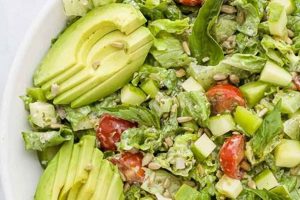
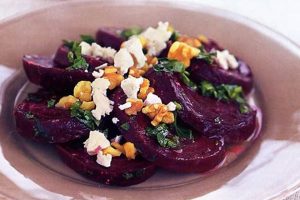
Dishes featuring finely sliced carrots combined with various other ingredients, often including dressings, nuts, seeds, fruits, or other vegetables, constitute a versatile category of salads. A simple example combines grated carrots with raisins, mayonnaise, and a touch of lemon juice. More complex versions might incorporate shredded coconut, chopped cilantro, a ginger-lime vinaigrette, or even crumbled feta cheese.
These salads offer a refreshing and nutritious way to incorporate more vegetables into one’s diet. Carrots are an excellent source of beta-carotene, fiber, and vitamin K, contributing to eye health, digestive regularity, and blood clotting function. The addition of other ingredients can further enhance the nutritional profile and introduce a variety of flavors and textures. Historically, raw carrot salads gained popularity as refrigeration technology advanced, enabling convenient storage of fresh produce. Prior to that, carrots were more commonly consumed cooked or preserved.
This article will delve into the diverse world of carrot-based salads, exploring different flavor profiles, preparation methods, regional variations, and tips for achieving optimal texture and taste. From classic combinations to innovative culinary creations, the possibilities are vast.
Tips for Exceptional Carrot Salads
Creating a truly delicious carrot salad involves attention to detail and an understanding of how various elements contribute to the final result. These tips offer guidance for achieving optimal flavor, texture, and visual appeal.
Tip 1: Grate carrots uniformly. Consistent size ensures even coating with dressing and contributes to a pleasant mouthfeel. A box grater or food processor with a grating attachment yields best results.
Tip 2: Balance sweetness and acidity. The natural sweetness of carrots benefits from a counterpoint of acidity. Citrus juices, vinegar, or a touch of yogurt can provide this balance.
Tip 3: Consider textural contrast. Nuts, seeds, dried fruits, or croutons add satisfying crunch and complexity to an otherwise soft salad.
Tip 4: Dress the salad shortly before serving. This prevents the carrots from becoming soggy and maintains the crispness of any added ingredients.
Tip 5: Experiment with different herbs and spices. Fresh cilantro, mint, parsley, ginger, or cumin can elevate the flavor profile and introduce aromatic complexity.
Tip 6: Don’t overdress. Too much dressing can overwhelm the delicate flavor of the carrots and other components. Start with a small amount and add more as needed.
Tip 7: Chill the salad briefly before serving. Chilling enhances the flavors and provides a refreshing experience, especially in warmer weather.
By following these tips, one can elevate simple grated carrots into a vibrant and flavorful salad that complements any meal.
These guidelines provide a starting point for culinary exploration. Experimentation with different ingredients and techniques will ultimately lead to the discovery of personalized favorites.
1. Ingredients

The selection and combination of ingredients significantly impact the flavor, texture, and nutritional value of a shredded carrot salad. Careful consideration of each component allows for the creation of a balanced and appealing dish. Understanding the role of each ingredient contributes to successful recipe development and culinary creativity.
- Base Ingredients
The foundation of any such salad is, of course, shredded carrots. Freshly grated carrots provide optimal texture and flavor. Pre-shredded carrots offer convenience, but may lack the same vibrancy. Beyond carrots, other root vegetables like daikon or beets can be incorporated for added color and nutritional complexity.
- Flavor Enhancers
These ingredients contribute depth and complexity to the salad. Acidity from citrus juices or vinegar balances the sweetness of the carrots. Sweetness can be amplified with dried fruits like raisins or cranberries. Aromatic herbs and spices, such as cilantro, mint, ginger, or cumin, introduce distinct flavor profiles.
- Textural Elements
Adding ingredients that provide textural contrast elevates the sensory experience. Nuts like walnuts or almonds, seeds like sunflower or pumpkin seeds, and croutons introduce satisfying crunch. Shredded coconut adds a chewy texture and subtle sweetness.
- Binding Agents and Dressings
These ingredients help to coat the shredded carrots and other components, distributing flavor and creating a cohesive salad. Mayonnaise, yogurt, and various vinaigrettes are common choices. The choice of dressing significantly influences the overall flavor profile of the salad.
The interplay of these ingredient categories determines the final character of the salad. Balancing flavors, textures, and colors creates a harmonious and enjoyable culinary experience. Experimentation with different ingredient combinations offers endless possibilities for creating unique and personalized shredded carrot salads.
2. Preparation Methods
Preparation methods significantly influence the final texture, flavor, and overall quality of shredded carrot salads. Different techniques yield distinct results, impacting how the carrots absorb dressings and interact with other ingredients. Understanding these nuances allows for greater control over the final product and facilitates culinary creativity.
Hand-grating, using a box grater or similar tool, produces unevenly sized pieces, creating textural variation within the salad. This method also releases more of the carrots’ natural juices, potentially contributing to a softer texture. Food processors equipped with grating attachments produce uniformly shredded carrots, resulting in a more consistent texture and a potentially crisper salad. Mandolines offer precise control over shred size and thickness, allowing for visually appealing and uniform results. The choice of method depends on the desired outcome and available equipment. For instance, a coarser grate might be preferred for a salad with a rustic feel, while a finer shred might be more suitable for a delicate presentation.
Beyond shredding, other preparation steps impact the final dish. Blanching carrots briefly in boiling water can soften their texture while preserving their vibrant color. This technique is particularly useful when incorporating carrots into salads with more delicate ingredients. Marinating shredded carrots in a portion of the dressing before combining with other components allows for deeper flavor penetration. The choice of preparation method should align with the overall recipe goals, considering factors such as desired texture, flavor intensity, and presentation style. Careful attention to these details elevates the shredded carrot salad from a simple side dish to a carefully crafted culinary creation.
3. Flavor Profiles

Flavor profiles play a crucial role in defining the character of shredded carrot salad recipes. The inherent sweetness of carrots provides a versatile base upon which a spectrum of flavor combinations can be built. Understanding the interplay of sweet, sour, salty, spicy, and savory elements allows for the creation of balanced and compelling salads. A bright and citrusy profile, achieved through lemon or orange juice and zest, complements the carrot’s sweetness while adding a refreshing tang. In contrast, a savory profile, incorporating ingredients like toasted sesame oil, soy sauce, and ginger, offers a completely different culinary experience.
The choice of flavor profile influences ingredient selection and preparation methods. For a sweet and spicy profile, ingredients like grated ginger, chopped chilies, and a touch of honey or maple syrup might be incorporated. The carrots could be lightly roasted to enhance their natural sweetness and create a caramelized flavor that complements the other ingredients. Alternatively, a Mediterranean-inspired profile might feature crumbled feta cheese, Kalamata olives, chopped fresh mint, and a lemon-herb vinaigrette. This combination offers a balance of salty, briny, fresh, and acidic notes that harmonize with the carrots’ sweetness. Real-world examples abound, demonstrating the versatility of this simple vegetable.
Successful shredded carrot salad recipes rely on a well-defined flavor profile. This understanding empowers culinary exploration and enables the creation of salads that cater to individual preferences and dietary needs. Whether seeking a light and refreshing summer salad or a more substantial and complex side dish, careful consideration of flavor profiles is essential. Challenges arise when flavors clash or overwhelm the delicate sweetness of the carrots. A balanced approach, considering the intensity of each ingredient and how they interact, is key to achieving a harmonious and enjoyable final product. Ultimately, the exploration of flavor profiles within the context of shredded carrot salads opens doors to a diverse and exciting culinary landscape.
4. Cultural Variations

Cultural variations significantly influence shredded carrot salad recipes, reflecting regional culinary traditions, ingredient availability, and flavor preferences. Examining these variations provides valuable insights into the global culinary landscape and offers inspiration for innovative recipe development. From spice blends to textural additions, cultural influences shape the character of these salads in diverse and fascinating ways.
- Indian Influence
Indian cuisine often incorporates grated carrots into salads seasoned with spices like cumin, coriander, and turmeric. A touch of chili powder or freshly chopped green chilies adds heat, while a squeeze of lemon juice provides brightness. The use of fresh herbs, such as cilantro and mint, contributes aromatic complexity. This approach exemplifies how regional spice preferences shape flavor profiles.
- Moroccan Inspiration
Moroccan salads frequently feature shredded carrots seasoned with cumin, paprika, and harissa paste. The addition of dried fruits, such as raisins or apricots, introduces sweetness and textural contrast. Chopped fresh cilantro and parsley provide herbaceous notes. These salads often incorporate a light vinaigrette, balancing the spices and sweetness. This showcases how cultural traditions incorporate local ingredients and flavor combinations.
- East Asian Influences
East Asian cuisine often utilizes shredded carrots in salads with a focus on umami flavors. Sesame oil, rice vinegar, and soy sauce contribute savory depth. Toasted sesame seeds add nutty flavor and crunch. Ingredients like shredded daikon radish or wakame seaweed introduce textural variety. This illustrates how regional ingredients and culinary philosophies shape salad composition.
- Western Adaptations
Western interpretations of carrot salad often emphasize simplicity, featuring mayonnaise-based dressings, raisins, and sometimes pineapple. Variations might include shredded cabbage or apple for added texture and flavor. These adaptations reflect a preference for readily available ingredients and a focus on creamy textures. This demonstrates how culinary traditions evolve and adapt to different cultural contexts.
These cultural variations highlight the adaptability of the shredded carrot salad, showcasing how a simple dish can be transformed through the lens of different culinary traditions. Exploration of these diverse approaches provides valuable insights into global flavor profiles and inspires innovative culinary creations. By understanding the underlying principles and ingredient combinations, one can appreciate the rich tapestry of culinary traditions represented in these seemingly simple salads.
5. Nutritional Benefits
Shredded carrot salad recipes offer significant nutritional advantages, primarily stemming from the inherent properties of carrots and amplified by the inclusion of other healthful ingredients. Carrots are rich in beta-carotene, a precursor to vitamin A, crucial for eye health and immune function. The body converts beta-carotene into vitamin A as needed, preventing excessive intake. This process is enhanced when carrots are consumed with a source of fat, as the fat aids in beta-carotene absorption. Thus, salad dressings containing healthy fats, such as olive oil or avocado oil, contribute to maximizing vitamin A uptake. Furthermore, carrots are a good source of fiber, promoting digestive health and regularity. Fiber also contributes to feelings of satiety, potentially aiding in weight management. The addition of other vegetables, fruits, nuts, and seeds further enhances the nutritional profile of these salads, providing a wider range of vitamins, minerals, and antioxidants. A salad incorporating spinach, for example, boosts folate and vitamin K intake, while adding sunflower seeds provides vitamin E and magnesium.
Real-world applications of this nutritional understanding can inform recipe development and dietary choices. Individuals seeking to increase their vitamin A intake could opt for salads with dressings containing healthy fats. Those aiming to improve digestive health could prioritize recipes featuring high-fiber ingredients like chia seeds or chopped broccoli. The ability to tailor recipes based on specific nutritional needs underscores the practical significance of understanding the nutritional composition of shredded carrot salads. Incorporating a variety of colorful vegetables and fruits not only enhances flavor and texture but also broadens the spectrum of nutrients consumed. Adding a handful of chopped walnuts, for example, provides omega-3 fatty acids, beneficial for heart health. Understanding the nutritional contributions of each ingredient empowers informed decision-making and facilitates the creation of salads that support overall well-being.
In summary, shredded carrot salads offer a versatile and delicious way to incorporate nutrient-rich ingredients into one’s diet. Understanding the nutritional benefits of each component enables the creation of salads tailored to specific health goals, from boosting vitamin intake to improving digestive health. Challenges may arise in balancing nutritional value with palatability, but creative recipe development and ingredient selection can address these concerns. Ultimately, recognizing the connection between nutritional benefits and shredded carrot salad recipes empowers individuals to make informed dietary choices and maximize the health-promoting potential of this versatile dish.
6. Serving Suggestions
Serving suggestions for shredded carrot salads demonstrate the dish’s versatility, extending beyond its typical role as a simple side. Understanding these varied applications enhances appreciation for the adaptability and culinary potential of this seemingly basic salad. Consideration of different serving contexts, from casual meals to formal settings, reveals a range of possibilities for incorporating shredded carrot salads into diverse culinary experiences.
- As a Light Lunch or Snack
Shredded carrot salad, particularly when combined with protein-rich ingredients like chickpeas, lentils, or grilled chicken, constitutes a satisfying light lunch or snack. Its high fiber content contributes to satiety, while the variety of ingredients offers a balance of nutrients. A pre-portioned salad in a portable container provides a convenient and healthful midday meal option.
- Side Dish for Main Courses
The refreshing nature and diverse flavor profiles of shredded carrot salad make it an ideal accompaniment to a wide range of main courses. A citrusy carrot salad complements grilled fish or chicken, while a spicier version enhances the flavors of barbecued meats or roasted vegetables. Careful consideration of flavor pairings elevates the overall dining experience.
- Component of Larger Salads
Shredded carrot salad can be incorporated into larger, composed salads, adding a boost of color, texture, and nutrients. Its inclusion in a mixed green salad with other vegetables, nuts, and seeds contributes both visual appeal and nutritional complexity. The shredded carrots’ slightly sweet flavor balances the bitterness of certain greens, creating a more harmonious flavor profile.
- Filling for Wraps and Sandwiches
The textural and flavor versatility of shredded carrot salad allows it to function as a unique and healthful filling for wraps and sandwiches. Combining the salad with hummus, avocado, or other spreads enhances its moisture and richness, creating a satisfying and flavorful handheld meal. This application offers a creative alternative to traditional sandwich fillings.
These varied serving suggestions highlight the adaptability of shredded carrot salad, demonstrating its potential to enhance diverse culinary contexts. From casual snacks to formal dinners, its versatility allows for seamless integration into a wide range of meal occasions. Exploring these different serving options expands the culinary possibilities of this deceptively simple dish and underscores its role as a valuable component of a balanced and flavorful diet.
Frequently Asked Questions
This section addresses common inquiries regarding shredded carrot salads, providing clear and concise information to facilitate optimal preparation and enjoyment.
Question 1: How can one prevent shredded carrots from becoming soggy in a salad?
Dressing the salad shortly before serving is crucial. Excess moisture from dressings can soften the carrots over time. If preparing the salad in advance, store the carrots and dressing separately and combine just before serving.
Question 2: What are suitable alternatives to mayonnaise-based dressings for those seeking lighter options?
Vinaigrettes based on olive oil, citrus juices, or yogurt offer lighter alternatives. These dressings provide flavor and moisture without the added richness of mayonnaise. Experimenting with different herbs, spices, and acidic components allows for diverse flavor profiles.
Question 3: How can one maximize the nutritional benefits of shredded carrot salads?
Incorporating a variety of ingredients, such as other vegetables, fruits, nuts, and seeds, maximizes nutritional value. Adding a source of healthy fat, like avocado or nuts, enhances the absorption of beta-carotene from the carrots.
Question 4: What are effective methods for achieving uniform carrot shreds?
Food processors with grating attachments or mandolines provide uniform shreds. Hand-grating with a box grater can produce varied textures, offering a more rustic aesthetic.
Question 5: How long can shredded carrot salad be stored in the refrigerator?
Properly stored in an airtight container, shredded carrot salad typically lasts for three to five days in the refrigerator. However, salads with dressings containing mayonnaise or yogurt might have a shorter shelf life.
Question 6: Can shredded carrots be frozen for later use in salads?
While freezing carrots is possible, it significantly alters their texture, making them less suitable for raw salads. Frozen carrots are better suited for cooked applications like soups or stews.
These responses provide practical guidance for preparing and enjoying shredded carrot salads. Understanding these aspects ensures optimal flavor, texture, and nutritional value.
The following section will explore specific recipe variations, providing detailed instructions for creating a diverse array of shredded carrot salads.
Conclusion
Exploration of shredded carrot salad recipes reveals a versatile culinary landscape. From simple combinations to complex creations, the adaptability of this dish allows for diverse flavor profiles, textures, and nutritional compositions. Preparation methods, cultural influences, and serving suggestions further expand the possibilities, demonstrating the potential of this seemingly simple salad to enhance a variety of culinary experiences. Understanding the interplay of ingredients, dressings, and techniques empowers informed recipe development and customization.
Culinary exploration within the realm of shredded carrot salads offers a path to both nutritional well-being and creative expression. The continued evolution of culinary traditions promises further innovation, ensuring the enduring relevance of this versatile dish across diverse cultures and dietary preferences. Exploration and experimentation remain key to unlocking the full potential of shredded carrot salad recipes.