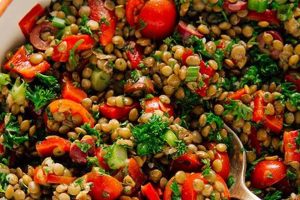
Combining fresh produce with protein-rich meat creates a balanced and satisfying meal. Examples include grilled chicken Caesar salad, steak salad with balsamic vinaigrette, and Asian-inspired salads with sesame-ginger dressing and seared beef or pork. The variety of meats, vegetables, and dressings offers numerous possibilities for culinary creativity.
These meal options offer nutritional completeness and convenience. The inclusion of meat provides essential amino acids and iron, while the vegetables contribute vitamins, minerals, and fiber. Historically, the combination of meat and vegetables has been a dietary staple across cultures, evolving from simple preparations to more elaborate recipes reflecting regional ingredients and culinary traditions.
This discussion will explore various aspects of creating flavorful and nutritious meat-based salads, including selecting appropriate cuts of meat, complementary vegetables and dressings, and culinary techniques to enhance flavor and texture.
Tips for Meat-Based Salads
Creating a successful meat-based salad requires careful consideration of several factors. The following tips offer guidance for achieving optimal flavor, texture, and nutritional balance.
Tip 1: Select Lean Protein Sources: Choosing lean cuts of meat, such as grilled chicken breast, sirloin steak, or fish, minimizes saturated fat content while maximizing protein. Trimming visible fat before cooking further reduces overall fat content.
Tip 2: Properly Cook Meat: Ensure meat is cooked thoroughly to a safe internal temperature. Avoid overcooking, which can result in dry, tough meat. Allow meat to rest before slicing or chopping to retain moisture.
Tip 3: Balance Flavors and Textures: Consider the interplay of flavors and textures when selecting ingredients. Pair robust meats with complementary vegetables and dressings. For example, a steak salad might benefit from peppery greens and a tangy vinaigrette.
Tip 4: Enhance with Marinades: Marinades tenderize meat and infuse it with flavor. Experiment with different marinades to complement the chosen meat and other salad components.
Tip 5: Dress Strategically: Choose a dressing that complements the other ingredients without overpowering them. A light vinaigrette often works well with meat-based salads. Add dressing just before serving to prevent the salad from becoming soggy.
Tip 6: Consider Temperature: Serving temperature can significantly impact the overall experience. While some salads are best served chilled, others, like those featuring grilled meat, are often more enjoyable slightly warm or at room temperature.
Tip 7: Don’t Overcrowd the Bowl: Avoid adding too much meat or other ingredients to the salad. This can make the salad difficult to eat and may lead to uneven distribution of flavors and textures.
By following these guidelines, one can create flavorful and nutritious meat-based salads that offer both culinary satisfaction and dietary benefits.
These tips provide a foundation for creating delicious and satisfying meat-based salads. Further exploration of specific recipes and ingredient combinations will expand culinary horizons.
1. Meat Selection

Meat selection significantly influences the overall flavor profile, nutritional content, and textural experience of a salad. Choosing the right meat requires consideration of factors such as flavor compatibility with other ingredients, desired texture, and nutritional goals. A thoughtful approach to meat selection elevates a simple salad into a well-balanced and satisfying meal.
- Protein Source and Flavor Profile
Different meats offer distinct flavor profiles. Chicken, a versatile option, provides a relatively neutral base that pairs well with various dressings and vegetables. Beef, particularly lean cuts like sirloin or flank steak, offers a richer, more robust flavor suitable for salads with bolder components. Fish, such as grilled salmon or tuna, introduces a lighter, often slightly briny flavor that complements salads with Mediterranean or Asian influences.
- Texture and Cooking Method
The cooking method impacts the meat’s texture, directly affecting the salad’s overall sensory experience. Grilled chicken or steak provides a slightly charred, firm texture, while poached or roasted chicken offers a more tender, succulent mouthfeel. Seared or pan-fried fish provides a delicate crispness, contrasting with the softer textures of salad greens and vegetables.
- Nutritional Considerations
Meat contributes essential nutrients, primarily protein and iron. Leaner cuts of meat minimize saturated fat content while maximizing protein intake. Fish, particularly fatty fish like salmon, provides omega-3 fatty acids, beneficial for heart health. Nutritional content should be considered alongside flavor and texture when selecting meat for a salad.
- Pairing with Other Ingredients
The chosen meat should harmonize with other salad components. A delicate fish might be overpowered by strong cheeses or robust dressings, while a heartier steak can stand up to bolder flavors. Consider the interplay of flavors and textures when selecting a meat to ensure a well-balanced and enjoyable salad.
Strategic meat selection elevates salads from simple side dishes to complete, satisfying meals. By understanding the nuances of flavor profiles, textures, and nutritional contributions of various meats, one can craft salads offering both culinary delight and dietary balance.
2. Vegetable Choices

Vegetable choices significantly impact the flavor, texture, nutritional value, and overall appeal of salads incorporating meat. Thoughtful selection creates balanced, satisfying meals offering diverse nutrients and culinary experiences. The interplay between vegetables and meat establishes a foundation upon which flavor profiles and textures can be built.
Cruciferous vegetables, such as broccoli, cauliflower, and Brussels sprouts, offer robust flavors and textures that complement heartier meats like grilled steak or roasted chicken. Their nutritional density adds vitamins, minerals, and fiber to the salad. Leafy greens, including spinach, kale, and romaine lettuce, provide a refreshing counterpoint to richer meats and contribute essential vitamins and antioxidants. Softer vegetables like roasted bell peppers or grilled zucchini introduce sweetness and contrasting textures, enhancing the salad’s complexity. The strategic inclusion of various vegetables ensures a balanced nutritional profile and a more engaging sensory experience.
Consider a grilled steak salad with roasted Brussels sprouts, crumbled blue cheese, and a balsamic vinaigrette. The bitterness of the Brussels sprouts balances the richness of the steak and cheese, while the acidity of the vinaigrette brightens the overall flavor profile. Alternatively, a salad featuring grilled chicken, romaine lettuce, avocado, cherry tomatoes, and a light lemon-herb dressing offers a lighter, more refreshing experience. The creamy avocado complements the chicken, while the tomatoes provide a burst of sweetness. These examples illustrate how strategic vegetable choices contribute to the overall success of a meat-based salad.
Understanding the interplay between vegetable choices and meat selection empowers culinary creativity and promotes balanced nutrition. Careful consideration of flavor profiles, textures, and nutritional content elevates meat-based salads beyond simple meals, transforming them into culinary experiences that nourish and satisfy. Addressing potential challenges, such as seasonal availability of certain vegetables, requires flexibility and a willingness to explore alternative ingredients while maintaining a focus on balanced flavors and textures.
3. Dressing Pairings

Dressing pairings play a crucial role in the overall success of salad recipes with meat, influencing flavor balance, texture, and palatability. The right dressing complements the meat and other salad components, creating a harmonious blend of tastes and textures. An inappropriate dressing, however, can overpower delicate flavors or clash with robust ones, diminishing the culinary experience. Understanding the interplay between dressings and the other salad ingredients allows for informed choices that elevate the dish.
For instance, a robust vinaigrette with Dijon mustard and red wine vinegar complements a grilled steak salad with bold flavors like blue cheese and peppery arugula. The acidity cuts through the richness of the steak and cheese, while the mustard adds a layer of complexity. Conversely, a lighter, citrus-based vinaigrette might pair better with a salad featuring grilled chicken or fish, allowing the delicate flavors of the protein and other ingredients to shine. Creamy dressings, such as ranch or blue cheese, can complement salads with crispy chicken or bacon, providing a textural contrast and enhancing the richness of the dish. A creamy cilantro-lime dressing provides a refreshing counterpoint to the smoky flavors of grilled shrimp or fish tacos, especially when combined with fresh slaw and vibrant vegetables.
Strategic dressing selection requires consideration of the inherent flavors of both the meat and the accompanying vegetables. It also requires an understanding of how different flavor profiles interact. Balancing acidity, sweetness, richness, and spice contributes to a well-rounded and satisfying salad. Overly acidic dressings can overwhelm delicate greens, while excessively rich dressings can mask the flavors of leaner meats. Achieving balance is key to a successful dressing pairing. The practical application of this understanding enables the creation of salads that offer both nutritional value and culinary satisfaction.
4. Preparation Techniques

Preparation techniques significantly influence the final outcome of salad recipes incorporating meat. Proper techniques enhance flavor, optimize texture, and ensure food safety. From meat preparation to ingredient combination, each step contributes to the overall culinary experience.
- Meat Cooking Methods
Different cooking methods yield varied results in meat texture and flavor. Grilling imparts a smoky char, while pan-searing creates a flavorful crust. Roasting allows for even cooking and tenderization, while poaching results in a moist, succulent texture. The chosen method should complement the meat type and desired salad profile. For example, grilled chicken offers a smoky flavor and firm texture suitable for a Caesar salad, while roasted chicken provides a more tender option for salads with lighter dressings.
- Meat Cutting and Handling
Proper cutting techniques ensure optimal meat texture within the salad. Slicing against the grain maximizes tenderness, while dicing creates bite-sized pieces suitable for mixing with other ingredients. Resting meat after cooking allows juices to redistribute, preventing dryness. These practices contribute to a more pleasurable eating experience. Slicing steak thinly against the grain ensures tenderness, while dicing cooked chicken breast allows for even distribution throughout the salad.
- Vegetable Preparation
Vegetable preparation techniques impact both flavor and texture. Roasting vegetables intensifies their sweetness and creates a tender interior with slightly crisp edges. Grilling imparts a smoky flavor, while raw vegetables offer a crisp, refreshing contrast. Proper washing and handling techniques ensure food safety. Roasted root vegetables add depth of flavor to a winter salad, while crisp lettuce provides a refreshing element in summer salads.
- Ingredient Combining and Dressing Application
The timing of ingredient combination and dressing application affects the salad’s overall quality. Adding dressing too early can lead to soggy greens, while combining delicate ingredients with heavier ones can result in bruising or breakage. Strategic layering and careful handling maintain the integrity of each component. Adding dressing just before serving maintains the crispness of lettuce, while layering ingredients allows for a visually appealing presentation and prevents delicate components from being crushed.
Mastery of these preparation techniques elevates salad recipes with meat from simple combinations to carefully constructed culinary experiences. Attention to detail in each step, from meat selection and cooking to vegetable preparation and ingredient combining, ensures optimal flavor, texture, and presentation. These techniques, when applied thoughtfully, contribute significantly to a satisfying and enjoyable dining experience.
5. Flavor Balance

Flavor balance represents a critical aspect of successful salad recipes incorporating meat. It involves the artful combination of contrasting and complementary tastes to create a harmonious and satisfying culinary experience. The interplay of savory, sweet, acidic, bitter, and umami elements determines the overall complexity and palatability of the dish. Without proper balance, a salad can be dominated by a single flavor, resulting in a monotonous or even unpleasant experience.
Consider the example of a grilled chicken salad. The savory char of the grilled chicken provides a foundation upon which other flavors are built. The bitterness of leafy greens, such as arugula or radicchio, offers a counterpoint to the richness of the chicken. Sweetness, derived from dried cranberries or roasted bell peppers, adds another layer of complexity. Acidity, introduced through a vinaigrette or citrus segments, brightens the overall flavor profile and cuts through any fattiness. A sprinkle of crumbled feta cheese introduces a salty, umami element, further enhancing the flavor balance. The careful orchestration of these diverse flavors creates a salad that is both satisfying and complex.
Achieving flavor balance requires an understanding of how different ingredients interact. A heavy hand with acidic dressings can overwhelm delicate greens, while an excess of sweetness can mask the savory notes of the meat. The goal is to create a symphony of flavors, where each element plays a distinct yet complementary role. This understanding allows for informed choices regarding ingredient selection, preparation techniques, and dressing pairings. Practical application of these principles allows one to create salads that are not only nutritionally balanced but also offer a sophisticated and enjoyable culinary experience. Successfully balancing flavors elevates salad recipes with meat from simple combinations of ingredients to well-crafted culinary creations.
6. Nutritional Value
Nutritional value represents a crucial consideration in salad recipes incorporating meat. Careful selection and preparation of ingredients contribute significantly to the overall health benefits derived from these meals. Understanding the nutritional contributions of various components allows for informed choices that maximize dietary value while maintaining culinary appeal.
- Protein Content
Meat provides a significant source of dietary protein, essential for muscle building, tissue repair, and overall physiological function. Lean meats, such as chicken breast, turkey, and fish, offer high protein content with lower saturated fat compared to red meats. The amount of protein in a salad can be adjusted based on individual dietary needs and goals. A salad featuring grilled chicken breast can contribute substantially to daily protein requirements.
- Micronutrient Density
Vegetables in salads contribute essential vitamins, minerals, and antioxidants. Dark leafy greens, such as spinach and kale, are rich in vitamins A, C, and K. Colorful vegetables, like bell peppers and tomatoes, provide antioxidants and other beneficial phytochemicals. The variety of vegetables included influences the overall micronutrient profile of the salad. Combining spinach, bell peppers, and tomatoes in a salad provides a diverse range of micronutrients.
- Healthy Fats
Incorporating healthy fats enhances nutrient absorption and contributes to satiety. Sources of healthy fats in salads include avocados, nuts, seeds, and olive oil-based dressings. These fats provide essential fatty acids and contribute to overall dietary balance. Adding avocado or a sprinkle of nuts to a salad provides healthy fats and enhances flavor.
- Fiber Intake
Both vegetables and certain meat choices, such as ground turkey or lean beef, can contribute to dietary fiber intake. Fiber promotes digestive health, regulates blood sugar levels, and contributes to satiety. Including fiber-rich vegetables, such as broccoli or Brussels sprouts, enhances the overall nutritional value of the salad. A salad with mixed greens, roasted vegetables, and lean ground turkey provides a good source of dietary fiber.
Strategic ingredient selection and preparation in salad recipes with meat optimize nutritional value. Combining lean protein sources, diverse vegetables, and healthy fats creates a meal that contributes significantly to a balanced and healthful diet. Understanding the nutritional contributions of each component empowers informed choices that support individual dietary needs and preferences. These choices create meals that are not only delicious but also promote overall well-being. By considering these nutritional aspects, salads with meat become more than just a meal; they become a source of nourishment and a contribution to a healthy lifestyle.
7. Presentation
Presentation significantly influences the perceived value and enjoyment of salad recipes incorporating meat. Visual appeal enhances the dining experience, stimulating appetite and creating a sense of anticipation. Thoughtful arrangement and attention to detail elevate a simple salad into a visually compelling culinary creation. This influences not only the perceived quality of the dish but also the overall satisfaction derived from consuming it. A well-presented salad communicates care and attention, enhancing the dining experience even before the first bite.
Consider a Cobb salad. Traditionally, the ingredientschicken or turkey, bacon, tomatoes, hard-boiled eggs, blue cheese, and avocadoare arranged in neat rows atop a bed of mixed greens. This classic presentation not only showcases the individual components but also allows for easy access and portioning. Alternatively, a composed salad featuring seared steak, roasted vegetables, and crumbled goat cheese might be arranged more artistically, with the steak fanned across the plate, the vegetables strategically placed, and the goat cheese sprinkled delicately over the top. Such a presentation emphasizes the quality of the ingredients and the chef’s skill, further enhancing the perceived value of the dish. The choice of serving vessel also contributes to the overall presentation. A shallow bowl allows for a wider arrangement, showcasing the vibrant colors and textures, while a deeper bowl might be more appropriate for salads with heartier ingredients and dressings.
Strategic presentation elevates salad recipes with meat from simple meals to aesthetically pleasing culinary experiences. Attention to visual detail, including color balance, texture contrast, and thoughtful arrangement, contributes significantly to the overall enjoyment of the dish. Understanding the impact of presentation empowers culinary creativity and allows for the creation of salads that are both visually appealing and gastronomically satisfying. This awareness transforms the act of serving a salad into an opportunity to enhance the dining experience, demonstrating care and attention to detail. Ultimately, thoughtful presentation elevates the perceived value of the dish, contributing to a more satisfying and memorable culinary experience.
Frequently Asked Questions
This section addresses common inquiries regarding the preparation and consumption of salads incorporating meat.
Question 1: What are the safest methods for handling raw meat during salad preparation?
Thorough handwashing after handling raw meat is crucial. Separate cutting boards and utensils for raw meat and other ingredients prevent cross-contamination. Marinating meat in the refrigerator, not at room temperature, ensures food safety. These practices minimize the risk of foodborne illnesses.
Question 2: How can one prevent salads with meat from becoming soggy?
Adding dressing immediately before serving prevents the salad from becoming soggy. Storing meat and salad components separately until serving time further mitigates this issue. Using a light hand with dressing also helps maintain the desired texture.
Question 3: What are optimal meat storage practices for leftover meat salads?
Refrigerate leftover meat salads promptly in airtight containers. Consume within three to four days for optimal quality and safety. Discard any salad left at room temperature for more than two hours.
Question 4: How can nutritional value be maximized in salads with meat?
Incorporating lean protein sources, diverse vegetables, and healthy fats maximizes nutritional value. Limiting processed ingredients, unhealthy fats, and excessive dressings further enhances health benefits.
Question 5: What are effective strategies for creating flavorful meat-based salads without relying on excessive sodium?
Utilizing fresh herbs, spices, citrus zest, and vinegars enhances flavor without excessive sodium. Marinating meat adds flavor complexity. Sodium-free seasonings provide additional flavor options.
Question 6: How can one adapt meat-based salads to accommodate various dietary restrictions or preferences?
Substituting ingredients allows adaptation to dietary restrictions. Replacing traditional lettuce with mixed greens or spinach increases nutritional density. Alternative protein sources, such as beans or lentils, accommodate vegetarian or vegan preferences. Gluten-free dressings ensure inclusivity for those with gluten sensitivities. Careful ingredient selection addresses specific dietary needs.
These responses offer practical guidance for creating and enjoying flavorful, nutritious, and safe meat-based salads. Thoughtful preparation ensures a satisfying culinary experience.
Exploring specific recipes and culinary techniques provides further avenues for enhancing salad preparation skills.
Salad Recipes with Meat
Exploration of this culinary category reveals the potential for creating nutritionally balanced and flavorful meals. Strategic selection of meat, complementary vegetables, and appropriate dressings contributes significantly to the overall dining experience. Careful consideration of preparation techniques, flavor balance, and presentation elevates these dishes from simple combinations to carefully crafted culinary creations. Addressing food safety and dietary considerations ensures both enjoyment and well-being.
Culinary innovation within this domain offers opportunities for continuous exploration and refinement. Further investigation of regional variations, cultural adaptations, and emerging culinary trends promises to expand the horizons of salad recipes with meat, enriching culinary experiences and promoting healthful eating practices.