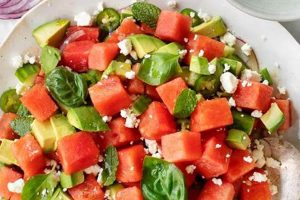
Lettuce, often relegated to salads, offers a surprising versatility beyond the bowl. Think of it as a leafy green with a mild, refreshing flavor that can be incorporated into various cooked dishes. Examples include using lettuce wraps as a substitute for bread or tortillas, adding it to stir-fries for a delicate crunch, or incorporating it into soups for added texture and nutrients.
Expanding culinary horizons beyond the traditional salad allows for increased vegetable consumption, providing valuable vitamins and minerals. Historically, lettuce has been used in diverse ways across cultures, reflecting its adaptability. Cooked lettuce dishes can offer unique flavor profiles and textures, potentially appealing to those who may not enjoy raw lettuce. This culinary approach also reduces food waste by utilizing lettuce in more creative applications.
This exploration will delve into specific culinary applications of lettuce, offering diverse recipes and highlighting the nutritional and culinary advantages of incorporating this versatile ingredient in unconventional ways.
Tips for Using Lettuce Beyond Salads
Lettuce offers a wealth of culinary possibilities beyond its typical role in salads. These tips provide guidance on incorporating this versatile ingredient into a variety of dishes.
Tip 1: Select the Right Lettuce: Different lettuce varieties offer distinct flavors and textures. Crisphead lettuce like iceberg provides a refreshing crunch, while butterhead varieties like Boston or Bibb offer a delicate sweetness. Romaine adds a robust flavor to cooked applications.
Tip 2: Embrace Lettuce Wraps: Large, sturdy lettuce leaves, such as iceberg or butter lettuce, make excellent wraps for fillings like seasoned ground meat, stir-fried vegetables, or even grilled fish.
Tip 3: Add to Stir-Fries: Add chopped lettuce towards the end of stir-frying to maintain a slight crunch and vibrant green color. The heat will gently wilt the lettuce, adding a subtle sweetness to the dish.
Tip 4: Incorporate into Soups: Add chopped lettuce to soups during the final minutes of cooking to provide added nutrients and a delicate texture. Avoid overcooking, as this can result in a mushy consistency.
Tip 5: Grill Lettuce Hearts: Grilling romaine or other sturdy lettuce hearts creates a smoky char and enhances their natural sweetness. Serve grilled lettuce as a side dish or as a base for other ingredients.
Tip 6: Braised Lettuce: Braising lettuce in broth or other liquids creates a tender, flavorful dish. This technique works well with sturdier varieties like romaine or Little Gem.
Tip 7: Blend into Smoothies: A handful of lettuce can be added to smoothies for a boost of nutrients without significantly altering the flavor.
By exploring these varied applications, one can discover the full potential of lettuce and enjoy its nutritional benefits in creative and delicious ways.
These culinary explorations showcase lettuce as a versatile ingredient, offering a range of flavors and textures beyond traditional salads.
1. Grilled

Grilling lettuce offers a unique approach to “recipes with lettuce not salad,” transforming its texture and flavor profile. The application of heat creates a smoky char and caramelizes the lettuce’s natural sugars, adding depth and complexity.
- Lettuce Selection
Sturdier varieties like romaine, Little Gem, or radicchio are ideal for grilling. Their robust structure can withstand high heat without becoming overly wilted. The outer leaves can be removed and reserved for other uses, while the hearts are best suited for grilling.
- Preparation Techniques
Halving or quartering lettuce hearts ensures even cooking. Brushing them with olive oil and seasoning with salt and pepper enhances their flavor. Grilling time depends on the desired level of char, typically ranging from a few minutes per side for a light char to longer for a more intense smoky flavor.
- Flavor Profiles
Grilling imparts a smoky char and enhances the lettuce’s natural sweetness. The outer leaves develop a crisp texture, while the inner leaves remain tender. This contrast in texture and the added depth of flavor make grilled lettuce a compelling alternative to raw lettuce.
- Serving Suggestions
Grilled lettuce can be served as a standalone side dish or incorporated into more complex recipes. It can be topped with various ingredients, such as crumbled cheese, toasted nuts, or a vinaigrette. It also pairs well with grilled proteins or can be used as a base for salads with added ingredients.
The grilling process elevates lettuce from a simple salad ingredient to a more complex and flavorful component in various dishes, aligning perfectly with the concept of “recipes with lettuce not salad.” This technique expands the culinary potential of lettuce beyond its traditional role.
2. Braised
Braising lettuce offers a distinct departure from its raw form, aligning seamlessly with the “recipes with lettuce not salad” concept. This cooking method transforms the lettuce’s texture and flavor, yielding tender leaves infused with the richness of the braising liquid. The process involves gently cooking lettuce in a small amount of liquid over low heat, resulting in a dish that highlights the vegetable’s inherent sweetness and subtle nuances.
Braising is particularly well-suited for sturdier lettuce varieties like romaine, Little Gem, or endive. These types can withstand the gentle heat and moisture without disintegrating, maintaining a pleasant texture even after cooking. The braising liquid can range from simple broth or water to more complex combinations incorporating wine, aromatics, and spices. This infusion of flavors permeates the lettuce leaves, creating a layered and nuanced taste experience. Examples include braising romaine hearts in chicken broth with garlic and thyme, or braising endive in white wine with shallots and a touch of cream. The resulting dish offers a depth of flavor rarely associated with raw lettuce.
Understanding the connection between braising and the broader theme of “recipes with lettuce not salad” allows for an appreciation of lettuce’s versatility. This cooking method unlocks a new dimension of flavor and texture, transforming a familiar salad ingredient into a centerpiece worthy of culinary exploration. Braising offers a simple yet effective way to elevate lettuce beyond its traditional role, showcasing its potential in a variety of dishes.
3. Wrapped

Lettuce wraps represent a significant aspect of “recipes with lettuce not salad,” offering a fresh, healthy, and versatile alternative to traditional wraps or sandwiches. This approach utilizes large, sturdy lettuce leaves as a vessel for various fillings, transforming lettuce from a simple salad component into the foundation of a complete dish.
- Lettuce Selection
Choosing the right lettuce is crucial for successful wraps. Larger, robust leaves from varieties like iceberg, butter lettuce, or romaine work best. Their structural integrity allows them to hold fillings without tearing or becoming soggy. The leaves should be carefully separated and washed thoroughly before use.
- Filling Options
The versatility of lettuce wraps extends to the wide array of fillings they can accommodate. From seasoned ground meats and flavorful stir-fries to grilled fish or tofu, the possibilities are vast. Consider cultural influences, such as Korean-inspired fillings with bulgogi or Thai-inspired options with peanut sauce. The filling should complement the lettuce’s mild flavor and crisp texture.
- Preparation Methods
Preparing lettuce wraps involves minimal cooking, focusing primarily on assembling the components. The lettuce leaves serve as the base, and the chosen filling is placed in the center. Additional toppings can enhance the flavor and texture, such as chopped herbs, crushed nuts, or a drizzle of sauce. The wrap is then folded or rolled to contain the filling.
- Nutritional and Culinary Advantages
Lettuce wraps offer several advantages. They are naturally low in carbohydrates and calories, making them a healthier alternative to bread or tortilla-based wraps. They provide a refreshing crunch and a mild flavor that complements a variety of fillings. Furthermore, their visual appeal enhances the dining experience.
Lettuce wraps epitomize the “recipes with lettuce not salad” concept by showcasing lettuce’s versatility beyond its typical role. This approach expands culinary horizons, offering a refreshing and healthy way to enjoy a wide range of flavors and textures in a unique and satisfying format.
4. Stir-fried

Stir-frying offers a dynamic approach to integrating lettuce into cooked applications, aligning seamlessly with the “recipes with lettuce not salad” theme. Rapid cooking at high heat preserves lettuce’s fresh flavor and vibrant green color while imparting a delicate tenderness distinct from its raw state. This technique transforms lettuce from a simple salad ingredient into a versatile component of a complex dish, broadening its culinary potential.
The key to successful stir-fried lettuce lies in timing and technique. Lettuce should be added towards the end of the cooking process to avoid overcooking, which can result in a mushy texture and loss of color. The quick exposure to high heat gently wilts the leaves, enhancing their inherent sweetness and creating a subtle textural contrast within the stir-fry. Consider a stir-fry with chicken, snap peas, and water chestnuts, finished with a handful of crisp iceberg lettuce for a refreshing crunch. Alternatively, butter lettuce can be incorporated into a stir-fry with tofu and shiitake mushrooms, adding a delicate sweetness and contrasting textures. These examples highlight the adaptable nature of lettuce in stir-fries.
Integrating lettuce into stir-fries demonstrates its versatility beyond salads, offering a unique culinary experience. This method enhances both flavor and texture, contributing a refreshing element to a diverse range of stir-fry dishes. Understanding the nuances of stir-frying lettuce allows for a greater appreciation of its adaptability and potential within the “recipes with lettuce not salad” framework. This culinary technique unlocks a new dimension for this often-overlooked leafy green, expanding its role beyond the salad bowl and into the heart of a flavorful, satisfying meal.
5. Blended

Blending lettuce presents a less conventional yet effective method for incorporating this leafy green into dishes beyond salads, aligning directly with the “recipes with lettuce not salad” concept. This technique allows for seamless integration of lettuce’s nutritional benefits and subtle flavors into various recipes, often without significantly altering the overall taste profile. The process involves adding lettuce, typically in smaller quantities, to blended mixtures like smoothies, sauces, or dips, creating a cohesive blend where the lettuce contributes valuable nutrients and a subtle vegetal note.
The choice of lettuce variety influences the final outcome. Milder varieties like romaine or butter lettuce blend seamlessly into smoothies, providing a boost of vitamins and minerals without overpowering the fruit or other ingredients. Spinach, while technically not a lettuce, shares similar properties and can be used interchangeably in blended applications. For example, adding a handful of romaine to a berry smoothie enhances its nutritional value while maintaining a refreshing fruit-forward flavor. Similarly, blending butter lettuce into a pesto base adds a subtle vegetal note and a vibrant green hue. These applications highlight the practical significance of understanding how blended lettuce can enhance both the nutritional value and the subtle flavor profiles of various dishes.
Utilizing blended lettuce expands culinary possibilities and promotes increased vegetable consumption. This approach offers a discreet way to incorporate essential nutrients into recipes without compromising flavor, aligning perfectly with the “recipes with lettuce not salad” objective. Challenges may include potential bitterness with certain lettuce types or textural changes in some applications. However, careful selection of lettuce varieties and mindful blending techniques can mitigate these challenges, ensuring successful integration into a variety of dishes. This method effectively transforms lettuce from a primary salad ingredient into a versatile culinary component, broadening its application and maximizing its nutritional value.
6. Soup additive
Incorporating lettuce into soups demonstrates a nuanced approach to “recipes with lettuce not salad,” moving beyond the conventional perception of lettuce as a salad staple. Adding lettuce to soups introduces a unique dimension of flavor, texture, and nutritional value, enriching the overall culinary experience. This technique underscores the versatility of lettuce and its potential to enhance a variety of dishes in unexpected ways.
- Lettuce Variety Selection
Different lettuce varieties offer distinct characteristics suitable for soup integration. Heartier lettuces like romaine or butter lettuce hold their structure better in hot liquids, while delicate varieties such as Bibb or iceberg lettuce can be added towards the end of cooking to preserve their texture. Understanding these nuances is crucial for achieving the desired outcome in the final dish.
- Timing and Integration Methods
The timing of lettuce addition impacts both its texture and flavor contribution to the soup. Adding lettuce early in the cooking process results in a more integrated, softer texture, while adding it towards the end preserves a degree of crispness. Techniques like chiffonade or roughly chopping influence how the lettuce interacts with the other soup components.
- Flavor Profile Enhancement
Lettuce contributes a subtle yet distinct flavor profile to soups. Depending on the variety, it can impart a delicate sweetness, a mild bitterness, or a refreshing vegetal note. These subtle nuances complement various soup bases, adding depth and complexity to the overall flavor composition.
- Nutritional Benefits and Culinary Applications
Adding lettuce to soups increases the nutritional value by incorporating essential vitamins and minerals. Furthermore, its presence adds a pleasant textural element and enhances the visual appeal of the soup. From simple broths to hearty stews, lettuce can elevate a wide range of soups, both aesthetically and nutritionally.
Utilizing lettuce as a soup additive expands the culinary possibilities of this versatile ingredient, showcasing its potential beyond salads. This technique exemplifies the “recipes with lettuce not salad” concept, demonstrating how lettuce can enhance both the flavor and nutritional value of a diverse range of soups. This approach promotes a more holistic and creative utilization of lettuce, moving beyond its traditional role and highlighting its adaptability in various culinary applications.
Frequently Asked Questions
This section addresses common inquiries regarding the utilization of lettuce beyond its traditional role in salads.
Question 1: Can all lettuce varieties be used in cooked applications?
While most lettuce varieties can be cooked, certain types are better suited for specific cooking methods. Sturdier varieties like romaine and Little Gem hold up well when grilled or braised, while more delicate types like butter lettuce are best suited for stir-fries or soups where they are added towards the end of cooking.
Question 2: Does cooking lettuce diminish its nutritional value?
Cooking lettuce can alter the nutrient profile, potentially reducing certain heat-sensitive vitamins. However, cooking can also enhance the bioavailability of other nutrients. Regardless of preparation method, lettuce remains a valuable source of vitamins and minerals.
Question 3: How can bitterness in some lettuce varieties be mitigated in cooked dishes?
Blanching lettuce briefly in boiling water can help reduce bitterness. Additionally, pairing lettuce with complementary flavors, such as citrus or sweet ingredients, can balance any bitterness.
Question 4: What are the best storage practices for lettuce intended for cooking?
Lettuce should be stored unwashed in a refrigerator’s crisper drawer. Excess moisture can promote spoilage. Washing lettuce just before use helps maintain its freshness.
Question 5: How can lettuce be incorporated into meals for individuals who dislike salads?
Incorporating lettuce into cooked dishes offers an alternative for those who avoid raw lettuce. Methods like stir-frying, braising, or adding it to soups provide diverse culinary experiences beyond the traditional salad.
Question 6: Are there cultural precedents for cooked lettuce dishes?
Various cultures have a history of using lettuce in cooked applications. Chinese cuisine, for example, features lettuce in stir-fries and soups. Exploring these culinary traditions can offer further inspiration for incorporating lettuce into cooked dishes.
Exploring these FAQs provides a foundation for understanding the versatility of lettuce and its potential beyond salads.
The following section will further delve into specific recipes and culinary techniques for utilizing lettuce in diverse and innovative ways.
Recipes with Lettuce Not Salad
This exploration has revealed the significant culinary potential of lettuce beyond its typical role in salads. From grilling and braising to stir-frying, wrapping, blending, and incorporating into soups, the versatility of lettuce offers a wide range of culinary applications. Understanding varietal characteristics, appropriate cooking methods, and complementary flavor pairings allows for successful integration of lettuce into diverse dishes, enhancing both nutritional value and gastronomic experiences. The discussion encompassed key considerations such as lettuce selection, preparation techniques, flavor profiles, and the nutritional and culinary advantages of each approach.
Lettuce, often relegated to the periphery of culinary creativity, deserves a more prominent position in gastronomy. Expanding perspectives on this versatile ingredient offers opportunities for enhanced nutrition, reduced food waste, and a deeper appreciation for the diverse flavors and textures readily available. Culinary innovation with lettuce extends beyond mere novelty; it represents a conscious effort towards a more sustainable and expansive approach to food utilization. Further exploration and experimentation will undoubtedly continue to unveil the untapped potential of this humble yet versatile leafy green.