Turnips, often overlooked as a root vegetable primarily used in cooked dishes, offer a surprising versatility and can be a delightful addition to salads. Preparing them raw requires careful selection and specific techniques to maximize their flavor and texture. Thinly slicing or grating them is common, and they pair well with a variety of other ingredients, including other root vegetables, leafy greens, fruits, nuts, and cheeses. A simple salad might consist of shaved turnips, crumbled goat cheese, toasted pecans, and a light vinaigrette.
Incorporating raw turnips into salads contributes nutritional value, providing vitamins, minerals, and fiber. Historically, turnips have been a staple food source, particularly in colder climates, due to their ability to be stored over winter. Their peppery bite adds a unique dimension to salads, offering a refreshing alternative to milder greens and vegetables. This can be particularly appealing to those seeking to expand their culinary horizons and incorporate more diverse flavors into their diets.
This article will delve into the selection, preparation, and culinary uses of turnips in salads, covering various techniques and flavor combinations. From simple, everyday salads to more elaborate creations, the potential of this humble root vegetable will be explored. Discussions of complementary ingredients, dressings, and nutritional benefits will provide a comprehensive understanding of how to best utilize turnips in raw preparations.
Tips for Utilizing Turnips in Salads
Maximizing the flavor and texture of turnips in raw preparations requires attention to detail and an understanding of how this versatile vegetable interacts with other ingredients. The following tips offer guidance for incorporating turnips into salads successfully.
Tip 1: Choose the Right Turnip: Smaller, younger turnips generally possess a milder, sweeter flavor and more tender texture, ideal for raw consumption. Look for firm bulbs with smooth skin and no signs of bruising or blemishes.
Tip 2: Prepare the Turnips Properly: Thoroughly wash and peel turnips before slicing or grating. A mandoline slicer can create uniformly thin slices, while a box grater offers a coarser texture.
Tip 3: Balance Flavors: The peppery bite of raw turnips pairs well with both sweet and savory ingredients. Consider combining them with apples, pears, or dried cranberries for a touch of sweetness, or balance them with creamy cheeses, toasted nuts, or roasted vegetables.
Tip 4: Consider a Marinade: A brief marinade can mellow the flavor of raw turnips and add complexity. A simple vinaigrette, citrus juice, or even a touch of honey can enhance their taste and texture.
Tip 5: Don’t Overcrowd the Salad: Turnips, particularly when thinly sliced, can wilt if left in a dressing for too long. Add them to the salad closer to serving time to maintain their crispness.
Tip 6: Experiment with Textures: Combine different preparations of turnips within a single salad. For example, pair grated turnips with thinly sliced turnips or roasted turnip wedges for a variety of textures and flavors.
Tip 7: Dress Lightly: A light vinaigrette or a simple lemon-herb dressing often complements the flavor of raw turnips best. Avoid heavy, creamy dressings that might overpower their delicate taste.
By following these tips, one can elevate simple salads with the unique flavor and texture of raw turnips. Their versatility allows for countless flavor combinations, making them a valuable addition to a diverse and healthy diet.
These culinary insights provide a foundation for incorporating raw turnips into a wide range of salads, demonstrating their potential beyond their traditional cooked applications.
1. Turnip Selection

Turnip selection is paramount for successful salad recipes. The inherent qualities of the turnipits size, age, and conditiondirectly influence the final dish’s flavor and texture. Careful consideration of these factors ensures an enjoyable culinary experience.
- Size and Age
Smaller, younger turnips typically exhibit a sweeter, milder flavor and more tender texture desirable for raw applications. Larger, more mature turnips tend to develop a stronger, more pungent taste and a tougher consistency better suited for cooking. Opting for smaller turnips in salads mitigates the need for aggressive peeling and reduces the risk of encountering woody cores.
- Firmness and Appearance
Turnips intended for raw consumption should exhibit firmness to the touch and smooth, unblemished skin. Soft spots, blemishes, or cracks may indicate internal damage or decay, impacting flavor and potentially introducing unpleasant textures. A firm, uniformly shaped turnip suggests optimal freshness and quality.
- Root Appearance
While the greens offer insight into freshness, the root’s appearance is crucial. Avoid turnips with excessively long or hairy roots, as these can indicate older, tougher specimens. A clean, rounded root base generally signifies a younger, more tender turnip.
- Seasonality
Turnips reach peak flavor during cooler months, typically from fall through spring. Selecting turnips within their optimal growing season increases the likelihood of encountering flavorful and tender specimens. While available year-round, locally sourced, in-season turnips often exhibit superior quality compared to those stored or transported over long distances.
These selection criteria directly impact the sensory experience of the final salad. A well-chosen turnip enhances the overall dish, contributing desirable flavors and textures. Careful consideration of size, firmness, root appearance, and seasonality elevates the potential of turnips in raw preparations. Conversely, overlooking these factors can result in a less satisfying culinary outcome, potentially detracting from the overall salad experience.
2. Slicing Techniques

Slicing techniques significantly influence the final texture, flavor release, and visual appeal of turnips in salads. Different cuts offer varied surface areas, impacting dressing absorption and overall mouthfeel. Understanding these techniques allows for precise control over the turnip’s integration within the salad composition.
- Thin Slicing
Thinly sliced turnips, achieved using a mandoline or sharp knife, provide delicate texture and maximize surface area for dressing adhesion. This technique allows the turnip’s subtle flavors to meld seamlessly with other salad components. Thin slices contribute a delicate crunch while readily absorbing the dressing’s nuances, resulting in a harmonious blend of flavors. This method suits salads featuring delicate greens and lighter dressings.
- Julienne
Julienne, or matchstick cuts, create a more substantial texture while still offering ample surface area for flavor absorption. This technique lends visual interest and provides a pleasant chewiness. Julienned turnips complement heartier salads featuring roasted vegetables or robust cheeses. Their elongated shape adds textural contrast to leafy greens and other salad elements.
- Grating
Grating turnips produces a finer texture, dispersing the flavor evenly throughout the salad. This technique works well for incorporating turnips into slaws or salads where a milder turnip presence is desired. The increased surface area results in rapid oxidation, so grated turnips should be dressed immediately to prevent browning. This method also efficiently softens the turnip’s texture, mitigating potential sharpness in raw applications.
- Dicing/Cubing
Dicing or cubing turnips creates a more substantial presence in the salad, providing textural contrast and visual appeal. This technique suits salads with chunkier ingredients, such as beans, grains, or roasted vegetables. Larger pieces retain a satisfying crunch while offering a more pronounced turnip flavor. This method also lends itself well to marinated turnip preparations, allowing for deeper flavor penetration.
Strategic application of these slicing techniques enhances both the sensory and visual appeal of salads incorporating turnips. Consideration of texture, flavor release, and overall salad composition informs the optimal slicing method, ensuring a well-balanced and enjoyable culinary experience.
3. Complementary Ingredients

Complementary ingredients are essential for successful salad turnip recipes. The turnip’s inherent flavor profileslightly sweet, earthy, and subtly pepperybenefits from careful pairing to achieve a balanced and nuanced dish. Ingredient selection considers flavor affinities, textural contrasts, and color harmonies, elevating the salad beyond a simple sum of its parts. For example, the sharpness of feta cheese tempers the turnip’s sweetness, while toasted walnuts offer textural contrast and complementary earthiness. The interplay of these flavors creates a more complex and satisfying sensory experience.
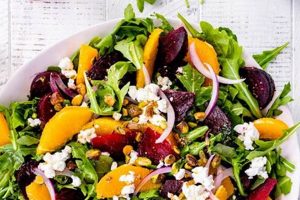
Several categories of complementary ingredients enhance salad turnip recipes. Acidic elements, such as citrus fruits or vinegars, brighten the flavor and cut through the turnip’s earthiness. Fatty components, like nuts, seeds, or cheeses, add richness and textural complexity. Sweet elements, such as dried fruits or lightly caramelized onions, provide balance and depth. Aromatic herbs, such as parsley, dill, or mint, contribute freshness and herbaceous notes. Careful consideration of these categories allows for tailored flavor combinations that amplify the turnip’s unique characteristics. For instance, a salad featuring thinly sliced turnips, orange segments, crumbled goat cheese, and toasted pecans demonstrates a balanced interplay of acidic, fatty, and sweet components, complemented by the subtle peppery notes of the turnip.
Understanding complementary ingredient interactions unlocks the full potential of turnips in salads. Strategic pairings elevate the turnip from a supporting role to a star ingredient, showcasing its versatility and subtle complexity. Recipes benefit from thoughtful consideration of flavor profiles, textures, and colors, resulting in a more harmonious and satisfying culinary outcome. Failure to consider complementary flavors can result in a bland or unbalanced dish, where the turnip’s unique characteristics are lost or overshadowed. Therefore, successful salad turnip recipes hinge on a thorough understanding of complementary ingredients and their synergistic potential.
4. Dressing Choices
Dressing choices significantly impact the overall flavor profile and balance of salads incorporating turnips. The turnip’s unique characteristicssubtle sweetness, earthy notes, and a mild peppery biterequire careful consideration when selecting a dressing. An appropriate dressing complements and enhances these inherent flavors, while an ill-suited choice can mask or clash with them, resulting in a less harmonious dish. The following facets explore the crucial role of dressing selection in successful turnip salad recipes.
- Acidity
Acidity plays a crucial role in balancing the earthiness of turnips. Vinaigrettes with lemon juice, vinegar, or other acidic components brighten the flavor profile and cut through the turnip’s density. The sharpness of the acid also complements the subtle sweetness of the turnip, creating a more complex and nuanced flavor experience. For example, a lemon-herb vinaigrette with fresh parsley and dill provides a bright counterpoint to the earthiness of roasted turnips.
- Fat Content
Fat content in dressings contributes richness and mouthfeel, complementing the sometimes crisp or firm texture of turnips. Dressings containing olive oil, nut oils, or creamy components like yogurt or buttermilk create a smoother, more luxurious texture. The fat also carries flavor compounds, enhancing the overall sensory experience. For example, a walnut oil vinaigrette adds a nutty richness that complements the earthy notes of the turnip, while a buttermilk-herb dressing provides a creamy counterpoint to the crispness of raw, thinly sliced turnips.
- Flavor Intensity
Dressing flavor intensity should harmonize with, rather than overpower, the subtle flavors of the turnip. Delicate dressings with fresh herbs, light citrus notes, or mild spices allow the turnip’s flavor to shine. Conversely, overly strong or pungent dressings can mask the turnip’s unique characteristics. A light vinaigrette with chives and chervil complements the delicate flavor of young turnips, whereas a robust blue cheese dressing might overwhelm it.
- Seasonality
Seasonality influences dressing choices, mirroring the availability of fresh ingredients. Springtime salads with turnips might benefit from light, herbaceous dressings with seasonal herbs like mint or chives. Autumnal salads, featuring roasted turnips, might pair well with dressings incorporating maple syrup or apple cider vinegar, reflecting the flavors of the season. A winter citrus vinaigrette complements the availability of winter citrus fruits and provides a bright counterpoint to hearty root vegetables like turnips.
The interplay between turnips and their accompanying dressings forms a critical aspect of successful salad recipes. Careful consideration of acidity, fat content, flavor intensity, and seasonality allows for a balanced and harmonious flavor profile. Selecting a dressing that complements rather than competes with the turnip’s inherent characteristics elevates the dish from simple to sophisticated. Ignoring these principles can result in an unbalanced or unappetizing salad, where the turnip’s unique qualities are lost or diminished.
5. Seasonality

Seasonality significantly influences the optimization of turnip salad recipes. Turnips reach peak flavor and texture during the cooler months, typically from late fall through early spring. Utilizing turnips during their prime season yields optimal sweetness and tenderness, minimizing fibrousness sometimes encountered in out-of-season specimens. This natural cycle directly impacts recipe development, allowing for ingredient pairings that complement the turnip’s evolving flavor profile throughout its growing season. For instance, early winter turnips, with their delicate sweetness, pair well with lighter citrus vinaigrettes and winter greens, while late-season turnips, exhibiting a more pronounced earthiness, benefit from pairings with richer ingredients like roasted nuts and bolder cheeses.
Ignoring seasonality can compromise the quality and flavor of turnip salads. Out-of-season turnips may exhibit a woody texture and lack the characteristic sweetness. Furthermore, forcing pairings designed for peak-season turnips onto less flavorful specimens results in a less satisfying culinary experience. Conversely, understanding and respecting seasonality allows chefs and home cooks to capitalize on the turnip’s peak flavor, creating salads that showcase the vegetable’s full potential. Recipes tailored to the turnip’s seasonal variations enhance the overall dining experience, highlighting the interplay of flavors and textures unique to each period. For example, a spring salad might combine young, tender turnips with fresh peas and mint, while a winter salad could feature roasted turnips with caramelized onions and toasted walnuts.
Seasonality, therefore, functions as a critical component in optimizing turnip salad recipes. Acknowledging this natural cycle allows for informed ingredient selection, dressing choices, and preparation techniques that maximize flavor and texture. This understanding results in dishes that truly showcase the turnip’s versatility and highlight the nuances of its flavor profile throughout the seasons. Failing to consider seasonality, conversely, risks compromising the quality and overall enjoyment of the final dish, underscoring the importance of incorporating this element into recipe development and culinary practice.
Frequently Asked Questions
This section addresses common inquiries regarding the utilization of turnips in salads, offering practical guidance and clarifying potential uncertainties.
Question 1: Can all turnip varieties be consumed raw in salads?
While most turnip varieties are edible raw, smaller, younger turnips offer a milder flavor and more tender texture better suited for salads. Larger, more mature turnips can be quite pungent and fibrous when raw.
Question 2: How can one mitigate the strong flavor of raw turnips in salads?
Briefly marinating sliced or grated turnips in a mild acid, such as lemon juice or vinegar, can mellow their flavor and improve texture.
Question 3: What are ideal pairings for raw turnips in salads?
Turnips pair well with a variety of ingredients, including apples, pears, citrus fruits, cheeses (such as feta, goat, or blue), toasted nuts, and dried cranberries. Balancing their peppery notes with sweet, creamy, or crunchy elements creates complexity.
Question 4: How should turnips be prepared for optimal texture in salads?
Thinly slicing or grating turnips creates a pleasant texture and maximizes surface area for dressing absorption. A mandoline slicer or sharp knife achieves consistent thin slices, while a box grater provides a coarser texture.
Question 5: How can browning be prevented when preparing raw turnips?
Tossing sliced or grated turnips with a small amount of acid, such as lemon juice or vinegar, immediately after preparation helps prevent enzymatic browning.
Question 6: Are there nutritional benefits to consuming raw turnips in salads?
Raw turnips offer a good source of Vitamin C, fiber, and several minerals. Consuming them raw preserves these nutrients, which can be diminished through cooking processes.
Understanding these aspects optimizes the use of turnips in salads, maximizing flavor, texture, and nutritional value. Addressing these common queries provides a foundation for successful integration of this versatile vegetable into diverse culinary creations.
The following section will explore specific salad recipes featuring turnips, showcasing diverse flavor combinations and preparation techniques.
Conclusion
Exploration of turnip utilization in salads reveals a versatile ingredient capable of adding depth and complexity to a variety of dishes. Careful selection, precise slicing techniques, and thoughtful pairings with complementary ingredients maximize the turnip’s potential, transforming this often-overlooked root vegetable into a culinary asset. Understanding the interplay of flavors, textures, and seasonality allows for the creation of balanced and nuanced salads that showcase the turnip’s subtle sweetness, earthiness, and delicate peppery notes. Proper dressing selection further enhances these characteristics, ensuring a harmonious and satisfying culinary experience.
Culinary innovation with turnips extends beyond traditional cooked applications. Embracing the potential of raw turnips in salads expands culinary horizons, offering opportunities for creative flavor combinations and textural explorations. Continued experimentation with this versatile ingredient promises further development of innovative and exciting salad recipes, enriching culinary traditions and promoting appreciation for the often-underestimated turnip.