Egg salad, a dish created by combining chopped hard-boiled eggs with mayonnaise and various other ingredients, offers a versatile and convenient meal option. Common additions include mustard, celery, onion, and seasonings like salt, pepper, and paprika. Variations can range from simple preparations to more complex recipes incorporating ingredients like relish, avocado, or fresh herbs.
This classic dish holds a place in culinary history as an economical and protein-rich food. Its adaptability allows for inclusion in sandwiches, wraps, salads, or as a standalone appetizer. The ease of preparation and relatively inexpensive ingredients make it an attractive choice for quick meals, picnics, and potlucks. Its continued popularity speaks to its enduring appeal and adaptability to diverse palates.
Further exploration will delve into specific ingredient combinations, detailed preparation methods, and creative serving suggestions to enhance the enjoyment of this versatile dish. Nutritional information and tips for optimal egg selection and cooking techniques will also be provided.
Tips for Exceptional Egg Salad
Creating truly delicious egg salad involves attention to detail and a few key techniques. These tips offer guidance for elevating this simple dish to a new level of culinary enjoyment.
Tip 1: Perfect Hard-Boiled Eggs: Achieving perfectly cooked yolks is crucial. Avoid overcooking, which can result in a dry, crumbly texture and a greenish ring around the yolk. A gentle simmer followed by an ice bath ensures tender yolks.
Tip 2: Proper Chopping Technique: Uniformly chopped eggs create a pleasing texture and ensure even distribution of flavor. A sharp knife or an egg slicer yields consistent results.
Tip 3: Mayonnaise Selection: The quality of mayonnaise significantly impacts the overall flavor. Experimenting with different brands or homemade mayonnaise allows for personalized taste preferences.
Tip 4: Balancing Flavors: A harmonious blend of ingredients is essential. Consider the tanginess of mustard, the sharpness of onions, and the freshness of herbs when building the flavor profile.
Tip 5: Seasoning Appropriately: Salt and pepper are fundamental, but exploring other spices like paprika, dill, or chives can add depth and complexity.
Tip 6: Texture Enhancement: Incorporating finely diced celery or red onion provides a welcome textural contrast to the creamy egg mixture.
Tip 7: Chilling for Optimal Flavor: Allowing the egg salad to chill in the refrigerator for at least 30 minutes allows the flavors to meld and develop fully.
By following these guidelines, one can consistently achieve egg salad that is both flavorful and satisfying. Attention to these details elevates a simple dish into a truly enjoyable culinary experience.
With a deeper understanding of these techniques, exploration of specific recipe variations and creative serving suggestions becomes the next logical step.
1. Classic

The “classic” designation, when applied to egg salad, signifies a traditional preparation method and flavor profile. This benchmark serves as a starting point for culinary exploration and provides a familiar taste experience rooted in culinary history. Understanding the classic approach provides context for appreciating variations and innovations within the realm of egg salad preparation.
- Core Ingredients:
Classic egg salad recipes typically include hard-boiled eggs, mayonnaise, mustard, salt, and pepper. These foundational ingredients establish the fundamental flavor profile and texture. Mayonnaise contributes richness and creaminess, while mustard adds a tangy counterpoint. Salt and pepper enhance the overall taste and balance the other components.
- Texture and Consistency:
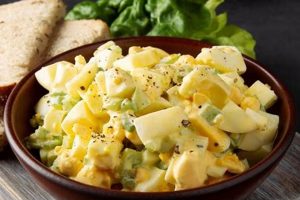
A classic egg salad exhibits a smooth, creamy consistency with finely chopped eggs. The eggs are typically mashed or chopped into small, uniform pieces, ensuring a pleasant texture and even distribution of flavor. This avoids large chunks of egg that disrupt the cohesive texture.
- Flavor Profile:
The flavor profile of a classic egg salad is balanced and savory, with a subtle tang from the mustard and a rich creaminess from the mayonnaise. This familiar taste provides a comforting and recognizable experience. It serves as a baseline against which variations can be compared and contrasted.
- Serving Style:
Classic egg salad is frequently served in sandwiches, on crackers, or as a salad topping. These traditional presentation methods highlight the versatility of the dish and its adaptability to different meal occasions. Its simplicity makes it suitable for casual gatherings and quick lunches.
These elements of the classic egg salad recipe form the foundation for countless variations. By understanding the core principles of the classic approach, one can appreciate the evolution of this versatile dish and develop a deeper understanding of the interplay between ingredients, techniques, and resulting flavors.
2. Variations

Variations in egg salad recipes demonstrate the dish’s adaptability and potential for customization. These deviations from the classic formula arise from regional preferences, culinary creativity, and dietary considerations. The evolution of egg salad recipes reflects evolving tastes and ingredient availability. For instance, the incorporation of curry powder reflects Indian culinary influences, while the addition of avocado caters to contemporary health-conscious preferences. Variations often involve substituting or adding ingredients to modify flavor profiles, textures, and nutritional values.
A practical understanding of variations allows for tailored recipe development based on specific needs and preferences. Substituting Greek yogurt for mayonnaise reduces fat content, while adding chopped pickles or olives introduces a briny, acidic element. Spicy brown mustard replaces traditional yellow mustard for a more intense flavor. Smoked paprika imparts a smoky depth. These modifications demonstrate how variations cater to diverse palates and dietary restrictions. The ability to adapt egg salad recipes contributes to the dish’s continued relevance and appeal.
Ultimately, the concept of “variations” expands the culinary possibilities of egg salad beyond the traditional. This adaptability ensures the dish remains a versatile and appealing option across cultures and dietary needs. Exploration of variations not only enriches culinary experiences but also provides insights into the dynamic nature of food traditions and the ongoing evolution of recipes. This understanding allows for creative expression and personalized culinary experiences within the seemingly simple realm of egg salad.
3. Ingredients
Ingredients form the foundation of any egg salad recipe, determining its flavor, texture, and nutritional value. Careful ingredient selection is crucial for achieving desired outcomes and creating a balanced, palatable dish. An understanding of the role of each ingredient allows for informed substitutions and creative variations.
- Eggs:
Eggs, the central component, provide protein and structure. Fresh, high-quality eggs contribute to optimal flavor and texture. The cooking method impacts the yolk’s consistency, influencing the final result. Overcooked yolks become dry and crumbly, while undercooked yolks create a less desirable texture.
- Binding Agent:
Mayonnaise is the traditional binding agent, providing creaminess and richness. Alternatives like Greek yogurt, sour cream, or avocado offer lighter options with varying flavor profiles and health benefits. The choice of binding agent significantly impacts the overall richness and caloric content.
- Flavor Enhancers:
Mustard, vinegar, and spices contribute depth and complexity. Mustard adds tanginess, vinegar provides acidity, and spices introduce nuanced flavors. The balance of these elements shapes the overall flavor profile, ranging from classic to adventurous.
- Textural Elements:
Celery, onion, pickles, and herbs introduce textural contrast. These additions provide a crisp or crunchy counterpoint to the creamy base. The choice of textural elements influences the overall mouthfeel and adds visual interest.
The interplay of these ingredient categories determines the final character of the egg salad. Balancing the richness of the binding agent with the sharpness of flavor enhancers and the texture of added components creates a harmonious and satisfying dish. Consideration of ingredient quality and preparation techniques further elevates the outcome. Ultimately, understanding the role of each ingredient empowers culinary creativity and ensures a successful egg salad experience.
4. Preparation
Preparation methods significantly influence the final quality and enjoyment of egg salad. Proper techniques ensure optimal texture, flavor development, and food safety. From cooking the eggs to combining ingredients, each step contributes to the overall outcome. This section explores key aspects of egg salad preparation.
- Cooking the Eggs:
Achieving perfectly cooked hard-boiled eggs is fundamental. Overcooking results in dry, crumbly yolks and an unpleasant sulfurous odor. Undercooking compromises food safety and creates an undesirable texture. Precise timing and rapid cooling in an ice bath ensure tender, flavorful yolks.
- Chopping and Combining:
Uniform chopping of the eggs promotes even distribution of flavor and a pleasing texture. Over-chopping creates a mushy consistency, while uneven chopping leads to inconsistencies in the final product. Gentle folding of ingredients prevents overmixing and maintains the desired texture.
- Ingredient Incorporation:
The order in which ingredients are added affects flavor development and emulsion stability. Adding acidic components like vinegar or lemon juice too early can curdle the mayonnaise. Gradual incorporation of ingredients, starting with the binding agent and then incorporating flavor enhancers, ensures a smooth and stable emulsion.
- Chilling and Resting:
Chilling the prepared egg salad allows flavors to meld and develop fully. This resting period enhances the overall taste experience and allows the ingredients to harmonize. Proper storage also maintains food safety and prevents bacterial growth.
These preparation steps collectively contribute to a superior egg salad experience. Attention to detail in each stage, from egg cooking to chilling, ensures optimal flavor, texture, and food safety. Mastery of these techniques elevates the dish beyond a simple combination of ingredients to a carefully crafted culinary creation.
5. Presentation
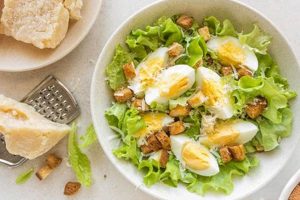
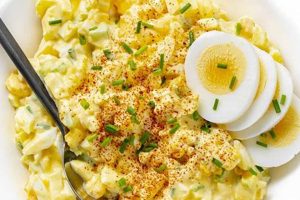
Presentation elevates egg salad from a simple mixture to an aesthetically pleasing and appetizing dish. While flavor remains paramount, visual appeal enhances the dining experience. Thoughtful presentation considers the context of the meal, whether a casual lunch or a more formal occasion. The serving vessel, accompanying elements, and the arrangement of the egg salad itself contribute to the overall impression. For example, serving egg salad on a bed of lettuce within a crisp croissant creates a more refined presentation than simply scooping it onto a plate. Similarly, garnishing with fresh herbs or a sprinkle of paprika adds visual interest and hints at the flavor profile.
Practical applications of presentation principles vary depending on the intended use. For sandwiches, the egg salad should be neatly contained within the bread, avoiding spillage and maintaining structural integrity. As a salad topping, the egg salad might be artfully arranged rather than simply plopped atop the greens. For appetizers, individual portions in small bowls or on crackers offer a more elegant approach. These considerations demonstrate that presentation adapts to the specific context and enhances the perceived value of the dish. Presentation impacts not only visual appeal but also perceived freshness and quality. A neatly arranged salad appears more inviting than a haphazardly assembled one, influencing the diner’s perception before the first bite.
Effective presentation enhances the enjoyment of egg salad by engaging multiple senses. Visual appeal stimulates appetite, while careful arrangement suggests attention to detail and culinary expertise. This attention to presentation transforms egg salad from a basic staple into a dish worthy of both casual and more formal settings. Understanding the impact of presentation allows one to elevate the perceived value and overall enjoyment of this versatile dish, demonstrating that culinary artistry extends beyond flavor and encompasses the entire dining experience.
6. Storage
Proper storage is crucial for maintaining the safety and quality of egg salad. Improper storage can lead to bacterial growth and spoilage, posing health risks and diminishing culinary enjoyment. Understanding appropriate storage techniques preserves the flavor, texture, and freshness of egg salad, maximizing its shelf life and ensuring a safe and satisfying culinary experience.
- Temperature Control
Maintaining a consistently cold temperature is paramount for inhibiting bacterial proliferation. Egg salad should be stored in a refrigerator at or below 40F (4C). Exposure to higher temperatures, such as room temperature for extended periods, creates an environment conducive to rapid bacterial growth, increasing the risk of foodborne illness. Consistent refrigeration is essential for preserving both quality and safety.
- Airtight Containers
Storing egg salad in airtight containers prevents oxidation and minimizes exposure to airborne contaminants. Oxidation can lead to off-flavors and discoloration, while airborne bacteria can contaminate the salad. Airtight containers create a barrier against these external factors, preserving the integrity and freshness of the egg salad. Proper sealing also prevents the salad from absorbing odors from other foods in the refrigerator.
- Shelf Life
Egg salad has a limited shelf life, even under optimal storage conditions. Generally, it is recommended to consume egg salad within 3 to 5 days of preparation. Beyond this timeframe, the risk of bacterial growth increases significantly, even with refrigeration. Adhering to recommended storage times minimizes the risk of spoilage and ensures a safe and enjoyable culinary experience.
- Freezing (Not Recommended)
Freezing egg salad is generally not recommended. The emulsion of mayonnaise can break down during freezing and thawing, resulting in a watery and separated texture. Additionally, the texture of the eggs themselves can be negatively affected, becoming rubbery or watery. While freezing might technically preserve the ingredients, it significantly compromises the quality and palatability of the final dish. Other preservation methods, such as consuming the salad within the recommended timeframe, are preferred for maintaining optimal quality.
Adherence to these storage guidelines ensures the safety and quality of egg salad, maximizing its shelf life and preserving its desirable flavor and texture. Proper storage practices are essential for mitigating the risk of foodborne illness and maximizing the enjoyment of this versatile dish. By understanding and implementing these guidelines, consumers can confidently prepare and enjoy egg salad while minimizing potential health risks.
7. Nutrition
Nutritional considerations are integral to understanding the health implications of consuming egg salad. Egg salad provides a source of protein and essential vitamins and minerals, but variations in ingredients significantly impact its nutritional profile. The type and quantity of fat, sodium content, and overall caloric density are influenced by recipe modifications. For example, using low-fat mayonnaise or Greek yogurt instead of full-fat mayonnaise reduces overall fat and calorie content while maintaining protein levels. Similarly, incorporating more vegetables, such as chopped bell peppers or spinach, increases vitamin and mineral intake without significantly impacting caloric density. Understanding these nutritional nuances allows for informed choices that align with individual dietary needs and health goals.
A detailed nutritional analysis of a standard egg salad recipe reveals its macronutrient composition. A typical serving contains a significant amount of protein derived from the eggs, contributing to satiety and muscle maintenance. The fat content primarily originates from the mayonnaise or chosen binding agent, influencing the overall caloric density. Carbohydrates are typically present in smaller amounts, primarily from added vegetables or seasonings. Sodium levels can vary depending on the ingredients and added salt. This understanding of macronutrient composition informs dietary choices, especially for individuals managing specific health conditions or following particular dietary patterns, such as low-carb or low-fat diets. Awareness of the nutritional composition empowers consumers to make informed decisions about portion sizes and recipe modifications.
The nutritional value of egg salad highlights its potential role within a balanced diet. As a protein source, it contributes to muscle building and repair. Inclusion of vegetables adds dietary fiber and essential micronutrients. However, mindful ingredient selection remains crucial. Limiting added salt and choosing healthier fats contributes to a more nutritious meal. Ultimately, understanding the nutritional composition of egg salad allows individuals to incorporate this versatile dish into their diets in a way that aligns with their individual health goals and dietary needs. This awareness promotes a more balanced and informed approach to food choices and contributes to overall well-being.
Frequently Asked Questions
This section addresses common inquiries regarding egg salad preparation, storage, and variations, providing concise and informative responses.
Question 1: How can one prevent hard-boiled eggs from becoming overcooked and developing a green ring around the yolk?
Overcooking occurs when eggs are subjected to high heat for extended periods. A green ring around the yolk indicates a reaction between iron in the yolk and sulfur in the white, often caused by overcooking or high cooking temperatures. To prevent this, avoid boiling eggs vigorously. A gentle simmer followed by immediate transfer to an ice bath halts the cooking process and minimizes the green ring formation.
Question 2: What are suitable alternatives to mayonnaise for individuals seeking lower-fat or dairy-free egg salad options?
Greek yogurt, mashed avocado, or hummus offer viable alternatives to mayonnaise. These options reduce overall fat content while providing creaminess and flavor. Greek yogurt contributes a tangy element, while avocado adds richness and healthy fats. Hummus introduces a unique savory flavor profile.
Question 3: How long can egg salad safely be stored in the refrigerator?
Refrigerated egg salad, stored in an airtight container, typically remains safe for consumption for 3 to 5 days. Beyond this period, the risk of bacterial growth increases significantly. Proper temperature control, at or below 40F (4C), is crucial for maximizing shelf life and minimizing spoilage.
Question 4: Can egg salad be frozen for long-term storage?
Freezing is generally not recommended for egg salad. The emulsion of mayonnaise, or other binding agents, can break down during freezing and thawing, resulting in an undesirable texture. The texture of the eggs themselves can also be negatively affected by freezing. Consuming the salad within the recommended refrigeration timeframe is preferable for optimal quality.
Question 5: How can one enhance the flavor of egg salad beyond basic seasonings?
Fresh herbs, such as dill, chives, or parsley, add brightness and complexity. Spices like paprika, curry powder, or smoked paprika introduce depth and nuanced flavors. Incorporating ingredients like chopped pickles, olives, or capers provides a briny or acidic counterpoint. These additions elevate the flavor profile beyond basic salt and pepper.
Question 6: What are some creative serving suggestions for egg salad beyond traditional sandwiches?
Egg salad can be served as a filling for lettuce wraps, bell peppers, or avocado halves. It can also be used as a topping for salads or crackers. Deviled eggs can be modified by incorporating egg salad filling. These variations offer diverse presentation options and expand culinary possibilities.
Addressing these common inquiries provides a comprehensive understanding of egg salad preparation, storage, and variations. This knowledge empowers individuals to confidently create and enjoy this versatile dish.
Further exploration might include specific recipe variations and detailed nutritional analyses.
Conclusion
Exploration of egg salad recipes reveals a dish adaptable to diverse palates and culinary contexts. From classic preparations to innovative variations, the combination of eggs, binding agents, and flavor enhancers offers a foundation for culinary creativity. Proper preparation techniques, including precise egg cooking and ingredient incorporation, ensure optimal texture and flavor development. Careful attention to storage guidelines maintains food safety and maximizes shelf life. Nutritional considerations highlight the importance of ingredient selection for achieving desired health outcomes. Understanding these facets elevates egg salad preparation beyond a simple recipe and fosters a deeper appreciation for this versatile dish.
Egg salad’s enduring appeal stems from its adaptability, affordability, and nutritional value. Continued exploration of flavor profiles, ingredient combinations, and presentation styles promises further culinary innovation. This timeless dish remains a relevant and adaptable culinary staple, offering both convenience and creative potential within the realm of food preparation.