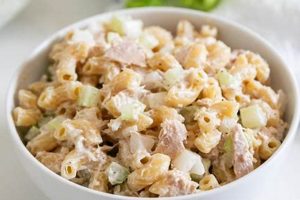
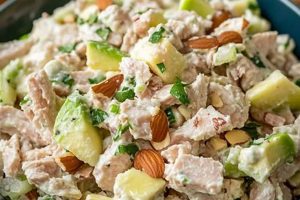
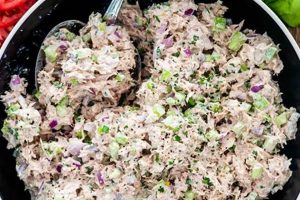
A dish combining cooked noodles, canned tuna, and typically mayonnaise, often incorporating celery, onion, and seasonings. Variations exist, utilizing different noodle shapes, adding hard-boiled eggs, or incorporating vegetables like peas and carrots. A simple version might involve egg noodles, tuna, mayonnaise, celery, and salt and pepper, while more complex renditions can include herbs, spices, and different types of pasta.
This adaptable dish provides a convenient and affordable meal option. Its protein content from the tuna and potential nutritional value from added vegetables contribute to a balanced diet. Historically, its popularity surged as canned tuna became readily available and affordable, offering a quick and easy meal solution. This classic combination remains a staple in many cultures, appreciated for its versatility and ease of preparation, suitable for picnics, potlucks, or a simple weeknight dinner.
Further exploration will delve into specific ingredient variations, nutritional information, and step-by-step instructions for creating this culinary staple, from basic recipes to more elaborate and flavorful versions.
Tips for a Superior Tuna Noodle Salad
Elevating this classic dish involves attention to detail and thoughtful ingredient selection. The following tips offer guidance for creating a flavorful and satisfying tuna noodle salad.
Tip 1: Noodle Selection Matters: Opt for sturdy noodles that hold their shape well, such as egg noodles, rotini, or farfalle. Avoid thin or delicate pasta that may become mushy.
Tip 2: High-Quality Tuna Enhances Flavor: Select tuna packed in water or olive oil for a cleaner taste. Solid or chunk light tuna generally offers a firmer texture.
Tip 3: Fresh Ingredients are Key: Crisp celery and finely diced red onion offer a refreshing counterpoint to the richness of the tuna and mayonnaise.
Tip 4: Mayonnaise Makes a Difference: A good quality mayonnaise forms the base of the dressing. Consider adding a touch of Dijon mustard or plain Greek yogurt for a tangier flavor profile.
Tip 5: Seasoning is Crucial: Freshly ground black pepper, salt, and a dash of paprika or celery seed enhance the overall flavor. A squeeze of lemon juice adds brightness.
Tip 6: Proper Chilling Intensifies Flavors: Allow the salad to chill for at least 30 minutes before serving. This allows the flavors to meld and the salad to firm up.
Tip 7: Creative Additions Elevate the Dish: Consider incorporating hard-boiled eggs, chopped pickles, grapes, or water chestnuts for added texture and flavor complexity.
By following these guidelines, one can transform a simple tuna noodle salad into a truly delightful culinary experience. Careful attention to each component ensures a balanced and flavorful outcome.
By understanding these nuances, one can appreciate the potential of this versatile dish and achieve consistently satisfying results.
1. Ingredients
Ingredients form the foundation of any tuna noodle salad recipe. The selection and quality of ingredients directly impact the final dish’s flavor, texture, and nutritional value. A basic recipe typically includes cooked noodles, canned tuna, mayonnaise, celery, and onion. However, the potential for variation lies within ingredient choices. For instance, using whole wheat noodles instead of refined pasta increases fiber content, while opting for tuna packed in olive oil rather than water adds richness. Freshly chopped herbs, such as dill or parsley, can elevate the flavor profile. The interplay of these ingredients creates the overall sensory experience.
Ingredient proportions also play a crucial role. Too much mayonnaise can result in a heavy, overly rich salad, while insufficient amounts can lead to dryness. Similarly, the ratio of tuna to noodles influences the heartiness and protein content of the dish. A balanced approach to ingredient proportions ensures a harmonious blend of flavors and textures. For example, a recipe with a higher proportion of vegetables offers a lighter, more refreshing take on the classic dish, while one with more tuna caters to those seeking a protein-packed meal. This understanding allows for customization based on individual preferences and dietary needs.
Understanding the role and impact of each ingredient empowers informed choices. This knowledge enables customization for specific dietary restrictions, taste preferences, or desired nutritional outcomes. Recognizing the interconnectedness of ingredients within a tuna noodle salad recipe fosters a deeper appreciation for the culinary process and allows one to create a dish that is both satisfying and personalized.
2. Proportions
Proportions within a tuna noodle salad recipe govern the balance between ingredients, influencing the final dish’s overall taste, texture, and satisfaction. Careful consideration of ingredient ratios is crucial for achieving a harmonious blend of flavors and preventing an outcome that is too dry, too rich, or lacking in key components. Understanding these proportions allows for recipe customization based on individual preferences and dietary needs.
- Noodle-to-Tuna Ratio
This ratio determines the salad’s heartiness. A higher noodle proportion creates a lighter dish, while a higher tuna proportion yields a more protein-rich meal. For example, a 1:1 ratio by weight provides a balanced approach, while a 2:1 noodle-to-tuna ratio results in a less dense salad. The choice depends on the desired outcome and individual preferences.
- Mayonnaise Quantity
Mayonnaise serves as the binding agent and contributes richness. Too much mayonnaise can overpower other flavors and create a heavy texture, while too little can result in a dry, crumbly salad. The optimal amount depends on the other ingredients and desired creaminess. Starting with a smaller amount and adding more as needed allows for better control. A typical starting point might be cup of mayonnaise per 2 cups of noodles.
- Vegetable Inclusion
Vegetables like celery, onion, and bell peppers add texture, flavor, and nutritional value. Their proportion relative to other ingredients affects the salad’s overall character. A higher vegetable ratio creates a lighter, more refreshing salad. For example, incorporating 1 cup of chopped vegetables per 2 cups of noodles provides a substantial vegetable presence. The specific vegetables and their amounts can be adjusted based on preference and seasonality.
- Seasoning Balance
Seasonings, including salt, pepper, herbs, and spices, enhance the flavor profile. Proper seasoning balances the richness of the mayonnaise and the savory notes of the tuna. Over-seasoning can overwhelm the palate, while under-seasoning can result in a bland dish. Starting with a small amount and tasting before adding more ensures optimal flavor development. A dash of lemon juice or vinegar can also brighten the overall taste.
Mastering these proportions allows for predictable and desirable outcomes when preparing tuna noodle salad. Adjusting ratios based on individual preferences and dietary needs transforms a basic recipe into a personalized culinary creation. This understanding empowers experimentation and consistent delivery of a well-balanced and flavorful dish.
3. Preparation Method

Preparation method significantly influences the final quality and enjoyment of tuna noodle salad. Methodical approaches to ingredient preparation and combination ensure optimal texture, flavor development, and food safety. Each step, from noodle cooking to ingredient incorporation, contributes to the overall outcome. A well-defined preparation method ensures consistent results and maximizes the potential of the recipe.
Noodle cooking technique directly impacts texture. Overcooked noodles become mushy and lose their structural integrity, detracting from the salad’s appeal. Conversely, undercooked noodles offer an unpleasant, firm bite. Following package instructions for cooking time yields perfectly textured noodles that hold their shape and provide a pleasant mouthfeel. Cooling the cooked noodles promptly prevents sticking and maintains their individual form within the salad. This attention to detail ensures a pleasing textural experience.
Ingredient incorporation also plays a vital role. Combining ingredients while the noodles are still warm allows the flavors to meld more effectively. Gentle folding prevents noodle breakage and maintains a desirable salad consistency. Adding the mayonnaise gradually allows for better control over the dressing’s consistency and prevents an overly rich or dry outcome. Proper chilling time, typically at least 30 minutes, allows the flavors to fully develop and enhances the overall sensory experience. These seemingly minor details contribute significantly to the final product.
A systematic approach to preparation ensures a successful and enjoyable tuna noodle salad. Understanding the impact of each step, from noodle preparation to ingredient combination and chilling, allows for consistent results and optimization of flavor and texture. This attention to detail elevates the dish from a simple combination of ingredients to a carefully crafted culinary creation. Precise execution of the preparation method guarantees a consistently satisfying and flavorful outcome.
4. Flavor Balance
Flavor balance represents a critical aspect of a successful tuna noodle salad recipe. This balance hinges on the interplay of key taste components: saltiness, richness, acidity, and freshness. A harmonious blend of these elements elevates the dish beyond a simple combination of ingredients, creating a complex and satisfying culinary experience. Without proper balance, the salad can become bland, overly rich, or excessively acidic, diminishing its appeal. This balance is achieved through careful consideration of ingredient proportions and the judicious use of seasonings.
The saltiness typically comes from the tuna itself, as well as any added salt. The richness is derived from the mayonnaise, while acidity can be introduced through ingredients like lemon juice or vinegar. Freshness is provided by the vegetables, such as celery and onion, and herbs like dill or parsley. For instance, if the mayonnaise base is overly rich, a squeeze of lemon juice can cut through the heaviness and brighten the overall flavor profile. Conversely, if the salad tastes bland, a pinch of salt or a dash of Dijon mustard can enhance the savory notes. The careful interplay of these elements is essential. Tuna packed in olive oil adds a subtle richness, requiring less mayonnaise compared to tuna packed in water. These nuances allow for recipe adjustments that cater to specific flavor preferences.
Achieving flavor balance requires awareness of individual ingredient contributions and their interaction within the final dish. This understanding enables informed decisions regarding ingredient proportions and seasoning adjustments. The objective is not merely to combine ingredients but to orchestrate a symphony of flavors that complement and enhance one another. A well-balanced tuna noodle salad offers a complex and satisfying experience, highlighting the potential of this seemingly simple dish. This balance transforms the salad from a basic meal into a culinary delight. Recognizing this interplay of flavors empowers culinary creativity and ensures a consistently enjoyable result.
5. Serving Suggestions

Serving suggestions enhance the enjoyment and versatility of tuna noodle salad, extending beyond simply presenting the dish. Considerations such as temperature, accompanying elements, and portioning influence the overall dining experience. These suggestions transform a basic meal into a carefully considered culinary offering, adaptable to various occasions and individual preferences. Understanding the impact of serving suggestions elevates the perception and enjoyment of this classic dish.
Temperature significantly impacts the perceived flavors and textures. A chilled tuna noodle salad offers a refreshing option, particularly suitable for warm weather or lighter meals. Room temperature serving allows the subtle nuances of the ingredients to shine, highlighting the delicate balance of flavors. The choice depends on the desired experience and the overall context of the meal. For a picnic or outdoor gathering, a chilled salad provides a refreshing contrast to the ambient temperature. A room temperature serving, paired with crusty bread, might be more appropriate for a casual lunch. These considerations demonstrate the impact of temperature on the overall enjoyment.
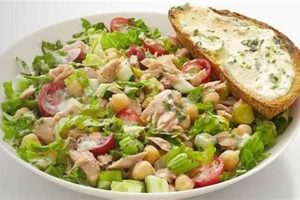
Accompanying elements further enhance the versatility of tuna noodle salad. Serving the salad on a bed of lettuce adds a crisp, fresh element, while crackers or crusty bread provide textural contrast and a vehicle for enjoying the salad. Garnishing with fresh herbs, such as chopped parsley or dill, elevates the visual appeal and adds a burst of flavor. These additions transform a simple salad into a more complete and satisfying meal. For a light lunch, a small portion of tuna noodle salad served with a side of mixed greens offers a balanced and nutritious option. For a more substantial meal, serving the salad alongside grilled vegetables or a protein source creates a heartier and more complex dining experience. These examples illustrate the potential of serving suggestions to enhance and personalize the meal.
Careful consideration of serving suggestions transforms tuna noodle salad from a basic dish into a versatile culinary creation. Understanding the impact of temperature, accompanying elements, and portioning allows for customization based on individual preferences and situational appropriateness. This attention to detail elevates the dining experience and showcases the adaptability of this classic dish.
6. Variations
Variations within a tuna noodle salad recipe demonstrate the dish’s adaptability and potential for customization. Exploring these variations unlocks culinary creativity and allows for personalized flavor profiles, dietary accommodations, and ingredient utilization. Understanding the breadth of possible variations elevates this classic dish beyond a simple formula, transforming it into a versatile culinary canvas. The following facets illustrate the potential for variation within the core recipe.
- Noodle Selection
Different noodle shapes and types offer textural and aesthetic variations. Rotini, farfalle, egg noodles, and even whole wheat pasta can replace traditional elbow macaroni. This choice influences the salad’s visual appeal and mouthfeel. Gluten-free pasta provides options for those with dietary restrictions. The selection impacts how the noodles hold the dressing and interact with other ingredients.
- Flavor Profiles
Beyond the classic mayonnaise base, flavor profiles can be customized through additions such as Dijon mustard, Greek yogurt, or sriracha. Incorporating different herbs and spices, like dill, parsley, or paprika, introduces complexity. These additions cater to individual taste preferences, offering a spectrum from tangy to spicy to herbaceous. For instance, a Mediterranean-inspired variation might incorporate olives, feta cheese, and oregano. These choices allow for a tailored culinary experience.
- Vegetable Additions
Beyond celery and onion, a wide array of vegetables can enhance the nutritional value and flavor profile. Chopped bell peppers, peas, carrots, or water chestnuts introduce textural variety and visual interest. These additions offer opportunities to utilize seasonal produce and cater to dietary preferences. A salad featuring roasted vegetables, like red peppers and zucchini, provides a smoky depth of flavor. These choices transform the salad into a more complex and substantial dish.
- Protein Enhancements
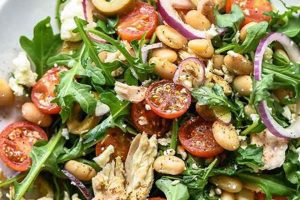
While tuna remains the core protein source, additions such as hard-boiled eggs or chickpeas can further boost protein content and introduce textural complexity. These additions provide opportunities to cater to specific dietary needs and enhance the salad’s nutritional profile. Incorporating chopped chicken or shrimp alongside the tuna creates a multi-protein salad with enhanced flavor and satiety. These variations elevate the dish beyond a simple tuna salad.
These facets highlight the adaptability of tuna noodle salad, showcasing its potential for personalization. By understanding the interplay of ingredients and flavor profiles, one can create countless variations tailored to individual preferences and dietary needs. This exploration of possibilities transforms a simple recipe into a versatile culinary platform for creative expression. The potential for variation underscores the enduring appeal of this classic dish.
Frequently Asked Questions
This section addresses common inquiries regarding the preparation and enjoyment of tuna noodle salad, offering clarity and guidance for optimal results.
Question 1: What type of tuna is best suited for this dish?
Canned tuna packed in water or olive oil is recommended. Solid or chunk light tuna typically provides a firmer texture compared to flaked tuna. Oil-packed tuna contributes richness, while water-packed offers a leaner option. Ultimately, the choice depends on individual preference and dietary considerations.
Question 2: How can one prevent the salad from becoming too dry?
Sufficient mayonnaise is key to maintaining moisture. Start with a moderate amount and add more as needed to achieve the desired consistency. Incorporating a small amount of plain Greek yogurt can also enhance moisture and add a tangy flavor. Proper chilling allows the ingredients to meld and the flavors to develop fully, which contributes to a more cohesive and less dry texture.
Question 3: What are effective strategies for enhancing flavor complexity?
Fresh herbs, such as dill, parsley, or chives, add brightness and depth. A dash of Dijon mustard or a squeeze of lemon juice introduces tanginess. Seasonings like celery seed, paprika, or black pepper enhance the savory notes. Experimentation with different flavor combinations allows for personalized taste profiles.
Question 4: Can this salad be prepared in advance?
Yes, tuna noodle salad can be prepared ahead of time and stored in a refrigerator for up to three days. Chilling allows the flavors to meld and intensify. It is advisable to add any crunchy elements, such as chopped celery or water chestnuts, just before serving to maintain their texture.
Question 5: What are suitable accompaniments?
Tuna noodle salad pairs well with a variety of accompaniments. Serving on a bed of lettuce, alongside crackers or crusty bread, or with a side of fresh fruit provides complementary textures and flavors. Consider serving with a side of potato chips, pickles, or coleslaw for a more substantial meal.
Question 6: How can one adapt this recipe for specific dietary needs?
Dietary adaptations are readily achievable. Using gluten-free noodles accommodates gluten sensitivities. Substituting plain Greek yogurt for a portion of the mayonnaise reduces fat content. Incorporating additional vegetables increases fiber and nutrient density. Tailoring the recipe based on individual dietary requirements allows for broader enjoyment.
Understanding these common inquiries empowers confident preparation and enjoyment of tuna noodle salad. This knowledge ensures a consistently satisfying culinary experience adaptable to individual preferences and dietary considerations.
The following section provides a collection of diverse and flavorful tuna noodle salad recipes, catering to a range of tastes and culinary preferences.
Conclusion
Exploration of tuna noodle salad recipes reveals a dish offering both simplicity and adaptability. Key elements, including ingredient selection, proportioning, preparation methods, flavor balancing, serving suggestions, and variations, contribute to the final product’s success. Understanding these elements empowers culinary creativity and personalized adaptations. From classic combinations to innovative interpretations, the potential for customization ensures enduring appeal.
Tuna noodle salad’s enduring presence in culinary landscapes underscores its versatility and adaptability. Continued exploration of flavor profiles, ingredient combinations, and presentation styles offers opportunities for further innovation. This classic dish remains a canvas for culinary expression, inviting both novice and experienced cooks to explore its potential and create personalized versions reflecting individual tastes and dietary preferences.