A molded dessert featuring gelatin as a key ingredient, often combined with fruits, vegetables, nuts, or whipped cream, exemplifies this dish. Variations range from simple fruit-flavored combinations to more elaborate layered creations with added ingredients like marshmallows or cottage cheese.
These desserts gained popularity in the mid-20th century, offering a convenient and visually appealing way to serve refreshments. Their adaptable nature allows for customization based on seasonal ingredients, dietary preferences, and personal tastes, contributing to their enduring presence in culinary traditions. The straightforward preparation makes them accessible to cooks of all skill levels, while the resulting texture and flavor combinations provide a refreshing and light treat.
This exploration will delve into the historical evolution of gelatin-based desserts, provide detailed instructions for creating various combinations, and offer creative suggestions for presentation and serving.
Tips for Gelatin-Based Salad Success
Creating a successful molded gelatin salad involves attention to detail and a few key techniques. The following tips offer guidance for achieving optimal results.
Tip 1: Bloom the Gelatin: Allowing the gelatin to soften in cold water before dissolving ensures even hydration and prevents clumping. This step is crucial for achieving the desired texture.
Tip 2: Dissolve Gelatin Completely: Ensure the gelatin is fully dissolved in hot liquid before incorporating other ingredients. Undissolved granules can result in an uneven texture.
Tip 3: Chill Thoroughly: Adequate chilling time is essential for the gelatin to set properly. Refrigerate for the time specified in the recipe, or until firm.
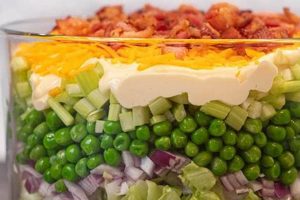
Tip 4: Layer Carefully: When creating layered salads, allow each layer to set completely before adding the next. This prevents the colors and flavors from bleeding into each other.
Tip 5: Unmold with Ease: Dip the mold briefly into warm water to loosen the salad before inverting it onto a serving plate. This ensures a clean release.
Tip 6: Consider Ingredient Combinations: Balance sweetness and acidity when selecting ingredients. The tartness of fruits can complement the sweetness of the gelatin.
Tip 7: Enhance Visual Appeal: Garnishes and creative mold shapes can elevate the presentation. Consider using fresh fruit, whipped cream, or chopped nuts for added visual interest.
By following these tips, one can achieve consistently successful results, creating visually appealing and flavorful molded gelatin salads.
These guidelines provide a foundation for crafting delicious and attractive gelatin-based desserts. The following section will offer a collection of recipes to inspire culinary creativity.
1. Gelatin Selection (Type, Flavor)

Gelatin selection significantly influences the final product in molded gelatin salads. The type of gelatin determines textural properties. Powdered gelatin offers versatility in controlling concentration and sweetness, while pre-flavored gelatin mixes simplify preparation but limit customization. Flavor profiles should complement other ingredients. A neutral-flavored gelatin provides a blank canvas for highlighting fruit and vegetable flavors, while a flavored gelatin can enhance complementary ingredients or create a specific taste profile. For example, a lime-flavored gelatin enhances the tropical notes of pineapple and coconut, while an unflavored gelatin allows the natural sweetness of berries to shine through. Consideration of both type and flavor is crucial for achieving desired results.
The interplay between gelatin and other ingredients creates a complex flavor profile. A tart fruit like cranberry benefits from a sweeter gelatin base, such as cherry or strawberry. Conversely, a milder fruit like peach pairs well with a lighter, less sweet gelatin, such as lemon or orange. The intensity of the gelatin flavor should balance, not overpower, other components. Choosing the correct gelatin flavor can also enhance color vibrancy. A red-flavored gelatin intensifies the color of strawberries, while a green-flavored gelatin complements the hue of kiwi and green grapes. Careful selection elevates the overall sensory experience.
Effective gelatin selection requires careful consideration of recipe goals. Understanding the relationship between gelatin type, flavor, and the desired outcome allows for precise control over the final product. Whether creating a simple fruit salad or an elaborate layered dessert, the gelatin chosen serves as the foundation upon which flavor and texture are built. A well-informed choice ensures a harmonious balance of ingredients and a delightful culinary experience.
2. Ingredient Pairings (Fruit, Vegetable)

Ingredient pairings significantly impact the flavor and textural complexity of gelatin-based salads. Compatibility among ingredients is crucial. Fruits offer sweetness and varying levels of acidity, while vegetables provide contrasting textures and savory notes. Balancing these elements creates a harmonious flavor profile. Consider the interplay of sweet and tart flavors. For example, the sweetness of canned peaches complements the tartness of cranberries, while the mildness of pears balances the acidity of raspberries. Textural variation also enhances the overall experience. The firmness of chopped apples contrasts with the softness of grapes, adding a pleasant textural dimension.
Strategic ingredient pairings elevate a simple gelatin salad to a more sophisticated dish. Combining complementary flavors creates a multi-dimensional sensory experience. The sweetness of mandarins enhances the tropical notes of pineapple, while the subtle bitterness of grapefruit balances the sweetness of strawberries. Exploring contrasting textures adds further interest. The smooth texture of bananas juxtaposes the crunch of chopped walnuts, creating a delightful textural interplay. Thoughtful combinations prevent flavors from clashing, ensuring a balanced and enjoyable culinary experience.
Successful ingredient pairings rely on a balanced approach. Overly sweet combinations can become cloying, while excessive acidity can be jarring. Harmonizing flavors and textures creates a balanced and appealing final product. Understanding the properties of different fruits and vegetables allows for informed choices that enhance the overall dish. This knowledge empowers culinary creativity, leading to innovative and delightful gelatin salad creations.
3. Sweetness balance (sugar, alternatives)

Sweetness balance plays a crucial role in the overall palatability of a gelatin-based salad. Careful management of sugar content prevents the dessert from becoming overly sweet or bland, allowing the other flavors to shine through. This balance depends on the inherent sweetness of included fruits and any added sweeteners. Consideration of dietary restrictions and personal preferences influences sweetener choices.
- Natural Fruit Sweetness
Fruits contribute varying levels of sweetness. Berries, for example, tend to be less sweet than tropical fruits like mangoes or pineapples. Accounting for this inherent sweetness is crucial when determining the need for additional sweeteners. Recipes relying heavily on naturally sweet fruits may require less added sugar or alternative sweeteners.
- Added Sugar Considerations
Granulated sugar is a common sweetener in gelatin salads. However, the amount added should complement the fruit’s sweetness. Excessive sugar can mask other flavors and create an unbalanced dessert. Careful measurement and taste-testing throughout the preparation process ensure the desired level of sweetness is achieved.
- Alternative Sweeteners
Artificial sweeteners, honey, maple syrup, or agave nectar can replace or supplement sugar. These alternatives cater to dietary restrictions or preferences. However, they can impact the final flavor and texture of the salad. For instance, honey adds a distinct flavor profile, while some artificial sweeteners might have a slightly different aftertaste. Careful consideration of these factors is essential when choosing alternatives.
- Balancing Sweetness and Acidity
Balancing sweetness with acidity is key to a well-rounded flavor profile. The tartness of some fruits, like cranberries or citrus fruits, offsets the sweetness of the gelatin and any added sugar. This balance prevents the salad from being overly sweet and adds a refreshing dimension. Incorporating acidic ingredients can also enhance the overall sensory experience.
Successfully balancing sweetness enhances the overall enjoyment of a gelatin-based salad. The interplay of natural fruit sugars, added sweeteners, and acidic components creates a harmonious flavor profile. Careful consideration of these factors elevates a simple dessert into a well-balanced and refreshing treat. Understanding these elements allows for customization based on individual preferences and dietary needs.
4. Mold preparation (greasing, chilling)
Mold preparation is a crucial step in crafting visually appealing and easily releasable gelatin-based salads. Proper preparation ensures the structural integrity of the dessert upon unmolding, preventing it from sticking to the mold and allowing for a clean, elegant presentation. This process involves two key steps: greasing and chilling.
Greasing the mold creates a barrier between the gelatin and the mold’s surface. This lubrication facilitates the release of the set dessert. Various greasing agents achieve this, including cooking spray, vegetable oil, or butter. The choice depends on personal preference and the specific recipe. Evenly coating the entire interior surface of the mold, including intricate details, ensures complete release. Insufficient greasing can lead to portions of the salad adhering to the mold, resulting in a damaged and less visually appealing final product. For example, a Bundt mold, with its intricate design, requires thorough greasing to ensure all curves and crevices are coated, preventing the delicate design from being marred during unmolding.
Chilling the prepared mold prior to adding the gelatin mixture further aids in the release process. The cold temperature helps solidify the initial layer of gelatin upon contact, creating a smooth, even surface against the greased mold. This reduces the likelihood of air bubbles forming between the mold and the gelatin, further improving the final appearance. The chilling duration varies depending on the mold material and the ambient temperature. While a brief chilling period is generally sufficient, colder temperatures contribute to a quicker and more complete set. This pre-chilling step is particularly important for layered gelatin salads, as it helps maintain the distinct separation between layers and prevents them from merging upon addition.
In summary, proper mold preparation, encompassing both greasing and chilling, is essential for creating visually appealing and structurally sound gelatin-based salads. This careful attention to detail ensures easy release, maintains the intended shape and design, and enhances the overall presentation. Neglecting these steps can compromise the final product, leading to a less satisfying culinary outcome. A well-prepared mold provides a foundation for a beautifully presented and enjoyable dessert.
5. Layering techniques (setting time)

Layering techniques are integral to achieving visually striking and texturally diverse gelatin-based salads. The controlled setting of individual layers is paramount. Premature addition of subsequent layers results in intermingling, blurring color distinctions and compromising structural integrity. Sufficient setting time allows each layer to solidify completely, maintaining distinct boundaries. Recipes often specify chilling times for individual layers; adherence to these guidelines ensures optimal results. Factors such as ambient temperature and refrigerator efficiency influence setting time; adjustments may be necessary based on specific conditions. For instance, a layer containing fruit pieces might require longer chilling than a plain gelatin layer due to the fruit’s temperature and water content. Testing the firmness of a layer before adding the next ensures structural stability, preventing collapse or intermixing. This methodical approach results in a visually defined layered presentation.
The interplay of setting time and ingredient selection affects the overall structure. Denser ingredients, like fruit cocktails or chopped nuts, can influence the stability of a layer. These additions may require a longer setting time to ensure the gelatin fully suspends the ingredients. Conversely, lighter ingredients, such as whipped cream or marshmallows, necessitate a shorter setting time to prevent them from sinking or dissolving into the next layer. A cranberry-raspberry layer, for instance, would likely require a longer chill time than a layer consisting of lighter ingredients such as sliced bananas or mandarin oranges. The setting time must be calibrated based on the weight and density of the incorporated ingredients. This consideration becomes particularly crucial in complex multi-layered salads, where varying densities and ingredient combinations require precise timing for optimal results.
Mastery of layering techniques, combined with an understanding of setting times, significantly contributes to the success of complex gelatin salads. Precise timing prevents intermingling, preserving the visual and textural integrity of each layer. Consideration of ingredient density and ambient temperature ensures optimal structural stability. These factors are crucial for transforming individual components into a cohesive and visually appealing dessert. Failure to adhere to appropriate setting times can compromise the structural integrity and aesthetic appeal of the final product. A thorough understanding of these principles allows for the creation of intricate and visually stunning desserts, showcasing both culinary skill and artistic presentation.
6. Serving suggestions (garnish, presentation)

Serving suggestions, encompassing garnish and presentation, significantly elevate the perceived value and enjoyment of a gelatin-based salad. Visual appeal enhances the dining experience, stimulating appetite and creating a sense of occasion. Consideration of color, texture, and accompanying elements transforms a simple dessert into a culinary centerpiece. A strategically placed garnish complements the salad’s flavors and colors, adding a touch of elegance. Fresh mint sprigs, for example, enhance the vibrancy of a lime-flavored gelatin, while a sprinkle of toasted coconut adds textural contrast and visual interest to a pineapple-based salad. Presentation choices, including serving dish and accompanying elements, further elevate the dessert. A fluted glass dish lends an air of sophistication, while a simple platter provides a rustic charm. Accompanying elements, such as whipped cream or a fruit coulis, add contrasting textures and flavors, enriching the overall sensory experience. A scoop of vanilla ice cream beside a vibrant cranberry salad provides a cooling contrast, while a drizzle of raspberry coulis adds a complementary tartness and visual appeal to a layered citrus gelatin.
Practical applications of these serving suggestions vary based on context. A formal setting benefits from elegant plating and intricate garnishes. A casual gathering allows for simpler presentations with a focus on accessibility and ease of serving. Individual portions in small glasses offer a refined touch, while a large molded salad on a platter encourages communal sharing. A layered rainbow gelatin, served in individual ramekins and garnished with a delicate sprig of mint, suits a celebratory occasion. A simple fruit-flavored gelatin, presented in a large bowl and garnished with fresh berries, caters to a casual picnic. Adapting serving suggestions to the specific context maximizes impact and enjoyment.
Effective serving suggestions transform a gelatin-based salad from a simple dish into a memorable culinary experience. Visual appeal, through considered garnishes and presentation, enhances enjoyment and perceived value. Adapting these suggestions to the specific context ensures appropriateness and maximizes impact. A thoughtfully presented gelatin salad elevates any occasion, demonstrating attention to detail and enhancing the overall dining experience. Ignoring these elements can diminish the perceived value, potentially leading to a less satisfying experience despite the quality of the ingredients and preparation. Therefore, careful consideration of serving suggestions is integral to the successful execution and reception of any gelatin-based salad.
Frequently Asked Questions
This section addresses common inquiries regarding gelatin-based salads, offering concise and informative responses to clarify potential uncertainties and enhance understanding of this versatile dessert.
Question 1: Can one substitute fresh fruit for canned fruit in gelatin salads?
Fresh fruit can be substituted, but certain fruits, such as pineapple, kiwi, and papaya, contain enzymes that prevent gelatin from setting properly. These fruits should be cooked or canned before incorporation.
Question 2: How does one prevent layered gelatin salads from separating?
Ensuring each layer sets completely before adding the next prevents separation. Briefly chilling the mold before adding the initial layer also aids adhesion.
Question 3: What causes cloudiness in gelatin salads?
Cloudiness can result from undissolved gelatin granules or incorporating ingredients while the gelatin mixture is still too hot. Ensuring complete gelatin dissolution and allowing the mixture to cool slightly before adding other ingredients mitigates this issue.
Question 4: How does storage affect the quality of a gelatin salad?
Refrigeration is essential for maintaining quality and preventing bacterial growth. Covering the salad prevents it from drying out and absorbing odors from other foods. Gelatin salads are typically best consumed within a few days of preparation.
Question 5: Can gelatin salads be made ahead of time?
Gelatin salads are well-suited for make-ahead preparation. They can be made a day or two in advance and stored, covered, in the refrigerator until serving.
Question 6: How does one address the issue of a gelatin salad that does not set properly?
Insufficient chilling time or the use of certain fresh fruits can inhibit setting. If the salad does not set, it can often be salvaged by gently reheating it, ensuring the gelatin dissolves completely, and then chilling it again.
Addressing these common questions provides a comprehensive understanding of gelatin salad preparation. Attention to detail, from ingredient selection to serving, ensures a successful and enjoyable culinary experience.
The following section offers a collection of curated recipes to inspire culinary creativity and demonstrate the versatility of gelatin-based salads.
Conclusion
Molded gelatin salads, often underestimated for their culinary potential, offer a versatile platform for creative expression. From ingredient selection and flavor balancing to layering techniques and presentation, each step contributes to the final product. Understanding the interplay of gelatin types, fruit and vegetable pairings, sweetness levels, and mold preparation ensures optimal results. Proper chilling, layering techniques, and thoughtful serving suggestions elevate these desserts beyond simple refreshments, transforming them into visually appealing and texturally intriguing culinary creations.
Exploration of this culinary niche reveals a world of possibilities, limited only by imagination. The adaptability of gelatin salads allows for endless variations, catering to diverse tastes and dietary preferences. Continued experimentation with flavors, textures, and presentation methods promises further evolution of this classic dessert, solidifying its place in culinary tradition.