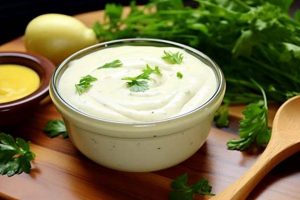
A guide to creating this classic dish typically involves a combination of mayonnaise, lemon juice, and sometimes whipped cream. Variations may include yogurt, sour cream, or buttermilk for the base, and additions such as Dijon mustard, apple cider vinegar, or seasonings like salt, pepper, and celery seed. This dressing complements the traditional ingredients of apples, celery, grapes, and walnuts.
The right sauce elevates the simple combination of fruits and vegetables in this salad, creating a harmonious balance of sweet, tart, creamy, and crunchy textures. Its versatility allows for adaptation to different tastes, with options to adjust sweetness, tanginess, and richness. Originating in the late 19th century at the Waldorf Hotel in New York City, the dish and its accompanying dressing have become a culinary staple, demonstrating enduring popularity.
This exploration will delve into various preparation methods, including classic versions and modern adaptations, offering guidance on ingredient selection, techniques for achieving optimal flavor and consistency, and suggestions for presentation and serving.
Tips for Waldorf Salad Dressing
Achieving a well-balanced and flavorful dressing is crucial for a successful Waldorf salad. These tips offer guidance for optimal preparation.
Tip 1: Freshly squeezed lemon juice is essential. Bottled juice often contains additives that can negatively impact the flavor profile. The brightness of fresh lemon juice provides a necessary counterpoint to the richness of the mayonnaise.
Tip 2: Use high-quality mayonnaise. The mayonnaise forms the foundation of the dressing. Opting for a high-quality product contributes significantly to the overall taste and texture.
Tip 3: Balance sweetness and acidity. Adjust the ratio of lemon juice and sweetener (if used) to achieve the desired balance. Tasting and adjusting is key.
Tip 4: Consider the apple variety. Different apples offer varying levels of sweetness and tartness. Crisp, tart apples, such as Granny Smith or Braeburn, provide a good contrast to the creamy dressing.
Tip 5: Don’t overdress the salad. Too much dressing can make the salad soggy. Start with a small amount and add more as needed, ensuring the ingredients are lightly coated.
Tip 6: Chill the dressing. Chilling the dressing for a short time allows the flavors to meld and enhances the overall experience.
Tip 7: Experiment with variations. Ingredients such as Dijon mustard, Greek yogurt, or herbs can add complexity and depth of flavor. Consider adding a pinch of salt and freshly ground black pepper.
Careful attention to these details elevates the salad from simple to exceptional. A well-executed dressing enhances the inherent flavors of the ingredients, creating a harmonious and satisfying culinary experience.
By understanding the nuances of preparation, one can confidently create a Waldorf salad dressing that complements the dish perfectly.
1. Base (Mayonnaise, Yogurt)

The base of a Waldorf salad dressing provides the foundational texture and flavor, significantly influencing the overall character of the dish. Mayonnaise and yogurt represent the most common choices, each contributing distinct characteristics.
- Creaminess and Texture
Mayonnaise, an emulsion of oil, egg yolks, and acid, delivers a rich, creamy texture. Yogurt, a fermented dairy product, offers a lighter, tangier alternative. The choice impacts the salad’s mouthfeel, ranging from luxuriously smooth with mayonnaise to refreshingly light with yogurt.
- Flavor Profile
Mayonnaise provides a neutral backdrop that allows other ingredients to shine, while yogurt introduces a subtle tanginess that complements the fruit and nuts. The selected base interacts with the other dressing components, shaping the overall flavor profile.
- Dietary Considerations
Using yogurt offers a lower-fat and higher-protein option compared to mayonnaise. This substitution caters to specific dietary needs without compromising the essential creamy element of the dressing.
- Stability and Emulsification
Mayonnaise provides greater stability in the dressing, maintaining a smooth, emulsified consistency. While yogurt can be used successfully, careful attention to ratios and additions may be required to prevent separation or thinning.
The choice between mayonnaise and yogurt, or a combination of both, allows for customization based on desired flavor profiles, dietary preferences, and textural considerations. Understanding the properties of each base ingredient empowers one to create a Waldorf salad dressing perfectly suited to individual tastes and culinary goals.
2. Acid (Lemon Juice, Vinegar)

Acidity plays a vital role in a Waldorf salad dressing, providing balance and enhancing the overall flavor profile. The incorporation of an acidic element, typically lemon juice or vinegar, achieves several crucial functions. Primarily, it counteracts the richness of the mayonnaise or yogurt base, preventing the dressing from becoming overly heavy. The bright, tart notes of the acid cut through the creamy texture, creating a more refreshing and palatable experience. Furthermore, acidity enhances the sweetness of the apples and grapes, creating a harmonious interplay of flavors. The acid also acts as a preservative, extending the shelf life of the dressing.
Lemon juice, the most common choice, offers a clean, citrusy acidity that complements the other ingredients. Its vibrant flavor profile enhances the freshness of the fruit and vegetables. Alternatively, apple cider vinegar introduces a subtly sweet and tangy note, adding depth and complexity. White wine vinegar provides a sharper, more assertive acidity, offering a different dimension to the flavor profile. Specific examples include using Meyer lemon juice for a sweeter, less acidic profile or opting for a champagne vinegar for a delicate, nuanced acidity.
Understanding the function and impact of acidity allows for informed decisions regarding ingredient selection and quantity. Careful balancing of acid with other components ensures a harmonious blend of flavors and textures. Failure to incorporate sufficient acid can result in a bland, overly rich dressing, while excessive acidity can overwhelm the delicate flavors of the fruit and vegetables. Mastering the balance of acidity elevates the Waldorf salad dressing, transforming it from a simple condiment to an integral part of the culinary experience.
3. Sweetener (Honey, Sugar)
Sweeteners, though often used sparingly, play a crucial role in Waldorf salad dressing, contributing to the balance of flavors and enhancing the overall complexity of the dish. They temper the tartness of the acidic components and complement the natural sweetness of the fruits. Careful consideration of sweetener type and quantity is essential for achieving a harmonious flavor profile.
- Balancing Acidity
The primary function of a sweetener in Waldorf salad dressing is to balance the acidity from lemon juice or vinegar. The sweetener prevents the dressing from becoming overly tart, creating a more palatable and balanced flavor profile. This balance allows the sweetness of the apples and grapes to shine through without being overpowered by acidity.
- Flavor Enhancement
Sweeteners contribute subtle nuances to the overall flavor profile. Honey, for instance, introduces delicate floral notes, while maple syrup offers a hint of caramel. Granulated sugar provides a clean sweetness, allowing the other flavors to take center stage. The choice of sweetener influences the final taste of the dressing, adding depth and complexity.
- Texture and Consistency
Certain sweeteners, like honey, can contribute to the texture of the dressing, adding a subtle viscosity. Liquid sweeteners incorporate seamlessly, while granulated sugar may require more mixing to dissolve completely. The choice of sweetener can subtly impact the mouthfeel of the dressing.
- Health Considerations
The choice of sweetener also allows for customization based on dietary preferences. Honey, a natural sweetener, offers potential health benefits compared to refined sugars. The quantity used should be carefully considered to manage overall sugar content, aligning with individual dietary goals.
The judicious use of sweeteners enhances the Waldorf salad dressing, transforming it from a simple mixture into a complex and nuanced complement to the fruit, nuts, and vegetables. The careful interplay of sweet, sour, and savory elements elevates the dish, demonstrating a sophisticated understanding of flavor balance.
4. Seasoning (Salt, Pepper)
Seasoning, primarily with salt and pepper, forms an integral part of a successful waldorf salad dressing. Salt enhances the inherent flavors of the other ingredients, amplifying the sweetness of the fruit and the richness of the mayonnaise or yogurt base. It also provides balance to the acidity from the lemon juice or vinegar. Pepper adds a subtle layer of complexity, introducing a gentle warmth and a contrasting bite to the creamy texture. The interplay of these seasonings elevates the dressing from a simple mixture to a more nuanced and flavorful component of the dish. For example, a pinch of kosher salt accentuates the sweetness of the apples and grapes, while freshly ground black pepper provides a delicate spiciness that complements the creamy dressing.
Proper seasoning is crucial for achieving a harmonious balance of flavors. Insufficient seasoning can result in a bland and uninspired dressing, while excessive seasoning can overpower the delicate flavors of the fruits and vegetables. The type of salt used can also influence the final flavor profile. Kosher salt, with its larger crystals, offers a more nuanced salinity than table salt. Freshly ground black pepper provides a more pronounced and aromatic flavor compared to pre-ground pepper. Professional chefs often emphasize tasting and adjusting seasoning throughout the preparation process, ensuring the final product achieves the desired balance and complexity.
Understanding the impact of seasoning allows for informed decisions regarding quantity and type. This knowledge empowers one to create a waldorf salad dressing that complements the other ingredients perfectly. The interplay of salt, pepper, and other seasonings contributes significantly to the overall dining experience, demonstrating a nuanced understanding of flavor development and balance. Neglecting this crucial step can compromise the final product, while careful attention to seasoning elevates the dish to a new level of culinary sophistication.
5. Additions (Dijon, Herbs)

Additions, such as Dijon mustard and fresh herbs, represent opportunities to elevate a Waldorf salad dressing beyond the basic formula, introducing complexity and depth of flavor. These additions, while not strictly traditional, offer nuanced dimensions that complement the core ingredients. Dijon mustard, with its tangy and slightly spicy profile, adds a savory counterpoint to the sweetness of the fruit and the richness of the mayonnaise or yogurt base. Fresh herbs, such as tarragon, chives, or parsley, introduce aromatic complexity and a refreshing element. For example, a teaspoon of Dijon mustard adds a piquant note that balances the sweetness of the apples, while a tablespoon of chopped fresh tarragon introduces an anise-like flavor that complements the creamy dressing. The measured incorporation of these additions transforms the dressing from simple to sophisticated.
The selection and quantity of additions should be carefully considered to ensure a harmonious balance of flavors. Overuse can overwhelm the delicate flavors of the core ingredients, while judicious application enhances the overall culinary experience. The quality of the additions also plays a significant role. Freshly made Dijon mustard offers a brighter, more nuanced flavor than commercially produced varieties. Similarly, fresh herbs provide a more vibrant and aromatic experience than dried herbs. Practical application of this knowledge enables customization based on individual preferences and desired flavor profiles. One might opt for a classic combination of Dijon and tarragon or experiment with other complementary flavors, such as a hint of minced garlic or a sprinkle of celery seeds.
Understanding the impact of additions on the overall flavor profile of a Waldorf salad dressing allows for informed decision-making regarding ingredient selection and quantity. This knowledge empowers culinary exploration and the creation of personalized variations. The interplay of core ingredients and carefully chosen additions demonstrates a sophisticated approach to flavor development, elevating the Waldorf salad from a simple dish to a culinary expression. Attention to these details distinguishes a well-crafted dressing from a basic mixture, showcasing a mastery of flavor balance and nuance.
6. Ratio & Balance
Achieving a harmonious Waldorf salad dressing hinges on the precise ratio and balance of its components. The interplay of creamy, sweet, acidic, and savory elements determines the overall flavor profile. Understanding these interactions is crucial for creating a successful dressing.
- Base to Acid Ratio
The ratio of the creamy base (mayonnaise or yogurt) to the acid (lemon juice or vinegar) significantly influences the dressing’s character. Too much base results in a heavy, bland dressing, while excessive acid creates an overly tart flavor. A balanced ratio allows both the richness of the base and the brightness of the acid to shine through. A typical starting point might be a 2:1 ratio of mayonnaise to lemon juice, adjustable to taste.
- Sweetness Level
The sweetness level, determined by the amount of added sweetener (honey, sugar, etc.), must complement the other flavors. Excessive sweetness can mask the other components, while insufficient sweetness can leave the dressing unbalanced. The sweetness should enhance the natural sugars present in the apples and grapes, creating a harmonious flavor profile. Starting with a small amount of sweetener and adjusting based on the sweetness of the fruit is recommended.
- Seasoning Influence
Salt and pepper, while used in small quantities, play a crucial role in enhancing and balancing the other flavors. Salt amplifies the sweetness of the fruit and the richness of the base, while pepper adds a subtle layer of complexity. Careful seasoning ensures that no single flavor dominates, creating a cohesive and well-rounded taste. Tasting and adjusting seasoning throughout the process is essential for optimal results.
- Impact of Additions
Additions such as Dijon mustard or herbs introduce complexity but must be incorporated judiciously. Overuse can overshadow the delicate balance of the core ingredients. The quantity of additions should complement, not overwhelm, the existing flavors. Starting with small amounts and gradually increasing allows for careful control of the final flavor profile.
Mastering the ratio and balance of these elements allows for a tailored Waldorf salad dressing, ranging from classic to innovative. A well-balanced dressing enhances the natural flavors of the salad’s components, creating a harmonious and satisfying culinary experience. Each element contributes to the final product, demonstrating the importance of precise ratios in achieving a successful dish.
Frequently Asked Questions
This section addresses common inquiries regarding the preparation and variations of Waldorf salad dressing.
Question 1: Can the traditional mayonnaise base be substituted for a healthier alternative?
Plain Greek yogurt offers a lower-fat and higher-protein alternative to mayonnaise. It introduces a tangy flavor that complements the fruit. Alternatively, a mixture of mayonnaise and yogurt can be used to achieve a balance of creaminess and tang.
Question 2: What type of apple is best suited for a Waldorf salad?
Crisp, tart apples such as Granny Smith or Braeburn provide a desirable contrast to the creamy dressing and sweet grapes. However, other varieties like Honeycrisp or Fuji can be used for a sweeter salad.
Question 3: How can the sweetness of the dressing be adjusted?
Honey, maple syrup, or granulated sugar can be used to sweeten the dressing. The amount can be adjusted to personal preference, starting with a small quantity and tasting until the desired level of sweetness is achieved. The natural sweetness of the apples should also be considered.
Question 4: Can the dressing be made ahead of time?
Yes, the dressing can be prepared a day in advance and stored in an airtight container in the refrigerator. This allows the flavors to meld. However, it’s best to dress the salad just before serving to prevent the ingredients from becoming soggy.
Question 5: What can be added to enhance the flavor of the dressing?
Dijon mustard, fresh herbs (such as tarragon, chives, or parsley), a pinch of celery seed, or a squeeze of orange juice can enhance the complexity of the dressing. Experimentation with different flavor combinations can lead to personalized variations.
Question 6: How can one prevent the salad from becoming watery?
Using a crisp apple variety helps prevent excess moisture. Additionally, dressing the salad just before serving minimizes the time the ingredients are exposed to the dressing, reducing the likelihood of wateriness.
Understanding these common points of inquiry facilitates a more nuanced approach to Waldorf salad dressing preparation. Careful consideration of ingredient selection, ratios, and techniques allows for a personalized and enjoyable culinary experience.
The following section will delve into variations of the classic Waldorf salad recipe.
Conclusion
Exploration of the elements comprising a successful Waldorf salad dressing reveals the importance of achieving balance among the base, acidity, sweetness, and seasonings. Careful consideration of ingredient ratios, the judicious use of additions such as Dijon mustard or fresh herbs, and an understanding of the interplay of flavors contribute to a nuanced and flavorful dressing. Whether adhering to a classic preparation or exploring modern adaptations, attention to these details elevates the final product.
Culinary success with this iconic dressing rests not only on following a prescribed recipe, but also on understanding the underlying principles of flavor dynamics. This knowledge empowers adaptation and customization, allowing for a personalized interpretation of a timeless classic. The enduring popularity of Waldorf salad speaks to its adaptability and the potential for continued culinary exploration.