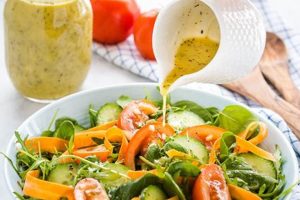
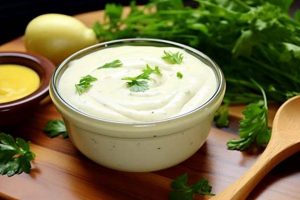
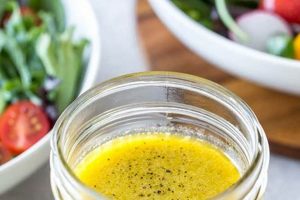
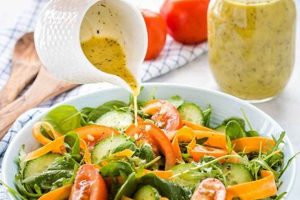
A guide to creating flavorful, nutritious dressings for salads typically involves a combination of oil, acid (such as vinegar or citrus juice), and seasonings. Examples include a simple vinaigrette with olive oil, lemon juice, and herbs, or a creamy dressing based on Greek yogurt, tahini, and spices. Variations can cater to diverse dietary needs and preferences, using ingredients like avocado, nuts, seeds, and a variety of herbs and spices.
Dressings significantly enhance the flavor, enjoyment, and nutritional value of salads. They can transform simple greens and vegetables into appealing and satisfying meals. Historically, dressings have evolved from basic oil and vinegar combinations to more complex blends reflecting cultural influences and culinary innovation. Healthier options often emphasize natural ingredients and minimize added sugars, unhealthy fats, and processed additives. They contribute to increased consumption of vegetables and healthy fats, supporting overall well-being.
This exploration will delve into the core components of healthful dressings, providing practical guidance on selecting ingredients, balancing flavors, and creating personalized recipes. Specific examples will be provided, alongside tips for storage and usage. Further discussion will address the nutritional aspects of various ingredients and how they contribute to a balanced diet.
Tips for Creating Healthy Salad Dressings
These guidelines offer practical advice for crafting nutritious and flavorful salad dressings at home.
Tip 1: Prioritize Quality Oils. Extra virgin olive oil, avocado oil, and flaxseed oil offer beneficial fats and distinct flavors. Consider the oil’s flavor profile when pairing with other ingredients.
Tip 2: Explore Diverse Acids. Beyond traditional vinegar, explore citrus juices (lemon, lime, orange), or experiment with less common options like pomegranate molasses or rice vinegar for unique flavor dimensions.
Tip 3: Embrace Fresh Herbs and Spices. Freshly chopped herbs (parsley, dill, mint, cilantro) and spices (cumin, paprika, chili flakes) elevate flavor complexity and offer antioxidant benefits.
Tip 4: Sweeten Naturally. Instead of refined sugars, opt for natural sweeteners like honey, maple syrup (used sparingly), or a touch of fruit juice to balance acidity.
Tip 5: Thicken Creatively. Achieve creamy textures with blended avocado, Greek yogurt, tahini, or soaked nuts and seeds without resorting to high-fat or processed ingredients.
Tip 6: Emulsify Effectively. A stable emulsion prevents separation and enhances texture. Whisk ingredients vigorously or use a blender for a smoother consistency.
Tip 7: Season Mindfully. Adjust seasonings (salt, pepper, garlic powder) gradually to achieve optimal flavor balance without over-salting.
By following these tips, one can create flavorful and healthful dressings that transform simple salads into satisfying and nutrient-rich meals.
This section’s guidance lays a solid foundation for crafting customized dressings. The following conclusion will summarize key takeaways and offer additional resources for further exploration.
1. Fresh, High-Quality Ingredients

The foundation of any successful and healthful salad dressing lies in the selection of fresh, high-quality ingredients. Ingredient quality directly impacts the final flavor, nutritional value, and overall sensory experience. This section explores the crucial connection between superior ingredients and the creation of exceptional dressings.
- Flavor Enhancement
Fresh, high-quality ingredients possess vibrant, nuanced flavors that contribute significantly to the overall taste of the dressing. For example, freshly squeezed lemon juice offers a brighter, more complex citrus note compared to bottled varieties. Similarly, using freshly harvested herbs like basil or mint provides a more pronounced aroma and flavor than dried counterparts. This emphasis on freshness elevates the sensory experience of the salad.
- Nutritional Integrity
Ingredients in their peak state retain optimal nutritional value. Fresh produce contains higher concentrations of vitamins, minerals, and antioxidants. Using high-quality oils, such as extra virgin olive oil, provides beneficial monounsaturated fats. Prioritizing fresh, minimally processed components ensures that the dressing contributes to, rather than detracts from, the nutritional value of the meal.
- Textural Appeal
Fresh ingredients contribute to desirable textures in salad dressings. Ripe avocados create a creamy, smooth base for dressings, while freshly chopped nuts and seeds offer satisfying crunch. The textural contrast between these components enhances the overall enjoyment of the salad, making it more appealing and palatable.
- Overall Quality and Shelf Life
Dressings made with fresh, high-quality ingredients generally possess a brighter appearance and a cleaner flavor profile. While homemade dressings may have a shorter shelf life than commercially produced options, proper storage techniques can maximize freshness. Furthermore, the absence of preservatives and artificial additives offers a health advantage.
By prioritizing fresh, high-quality ingredients, individuals can create dressings that are not only flavorful and nutritious but also contribute to a more satisfying and healthful culinary experience. This commitment to quality elevates the simple salad to a more complex and enjoyable dish.
2. Balanced Flavor Profiles

Balanced flavor profiles are crucial in crafting appealing and healthful salad dressings. A well-balanced dressing complements, rather than overpowers, the flavors of the salad’s other components. This balance encourages consumption of nutrient-rich vegetables and contributes to a more satisfying meal. A harmonious blend of tastes ensures the dressing enhances the overall dining experience.
- Acidity
Acidity, primarily derived from vinegar or citrus juice, provides a bright, tart counterpoint to other flavors. The level of acidity should be sufficient to cut through richness but not so overpowering as to be unpleasant. Examples include the sharpness of lemon juice in a vinaigrette or the tang of apple cider vinegar in a slaw dressing. Proper acidity balances sweetness and richness, creating a more complex and palatable dressing.
- Sweetness
Sweetness, often derived from natural sources like honey or maple syrup (used sparingly), tempers acidity and adds depth. A touch of sweetness rounds out the flavor profile, preventing the dressing from being overly tart. For example, a small amount of honey can balance the acidity of balsamic vinegar in a strawberry spinach salad dressing. This balance is crucial for creating a harmonious flavor profile.
- Saltiness
Salt enhances other flavors and provides a savory element. However, excessive salt can mask subtle flavors and negatively impact health. A judicious use of salt allows other ingredients to shine while providing essential seasoning. Sea salt or Himalayan pink salt can offer subtle mineral nuances. Careful salt management is essential for both flavor and health.
- Fat (Richness/Mouthfeel)
Fat, typically from oils, contributes richness, mouthfeel, and carries flavor. Healthy fats, such as those found in olive oil or avocado oil, are preferred. The type of oil influences the overall flavor profile of the dressing. For instance, a robust extra virgin olive oil adds a peppery note, while avocado oil offers a more neutral base. The choice of fat significantly impacts both the flavor and nutritional value of the dressing.
By carefully balancing these four elementsacidity, sweetness, saltiness, and fatone can create healthful and flavorful dressings that elevate any salad. This balance ensures the dressing complements the other ingredients, resulting in a harmonious and enjoyable culinary experience that promotes healthy eating habits.
3. Nutrient-rich Oils
Nutrient-rich oils play a vital role in healthy salad dressings, contributing flavor, texture, and essential fatty acids. Selecting the right oil significantly impacts both the nutritional value and the sensory experience of the dressing. Understanding the properties and benefits of various oils allows for informed choices that align with health goals and taste preferences.
- Extra Virgin Olive Oil
Extra virgin olive oil, a cornerstone of the Mediterranean diet, offers a robust flavor profile ranging from peppery to fruity. It is rich in monounsaturated fats, particularly oleic acid, linked to various health benefits, including improved heart health and reduced inflammation. Its distinct flavor makes it suitable for dressings intended for salads featuring Mediterranean ingredients like tomatoes, cucumbers, and feta cheese.
- Avocado Oil
Avocado oil possesses a neutral flavor profile, making it a versatile option for dressings where other ingredients take center stage. Like olive oil, it is high in monounsaturated fats and contains a significant amount of vitamin E, a potent antioxidant. Its mild flavor makes it ideal for dressings incorporating delicate herbs or fruits, allowing their flavors to shine through.
- Flaxseed Oil
Flaxseed oil stands out for its high concentration of omega-3 fatty acids, particularly alpha-linolenic acid (ALA), which the body converts into other essential omega-3s. It has a slightly nutty flavor and is best used in dressings for salads featuring ingredients like walnuts, carrots, or spinach. Due to its susceptibility to oxidation, flaxseed oil should be stored carefully and used in moderation.
- Walnut Oil
Walnut oil offers a distinctive, nutty flavor that complements salads featuring ingredients like apples, pears, or blue cheese. It contains a good balance of omega-3 and omega-6 fatty acids and is rich in antioxidants. Its delicate flavor and susceptibility to oxidation necessitate careful storage and usage. It adds a unique depth of flavor to dressings intended for specific flavor pairings.
The considered selection of nutrient-rich oils significantly contributes to the overall quality and healthfulness of salad dressings. By understanding the unique properties and flavor profiles of these oils, one can create dressings that not only enhance the taste of salads but also provide valuable nutrients that support overall well-being. The choice of oil should align with both the desired flavor profile and the nutritional goals of the individual, ensuring a balanced and enjoyable culinary experience.
4. Creative Use of Herbs and Spices

Herbs and spices play a transformative role in healthy salad dressings, elevating flavor complexity while contributing potential health benefits. Their strategic incorporation minimizes the need for added salt, sugar, or unhealthy fats, aligning with the principles of nutritious eating. Exploring diverse herbs and spices allows for the creation of dressings that are both flavorful and health-promoting.
- Flavor Enhancement and Depth
Herbs and spices contribute a wide range of flavors, from the bright, citrusy notes of lemon thyme to the warm, earthy tones of cumin. Layering these flavors creates depth and complexity, transforming a simple vinaigrette into a culinary experience. For example, a combination of fresh dill, parsley, and chives adds a vibrant, herbaceous dimension to a lemon-yogurt dressing. This strategic layering of flavors allows for nuanced taste profiles.
- Health-Promoting Properties
Many herbs and spices possess antioxidant and anti-inflammatory properties. Incorporating them into salad dressings provides potential health benefits beyond basic nutrition. For instance, turmeric, known for its curcumin content, adds a warm, earthy flavor and potential anti-inflammatory benefits to a tahini-based dressing. Similarly, adding ginger to a vinaigrette provides a spicy kick and potential digestive benefits. These additions contribute to a more healthful and flavorful meal.
- Reduced Need for Salt and Sugar
The potent flavors of herbs and spices allow for a reduction in added salt and sugar, aligning with dietary guidelines for reduced sodium and sugar intake. The complex flavors of herbs and spices satisfy the palate, reducing the need for these potentially harmful additives. A dressing featuring fresh cilantro, lime juice, and chili flakes requires minimal salt due to the inherent flavor intensity of these ingredients. This approach promotes healthier eating habits.
- Versatility and Customization
The vast array of available herbs and spices allows for endless customization and experimentation. Dressings can be tailored to complement specific salad ingredients or to accommodate individual preferences. A salad featuring roasted vegetables might benefit from a dressing incorporating warm spices like cumin and coriander, while a berry salad might be enhanced by a dressing with mint and a touch of ginger. This versatility allows for the creation of dressings perfectly suited to individual tastes and dietary needs.
The creative use of herbs and spices transforms healthy salad dressings from simple condiments into flavorful and health-promoting components of a balanced meal. By understanding the unique properties and flavor profiles of various herbs and spices, individuals can create dressings that not only enhance the taste of their salads but also contribute to overall well-being. This mindful approach to flavor elevates the culinary experience while promoting healthy eating habits.
5. Minimal Processed Ingredients

Minimizing processed ingredients is a cornerstone of healthy salad dressing recipes. Processed ingredients often contain excessive amounts of sodium, added sugars, unhealthy fats, and artificial additives, which can detract from the nutritional value of a salad. Prioritizing whole, unprocessed ingredients enhances flavor, nutritional value, and overall health benefits. This section will explore the multifaceted benefits of minimizing processed ingredients in salad dressings.
- Enhanced Nutritional Value
Unprocessed ingredients retain their natural vitamins, minerals, and antioxidants. For example, fresh herbs offer higher levels of beneficial compounds compared to dried, processed herb blends. Similarly, freshly squeezed citrus juice provides more vitamin C and antioxidants than bottled varieties containing preservatives. Choosing whole ingredients maximizes the nutritional contribution of the dressing.
- Improved Flavor Profile
Fresh, unprocessed ingredients often possess more complex and nuanced flavors. Using fresh garlic in a dressing delivers a more pungent and vibrant flavor than garlic powder. Similarly, homemade dressings with fresh herbs and spices offer a brighter, more dynamic flavor profile compared to dressings made with processed flavorings. The emphasis on fresh ingredients elevates the overall sensory experience.
- Reduced Sodium and Added Sugar Intake
Commercially produced dressings often contain high levels of sodium and added sugars to enhance flavor and extend shelf life. By making dressings at home with minimal processed ingredients, individuals can control the amount of sodium and sugar, aligning with dietary recommendations for better health outcomes. This control supports healthier eating habits.
- Avoidance of Artificial Additives and Preservatives
Many processed dressings contain artificial flavors, colors, and preservatives to enhance taste and appearance or prolong shelf life. These additives offer no nutritional value and may pose potential health risks. Opting for homemade dressings made with whole ingredients eliminates exposure to these unnecessary additives, promoting a cleaner, healthier diet.
By minimizing processed ingredients and emphasizing whole, unprocessed foods, individuals can create salad dressings that are not only more flavorful but also contribute to a healthier diet. This approach maximizes nutritional value while avoiding potentially harmful additives, aligning with a focus on overall well-being. Fresh, minimally processed ingredients form the foundation of a truly healthy and delicious salad dressing.
6. Proper Storage Techniques
Proper storage techniques are essential for maintaining the quality, flavor, and safety of healthy salad dressings. Improper storage can lead to spoilage, oxidation of oils, and loss of nutritional value, compromising the intended health benefits and sensory experience. Effective storage preserves the freshness and integrity of homemade dressings, maximizing their shelf life and ensuring optimal flavor and nutritional impact.
- Container Selection
Appropriate containers play a crucial role in preserving dressing quality. Airtight containers, preferably made of glass, minimize oxidation and prevent the absorption of unwanted flavors from other foods in the refrigerator. Glass is non-reactive and does not leach chemicals into the dressing, unlike some plastic containers. Selecting the right container is the first step in maintaining freshness and preventing spoilage.
- Temperature Control
Consistent refrigeration is paramount for preventing bacterial growth and maintaining the quality of delicate ingredients like fresh herbs and oils. Dressings should be stored at or below 40F (4C) to inhibit microbial activity and slow down enzymatic processes that lead to spoilage. Consistent cold temperatures are crucial for food safety and preserving the quality of the dressing.
- Protection from Light and Air
Exposure to light and air accelerates the oxidation of oils, leading to rancidity and off-flavors. Storing dressings in opaque containers or in a dark area of the refrigerator minimizes light exposure. Ensuring airtight seals prevents air from entering the container and further contributing to oxidation. Protecting dressings from light and air is essential for preserving flavor and preventing spoilage.
- Ingredient Considerations
Dressings containing fresh ingredients like herbs, fruits, or vegetables may have a shorter shelf life than those made with solely pantry staples. Careful observation for signs of spoilage, such as changes in color, texture, or odor, is crucial. Dressings containing perishable ingredients require more attentive monitoring and should be consumed within a shorter timeframe. Understanding the shelf life limitations of various ingredients is essential for safe consumption.
Implementing proper storage techniques preserves the flavor, nutritional value, and safety of healthy salad dressings, ensuring that the effort invested in creating flavorful and healthful meals is not compromised. Consistent adherence to these practices maximizes the shelf life of homemade dressings, allowing individuals to enjoy the benefits of fresh, flavorful, and nutrient-rich dressings for an extended period. Proper storage is the final, crucial step in the creation and enjoyment of healthy, homemade salad dressings.
Frequently Asked Questions
This section addresses common inquiries regarding the creation and utilization of healthy salad dressings.
Question 1: How can one ensure a homemade dressing emulsifies properly?
Proper emulsification prevents separation of oil and vinegar. Vigorous whisking or blending creates a stable emulsion. Adding a small amount of mustard or a spoonful of tahini can act as an emulsifier, helping bind the ingredients together more effectively.
Question 2: What are some suitable alternatives to refined sugar in dressings?
Natural sweeteners such as honey, maple syrup (used sparingly), or a touch of fruit juice offer healthier alternatives to refined sugar. These options provide sweetness while contributing additional flavor nuances.
Question 3: How long can homemade dressings be stored safely?
Properly stored homemade dressings typically last for one to two weeks in the refrigerator. Dressings containing fresh ingredients like herbs or fruits may have a shorter shelf life. Always check for signs of spoilage before consumption.
Question 4: Can dressings contribute to weight management goals?
Healthful dressings, made with nutrient-rich oils and minimal added sugars, can support weight management by increasing satiety and promoting the consumption of vegetables. Portion control remains essential.
Question 5: How can one adapt dressings to accommodate dietary restrictions?
Dressings can be adapted to meet various dietary needs. For vegan dressings, replace dairy-based ingredients with plant-based alternatives like tahini or cashew cream. Gluten-free options require ensuring all ingredients, including soy sauce or other condiments, are certified gluten-free.
Question 6: Beyond salads, how else can healthy dressings be used?
Healthy dressings offer versatility beyond salads. They can serve as marinades for vegetables, meats, or tofu, adding flavor and moisture. They can also be used as dips for vegetables or whole-grain crackers, providing a nutritious and flavorful snack option.
By understanding these frequently addressed concerns, individuals can confidently create and utilize healthful dressings as part of a balanced and enjoyable diet.
The following section provides a concise conclusion and additional resources for further exploration of healthy eating habits.
Conclusion
Exploration of healthy salad dressing formulation reveals the significant impact of ingredient selection and mindful preparation. Prioritizing fresh, high-quality components, including nutrient-rich oils, vibrant herbs, and spices, forms the foundation for dressings that enhance both flavor and nutritional value. Minimizing processed ingredients, emphasizing balanced flavor profiles, and employing proper storage techniques further contribute to the creation of dressings that support overall well-being. Careful consideration of these elements transforms the often-overlooked salad dressing into a significant contributor to a balanced and enjoyable dietary experience.
The potential of crafting healthful and flavorful dressings at home empowers individuals to take control of dietary choices. This knowledge translates to improved eating habits and increased consumption of nutrient-rich foods. Continued exploration of culinary techniques and ingredient combinations offers a pathway to further enhance dietary quality and promote a more healthful lifestyle. Embracing this culinary practice offers not merely a recipe for a single dish, but a recipe for a more mindful and nourishing approach to food.