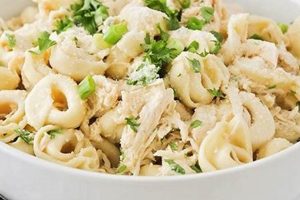
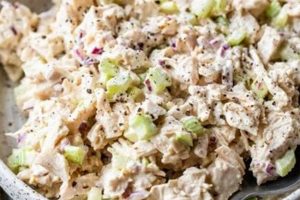
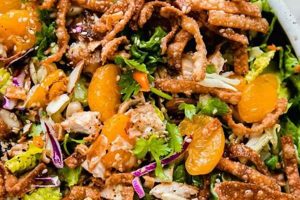
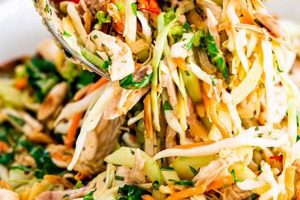
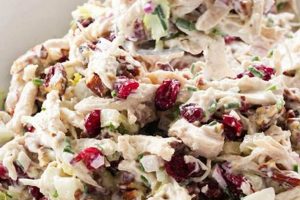
Dishes combining crisp, seasoned poultry with fresh, often leafy, ingredients and a variety of dressings constitute a popular culinary category. A classic example involves battered and deep-fried chicken pieces atop mixed greens, tomatoes, cucumbers, and a creamy ranch or vinaigrette dressing. Variations exist, incorporating diverse greens, vegetables, fruits, nuts, cheeses, and dressings, as well as different preparations of the chicken itself, such as pan-fried or air-fried.
These dishes offer a balance of protein, fiber, and healthy fats, providing a satisfying and nutritious meal. The contrasting textures and flavorscrispy chicken against fresh produce and creamy or tangy dressingscreate a complex and enjoyable sensory experience. Historically, the concept of combining protein with salads emerged as a way to create more complete and substantial meals. The rise in popularity of this particular dish reflects evolving culinary trends that embrace both comfort food elements and health-conscious choices.
This article will explore diverse approaches to creating these salads, examining various ingredients, techniques, and flavor profiles. Discussions on nutritional considerations, preparation methods, and creative variations will provide a comprehensive understanding of this versatile dish.
Tips for Exceptional Chicken Salads
Achieving a well-balanced and flavorful salad involves careful consideration of several key elements. The following tips offer guidance on optimizing ingredient selection, preparation techniques, and flavor combinations.
Tip 1: Brining for Flavor and Moisture: Submerging chicken pieces in a brine solution before frying enhances both flavor and moisture retention. A simple brine can be made with salt, sugar, and water.
Tip 2: Double-Frying for Extra Crispiness: Frying the chicken twice, once at a lower temperature and then again at a higher temperature, results in exceptionally crispy skin.
Tip 3: Seasoning Beyond the Basics: Experimenting with various spices and herbs, such as paprika, garlic powder, onion powder, or cayenne pepper, elevates the chicken’s flavor profile. Marinades can also impart complex flavors.
Tip 4: Freshness of Greens is Key: Opt for crisp, fresh greens like romaine, butter lettuce, or spinach. Avoid wilted or bruised leaves.
Tip 5: Balancing Textures and Flavors: Consider incorporating a variety of textures, such as crunchy nuts, creamy avocado, or juicy tomatoes, to create a more dynamic salad. Balancing the richness of the fried chicken with lighter, brighter flavors from fresh produce is crucial.
Tip 6: Dressing Selection and Application: The choice of dressing significantly impacts the overall flavor profile. Creamy dressings like ranch or buttermilk complement the richness of the chicken, while lighter vinaigrettes offer a brighter counterpoint. Avoid overdressing the salad, which can make the greens soggy.
Tip 7: Timing is Everything: To maintain optimal texture, it is recommended to assemble the salad just before serving. This prevents the greens from wilting and the chicken from becoming soggy.
By implementing these strategies, one can elevate this dish from simple fare to a truly memorable culinary experience. Attention to detail in each step, from brining and frying the chicken to selecting fresh ingredients and balancing flavors, ensures a delightful result.
The following section will delve into specific recipe variations, showcasing the versatility of this dish.
1. Chicken Preparation

Chicken preparation stands as a cornerstone of successful fried chicken salad recipes. The method employed significantly influences the final dish’s flavor, texture, and overall appeal. Considerations extend beyond mere cooking; they encompass marinating, breading, and frying techniques. Each step contributes distinct characteristics, impacting the salad’s harmony. For instance, buttermilk marinades tenderize the meat while imparting a subtle tang, creating a foundation for a well-balanced flavor profile. The choice between breading and battering influences the final texture, dictating whether the chicken offers a delicate crunch or a heartier, more substantial bite.
Frying methods further shape the chicken’s characteristics. Deep-frying yields a classic, crispy exterior, while pan-frying offers a slightly different textural experience, often with crispier edges and a more succulent interior. Air-frying provides a lighter, healthier alternative, retaining moisture while achieving a satisfying crispness. The chosen approach directly affects how the chicken interacts with other salad components. A heavily battered and deep-fried piece might overwhelm delicate greens, whereas a lightly pan-fried cutlet allows other flavors to shine through. Selecting the appropriate preparation method proves crucial in achieving a balanced and harmonious salad.
Mastering chicken preparation allows for strategic flavor and texture manipulation within the broader context of the salad. Understanding the interplay between different techniques empowers one to tailor the chicken to complement other ingredients and create a cohesive dish. This foundational element often determines whether the salad becomes a simple combination of ingredients or a carefully orchestrated culinary experience. Neglecting this aspect risks compromising the final product, hindering the achievement of a truly exceptional salad.
2. Salad Greens

Salad greens provide the foundation upon which a fried chicken salad is built. Their selection significantly impacts the dish’s overall flavor, texture, and nutritional value. The interplay between the greens and the fried chickena contrast of textures and temperaturesis essential to a successful recipe. Choosing appropriate greens involves considering factors such as flavor profile, sturdiness, and compatibility with other salad components.
- Flavor Profile
Greens range from mild and subtly sweet (e.g., butter lettuce, Bibb lettuce) to peppery and slightly bitter (e.g., arugula, watercress). Milder greens often pair well with creamy dressings and richer chicken preparations, while more assertive greens can balance heavier flavors and spicier seasonings. The selected greens should complement, not clash with, the chicken and other ingredients.
- Sturdiness
Heartier greens like romaine and kale hold up well under the weight of fried chicken and heavier dressings, preventing the salad from becoming soggy. More delicate greens, such as spinach or spring mix, may be better suited for salads with lighter toppings and dressings. The sturdiness of the greens directly affects the salad’s texture and presentation.
- Nutritional Value
Different greens offer varying nutritional benefits. Darker, leafy greens like spinach and kale are generally richer in vitamins and minerals. Incorporating a variety of greens can enhance the salad’s nutritional profile and contribute to a more balanced meal. This factor can be important for those seeking healthier meal options.
- Visual Appeal
The visual presentation of the salad is enhanced by the color and texture of the greens. A mix of colors and textures creates a more visually appealing and appetizing dish. Consider using a combination of greens, such as a base of romaine with accents of red leaf lettuce or radicchio, to add visual interest.
The careful selection of salad greens is crucial for a well-balanced and satisfying fried chicken salad. By considering the interplay of flavor, texture, nutritional value, and visual appeal, one can create a salad that complements the fried chicken and other ingredients, resulting in a harmonious and delicious dish. Ignoring these considerations can lead to a salad that is either bland and uninspired or overwhelmed by the richness of the fried chicken.
3. Dressing Selection

Dressing selection represents a pivotal element in crafting a well-balanced fried chicken salad. The dressing’s role extends beyond simply adding moisture; it contributes significantly to the overall flavor profile, complements the other ingredients, and helps to unify the dish. A thoughtfully chosen dressing elevates the salad from a simple combination of components to a harmonious culinary creation. Conversely, an ill-suited dressing can overwhelm the delicate balance of flavors and textures, compromising the entire experience.
- Flavor Compatibility
The dressing’s flavor profile must harmonize with the fried chicken and other salad components. Creamy dressings, such as ranch, buttermilk ranch, or honey mustard, often complement the richness of the fried chicken, creating a comforting and familiar flavor combination. Vinaigrettes, with their bright acidity, offer a refreshing counterpoint to the richness of the chicken, cutting through the fat and adding a lighter dimension to the salad. The inherent sweetness, tanginess, or spiciness of the dressing should be considered in relation to the other ingredients. For example, a sweet and tangy honey mustard dressing might pair well with a salad incorporating fruit, while a spicy vinaigrette might complement a salad with bolder flavors, such as pepper jack cheese or jalapeos. Careful consideration of flavor compatibility ensures a cohesive and balanced final product.
- Texture and Consistency
The dressing’s texture and consistency contribute to the overall sensory experience of the salad. Creamy dressings add a richness and coat the ingredients, creating a more substantial mouthfeel. Vinaigrettes offer a lighter, more refreshing texture. The thickness of the dressing also influences how it clings to the salad components. A thicker dressing will adhere more readily, while a thinner dressing might pool at the bottom of the bowl. The desired texture and consistency depend on personal preference and the other ingredients in the salad. For example, a thicker, creamier dressing might pair well with a salad featuring crunchy elements like croutons or nuts, while a lighter vinaigrette might be better suited for a salad with more delicate greens.
- Balancing Richness and Acidity
Fried chicken, by nature, is rich and often savory. The dressing plays a critical role in balancing this richness. Acidic dressings, such as those based on vinegar or citrus juices, cut through the fat and cleanse the palate, preventing the salad from feeling overly heavy. The level of acidity should be carefully calibrated to complement, not overpower, the other flavors. A dressing that is too acidic can make the salad taste sour, while a dressing that lacks acidity can leave the salad feeling greasy and heavy. Achieving the right balance is essential for a harmonious and satisfying salad.
- Visual Appeal
While primarily impacting flavor and texture, the dressing also contributes to the salad’s visual appeal. The dressing’s color and sheen can enhance the presentation. A creamy dressing adds a richness and gloss, while a vibrant vinaigrette can brighten the salad’s appearance. The way the dressing coats the ingredients also affects the visual presentation. A thicker dressing might create a more uniform coating, while a thinner dressing might allow the individual components to stand out. Careful consideration of the dressing’s visual impact can elevate the dining experience.
Selecting the appropriate dressing is paramount to a successful fried chicken salad. Careful consideration of flavor compatibility, texture, acidity, and visual appeal ensures a harmonious blend of ingredients. By understanding the dressing’s role in balancing richness, complementing flavors, and enhancing the overall sensory experience, one can elevate the dish from a simple combination of components to a truly satisfying and memorable culinary creation. Overlooking the importance of dressing selection can result in a dish that falls short of its full potential, hindering the achievement of a truly exceptional salad.
4. Complementary Ingredients

Complementary ingredients represent crucial elements within fried chicken salad recipes, elevating the dish beyond a simple protein-and-greens combination. These additions introduce complexity, balance flavors, and contribute textural contrasts, enriching the overall sensory experience. Strategic incorporation of complementary ingredients transforms a basic salad into a multi-dimensional culinary creation. Their absence often results in a less satisfying and potentially unbalanced meal.
Consider the interplay between fried chicken, typically rich and savory, and contrasting elements. Sweet and acidic components, such as dried cranberries or mandarin orange segments, cut through the richness, adding brightness and preventing palate fatigue. Crunchy elements, like toasted nuts, croutons, or crispy wonton strips, provide textural contrast to the tender chicken and leafy greens. Savory additions, such as crumbled bacon or blue cheese, enhance the umami notes and create a more complex flavor profile. Fresh herbs, like chives or parsley, contribute aromatic complexity and a refreshing counterpoint to the fried element. The careful selection and balance of these ingredients determine the salad’s overall success.
Understanding the role of complementary ingredients is essential for crafting exceptional fried chicken salads. These elements, far from being mere afterthoughts, contribute significantly to the dish’s overall balance, flavor profile, and textural complexity. Neglecting their strategic incorporation can result in a one-dimensional and potentially less satisfying culinary experience. A well-composed fried chicken salad features a harmonious interplay of flavors and textures, orchestrated through the thoughtful inclusion of complementary ingredients that enhance the core components and elevate the dish to a new level of culinary sophistication. This understanding empowers one to create balanced, flavorful, and visually appealing salads that move beyond basic combinations and become truly memorable culinary experiences.
5. Flavor Balance
Flavor balance represents a crucial aspect of successful fried chicken salad recipes. The inherent richness and savoriness of fried chicken necessitate careful consideration of contrasting and complementary flavors to achieve a harmonious and satisfying dish. Without proper balance, the salad can become overly rich, greasy, or one-dimensional. A well-balanced salad offers a complex interplay of tastes, engaging the palate with contrasting sensations and preventing any single flavor from dominating.
This balance is achieved through the strategic incorporation of various flavor profiles. Acidity, often introduced through vinaigrettes or citrus fruits, cuts through the richness of the fried chicken, cleansing the palate and preventing the dish from feeling heavy. Sweetness, from ingredients like dried fruits or honey, provides a counterpoint to the savory chicken and adds depth of flavor. The introduction of bitter elements, such as certain greens or herbs, can further enhance complexity and prevent the salad from becoming overly sweet. Umami, present in ingredients like cheeses or mushrooms, adds a savory depth and complements the fried chicken’s existing umami notes. The interplay of these different tastes creates a dynamic and engaging culinary experience.
Consider a fried chicken salad featuring buttermilk-fried chicken, romaine lettuce, cherry tomatoes, crumbled blue cheese, and a honey-mustard vinaigrette. The richness of the chicken is balanced by the acidity of the vinaigrette, the sweetness of the honey, and the slight bitterness of the blue cheese. The tomatoes contribute a juicy sweetness and acidity, further enhancing the balance. This combination of flavors offers a more complex and satisfying experience than a salad solely focused on the richness of the fried chicken. Achieving such balance requires careful consideration of each ingredient’s flavor profile and how it interacts with the other components. This understanding allows for the creation of salads that are not only delicious but also demonstrate culinary expertise and attention to detail. Failure to address flavor balance can result in a dish that, while potentially palatable, lacks the complexity and nuance of a truly well-crafted salad.
6. Texture Contrast
Texture contrast significantly contributes to the sensory appeal of fried chicken salad recipes. The interplay of different textures elevates the dish beyond simple flavor combinations, creating a more engaging and satisfying culinary experience. The crispy exterior of the fried chicken provides a stark contrast to the softer textures of the salad greens and other ingredients. This juxtaposition of textures stimulates the palate and adds complexity to each bite. Without textural variation, the salad risks becoming monotonous, regardless of flavor complexity.
Consider the textural elements commonly found in these salads. Crispy fried chicken juxtaposes against tender leafy greens, creating a fundamental textural dichotomy. This foundation can be further enhanced by incorporating additional elements. Crunchy components, such as croutons, nuts, or seeds, amplify the contrast and introduce another layer of textural interest. Soft elements, such as avocado or crumbled cheese, provide a counterpoint to the crispiness and contribute a creamy mouthfeel. Even the dressing plays a role; a creamy dressing offers a smooth contrast to the crispy chicken, while a vinaigrette provides a lighter, more fluid element. A successful salad incorporates a variety of textures, ensuring a dynamic and stimulating sensory experience.
The practical significance of understanding texture contrast lies in the ability to create more balanced and appealing salads. A salad featuring solely soft textures may lack excitement, while one dominated by crunchy elements can become overwhelming. The strategic combination of textures, with the crispy fried chicken as a focal point, creates a harmonious interplay that elevates the overall dining experience. This principle allows for greater control over the final product, enabling the creation of salads that are not only flavorful but also offer a satisfying and multi-dimensional textural profile. The absence of textural contrast diminishes the dish’s complexity, hindering the potential for a truly exceptional culinary experience.
7. Freshness
Freshness plays a critical role in the overall quality and enjoyment of fried chicken salad recipes. Because the dish often incorporates contrasting temperatures and textures, the freshness of ingredients significantly impacts the final result. A salad featuring crisp, vibrant greens and other fresh produce offers a more appealing and palatable experience compared to one made with wilted or less-than-optimal ingredients. Freshness not only enhances the sensory experience but also contributes to the nutritional value and overall healthfulness of the meal. The incorporation of fresh ingredients elevates the perceived quality of the dish, transforming it from a simple combination of components to a carefully considered culinary creation. For example, a salad with freshly picked herbs and vibrant, crisp lettuce will offer a brighter, more nuanced flavor profile compared to one using dried herbs and pre-packaged greens. The difference in quality is readily apparent, impacting both the taste and visual appeal.
The practical implications of prioritizing freshness are numerous. Freshly prepared dressings maintain their vibrancy and contribute more effectively to the overall flavor balance. Fresh produce provides optimal texture and flavor, enhancing the interplay between the crispy fried chicken and other salad components. Furthermore, utilizing fresh ingredients often results in a more visually appealing dish. The vibrant colors of fresh greens, vegetables, and herbs create a more appetizing presentation, increasing the perceived value and enjoyment of the meal. Conversely, using less-than-fresh ingredients can result in a salad that appears dull and unappetizing, detracting from the overall dining experience. This understanding emphasizes the importance of ingredient selection and preparation timing in crafting exceptional fried chicken salads.
In summary, freshness represents a cornerstone of high-quality fried chicken salad recipes. Prioritizing fresh ingredients elevates the sensory experience, enhances nutritional value, and contributes to a more visually appealing final product. Understanding the importance of freshness empowers one to create salads that not only taste delicious but also offer a more satisfying and healthful culinary experience. This knowledge highlights the interconnectedness of ingredient quality and overall dish quality, emphasizing the need for careful selection and preparation to achieve optimal results. A commitment to freshness distinguishes a truly exceptional salad from a merely adequate one.
Frequently Asked Questions
This section addresses common inquiries regarding the preparation and enjoyment of fried chicken salads, offering practical guidance and clarifying potential misconceptions.
Question 1: How can sogginess be prevented in fried chicken salads?
Sogginess can be avoided by assembling the salad just prior to serving. Additionally, ensuring the fried chicken is thoroughly drained of excess oil before adding it to the salad helps maintain crispiness. Using heartier greens, such as romaine or kale, also contributes to a less soggy salad.
Question 2: What are healthier alternatives to traditional deep-frying for the chicken?
Healthier alternatives include pan-frying with minimal oil, baking, or air-frying. These methods reduce the overall fat content while still achieving a crispy exterior.
Question 3: Can fried chicken salads be made ahead of time?
While not ideal, components can be prepared in advance and stored separately. The chicken can be fried and stored in an airtight container, and the greens and other ingredients can be washed and chopped. The salad should be assembled just before serving to maintain optimal freshness and texture.
Question 4: What dressings pair best with salads containing fruit?
Lighter vinaigrettes, such as poppy seed or citrus-based dressings, often complement salads with fruit. Honey-mustard or a light balsamic vinaigrette also offer suitable pairings. Avoid heavier, cream-based dressings which may clash with the fruit’s sweetness and acidity.
Question 5: How can leftover fried chicken be utilized in these salads?
Leftover fried chicken works well. Ensure the chicken is brought to room temperature or slightly warmed before adding it to the salad. This helps maintain a pleasant textural contrast with the other ingredients.
Question 6: What are some suitable vegetarian alternatives to fried chicken in these salads?
Breaded and fried tofu or tempeh offer vegetarian alternatives, providing a similar textural experience. Halloumi cheese, pan-fried until golden brown, is another option. These alternatives can be seasoned and prepared similarly to the fried chicken, ensuring a satisfying and flavorful salad.
Addressing these common questions provides a comprehensive understanding of preparing and enjoying flavorful, well-balanced fried chicken salads. Attention to detail in each step ensures optimal results.
The following section will offer concluding remarks and summarize key takeaways from this comprehensive guide.
Conclusion
Exploration of optimal approaches to composing these culinary creations reveals the significance of balanced flavors, contrasting textures, and fresh ingredients. Careful consideration of chicken preparation methods, from brining and marinating to frying techniques, ensures a flavorful and satisfying foundation. Strategic selection of salad greens, complementary ingredients, and dressings contributes to the overall balance and complexity of the dish. Understanding the interplay of these elements allows for the creation of salads that extend beyond basic combinations, offering a nuanced and enjoyable dining experience. Emphasis on freshness underscores the importance of ingredient quality and its impact on the final product.
Culinary innovation within this dish type continues to evolve, offering opportunities for creative exploration and personalized adaptations. Emphasis on balanced nutrition and mindful ingredient selection positions these recipes as versatile components of a health-conscious diet. Continued exploration of flavor profiles, textures, and presentation promises further enhancement of this classic dish, solidifying its place as a culinary staple.