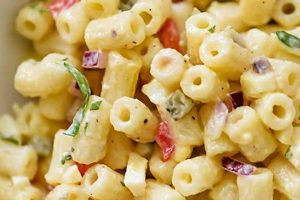
A method for preparing a chilled salad featuring chopped hard-boiled eggs bound with a creamy dressing typically includes Greek yogurt as a healthier alternative to traditional mayonnaise. Variations often incorporate seasonings like mustard, dill, paprika, and chives, along with textural elements such as celery, red onion, or relish. An example would be combining six chopped hard-boiled eggs with a half-cup of plain Greek yogurt, a tablespoon of Dijon mustard, and chopped fresh dill, seasoned with salt and pepper to taste.
Using Greek yogurt offers a higher protein, lower fat, and more tangy flavor profile compared to mayonnaise-based versions. This substitution contributes to a nutritionally advantageous dish suitable for those seeking healthier options without sacrificing flavor or satisfaction. Historically, egg salad recipes have evolved from elaborate presentations in Victorian-era cookbooks to the simpler, more practical versions common today. The incorporation of Greek yogurt represents a relatively recent adaptation reflecting contemporary health-conscious trends.
This discussion will further explore variations on this theme, including specific ingredient combinations, nutritional information, and tips for preparation and storage.
Tips for Preparing Egg Salad with Greek Yogurt
Optimizing egg salad preparation with Greek yogurt involves attention to detail in ingredient selection and technique. The following tips ensure a flavorful and satisfying culinary experience.
Tip 1: Perfect Hard-Boiled Eggs: Achieving the ideal hard-boiled egg texture simplifies chopping and enhances the overall salad consistency. Adding a teaspoon of baking soda to the boiling water promotes easier shell removal.
Tip 2: Greek Yogurt Selection: Plain, non-fat Greek yogurt provides a tangy base. For a richer flavor, full-fat Greek yogurt can be used, though this will increase the calorie content.
Tip 3: Enhancing Flavor: Dijon mustard adds depth, while fresh herbs like dill or chives contribute brightness. Experimenting with spices such as paprika or cayenne pepper introduces complexity.
Tip 4: Texture and Crunch: Finely diced celery or red onion offer satisfying textural contrast. Chopped pickles or relish introduce a sweet and tangy element.
Tip 5: Seasoning Balance: Salt and freshly ground black pepper are essential. Start with a small amount and adjust to taste, avoiding over-seasoning.
Tip 6: Chilling for Optimal Flavor: Allowing the egg salad to chill in the refrigerator for at least 30 minutes allows the flavors to meld, resulting in a more cohesive and enjoyable experience.
Tip 7: Storage: Store leftover egg salad in an airtight container in the refrigerator for up to three days. Consume within this timeframe for optimal quality and food safety.
Employing these techniques allows for a consistently delicious and healthy egg salad. Attention to these details elevates the dish from simple to exceptional.
By focusing on these core elements, one can create a versatile and satisfying dish suitable for various occasions.
1. Ingredients
Ingredient selection significantly influences the flavor profile, nutritional content, and overall quality of egg salad prepared with Greek yogurt. Careful consideration of each component contributes to a well-balanced and palatable final product. The following facets highlight key ingredient categories and their impact.
- Eggs:
Hard-boiled eggs form the foundation of this dish. Farm-fresh eggs generally offer richer flavor and deeper yolk color. The cooking process influences texture; overcooked eggs can become rubbery. Proper cooling prevents the yolks from developing a greenish tinge, maintaining an appealing aesthetic.
- Greek Yogurt:
Plain, non-fat Greek yogurt provides a tangy, high-protein base. Full-fat versions offer creaminess but increase caloric content. Choosing a high-quality yogurt without excessive additives enhances the overall flavor profile.
- Seasonings:
Seasonings define the character of the egg salad. Dijon mustard provides sharpness, while fresh herbs like dill or chives contribute brightness. Spices, such as paprika, cayenne pepper, or celery seed, offer further complexity. Salt and black pepper are essential for balancing flavors.
- Textural Elements:
Incorporating ingredients like finely diced celery, red onion, or chopped pickles provides textural contrast. Water chestnuts or chopped apples can introduce alternative crispness. The quantity of these additions influences the overall salad consistency.
The interplay of these ingredient categories determines the final character of the egg salad. A judicious balance of flavors and textures, achieved through careful ingredient selection and preparation, contributes to a more satisfying culinary experience.
2. Proportions
Achieving a desirable consistency and flavor balance in egg salad hinges significantly on the proportions of its core components: eggs, Greek yogurt, and seasonings. The ratio of these ingredients influences not only the texturefrom creamy to chunkybut also the overall taste experience. Too much Greek yogurt can result in a runny salad lacking distinct egg flavor, while too little may yield a dry, dense mixture. Similarly, the quantity of seasonings directly impacts the final taste profile. A balanced approach ensures the tanginess of the yogurt complements the richness of the eggs, while seasonings enhance without overpowering.
Consider a standard recipe utilizing six large hard-boiled eggs. A balanced proportion might involve cup of plain Greek yogurt. This ratio typically results in a creamy, yet not overly loose, consistency. Adjusting the amount of yogurt upward or downward allows for customization based on preferred texture. Seasonings, such as one tablespoon of Dijon mustard, one tablespoon of chopped fresh dill, and salt and pepper to taste, provide a foundational flavor profile. Again, these quantities can be adjusted to suit individual preferences, but maintaining balance remains crucial. For example, doubling the mustard while keeping other ingredient quantities constant would create a significantly more pungent salad.
Understanding the interplay of these proportions allows for predictable control over the final product. A recipe serves as a guideline, but recognizing the impact of proportional adjustments empowers culinary adaptation based on desired outcomes. Whether aiming for a lighter, tangier salad or a richer, more savory version, careful consideration of proportions allows for consistent results. This principle extends beyond basic recipes, enabling the development of variations incorporating additional ingredients while maintaining textural and flavor integrity.
3. Preparation Method
Preparation method significantly influences the final quality and sensory experience of egg salad made with Greek yogurt. Methodical approaches ensure consistent results, impacting texture, flavor integration, and overall palatability. The process encompasses several crucial stages, each contributing to the desired outcome.
Egg Cooking and Cooling: Achieving properly cooked, easily peeled hard-boiled eggs is foundational. Overcooking results in dry, crumbly yolks and a rubbery texture. A gentle simmer, rather than a rolling boil, promotes even cooking. Rapid cooling in ice water prevents the formation of a greenish ring around the yolk, preserving both aesthetic appeal and flavor. Gentle handling during peeling minimizes breakage, contributing to a more visually appealing salad.
Chopping Technique: Consistent chop size ensures even distribution of egg throughout the salad and facilitates binding with the yogurt. A coarse chop creates a chunkier texture, while a finer chop results in a smoother, more spreadable consistency. Using a sharp knife minimizes crushing, preserving the integrity of the egg whites and yolks.
Ingredient Incorporation: Gradual addition of the Greek yogurt and seasonings allows for even distribution and prevents overmixing. Overmixing can lead to a denser, less desirable texture. Gentle folding ensures the ingredients combine without excessive force, maintaining the lightness of the yogurt and preventing the salad from becoming overly compacted.
Chilling and Resting: Chilling the prepared egg salad allows flavors to meld and enhances overall cohesion. A minimum of 30 minutes in the refrigerator allows the ingredients to fully integrate, resulting in a more harmonious flavor profile. This chilling period also firms the salad, improving its texture and making it easier to handle for serving.
Mastering these stages ensures consistent, high-quality egg salad with Greek yogurt. Attention to detail throughout the preparation process elevates the final product from simple to exceptional. Understanding the cause-and-effect relationship between method and outcome empowers culinary control, allowing for predictable results and adaptation based on individual preferences.
4. Flavor Balancing

Flavor balancing is paramount in a successful egg salad recipe featuring Greek yogurt. The inherent tanginess of Greek yogurt necessitates careful consideration of complementary and contrasting flavors to achieve a harmonious and palatable final product. A balanced flavor profile elevates the dish beyond simple functionality, creating a more nuanced and enjoyable culinary experience. The following facets explore key components of flavor balancing within this specific context.
- Tanginess and Richness
The inherent tang of Greek yogurt provides a refreshing counterpoint to the richness of hard-boiled eggs. This interplay forms the foundational flavor dynamic. The proportion of yogurt to eggs influences the overall balance; more yogurt emphasizes tanginess, while a higher egg ratio accentuates richness. Lemon juice can further amplify the tangy notes, while a touch of cream or milk can enhance richness if desired. Striking the right balance between these opposing characteristics is essential for a well-rounded flavor profile.
- Seasoning Complexity
Seasonings add depth and complexity beyond the foundational tanginess and richness. Dijon mustard contributes sharpness, balancing the creamy elements. Fresh herbs, such as dill, chives, or parsley, introduce bright, herbaceous notes. Spices like paprika, cayenne pepper, or celery seed offer warm, earthy undertones. Each seasoning plays a specific role, and their combined effect creates a layered and nuanced flavor experience. Careful consideration of these additions prevents any single flavor from dominating.
- Textural Influence on Flavor Perception
Textural elements contribute indirectly to flavor perception. Crunchy components like finely diced celery or red onion offer a contrasting textural experience, enhancing the overall enjoyment. The crispness of these additions provides a refreshing counterpoint to the creamy base, indirectly influencing how the flavors are perceived. Chopped pickles or relish introduce a sweet and tangy element, further enriching the flavor profile through textural variation.
- Salt and Pepper as Foundation
Salt and freshly ground black pepper serve as the foundational seasoning elements. Salt enhances existing flavors, while pepper adds a subtle bite. Proper seasoning elevates the overall taste profile without overpowering other ingredients. Starting with a small amount and adjusting to taste ensures the balance remains intact, allowing the other flavor components to shine through.
Harmonizing these facets of flavor balancing is crucial for a well-executed egg salad featuring Greek yogurt. The interplay of tanginess, richness, seasoning complexity, textural influence, and foundational seasoning creates a multi-dimensional flavor experience. Ignoring these principles can result in a one-dimensional or unbalanced dish. Careful consideration of each element ensures a flavorful and satisfying outcome, maximizing the potential of this versatile recipe.
5. Nutritional Value

Nutritional value represents a significant consideration within the context of egg salad prepared with Greek yogurt. This approach offers a healthier alternative to traditional mayonnaise-based recipes, impacting macronutrient composition and overall dietary contribution. Understanding these nutritional implications allows for informed dietary choices and recipe modifications catering to specific health goals.
- Protein Content
Eggs and Greek yogurt are both excellent sources of protein, contributing to satiety and supporting muscle maintenance and growth. A typical serving of egg salad made with Greek yogurt provides a substantial amount of protein, making it a satisfying and nutrient-dense meal or snack option. This high protein content can be particularly beneficial for individuals following higher-protein diets for weight management or athletic performance.
- Fat Content and Profile
Substituting Greek yogurt for mayonnaise significantly reduces the overall fat content and alters the fatty acid profile. Greek yogurt contains less saturated fat compared to mayonnaise, promoting cardiovascular health. Choosing non-fat Greek yogurt further minimizes fat content without compromising protein levels. This reduction in fat, particularly saturated fat, makes this version a healthier choice for those monitoring their lipid intake.
- Carbohydrate Content
Egg salad with Greek yogurt is relatively low in carbohydrates, particularly when compared to versions containing added sugars or high-carbohydrate ingredients like sweet pickle relish. This lower carbohydrate content makes it suitable for individuals following low-carbohydrate or ketogenic diets. Choosing low-carbohydrate add-ins, such as non-starchy vegetables, further minimizes carbohydrate intake.
- Micronutrient Contributions
Eggs provide essential micronutrients, including choline, vitamin D, and vitamin B12. Greek yogurt contributes calcium and other minerals. While the specific micronutrient profile varies depending on the chosen ingredients, the combination of eggs and Greek yogurt offers a nutritionally valuable base. Adding ingredients like chopped vegetables further enhances the micronutrient density of the salad.
The nutritional profile of egg salad prepared with Greek yogurt positions it as a healthful option within a balanced diet. The combination of high protein, lower fat, and valuable micronutrients contributes to overall well-being. Understanding these nutritional components allows for informed dietary choices and recipe adaptations tailored to individual needs and preferences. This information empowers individuals to maximize the nutritional benefits of this versatile and delicious dish.
6. Serving Suggestions

Serving suggestions enhance the versatility and enjoyment of egg salad prepared with Greek yogurt, extending its culinary applications beyond a basic standalone dish. Consideration of serving methods impacts not only presentation but also the overall sensory experience. Appropriate pairings complement the flavor profile of the egg salad, while diverse applications broaden its integration into various meal contexts.
Classic Bread and Cracker Applications: Serving egg salad on bread or crackers provides a familiar and convenient platform. Whole-grain bread offers added nutritional value and textural contrast. Crackers, particularly seeded or whole-wheat varieties, provide a crisp, savory base. Open-faced sandwiches or tea sandwiches offer elegant presentation options. Miniature phyllo cups or endive leaves can be used for individual portions, enhancing visual appeal.
Salad Enhancements: Egg salad can elevate simple green salads, adding protein and flavor complexity. A dollop of egg salad atop mixed greens, tomatoes, and cucumbers creates a satisfying and nutrient-rich meal. Incorporating the egg salad into lettuce wraps provides a low-carbohydrate alternative. The creamy texture of the egg salad complements the crispness of the lettuce, creating a textural interplay that enhances the overall dining experience.
Vegetable Integration: Serving egg salad alongside fresh vegetables, such as sliced bell peppers, carrots, or cherry tomatoes, provides a refreshing counterpoint to the richness of the salad. The vibrant colors of the vegetables enhance visual appeal, while their crisp texture complements the creamy consistency of the egg salad. This approach promotes balanced nutrition by incorporating additional vitamins and fiber.
Stuffed Avocado: Utilizing halved avocados as vessels for egg salad creates a visually appealing and nutritionally advantageous presentation. The creamy texture of the avocado complements the egg salad, while the healthy fats enhance flavor and contribute to satiety. This combination offers a balanced and flavorful meal option.
Effective serving suggestions transform a simple egg salad recipe with Greek yogurt into a versatile culinary component suitable for diverse occasions and dietary preferences. Thoughtful consideration of complementary flavors, textures, and presentations elevates the dining experience, demonstrating that even basic dishes can offer significant culinary potential.
Frequently Asked Questions
This section addresses common inquiries regarding the preparation and utilization of egg salad made with Greek yogurt. Clarification on these points aims to provide a comprehensive understanding of this versatile dish.
Question 1: Can low-fat Greek yogurt be substituted for regular Greek yogurt?
Low-fat Greek yogurt can be substituted for regular Greek yogurt, resulting in a lower-fat, lower-calorie version. This substitution may slightly alter the texture, potentially yielding a less creamy consistency. Adjusting the quantity of yogurt or incorporating a small amount of olive oil can compensate for this difference if desired.
Question 2: How long can egg salad with Greek yogurt be stored safely?
Egg salad with Greek yogurt should be stored in an airtight container in the refrigerator for no more than three days. Beyond this timeframe, the risk of bacterial growth increases, potentially compromising food safety.
Question 3: What can be used as alternatives to Dijon mustard?
Alternatives to Dijon mustard include yellow mustard, stone-ground mustard, or horseradish. These options offer varying levels of pungency and flavor complexity. Experimentation with different mustards allows for customization of the overall flavor profile.
Question 4: Can other herbs be used besides dill or chives?
Other herbs, such as parsley, tarragon, or chervil, can be incorporated in place of or in addition to dill and chives. Each herb offers a unique flavor profile, allowing for customization based on individual preferences. Fresh herbs generally provide the most vibrant flavor.
Question 5: How can the texture of the egg salad be adjusted?
Texture can be adjusted by modifying the chopping technique for the hard-boiled eggs. A coarser chop yields a chunkier salad, while a finer chop creates a smoother consistency. The quantity of Greek yogurt also influences texture; less yogurt results in a denser salad, while more yogurt creates a creamier texture.
Question 6: Can this egg salad be frozen?
Freezing egg salad with Greek yogurt is not recommended. Freezing negatively impacts the texture of both the eggs and the yogurt, resulting in a watery and less palatable product upon thawing. It is best to prepare and consume the egg salad within the recommended refrigeration timeframe.
Addressing these frequently asked questions provides a comprehensive understanding of preparing and utilizing egg salad made with Greek yogurt. This information empowers culinary exploration and ensures optimal results.
The following section offers a selection of recipe variations, expanding on the core concepts discussed thus far.
Conclusion
Exploration of egg salad prepared with Greek yogurt reveals a versatile and nutritionally advantageous dish. Methodical preparation, emphasizing ingredient quality, proportional balance, and mindful flavor combinations, yields optimal results. From classic presentations to innovative applications, this adaptable recipe offers culinary potential beyond basic expectations. Understanding the interplay of core componentseggs, Greek yogurt, and seasoningsempowers customization based on individual preferences and dietary considerations. Nutritional analysis highlights the benefits of this approach, emphasizing higher protein content, reduced fat, and the inclusion of essential vitamins and minerals. Frequently addressed questions clarify preparation techniques, storage guidelines, and potential ingredient substitutions, ensuring consistent, high-quality outcomes.
Egg salad with Greek yogurt represents a contemporary adaptation of a classic dish, reflecting evolving culinary trends and health-conscious priorities. Continued exploration of flavor profiles and serving variations promises further expansion of its culinary potential. This adaptable recipe invites experimentation and personalization, offering a canvas for culinary creativity while maintaining a focus on nutritional value and balanced flavor.