A refreshing summer dish combines the sweetness of watermelon with the salty, tangy flavor of feta cheese. Often, this simple combination is enhanced with fresh herbs such as mint or basil, and a light vinaigrette dressing, sometimes with a touch of acidity from ingredients like lime juice or red wine vinegar. Variations can include additions like red onion, cucumber, or other seasonal produce.
This dish offers a delightful contrast in textures and flavors, balancing the juicy watermelon with the creamy feta. The inherent simplicity allows for quick preparation, making it ideal for warm-weather gatherings or a light lunch. Its vibrant colors and fresh ingredients also contribute to its appeal, aligning with contemporary culinary trends that emphasize healthy and visually appealing meals. The combination has gained popularity due to its versatility and the increasing appreciation for sweet and savory flavor profiles.
This exploration will delve into specific variations of this popular dish, providing detailed instructions and highlighting the nuances of ingredient selection and preparation techniques.
Tips for a Perfect Watermelon and Feta Salad
Creating a harmonious balance of flavors and textures is key to a successful dish. These tips offer guidance on optimizing ingredient selection and preparation.
Tip 1: Watermelon Selection: Opt for a ripe, seedless watermelon. A deep red color and a hollow sound when tapped indicate ripeness. Refrigerating the watermelon enhances its refreshing quality.
Tip 2: Feta Choice: Authentic Greek feta, made from sheep’s milk, offers the most robust flavor. Crumbled feta is preferred for even distribution throughout the salad.
Tip 3: Herb Selection: Fresh mint and basil complement the sweetness of the watermelon and the saltiness of the feta. Other herbs, such as oregano or dill, can be used for variation.
Tip 4: Dressing: A simple vinaigrette of olive oil, lime or lemon juice, and a touch of honey or agave nectar enhances the flavors without overpowering them. A pinch of salt and freshly ground black pepper further elevates the taste.
Tip 5: Additional Ingredients: Thinly sliced red onion adds a subtle sharpness. Cucumber contributes a refreshing crunch. Toasted nuts, such as pistachios or pine nuts, provide textural contrast and complexity.
Tip 6: Timing: Prepare the salad close to serving time to prevent the watermelon from releasing excess water and diluting the flavors.
Tip 7: Presentation: Arrange the ingredients thoughtfully for an appealing visual presentation. A sprinkle of the chosen herbs and a drizzle of olive oil provide a finishing touch.
By following these tips, one can achieve optimal flavor and textural balance, resulting in a truly satisfying culinary experience.
These practical suggestions facilitate the creation of a dish that is both delicious and visually appealing, showcasing the harmonious blend of sweet, salty, and fresh flavors.
1. Fresh, Ripe Watermelon
Fresh, ripe watermelon serves as the foundational element of this salad, providing the dominant sweetness that balances the salty feta and other savory components. The watermelon’s inherent juiciness also contributes to the refreshing nature of the dish, especially crucial during warmer months. Using an underripe or overripe melon significantly impacts the overall experience. An underripe melon lacks the desired sweetness and can be watery, while an overripe melon becomes mealy and loses its structural integrity, detracting from the intended textural contrast. For instance, a salad prepared with a bland watermelon requires additional sweetening agents, potentially disrupting the balance of flavors. Conversely, using an overripe melon results in a less visually appealing and texturally unsatisfying dish.
Selecting a ripe watermelon requires careful observation. A deep red color, a hollow sound when tapped, and a slightly sweet aroma indicate optimal ripeness. The melon should feel heavy for its size, signifying high water content. Sourcing watermelon locally and in season often yields the best results in terms of flavor and ripeness. Practical applications of this understanding include inspecting watermelons at markets before purchase and storing cut watermelon properly to maintain freshness. Consider purchasing a whole watermelon and using the remaining portion for other culinary applications, minimizing food waste.
The quality of the watermelon directly influences the final product. Selecting a prime specimen ensures the desired sweetness, juiciness, and textural contribution. This careful selection translates to a more balanced and enjoyable culinary experience, highlighting the importance of sourcing high-quality ingredients. The fundamental understanding of ingredient selection empowers individuals to create dishes that optimize flavor and maximize culinary satisfaction. This approach also extends beyond this specific salad, emphasizing the broader importance of ingredient quality in any culinary endeavor.
2. High-quality feta cheese

High-quality feta cheese plays a crucial role in a successful watermelon salad, contributing a salty, tangy counterpoint to the watermelon’s sweetness. The creamy texture of feta also offers a textural contrast to the juicy watermelon. Authentic feta, traditionally made from sheep’s milk or a blend of sheep and goat’s milk, possesses a distinct flavor profile that enhances the overall complexity of the salad. Inferior feta cheeses, often made from cow’s milk, lack the characteristic tang and can be excessively salty, disrupting the delicate balance of flavors. For example, a salad made with a bland, rubbery feta diminishes the overall sensory experience, while a high-quality feta elevates the dish, creating a harmonious blend of flavors and textures.
The choice of feta influences not only the taste but also the overall composition of the salad. Feta made with sheep’s milk tends to be crumbly, distributing evenly throughout the salad and coating the watermelon pieces, ensuring each bite contains the perfect balance of sweet and salty. A denser, less crumbly feta may not integrate as well, resulting in uneven flavor distribution. Furthermore, the salt content in feta varies considerably. Using an excessively salty feta overwhelms the sweetness of the watermelon and other delicate flavors, while a feta with insufficient saltiness fails to provide the necessary contrast. Practical implications include seeking out feta packed in brine rather than dry-packed, as brine preserves freshness and optimal texture. Reading labels and understanding the milk source provides valuable insight into the potential flavor profile.
Selecting high-quality feta is essential for achieving the intended flavor profile and textural balance. This careful selection underscores the importance of ingredient quality in culinary pursuits. While seemingly a minor component, the feta contributes significantly to the overall culinary experience. Investing in high-quality feta, like prioritizing ripe watermelon, ultimately results in a more satisfying and flavorful salad. Understanding these nuances empowers individuals to create dishes that optimize flavor and maximize culinary satisfaction. This principle extends beyond the realm of watermelon salad, emphasizing the universal importance of ingredient selection in achieving culinary excellence.
3. Complementary Herbs

Fresh herbs contribute significantly to the overall sensory experience of a watermelon and feta salad. Their aromatic and flavor profiles complement the sweetness of the watermelon and the saltiness of the feta, creating a more complex and nuanced dish. Judicious herb selection elevates the salad from simple to sophisticated, adding layers of flavor and visual appeal. The choice of herbs can also reflect regional culinary traditions or personal preferences, allowing for customization and creativity.
- Mint:
Mint provides a refreshing coolness that balances the sweetness of the watermelon. Its bright, slightly peppery flavor enhances the other ingredients without overpowering them. For example, spearmint offers a classic pairing, while peppermint provides a more intense, invigorating note. In the context of the salad, mint adds a refreshing element that cleanses the palate after the richness of the feta. The interplay of cool mint and sweet watermelon creates a harmonious flavor combination.
- Basil:
Basil offers a slightly sweet, anise-like flavor that complements both the watermelon and the feta. Different varieties, such as sweet basil or Thai basil, offer unique nuances. Sweet basil provides a classic, slightly peppery flavor, while Thai basil introduces subtle licorice notes. Within the salad, basil adds a layer of complexity, enhancing the savory aspects of the feta. The interplay of sweet basil and salty feta creates a balanced and aromatic experience.
- Oregano:
Oregano, with its earthy, slightly bitter flavor, provides a robust counterpoint to the sweetness of the watermelon. This herb, commonly used in Mediterranean cuisine, adds a savory depth to the salad. Greek oregano offers a more pungent flavor, while Mexican oregano provides citrusy undertones. In the context of the salad, oregano introduces a savory element that complements the feta. Its assertive flavor balances the sweetness, creating a more complex flavor profile.
- Dill:
Dill offers a fresh, slightly tangy flavor that complements the feta. Its delicate, feathery fronds also add visual appeal. Fresh dill provides the most vibrant flavor, while dried dill can be used as a substitute. In the salad, dill enhances the salty, tangy notes of the feta, creating a cohesive flavor combination. The interplay of dill and feta adds a subtle brightness to the dish, balancing the sweetness of the watermelon.
The selected herbs contribute not only to the flavor profile but also to the overall sensory experience of the salad. Their aromas, textures, and visual appeal enhance the enjoyment of the dish. By understanding the interplay of these herbs with the other ingredients, individuals can create a watermelon and feta salad that is both refreshing and complex. The choice of herbs allows for personalization and culinary exploration, highlighting the versatility of this simple yet sophisticated dish. Further experimentation with less common herbs, such as marjoram or chives, can yield unique and exciting flavor combinations.
4. Balanced vinaigrette

A balanced vinaigrette is crucial in a watermelon and feta salad, providing acidity that enhances the sweetness of the watermelon and the saltiness of the feta. It acts as a unifying element, bringing the diverse flavors into harmony. An overly acidic vinaigrette overwhelms the delicate flavors of the watermelon and herbs, while a bland dressing fails to provide the necessary contrast. A well-executed vinaigrette enhances the overall sensory experience, creating a cohesive and satisfying dish. Consider a vinaigrette composed of extra virgin olive oil, fresh lime juice, a touch of honey, and a pinch of salt and pepper. This combination provides acidity, sweetness, and subtle savory notes that complement the primary ingredients.
The vinaigrette’s role extends beyond simply adding flavor. It also contributes to the texture of the salad. A light, emulsified vinaigrette coats the watermelon and feta evenly, ensuring each bite offers a balanced flavor profile. A heavy or poorly emulsified vinaigrette creates an uneven distribution of flavor and can make the salad soggy. For instance, a vinaigrette made with a low-quality oil can leave an unpleasant residue, detracting from the overall experience. Conversely, a vinaigrette made with high-quality extra virgin olive oil contributes a subtle fruity flavor and a pleasant mouthfeel. The practical application of this understanding includes whisking the vinaigrette ingredients vigorously to create a stable emulsion, ensuring even distribution throughout the salad. Adjusting the proportions of acid, oil, and sweetener allows for customization based on individual preferences and the specific characteristics of the watermelon and feta.
Careful consideration of the vinaigrette’s composition is essential for achieving the desired balance of flavors and textures. The vinaigrette should complement, not overpower, the primary ingredients. This understanding highlights the importance of considering each component’s contribution to the final product. The vinaigrette serves as a bridge, connecting the seemingly disparate flavors of watermelon and feta, creating a harmonious and refreshing culinary experience. Mastering the art of vinaigrette preparation elevates this simple salad to a new level of sophistication, demonstrating the significant impact of a seemingly minor element.
5. Optional additions
While watermelon and feta cheese form the core of this refreshing salad, optional additions offer opportunities to enhance flavor, texture, and visual appeal. These additions contribute complexity and personalize the dish according to individual preferences or available seasonal ingredients. Thoughtful selection and balanced incorporation of these components elevate the salad from simple to sophisticated.
- Red Onion:
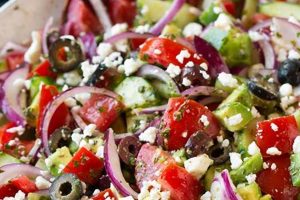
Thinly sliced red onion introduces a pungent sharpness that cuts through the sweetness of the watermelon and the richness of the feta. Its vibrant color also provides visual contrast. However, the strong flavor of red onion can be overpowering if used excessively. Soaking the sliced red onion in cold water for a few minutes mellows its sharpness. This addition provides a textural and flavor counterpoint, enhancing the overall balance of the salad. For instance, a salad with a mild feta benefits from the sharp bite of red onion, while a more pungent feta may require less.
- Cucumber:
Cucumber adds a refreshing crunch and a subtle, cooling flavor that complements the watermelon. Its high water content contributes to the salad’s hydrating quality, particularly appealing in warm weather. Different varieties, such as English cucumber or Persian cucumber, offer subtle variations in flavor and texture. English cucumbers, with their thin skin and mild flavor, integrate seamlessly. The cucumber’s neutral flavor profile prevents it from overpowering the other ingredients, maintaining a harmonious balance.
- Nuts:
Toasted nuts, such as pistachios, pine nuts, or slivered almonds, introduce a satisfying crunch and a rich, nutty flavor that complements the saltiness of the feta. They also contribute healthy fats and protein, enhancing the salad’s nutritional value. The choice of nuts influences the overall flavor profile. Pistachios offer a subtle sweetness, while pine nuts provide a delicate, buttery flavor. Toasted nuts provide optimal flavor and texture, enhancing the sensory experience.
- Olives:
Olives, particularly Kalamata olives, offer a salty, briny flavor that complements the feta. Their smooth texture and rich color also contribute to the salad’s visual appeal. The olive’s intense flavor should be used judiciously to avoid overpowering the other components. The choice of olives can also reflect regional culinary traditions. For instance, Castelvetrano olives offer a milder, buttery flavor compared to the more assertive Kalamata olives. This addition provides a salty, savory element, enhancing the overall complexity.
These optional additions, when used thoughtfully, enhance the complexity and enjoyment of the watermelon and feta salad. They provide opportunities for customization, allowing individuals to tailor the salad to their preferences and the availability of seasonal ingredients. The interplay of these additions with the core ingredients creates a dynamic and balanced culinary experience, showcasing the versatility of this simple yet sophisticated dish. Further experimentation with other ingredients, such as avocado or different types of cheese, can lead to unique and exciting flavor combinations. However, maintaining balance remains crucial; excessive additions can detract from the refreshing simplicity of the original concept.
Frequently Asked Questions
This section addresses common inquiries regarding the preparation and enjoyment of watermelon and feta salad, offering practical guidance for optimal results.
Question 1: Can other cheeses be substituted for feta?
While feta offers a unique flavor profile, other cheeses can be substituted. Goat cheese provides a similar tang, while halloumi offers a firm texture suitable for grilling. However, these substitutions alter the overall flavor profile, and adjustments to the vinaigrette may be necessary to maintain balance.
Question 2: How long can watermelon and feta salad be stored?
Storage beyond two hours is not recommended due to the watermelon’s high water content, which leads to textural degradation and flavor dilution. For optimal freshness and flavor, it’s best to consume the salad immediately after preparation.
Question 3: Can this salad be served as a main course?
While typically served as a side dish or appetizer, additions like grilled chicken or chickpeas can transform the salad into a light yet satisfying main course. These additions enhance the nutritional value and provide a more substantial meal.
Question 4: How can one prevent the salad from becoming watery?
Consuming the salad immediately after preparation minimizes wateriness. Alternatively, salting the watermelon chunks and allowing them to drain before combining with other ingredients reduces excess moisture. This process, however, may also reduce the watermelon’s sweetness.
Question 5: What type of oil is best suited for the vinaigrette?
Extra virgin olive oil offers a fruity flavor and complements the other ingredients. Other light oils, such as avocado or grapeseed oil, can also be used. Heavier oils, like coconut oil, are not recommended due to their strong flavors and tendency to solidify at cooler temperatures.
Question 6: Can this salad be adapted for different dietary restrictions?
The salad is naturally gluten-free and vegetarian. For vegan variations, omit the feta or substitute a vegan feta alternative. Adjustments to the vinaigrette or additions may be necessary to account for flavor differences.
Understanding these considerations allows for informed choices regarding ingredient selection, preparation methods, and serving suggestions, optimizing the enjoyment of this versatile and refreshing salad.
This concludes the frequently asked questions section. The following section offers a collection of curated recipes for further exploration.
Recipe Feta Watermelon Salad
This exploration has examined the multifaceted nature of the watermelon and feta salad, emphasizing the importance of ingredient quality and balanced flavor profiles. From the selection of a ripe watermelon to the nuanced contribution of fresh herbs and a well-executed vinaigrette, each component plays a crucial role in the final culinary experience. Optional additions, such as red onion, cucumber, or toasted nuts, offer opportunities for customization and enhanced complexity. Understanding the interplay of these elements allows for informed choices, optimizing flavor, texture, and overall enjoyment.
The seemingly simple combination of watermelon and feta cheese offers a canvas for culinary creativity. By appreciating the nuances of ingredient selection and preparation, individuals can elevate this refreshing salad to a sophisticated culinary expression. This understanding extends beyond the specific recipe, emphasizing the broader importance of mindful ingredient selection and balanced flavor composition in all culinary endeavors. Further exploration and experimentation with diverse ingredients and flavor combinations promise continued culinary discovery and enjoyment.