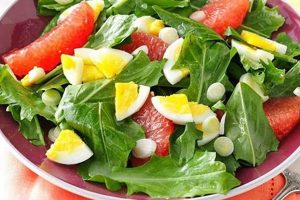
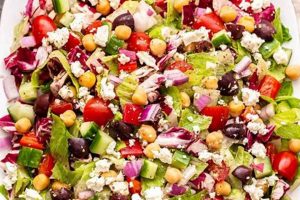
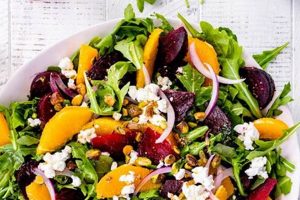
Exceptional salads move beyond basic lettuce and tomatoes, incorporating diverse ingredients and flavors. They might feature roasted vegetables, grilled proteins, interesting cheeses, nuts, seeds, and homemade dressings. A vibrant, balanced salad could include roasted sweet potatoes, chickpeas, crumbled feta, toasted pecans, and a lemon-tahini dressing.
Well-composed salads offer numerous nutritional benefits, providing essential vitamins, minerals, and fiber. They can contribute to improved digestion, increased energy levels, and overall well-being. Historically, salads have evolved from simple combinations of raw greens to complex culinary creations reflecting regional ingredients and cultural preferences. Their adaptability and potential for both health and enjoyment have solidified their place as a staple in cuisines worldwide.
This article will delve into the art of creating outstanding salads, exploring key elements such as ingredient selection, dressing preparation, and creative flavor combinations. From classic recipes to innovative approaches, readers will discover the secrets to elevating salads from simple side dishes to satisfying main courses.
Tips for Exceptional Salads
Creating a truly satisfying salad involves more than just tossing together a few ingredients. These tips offer guidance on constructing salads that are both flavorful and visually appealing.
Tip 1: Embrace Seasonal Produce: Selecting fruits and vegetables at their peak ripeness guarantees optimal flavor and nutritional value. A summer salad might showcase ripe tomatoes and cucumbers, while a fall salad could feature butternut squash and kale.
Tip 2: Vary Textures: Combining contrasting textures adds interest and complexity. Consider incorporating crunchy elements like nuts or seeds, creamy components such as avocado or cheese, and tender greens.
Tip 3: Explore Different Greens: Move beyond iceberg lettuce and experiment with a variety of greens, each offering unique flavors and nutrients. Spinach, arugula, romaine, and butter lettuce are excellent choices.
Tip 4: Balance Flavors: Strive for a harmonious balance of sweet, sour, salty, and bitter flavors. A citrus vinaigrette can brighten a salad with sweetness, while a sprinkle of feta cheese adds saltiness.
Tip 5: Dress Strategically: Add dressing just before serving to prevent the salad from becoming soggy. Toss gently to ensure even coating.
Tip 6: Don’t Overcrowd the Bowl: Allow ample space for tossing and mixing the ingredients. An overcrowded salad can be difficult to eat and may result in uneven dressing distribution.
Tip 7: Consider Adding Protein: Grilled chicken, fish, tofu, or legumes can transform a salad into a complete and satisfying meal.
By following these tips, one can elevate salads from simple side dishes to culinary masterpieces that delight the palate and nourish the body.
This exploration of salad creation provides a foundation for crafting flavorful and balanced meals. The subsequent sections will delve into specific recipe examples and further techniques.
1. Fresh, High-Quality Ingredients

The foundation of exceptional salads lies in the utilization of fresh, high-quality ingredients. Produce at its peak ripeness offers superior flavor and nutritional value, directly impacting the overall quality of the final dish. A salad composed of vibrant, crisp lettuce, ripe tomatoes bursting with flavor, and fragrant herbs elevates the sensory experience significantly. Conversely, wilted greens, mealy tomatoes, or bland herbs can detract from even the most thoughtfully crafted dressing or creative ingredient combinations. The difference is palpable, impacting not only taste but also the perceived freshness and overall enjoyment.
Consider the contrast between a salad made with freshly picked, locally sourced strawberries and one made with out-of-season berries shipped long distances. The locally sourced strawberries, at their peak ripeness, offer a sweetness and depth of flavor unmatched by their less vibrant counterparts. This principle applies across all salad components, from leafy greens to herbs, vegetables, fruits, nuts, and cheeses. Investing in the best quality ingredients available elevates a simple salad to a culinary experience. Practical applications of this understanding include seeking out farmers’ markets, prioritizing seasonal produce, and proper storage techniques to maintain freshness.
Ingredient quality directly correlates with salad satisfaction. While creative combinations and flavorful dressings contribute to a successful salad, they cannot compensate for subpar ingredients. Prioritizing freshness and quality ensures that the inherent flavors of each component shine through, resulting in a vibrant and satisfying culinary experience. Overlooking this fundamental aspect compromises the potential of even the most innovative salad recipes.
2. Balanced Flavor Profiles
Balanced flavor profiles are essential to crafting exceptional salads. A truly satisfying salad isn’t merely a collection of ingredients; it’s a harmonious blend of tastes where no single element overwhelms the others. This balance, achieved through careful consideration of contrasting and complementary flavors, elevates a salad from simple sustenance to a delightful culinary experience. The interplay of sweet, sour, salty, bitter, and umami elements creates depth and complexity, engaging the palate and enhancing enjoyment. A salad featuring peppery arugula, sweet roasted beets, tangy goat cheese, crunchy walnuts, and a slightly bitter lemon vinaigrette exemplifies this principle. Each ingredient contributes a distinct flavor note, yet none dominates, resulting in a balanced and satisfying whole.
The importance of balanced flavor profiles becomes evident when considering the consequences of imbalance. A salad overly reliant on sweetness can become cloying, while an excess of bitterness can be off-putting. Similarly, a salad lacking acidity might taste flat and uninspired. Understanding the interplay of these elements allows for intentional flavor combinations. For instance, the sweetness of dried cranberries can be balanced by the sharpness of crumbled blue cheese, while the richness of avocado can be offset by the bright acidity of a lime vinaigrette. Such deliberate pairings ensure that each bite offers a complex and harmonious flavor experience.
Achieving balanced flavor profiles requires careful planning and ingredient selection. Recipes often provide guidance, but experimentation is encouraged. Tasting and adjusting as one goes is crucial. Consider the target flavor profile and select ingredients that complement and contrast each other. Start with a base of greens, then incorporate elements representing different flavor categories. A touch of sweetness, a hint of acidity, a sprinkle of salt, a dash of bitterness, and perhaps a subtle umami note can transform a simple salad into a culinary masterpiece. Mastery of this principle allows for the creation of salads that are not only delicious but also offer a nuanced and satisfying culinary journey.
3. Variety of Textures

Textural diversity is a defining characteristic of exceptional salads. A compelling salad engages not only the palate but also the sense of touch. The interplay of contrasting texturescrispy, creamy, crunchy, chewyelevates a salad from mundane to memorable. A monotonous textural experience, regardless of flavor complexity, diminishes overall enjoyment. This section explores the crucial role texture plays in creating truly satisfying salads.
- Crispness
Crisp elements provide a refreshing counterpoint to other textures. Think of the satisfying snap of romaine lettuce, the crunch of a cucumber, or the juicy bite of a bell pepper. These elements contribute a vibrancy and lightness that enhance the overall salad experience. Without crisp components, a salad can feel heavy and less appealing. Incorporating a variety of crisp ingredients ensures a refreshing and dynamic textural profile.
- Creaminess
Creamy textures add richness and depth. Avocados, soft cheeses like goat cheese or feta, and creamy dressings contribute a luxurious mouthfeel that complements crisp and crunchy elements. The creaminess coats the palate, providing a satisfying contrast and enhancing the perception of flavor. The strategic inclusion of creamy components prevents a salad from feeling too austere or dry.
- Crunch
Crunchy elements, such as nuts, seeds, croutons, or toasted grains, offer a satisfying textural contrast. The audible crunch adds a dimension of enjoyment and provides a counterpoint to softer textures. This textural element introduces an element of surprise and excitement, keeping the palate engaged. Consider the addition of toasted almonds to a salad with spinach, strawberries, and fetathe crunch of the almonds elevates the overall experience.
- Chewiness
Chewy textures, often contributed by dried fruits, roasted vegetables, or cooked grains like quinoa or farro, add another layer of complexity. These elements provide a satisfying resistance to the bite, contrasting with the more immediate crisp or creamy components. The chewiness contributes a heartiness and substance that can make a salad more satisfying as a meal. For example, roasted sweet potatoes or dried cranberries introduce a pleasant chewiness that complements other textural elements.
The strategic combination of these textural elements elevates a salad from a simple assortment of ingredients to a dynamic and engaging culinary experience. A salad lacking textural variety, even with fresh ingredients and balanced flavors, can fall flat. By considering and incorporating a range of textures, one can create salads that are not only delicious but also offer a satisfying and multi-dimensional sensory experience.
4. Complementary Dressings
The role of dressings in elevating a salad from agreeable to exceptional cannot be overstated. A complementary dressing enhances the inherent flavors of the salad’s components without overpowering them. It acts as a unifying element, binding diverse ingredients together while contributing its own distinct character. A thoughtfully chosen dressing transforms a collection of individual ingredients into a cohesive and harmonious culinary creation. This section explores the essential facets of complementary dressings and their impact on overall salad quality.
- Flavor Pairing
Flavor pairing is paramount when selecting a dressing. The dressing should complement, not clash with, the salad’s ingredients. A light vinaigrette with citrus notes enhances a salad featuring delicate greens and fresh berries, while a creamy, herb-infused dressing complements roasted vegetables and grilled chicken. Mismatched pairings, such as a heavy, creamy dressing on a light, summery salad, can create an imbalance and detract from the overall experience. Careful consideration of flavor profiles ensures a harmonious and enjoyable result.
- Acidity Level
The acidity level of a dressing plays a critical role in balancing the flavors of a salad. Acidity provides brightness and cuts through richness, preventing the salad from feeling heavy or overly indulgent. A vinaigrette with a pronounced acidity complements a salad with creamy cheese or avocado, while a milder dressing might suit a salad with delicate greens and lighter ingredients. The acidity level should be adjusted to suit the overall composition of the salad, enhancing rather than overpowering the other flavors.
- Texture and Viscosity
The texture and viscosity of a dressing contribute to the overall sensory experience. A light, vinaigrette-style dressing coats the leaves evenly without weighing them down, while a thicker, creamier dressing clings to heartier ingredients like roasted vegetables or pasta. The choice depends on the composition of the salad and the desired outcome. A thin vinaigrette might get lost in a salad with robust ingredients, while a heavy dressing could overwhelm delicate greens. Careful consideration of texture and viscosity ensures a balanced and enjoyable eating experience.
- Ingredient Quality
The quality of ingredients used in the dressing directly impacts its flavor and overall effectiveness. Freshly squeezed citrus juice, high-quality oils, and fresh herbs elevate a dressing from ordinary to exceptional. Using inferior ingredients compromises the flavor profile and can detract from the overall salad experience. Just as with the salad ingredients themselves, prioritizing quality in the dressing components ensures optimal flavor and enhances the overall dish.
Complementary dressings are the crucial link between individual salad components and a cohesive, flavorful final product. By carefully considering flavor pairings, acidity levels, texture, and ingredient quality, one can create dressings that not only enhance the inherent flavors of the salad but also contribute their own unique character. This attention to detail elevates a salad from a simple collection of ingredients to a truly exceptional culinary creation.
5. Creative Ingredient Combinations

Creative ingredient combinations distinguish exceptional salads from the ordinary. While fresh produce and a complementary dressing form the foundation, innovative pairings elevate the salad experience, transforming a simple dish into a culinary exploration. The thoughtful juxtaposition of flavors, textures, and colors creates depth and complexity, engaging the palate and stimulating the senses. This creativity distinguishes a truly memorable salad from a forgettable one. Consider the unexpected harmony of roasted butternut squash, crumbled goat cheese, and toasted pecansthe sweetness of the squash complements the tangy cheese, while the pecans provide a satisfying crunch. Such combinations demonstrate the power of creative pairings to elevate a salad beyond the expected.
The impact of creative ingredient combinations extends beyond mere novelty. These combinations can introduce unexpected nutritional benefits and expand culinary horizons. Pairing kale with dried cranberries and slivered almonds, for example, not only offers a delightful mix of bitter, sweet, and crunchy but also introduces a boost of antioxidants and healthy fats. Similarly, combining grilled halloumi with watermelon and mint creates a refreshing and unexpected flavor profile while offering a source of protein and essential nutrients. These examples illustrate the potential of creative combinations to enhance both the nutritional value and the culinary appeal of a salad. Furthermore, such experimentation encourages exploration of diverse ingredients and flavor profiles, broadening culinary knowledge and fostering a deeper appreciation for the versatility of salads.
Mastering the art of creative ingredient combinations involves understanding flavor affinities and textural contrasts. While experimentation is encouraged, a foundational knowledge of which flavors and textures complement each other provides a starting point. Resources such as culinary guides, cookbooks, and online recipe databases offer inspiration and guidance. However, true mastery comes from hands-on experience, tasting, and adjusting. The ability to discern which flavors harmonize and which textures create a dynamic interplay is crucial for crafting truly exceptional salads. This understanding, coupled with a willingness to explore beyond the conventional, unlocks the potential to create salads that are not only delicious but also offer a unique and memorable culinary experience.
Frequently Asked Questions
This section addresses common inquiries regarding the creation of exceptional salads, providing concise and informative responses.
Question 1: How can one prevent a salad from becoming soggy?
Soggy salads often result from premature dressing application. Dress salads immediately before serving to maintain crispness. Alternatively, serve dressing on the side, allowing individuals to dress their own portions.
Question 2: What are some strategies for making salads more satisfying as a meal?
Incorporating protein and healthy fats transforms a salad from a side dish into a complete meal. Grilled chicken or fish, roasted tofu, beans, lentils, nuts, seeds, and avocado contribute satiety and nutritional value.
Question 3: Beyond lettuce, what other greens can be used as a base?
Numerous leafy greens offer diverse flavors and textures. Spinach, kale, arugula, romaine, butter lettuce, and watercress provide interesting alternatives to traditional lettuce.
Question 4: How can one ensure a balanced flavor profile in a salad?
Balancing sweet, sour, salty, bitter, and umami elements creates a complex and satisfying flavor profile. Consider incorporating ingredients representing each category a sweet fruit, a tangy dressing, salty cheese, slightly bitter greens, and umami-rich nuts or mushrooms.
Question 5: What are some effective ways to add texture to a salad?
Textural variety enhances the enjoyment of a salad. Incorporate crunchy elements like nuts, seeds, or croutons; creamy components such as avocado or cheese; and chewy elements like dried fruits or roasted vegetables.
Question 6: What are the benefits of using seasonal ingredients in salads?
Seasonal produce offers peak flavor and nutritional value. Prioritizing seasonal ingredients ensures optimal taste and supports local agriculture.
Understanding these fundamental principles allows for the creation of truly exceptional salads that offer both nutritional value and culinary delight.
The following section will offer specific recipe examples, showcasing these principles in practice.
Conclusion
Exceptional salads transcend basic greens and dressings, representing a culinary art form that balances flavor, texture, and visual appeal. This exploration has highlighted the significance of fresh, high-quality ingredients, balanced flavor profiles, diverse textures, complementary dressings, and creative ingredient combinations. Each element contributes to the overall dining experience, transforming a simple salad into a memorable culinary creation.
The potential of salads extends beyond basic sustenance. Thoughtful construction elevates salads to a culinary expression, showcasing seasonal ingredients and innovative pairings. Further exploration and experimentation with diverse ingredients and flavor profiles will undoubtedly continue to expand the boundaries of salad creation, offering endless possibilities for both nourishment and culinary delight.