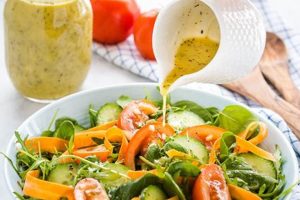
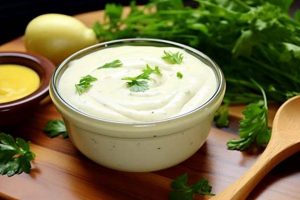
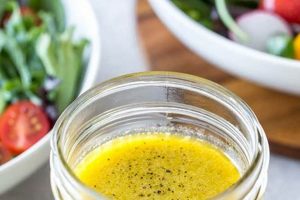
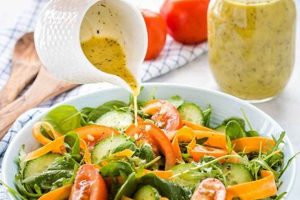
Dressings intended for salads consumed as part of a raw food diet are typically made from uncooked and unprocessed ingredients, such as fruits, vegetables, nuts, seeds, herbs, and cold-pressed oils. Examples include a simple blend of avocado, lime juice, and cilantro or a creamy cashew-based dressing flavored with lemon and dill. These preparations avoid heat processing, which proponents of raw food diets believe preserves enzymes and nutrients.
Unheated dressings maintain the integrity of fresh ingredients, offering vibrant flavors and potentially higher nutrient content. This approach aligns with the core principles of a raw food diet, which emphasizes consuming foods in their natural state to maximize potential health benefits. Historically, many cultures have utilized fresh, uncooked ingredients to enhance the flavor of raw vegetables and create flavorful accompaniments.
This article will explore various aspects of creating these vibrant and flavorful additions to raw salads, including specific ingredient combinations, techniques for achieving desired textures, and tips for storage and optimal freshness.
Tips for Creating Raw Salad Dressings
Crafting flavorful and nutritious raw salad dressings requires attention to ingredient selection, preparation techniques, and proper storage. The following tips offer guidance for maximizing both flavor and nutritional value.
Tip 1: Embrace Fresh, High-Quality Ingredients: Opt for organic produce whenever possible to minimize exposure to pesticides. Select ripe fruits and vegetables for optimal flavor and nutritional content.
Tip 2: Utilize Soaking and Sprouting: Soaking nuts and seeds before blending can improve digestibility and nutrient absorption. Sprouting further enhances their nutritional profile and adds a subtle crunch.
Tip 3: Explore Cold-Pressed Oils: These oils retain their natural flavors and nutrients due to the absence of heat in the extraction process. Consider options like flaxseed, olive, or avocado oil.
Tip 4: Experiment with Flavor Combinations: Combine different fruits, herbs, and spices to create unique and exciting flavor profiles. Balance sweet, sour, salty, and savory elements for a well-rounded taste.
Tip 5: Achieve Desired Consistency: Thicker dressings can be achieved by adding soaked nuts, seeds, or avocado. Thinner dressings can be created by incorporating more liquid, such as water or citrus juice.
Tip 6: Proper Storage for Maximum Freshness: Store dressings in airtight containers in the refrigerator to maintain optimal flavor and prevent spoilage. Consume within a few days for best quality.
Tip 7: Incorporate Fermented Ingredients: Small amounts of raw sauerkraut juice or other fermented liquids can add complexity and probiotics to dressings.
By following these tips, individuals can create delicious, nutrient-rich dressings that enhance the flavor and nutritional value of their raw salads. These techniques encourage creativity and customization while adhering to the principles of a raw food diet.
In conclusion, crafting raw salad dressings offers a path to vibrant flavors and potential health benefits by maximizing the nutritional potential of fresh, unprocessed ingredients.
1. Fresh, Unprocessed Ingredients
The foundation of any raw food diet salad dressing rests upon the selection and utilization of fresh, unprocessed ingredients. These ingredients provide the base flavors, textures, and nutritional value that define the dressing and align with the core principles of a raw food diet. Exploring the facets of these components reveals their importance in crafting successful raw dressings.
- Fruits and Vegetables:
Ripe fruits and vegetables offer a wide spectrum of flavors, from the sweetness of mangoes and berries to the tanginess of tomatoes and citrus fruits. They contribute essential vitamins, minerals, and antioxidants. In raw dressings, they can serve as the primary base, providing body, sweetness, and vibrant color. For instance, a ripe mango can be blended with lime juice and ginger to create a tropical-inspired dressing.
- Herbs and Spices:
Fresh herbs and spices introduce aromatic complexity and depth of flavor. Cilantro, parsley, mint, ginger, and garlic offer distinct flavor profiles and potential health benefits. They can be incorporated whole, chopped, or blended into the dressing, enhancing its overall character. A blend of fresh basil, oregano, and thyme can transform a simple olive oil and lemon juice dressing into a flavorful vinaigrette.
- Nuts and Seeds:
Soaked and sprouted nuts and seeds offer creaminess, texture, and healthy fats. Almonds, cashews, sunflower seeds, and flax seeds are excellent choices. Soaking aids digestibility and unlocks their nutritional potential. Blended cashews create a rich, dairy-free base for creamy dressings, while sunflower seeds add a nutty flavor and boost vitamin E content.
- Cold-Pressed Oils:
These oils, extracted without heat, retain their natural flavors and nutrients. Olive oil, flaxseed oil, and avocado oil provide healthy fats and contribute to the dressing’s texture and mouthfeel. The choice of oil can significantly influence the final flavor profile, with olive oil offering a robust flavor while flaxseed oil lends a slightly nutty taste.
The careful selection and combination of these fresh, unprocessed ingredients determine the final flavor, texture, and nutritional value of the raw salad dressing. By understanding the role of each component, individuals can create dressings that are not only delicious but also align with the health-conscious principles of a raw food diet.
2. Cold-Pressed Oils

Cold-pressed oils play a crucial role in raw food diet salad dressing recipes, aligning with the diet’s emphasis on unprocessed, nutrient-rich ingredients. Extracted without heat or chemical solvents, these oils retain delicate flavors, vibrant colors, and maximum nutritional value, making them ideal for raw culinary applications.
- Nutritional Integrity:
Cold-pressing preserves heat-sensitive vitamins, antioxidants, and essential fatty acids often degraded by conventional high-heat extraction methods. This preservation ensures that the oils contribute significantly to the nutritional profile of raw dressings. For example, cold-pressed flaxseed oil retains its omega-3 fatty acids, while extra virgin olive oil provides antioxidants. These nutrients support overall health and align with the raw food diet’s focus on maximizing nutrient intake.
- Flavor Profile Enhancement:
Cold-pressed oils possess distinct, delicate flavors that enhance the overall taste of raw dressings. The absence of heat exposure prevents the development of off-flavors, allowing the natural characteristics of the oil to shine through. Cold-pressed avocado oil imparts a buttery richness, while sesame oil offers a nutty complexity. These nuanced flavors add depth and complexity to raw dressings without overpowering the other fresh ingredients.
- Variety and Versatility:
A wide array of cold-pressed oils provides versatility in creating raw dressings. From the fruity notes of cold-pressed olive oil to the earthy undertones of hemp seed oil, each option offers unique characteristics. This variety allows for customization and experimentation, enabling individuals to create dressings that cater to specific taste preferences and complement diverse salad ingredients.
- Health Benefits and Synergy:
The combination of cold-pressed oils with other raw ingredients creates a synergistic effect, enhancing the overall health benefits of the dressing. The oils facilitate the absorption of fat-soluble vitamins present in the fresh produce, maximizing nutrient uptake. For example, a dressing containing cold-pressed flaxseed oil and chopped carrots enhances the body’s absorption of beta-carotene. This synergy is a key principle of raw food diets.
The inclusion of cold-pressed oils in raw food diet salad dressing recipes represents more than just a culinary choice; it signifies a commitment to preserving nutritional value and maximizing flavor complexity. These oils become integral components, contributing to the overall health benefits and sensory experience of a raw food diet.
3. Nuts and Seeds

Nuts and seeds constitute integral components within raw food diet salad dressing recipes, contributing significantly to texture, flavor, and nutritional density. Their incorporation aligns seamlessly with the principles of a raw food diet, emphasizing unprocessed, whole foods to maximize potential health benefits. Exploring the multifaceted roles of nuts and seeds in these dressings reveals their importance in creating flavorful and nutritious culinary experiences.
- Nutritional Powerhouses:
Nuts and seeds offer a rich array of vitamins, minerals, healthy fats, and antioxidants. Almonds provide vitamin E and magnesium, while chia seeds offer omega-3 fatty acids and fiber. These nutrients contribute to overall health and well-being, aligning with the raw food diet’s focus on nutrient-dense foods. Incorporating them into dressings enhances the nutritional value of salads significantly.
- Texture and Body Enhancement:
Nuts and seeds impart creaminess and body to raw dressings, transforming simple combinations into rich, satisfying emulsions. Soaked cashews create a velvety texture, while sunflower seeds add a subtle crunch. These textural variations enhance the sensory experience of consuming raw salads, offering diversity and complexity beyond basic oil and vinegar combinations.
- Flavor Enhancement and Diversity:
Nuts and seeds introduce diverse flavor profiles to raw dressings, ranging from the subtle sweetness of almonds to the earthy notes of hemp seeds. These flavors complement and enhance the other raw ingredients, creating a symphony of tastes. Toasted sesame seeds provide a nutty depth, while pumpkin seeds contribute a mild sweetness. This flavor diversity allows for endless customization and creative exploration in raw dressing preparation.
- Preparation and Incorporation:
Proper preparation optimizes the digestibility and nutritional availability of nuts and seeds. Soaking and sprouting are recommended techniques that neutralize enzyme inhibitors and increase nutrient absorption. Blending soaked nuts and seeds creates a creamy base for dressings, while incorporating them whole adds textural interest. Careful preparation enhances both the nutritional and culinary value of these ingredients in raw dressings.
The inclusion of nuts and seeds elevates raw food diet salad dressings from simple condiments to nutritional and flavorful components of a healthy meal. Their versatility, nutritional value, and textural contributions make them indispensable elements in the raw food culinary landscape, enhancing both the health benefits and the gustatory experience of raw salads.
4. Herbs and Spices

Herbs and spices play a pivotal role in raw food diet salad dressing recipes, elevating them beyond simple combinations of oil and acid. Their inclusion provides depth of flavor, aromatic complexity, and potential health benefits, aligning seamlessly with the raw food philosophy of maximizing nutritional value and utilizing unprocessed ingredients. The potent flavors derived from these botanical elements compensate for the absence of cooked ingredients, creating dressings that are both flavorful and health-promoting.
Fresh herbs, such as basil, mint, cilantro, and parsley, contribute vibrant green notes and distinct aromatic profiles. These flavors brighten and balance the richness of oils and the tanginess of citrus juices commonly used in raw dressings. Spices, including ginger, turmeric, cumin, and cinnamon, introduce warm, earthy, or pungent notes, further diversifying the flavor spectrum. A dressing featuring ginger and lime, for example, offers a zesty, invigorating counterpoint to a salad of mixed greens and vegetables. Similarly, a blend of cilantro, cumin, and lime creates a vibrant, Mexican-inspired flavor profile. These combinations demonstrate the power of herbs and spices to transform simple raw ingredients into complex culinary creations.
Beyond flavor enhancement, many herbs and spices possess inherent health-promoting properties. Turmeric boasts anti-inflammatory potential, while ginger aids digestion. Incorporating these elements into raw dressings not only elevates the taste but also contributes to the overall nutritional value of the meal. Furthermore, the use of fresh, unprocessed herbs and spices aligns perfectly with the raw food diet’s emphasis on minimizing processed ingredients and maximizing nutrient intake from whole foods. This understanding of the multifaceted roles of herbs and spices is essential for anyone seeking to create flavorful and health-enhancing raw salad dressings.
5. Citrus and Fruit Juices
Citrus and fruit juices serve as essential components in raw food diet salad dressing recipes, contributing acidity, sweetness, and vibrant flavors while adhering to the diet’s core principles. These juices provide a refreshing counterpoint to the richness of oils and the earthiness of nuts and seeds commonly used in such dressings. Their inclusion not only enhances flavor complexity but also contributes valuable nutrients and aligns with the raw food emphasis on unprocessed, whole-food ingredients.
- Acidity and Flavor Balance:
Citrus juices, notably lemon and lime, provide the necessary acidity to balance the flavors in raw dressings. This tartness cuts through the richness of oils and nuts, creating a harmonious flavor profile. The bright, acidic notes awaken the palate and complement the flavors of fresh vegetables and herbs. For instance, lemon juice brightens a creamy avocado dressing, while lime juice adds a zesty touch to a cilantro-based dressing. This balance is critical in raw preparations where cooked ingredients are absent.
- Sweetness and Complexity:
Fruit juices, such as apple, orange, or pineapple, introduce subtle sweetness and complexity to raw dressings. These natural sugars complement the savory notes of herbs and spices, adding depth and dimension. A touch of orange juice can enhance a carrot-ginger dressing, while pineapple juice lends a tropical twist to a cashew-based dressing. These nuances create a more sophisticated and well-rounded flavor profile than achieved with acidity alone.
- Nutritional Contributions:
Citrus and fruit juices contribute essential vitamins, minerals, and antioxidants to raw dressings. Orange juice provides vitamin C, while pomegranate juice offers antioxidants. These nutritional additions align seamlessly with the raw food diet’s focus on maximizing nutrient intake from unprocessed foods. The juices enhance not only the flavor but also the nutritional value of the salad and dressing combination.
- Enzyme Preservation:
Using raw, unpasteurized juices aligns with the raw food principle of preserving naturally occurring enzymes. Proponents of raw food diets believe these enzymes aid digestion and enhance nutrient absorption. Selecting fresh, unpasteurized juices whenever possible ensures these potential benefits are retained in the final dressing, maximizing the perceived health-promoting properties within the raw food framework.
The strategic incorporation of citrus and fruit juices forms a cornerstone of successful raw food diet salad dressing recipes. Their combined contributions of acidity, sweetness, nutritional value, and enzyme preservation elevate these dressings beyond simple condiments, transforming them into integral components of a vibrant, health-conscious culinary approach. The careful selection and balance of these juices are crucial for achieving optimal flavor and nutritional synergy within the raw food context.
6. Blending Techniques

Blending techniques are pivotal in crafting successful raw food diet salad dressings, impacting both texture and nutrient bioavailability. Different approaches yield distinct results, influencing the final consistency, flavor release, and even the perceived nutritional value of the dressing. Understanding these nuances allows for greater control over the final product and its compatibility with the principles of a raw food diet.
High-speed blenders create completely smooth dressings, ideal for creamy textures achieved with soaked nuts and seeds. This process effectively breaks down cell walls, potentially increasing nutrient availability. A high-speed blender is essential for creating a smooth, cashew-based dressing, ensuring the nuts are fully pulverized into a creamy emulsion. Conversely, a lower-speed blender or food processor can create chunkier dressings, retaining some texture from ingredients like chopped herbs or vegetables. This approach offers a different textural experience and may be preferred for dressings incorporating ingredients like chopped dates or coarsely ground nuts. For example, a dressing containing chopped cilantro and walnuts benefits from a gentler blending approach to maintain some textural contrast. Simple whisking can suffice for dressings primarily composed of liquids, such as citrus juice and oil, maintaining a light, vinaigrette-like consistency.
The choice of blending technique should align with the desired outcome and the specific ingredients used. High-speed blending maximizes smoothness and potential nutrient release, while lower-speed methods or hand-whisking preserve texture and offer varying degrees of control. Selecting the appropriate technique is crucial for maximizing both the flavor and nutritional benefits of raw food diet salad dressings and achieving the desired consistency. Careful consideration of blending technique contributes significantly to a successful and satisfying raw culinary experience.
7. Proper Storage
Proper storage is crucial for maintaining the quality, flavor, and nutritional integrity of raw food diet salad dressings. Because these dressings utilize fresh, unprocessed ingredients and avoid heat treatment or preservatives, they are more susceptible to spoilage and oxidation than commercially produced dressings. Proper storage techniques mitigate these risks, ensuring the dressings remain vibrant, flavorful, and safe for consumption. Neglecting proper storage can lead to enzymatic degradation, oxidation of oils, and the proliferation of microorganisms, diminishing the quality and potentially posing health risks. For example, a raw dressing containing avocado, if improperly stored, can oxidize quickly, resulting in browning and off-flavors. Similarly, dressings containing sprouted seeds are particularly prone to spoilage if left at room temperature.
Airtight containers are essential for preserving freshness. Exposure to air accelerates oxidation, especially in dressings containing oils rich in unsaturated fats. Storing dressings in sealed glass containers minimizes this risk and helps maintain the vibrant flavors of fresh herbs and spices. Refrigeration is equally critical. Low temperatures slow down enzymatic activity and microbial growth, significantly extending the shelf life of raw dressings. Ideally, raw dressings should be consumed within a few days of preparation to maximize their freshness and nutritional value. Labeling containers with preparation dates facilitates proper rotation and minimizes the risk of consuming spoiled dressings. Certain ingredients, like those containing high water content, may freeze poorly, leading to textural changes upon thawing. Therefore, awareness of ingredient-specific storage requirements is essential.
Proper storage practices are integral to maximizing the benefits and enjoyment of raw food diet salad dressings. These practices safeguard the nutritional value, preserve the vibrant flavors, and ensure the safety of these delicate culinary creations. By understanding and implementing these storage guidelines, individuals can fully appreciate the intended health benefits and sensory experience of incorporating raw dressings into their diets. Diligence in this area ultimately contributes to the overall success and sustainability of a raw food approach.
Frequently Asked Questions
This section addresses common inquiries regarding the creation and utilization of raw food diet salad dressings.
Question 1: How long can raw salad dressings be stored?
Raw dressings typically last three to five days in the refrigerator when stored in airtight containers. Spoilage occurs more rapidly than with commercially produced dressings due to the absence of preservatives.
Question 2: Can these dressings be frozen?
Freezing is not generally recommended. The high water content of many ingredients can lead to undesirable textural changes upon thawing, compromising the dressing’s quality.
Question 3: Are raw dressings suitable for all types of salads?
Their versatility allows compatibility with various salads. Flavor profiles can be tailored to complement specific greens, vegetables, or fruits incorporated into the salad composition.
Question 4: What are the primary benefits of consuming raw dressings?
Potential benefits include increased intake of enzymes, vitamins, and minerals due to the avoidance of heat, which can degrade these nutrients in processed foods.
Question 5: How can one achieve a creamy texture without dairy?
Soaking nuts, particularly cashews, then blending them creates a smooth, creamy base for raw dressings. Avocado also serves as an excellent dairy-free alternative for creaminess.
Question 6: Where can one find additional raw dressing recipes?
Numerous online resources, cookbooks, and raw food communities offer a wide array of recipe ideas and variations catering to different dietary preferences and needs.
Careful consideration of these frequently asked questions provides a more complete understanding of raw food salad dressings and their role within a health-conscious dietary approach. Implementing the recommendations presented contributes to maximizing both the flavor and nutritional benefits derived from these culinary creations.
The following section delves further into specific recipe examples, demonstrating practical applications of the principles discussed thus far.
Raw Food Diet Salad Dressing Recipes
Exploration of raw food diet salad dressing recipes reveals a focus on fresh, unprocessed ingredients like cold-pressed oils, nuts, seeds, herbs, spices, and fruit juices. Blending techniques significantly influence texture, while proper storage preserves nutritional value and flavor. These dressings offer potential benefits through increased enzyme, vitamin, and mineral intake. Careful ingredient selection and preparation are crucial for maximizing flavor complexity and nutritional synergy within a raw food context.
Raw food diet salad dressing recipes represent a commitment to maximizing nutritional intake and culinary creativity within specific dietary parameters. Further exploration and experimentation within this culinary approach can yield diverse flavor profiles and potential health benefits. The integration of these dressings into a broader raw food lifestyle supports a holistic approach to health and well-being.