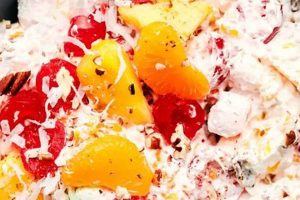
This layered dessert features a salty pretzel crust, a creamy, sweet cheesecake or cream cheese filling, and a topping of tart raspberry jello. Variations exist, substituting different berries or incorporating fresh whipped cream, but the foundational elements remain consistent: a crunchy base, a sweet middle layer, and a fruity top layer. This combination of textures and flavors creates a unique and satisfying dish.
The dish’s popularity stems from its balance of sweet, salty, and tart elements, appealing to a broad range of palates. Its relative ease of preparation, requiring no baking, makes it a popular choice for potlucks, picnics, and holiday gatherings. The dessert likely originated in the mid-20th century in the United States, coinciding with the rise in popularity of convenience foods like pre-made jello and frozen whipped topping. Its simple assembly and adaptability have solidified its place as a classic dessert.
The following sections will explore variations on this beloved dessert, including ingredient substitutions, tips for achieving the perfect texture for each layer, and creative presentation ideas. Further exploration will cover its cultural significance and enduring appeal.
Tips for a Perfect Pretzel Crust, Creamy Filling, and Vibrant Topping
Achieving the ideal balance of textures and flavors requires attention to detail in each layer’s preparation. The following tips offer guidance for creating a successful dessert.
Tip 1: Crust Consistency: Finely crush pretzels for a compact crust or leave some larger pieces for added texture. Pulse in a food processor for optimal control.
Tip 2: Binding the Crust: Melted butter effectively binds the pretzel crumbs. Ensure the butter is completely melted and evenly distributed for a cohesive crust.
Tip 3: Pre-baking the Crust: Briefly pre-baking the crust enhances its stability and prevents a soggy bottom layer. Five to ten minutes at a low temperature is sufficient.
Tip 4: Cream Cheese Temperature: Softened cream cheese is crucial for a smooth, lump-free filling. Allow it to reach room temperature or soften it briefly in the microwave.
Tip 5: Whipped Topping Incorporation: Fold whipped topping into the cream cheese mixture gently to maintain its airiness and create a light, fluffy filling.
Tip 6: Jello Preparation: Dissolve the jello completely and allow it to cool slightly before pouring it over the filling. This prevents the filling from melting.
Tip 7: Chilling Time: Adequate chilling time is essential for the jello to set completely and the layers to meld. Refrigerate for at least four hours, or preferably overnight.
Adhering to these guidelines ensures a structurally sound dessert with a harmonious blend of flavors and textures. The result is a visually appealing and palate-pleasing treat.
By following these tips, one can confidently create a delightful dessert experience that will impress guests and satisfy any sweet craving.
1. Pretzel Crust

The pretzel crust forms the foundational layer of this dessert, providing a textural and flavorful counterpoint to the sweeter components. Its salty, crunchy characteristics are essential for the overall balance and appeal. Understanding its construction and contribution is key to appreciating the dessert’s unique profile.
- Flavor Contrast:
The saltiness of the pretzel crust offsets the sweetness of the cream cheese and raspberry layers. This interplay of flavors prevents the dessert from being overly sweet and adds complexity to each bite. The subtle saltiness enhances the perception of sweetness, creating a more dynamic sensory experience.
- Textural Variation:
The crust introduces a crucial textural element. Its crispness contrasts with the smooth, creamy filling and the jiggly jello topping. This variation in texture makes the dessert more engaging and prevents a monotonous mouthfeel. The degree of crushing influences the final texture, ranging from a fine, compact crust to one with larger, more discernible pretzel pieces.
- Structural Integrity:
The pretzel crust provides a stable base for the softer layers. A well-prepared crust holds its shape and prevents the dessert from collapsing. The melted butter acts as a binding agent, compacting the crumbs and creating a solid foundation. Pre-baking further enhances the crust’s stability.
- Ingredient Interaction:
The butter used to bind the pretzel crust contributes a rich flavor and aids in browning during pre-baking. The choice of pretzel type rods, twists, or mini pretzels can also influence the final flavor and texture. Unsalted pretzels allow for greater control over the overall saltiness of the dish.
The pretzel crust, therefore, is not merely a base, but an integral component contributing significantly to the dessert’s overall success. Its contrasting flavor, texture, and structural role are essential for the harmonious balance that defines this popular treat. Variations in preparation techniques can further enhance these attributes, allowing for customization and personalization of the dessert.
2. Cream Cheese Filling

The cream cheese filling serves as the intermediary layer in the raspberry pretzel salad recipe, providing a crucial bridge between the salty pretzel crust and the tart raspberry topping. Its smooth texture and sweet flavor profile are essential for balancing the contrasting elements of the dessert. Understanding the filling’s composition and function is key to appreciating its role in the overall sensory experience.
- Flavor Profile:
The tangy sweetness of cream cheese offers a necessary contrast to the saltiness of the pretzel base while complementing the fruity top layer. The cream cheese’s richness adds depth to the flavor profile, preventing the dessert from being one-dimensional. This balance is crucial for a harmonious taste experience.
- Textural Contrast:
The smooth, creamy texture of the filling provides a textural counterpoint to the crunchy pretzel crust and the jiggly jello topping. This variation in texture creates a more dynamic and enjoyable mouthfeel. The incorporation of whipped topping adds airiness, further enhancing this textural contrast.
- Binding Agent:
The cream cheese layer acts as an adhesive, binding the pretzel crust and the raspberry jello topping together. This ensures structural integrity and prevents the dessert from separating. The filling’s viscosity helps create a cohesive dessert that maintains its layered presentation.
- Ingredient Compatibility:
Cream cheese provides a neutral canvas for incorporating additional flavors, such as vanilla extract or sweeteners. Its mild flavor allows it to harmonize with a range of ingredients without overpowering the overall taste profile. This adaptability allows for customization and experimentation within the recipe.
The cream cheese filling is integral to the raspberry pretzel salad’s success. Its flavor profile, textural contrast, binding properties, and ingredient compatibility contribute significantly to the dessert’s overall balance and appeal. The careful preparation of this layer ensures a harmonious blend of textures and flavors, resulting in a delightful culinary experience.
3. Raspberry Jello Topping

The raspberry jello topping constitutes the final layer of the raspberry pretzel salad, contributing a vibrant color, a distinct flavor, and a unique texture. Its role extends beyond mere aesthetics, playing a crucial part in the dessert’s overall sensory experience. This section explores the multifaceted contribution of the raspberry jello topping to the complete dish.
- Flavor Profile:
The tartness of raspberry jello provides a refreshing counterpoint to the sweetness of the cream cheese filling and the saltiness of the pretzel crust. This balance of flavors prevents the dessert from being overly sweet and adds a layer of complexity. The intensity of the raspberry flavor can be adjusted by choosing different jello concentrations or incorporating fresh raspberries.
- Visual Appeal:
The vibrant red hue of the raspberry jello creates an eye-catching contrast against the creamy white filling and the light brown pretzel crust. This visual appeal enhances the dessert’s presentation, making it an attractive option for gatherings and celebrations. The glossy finish of the jello adds a touch of elegance.
- Textural Element:
The jiggly, gelatinous texture of the jello topping contrasts with the smooth cream cheese layer and the crunchy pretzel base. This interplay of textures adds another dimension to the eating experience, making each bite more interesting. The firmness of the jello depends on proper chilling and the correct jello-to-liquid ratio.
- Structural Role:
While not a primary structural component, the jello topping contributes to the dessert’s overall stability. It acts as a protective layer, shielding the cream cheese filling and preventing it from drying out. The jello also helps to maintain the distinct layers, preventing them from blurring together.
The raspberry jello topping is more than just a visually appealing finishing touch. Its flavor profile, textural contribution, and subtle structural role are integral to the raspberry pretzel salad’s overall success. This seemingly simple component adds significant depth and complexity, completing the harmonious blend of sweet, salty, and tart flavors that define this popular dessert. The careful selection and preparation of the jello ensure a balanced and satisfying culinary experience.
4. Sweet-Salty Balance

The interplay of sweet and salty flavors is a defining characteristic of the raspberry pretzel salad, contributing significantly to its widespread appeal. This balance is not merely a coincidental combination but a carefully orchestrated contrast that elevates the dessert beyond a simple sum of its parts. Understanding this dynamic is crucial for appreciating the complexity and nuance of this popular treat.
- Flavor Enhancement:
The saltiness of the pretzel crust amplifies the perception of sweetness in the cream cheese filling and the raspberry jello topping. This phenomenon, often observed in culinary contexts, demonstrates how contrasting flavors can enhance one another. The salty pretzels don’t merely counter the sweetness; they actively heighten it, creating a more pronounced and satisfying sweet flavor.
- Palate Cleansing:
The salty element acts as a palate cleanser, preventing the sweet components from becoming overwhelming. This periodic reset of the palate allows for a sustained enjoyment of the dessert without experiencing flavor fatigue. The contrasting saltiness refreshes the taste buds, preparing them for the next wave of sweetness.
- Textural Synergy:
The textural contrast between the crunchy, salty pretzels and the smooth, sweet components further contributes to the overall balance. This interplay of textures mirrors the interplay of flavors, creating a multi-sensory experience that is more engaging than a uniformly textured dessert. The contrasting textures amplify the perceived difference between the sweet and salty elements.
- Universal Appeal:
The sweet-salty combination appeals to a broader range of palates than either flavor profile alone. This balance caters to diverse taste preferences, contributing to the dessert’s popularity. The contrasting flavors offer something for everyone, ensuring a wider acceptance and appreciation.
The careful calibration of sweet and salty elements within the raspberry pretzel salad is essential to its success. This balance is not simply a matter of including both flavors; it involves a precise interplay that enhances each component, cleanses the palate, and contributes to a more satisfying and universally appealing dessert experience. This dynamic exemplifies the power of contrasting flavors in creating a truly exceptional culinary creation.
5. No-Bake Preparation

The no-bake nature of this dessert contributes significantly to its popularity and practicality. Eliminating the need for oven use simplifies the preparation process, making it accessible to a wider range of skill levels and kitchen setups. This characteristic also expands the occasions for which the dessert is suitable, particularly during warmer months when oven use is less desirable. The following facets explore the advantages and implications of the no-bake preparation method in the context of this specific recipe.
- Accessibility and Ease of Preparation:
The absence of baking simplifies the process, reducing the potential for errors and making it achievable for novice cooks. No specialized equipment or precise temperature control is required, increasing accessibility. This ease of preparation makes the dessert a convenient option for busy individuals or those with limited kitchen resources. The straightforward assembly process also makes it a suitable activity for involving children in the kitchen.
- Time Efficiency:
No-bake desserts often require less active preparation time than their baked counterparts. While chilling time is necessary for the dessert to set, the actual hands-on preparation is relatively quick. This time efficiency makes the dessert ideal for occasions when time is limited, such as last-minute gatherings or potlucks. The ability to prepare the dessert in advance further enhances its convenience.
- Seasonal Suitability:
Avoiding oven use is particularly appealing during warmer months when heating the kitchen is undesirable. This makes the raspberry pretzel salad a refreshing and practical dessert option for spring and summer gatherings. The cool, creamy, and fruity components are especially welcome in hot weather. The dessert’s portability also makes it suitable for picnics and outdoor events.
- Texture and Flavor Preservation:
The no-bake method preserves the delicate textures and flavors of the individual components. The pretzel crust retains its crispness, the cream cheese filling remains smooth, and the raspberry jello sets with a light, jiggly texture. Baking could alter these textures and potentially diminish the fresh flavors of the ingredients. The no-bake approach ensures that each component contributes its intended texture and flavor to the final product.
The no-bake aspect of the raspberry pretzel salad is integral to its identity and enduring popularity. This characteristic simplifies preparation, broadens its appeal, and enhances its suitability for various occasions and settings. The ease, efficiency, and flavor preservation afforded by the no-bake method contribute significantly to the dessert’s enduring status as a classic treat.
Frequently Asked Questions
This section addresses common inquiries regarding the preparation and variations of this layered dessert.
Question 1: Can different types of pretzels be used for the crust?
While traditional pretzel twists are commonly used, other varieties like rods, sticks, or mini pretzels can be substituted. Flavor variations, such as seasoned pretzels, should be considered for their potential impact on the overall taste profile. Unsalted pretzels offer greater control over sodium content.
Question 2: What can be used as a substitute for the cream cheese filling?
While cream cheese provides the classic flavor and texture, potential substitutes include Neufchtel cheese for a lower-fat option or mascarpone cheese for a richer flavor. These substitutions may slightly alter the overall taste and texture of the dessert.
Question 3: Can other flavors of jello be used besides raspberry?
Strawberry, cherry, or orange jello can be substituted for raspberry, offering different flavor profiles. Other berry flavors, such as blackberry or blueberry, also complement the pretzel and cream cheese layers. The color of the jello will, of course, affect the dessert’s visual presentation.
Question 4: How long can the dessert be stored?
Properly stored in an airtight container in the refrigerator, this dessert can typically last for up to three days. The crust may lose some crispness over time. Freezing is not recommended, as it can negatively impact the texture of the jello and cream cheese layers.
Question 5: Can this dessert be made ahead of time?
Preparing the dessert a day in advance is often beneficial, allowing the flavors to meld and the layers to fully set. This also reduces preparation time on the day of serving. Ensure the dessert remains refrigerated until serving.
Question 6: How can the sweetness of the dessert be adjusted?
The level of sweetness can be modified by adjusting the amount of sugar added to the cream cheese filling. Using sugar-free jello can also reduce the overall sugar content. Incorporating fresh, less sweet raspberries in the jello topping provides a tart counterpoint to the other components.
Understanding these commonly asked questions empowers one to confidently adapt the recipe to individual preferences and dietary needs while ensuring a successful and enjoyable dessert outcome.
The following section will delve into variations and adaptations of this classic recipe, further expanding the possibilities for customization and exploration.
Raspberry Pretzel Salad Recipe
This exploration has detailed the multifaceted nature of the raspberry pretzel salad recipe, highlighting its unique composition, construction, and enduring appeal. From the foundational pretzel crust to the vibrant raspberry jello topping, each element’s contribution to the dessert’s balanced flavor profile and contrasting textures has been examined. The interplay of sweet and salty, the convenience of no-bake preparation, and the adaptability of the recipe to individual preferences have been underscored. Addressing frequently asked questions provides further clarity and guidance for successful preparation and enjoyable consumption.
The enduring popularity of this dessert speaks to its ability to satisfy a range of palates and its adaptability to various occasions. Further experimentation with ingredient variations and presentation styles offers continued potential for culinary creativity. Ultimately, the raspberry pretzel salad recipe represents a harmonious fusion of contrasting elements, resulting in a dessert experience that transcends individual components to achieve a delightful and satisfying whole. Its continued presence in recipe collections and on tables across generations underscores its status as a timeless classic.