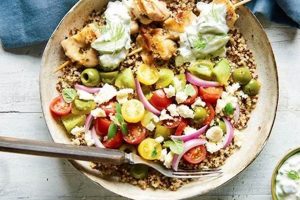
This dish typically involves a base of shredded cabbage and other vegetables, similar to a traditional coleslaw, but incorporates crispy ramen noodles for added texture and flavor. A vibrant dressing, often featuring Asian-inspired flavors like soy sauce, sesame oil, and rice vinegar, binds the ingredients together. Variations exist, with some recipes incorporating proteins like shredded chicken or edamame, and others emphasizing different vegetables or flavor profiles.
The appeal lies in the combination of contrasting textures crunchy vegetables, crispy noodles, and a flavorful dressing. It offers a refreshing and satisfying meal, often served as a light lunch, side dish, or potluck contribution. Relatively quick and easy to prepare, this dish provides an opportunity to utilize convenient pantry staples like instant ramen noodles in a creative and healthful manner. Its adaptability allows for customization based on dietary preferences and available ingredients.
Further exploration will delve into specific ingredient recommendations, step-by-step preparation instructions, and suggestions for variations and serving options.
Tips for a Successful Preparation
Achieving optimal results requires attention to several key aspects of preparation. The following tips offer guidance for enhancing flavor, texture, and overall presentation.
Tip 1: Noodle Preparation: Crushing the noodles while still in the package ensures consistent, bite-sized pieces. Briefly frying or baking the crushed noodles until golden brown maximizes their crispness. Avoid overcooking, which can lead to a tough texture.
Tip 2: Vegetable Selection: While cabbage forms the traditional base, consider incorporating other vegetables for added flavor and nutritional value. Carrots, shredded broccoli, bell peppers, and snap peas offer excellent complements.
Tip 3: Dressing Customization: The dressing provides an opportunity to personalize the dish. Adjusting the proportions of soy sauce, vinegar, and sesame oil allows for tailoring the level of sweetness, saltiness, and umami.
Tip 4: Ingredient Freshness: Utilizing fresh, high-quality ingredients elevates the final product. Opt for crisp, vibrant vegetables and ensure the ramen noodles are not stale.
Tip 5: Timing Considerations: To prevent the slaw from becoming soggy, add the dressing just before serving. This preserves the crunch of the vegetables and noodles.
Tip 6: Protein Enhancement: Consider incorporating a protein source to create a more substantial meal. Shredded cooked chicken, shrimp, or tofu complement the flavors and add nutritional value.
Tip 7: Garnish and Presentation: Enhance visual appeal and flavor by garnishing with sesame seeds, chopped green onions, or slivered almonds.
By following these recommendations, one can ensure a balanced flavor profile, satisfying texture, and visually appealing presentation.
These preparation tips provide a solid foundation for creating a delicious and satisfying culinary experience.
1. Crispy Noodles

Crispy noodles constitute a defining characteristic of this dish, contributing significantly to its textural complexity and overall appeal. Their preparation, distinct from the soft noodles used in traditional ramen soup, involves frying or baking until golden brown and brittle. This process transforms the noodles into a contrasting element against the fresh vegetables, creating a satisfying interplay of textures. The absence of crispy noodles would fundamentally alter the dish, resulting in a textural monotony and diminishing its distinctive character. For instance, substituting cooked ramen noodles would yield a softer, less dynamic salad experience, lacking the signature crunch. Conversely, incorporating alternative crispy elements, such as croutons or fried wonton strips, while offering a similar textural contrast, would shift the flavor profile away from the distinct taste associated with seasoned ramen noodles.
The crispness also plays a crucial role in the longevity of the salad. Unlike softer elements that might become soggy when combined with the dressing, the fried noodles retain their texture for a longer period, maintaining the desired balance even after being dressed. This characteristic makes the dish suitable for meal prepping or serving at potlucks, where it may not be consumed immediately after preparation. Furthermore, the flavor profile of the ramen noodles, often seasoned with a blend of spices and flavorings, enhances the overall taste of the salad. These seasonings complement the flavors of the dressing and vegetables, adding another layer of complexity to the dish. The specific seasonings can also influence the direction of the overall flavor profile; for example, using chili-lime flavored ramen noodles lends a spicy and tangy dimension to the salad.
The critical role of crispy noodles highlights the importance of proper preparation techniques. Overcooking can lead to a burnt, bitter flavor, while undercooking results in a chewy, less desirable texture. Achieving the ideal crispness requires careful attention to cooking time and temperature. This understanding underscores the interconnectedness of ingredient preparation and the final outcome, demonstrating how a seemingly simple component significantly impacts the overall culinary experience.
2. Fresh Vegetables
Fresh vegetables constitute the foundational element of a successful ramen slaw salad recipe, providing crucial textural and flavor dimensions. Their crispness offers a refreshing counterpoint to the crispy noodles and contributes a vibrant, satisfying mouthfeel. Beyond texture, fresh vegetables introduce a complex interplay of flavors, ranging from the subtly sweet notes of shredded carrots and the peppery bite of radishes to the mild earthiness of chopped cucumbers. This diversity of flavors elevates the salad beyond a simple combination of ingredients, transforming it into a multi-sensory experience. For instance, the inclusion of shredded Napa cabbage offers a delicate sweetness and a satisfying crunch, while the addition of thinly sliced red onion introduces a sharp, pungent note that balances the other flavors. The quality and freshness of these vegetables directly impact the overall quality of the dish; wilted or less-than-fresh produce can result in a lackluster salad lacking the desired vibrancy and crunch.
The choice of vegetables also influences the nutritional value of the salad. Incorporating a variety of colorful vegetables maximizes the intake of vitamins, minerals, and antioxidants. For example, adding shredded purple cabbage not only contributes a visually appealing element but also introduces anthocyanins, known for their antioxidant properties. Similarly, including bell peppers of different colors enhances the vitamin C content. This nutritional aspect allows the salad to function as more than just a light meal; it becomes a vehicle for delivering essential nutrients in an enjoyable and palatable format. Furthermore, the variability in vegetable choices allows for adaptability based on seasonal availability and personal preferences. Utilizing locally sourced, in-season vegetables not only supports sustainable agricultural practices but also guarantees optimal flavor and freshness.
The emphasis on fresh vegetables underscores the importance of proper handling and preparation. Washing and drying the vegetables thoroughly prevents contamination and ensures food safety. Proper storage techniques maintain their freshness and prevent premature wilting. Furthermore, appropriate cutting techniques, such as shredding or thinly slicing, optimize texture and ensure even distribution of flavors throughout the salad. This attention to detail, from sourcing to preparation, highlights the integral role fresh vegetables play in achieving a successful and satisfying culinary outcome. The careful selection and handling of these components ultimately determine the overall quality, flavor, and nutritional value of the ramen slaw salad, demonstrating the significant impact seemingly simple ingredients can have on a finished dish.
3. Vibrant Dressing

The vibrant dressing serves as the unifying element in a ramen slaw salad recipe, binding the diverse components and imparting a cohesive flavor profile. More than a simple condiment, the dressing elevates the dish, transforming individual ingredients into a harmonious whole. Its composition, texture, and flavor profile significantly influence the final culinary experience.
- Flavor Balancing:
The dressing balances the contrasting flavors within the salad. The interplay of sweet, sour, salty, and umami notes creates a complex and satisfying taste experience. For instance, a dressing featuring rice vinegar, soy sauce, sesame oil, and a touch of honey achieves this balance, complementing the subtle sweetness of the cabbage, the savory notes of the ramen noodles, and the potential additions of other vegetables or proteins. The careful calibration of these flavors prevents any single element from dominating, ensuring a harmonious blend.
- Texture Enhancement:
Beyond flavor, the dressing contributes to the textural experience. Its viscosity coats the ingredients, enhancing their mouthfeel and ensuring an even distribution of flavor. A slightly thicker dressing clings effectively to the noodles and vegetables, preventing them from drying out and maintaining their crispness. Conversely, a watery dressing might dilute the flavors and contribute to a soggy salad. The dressing’s texture thus plays a crucial role in maintaining the desired textural contrast between the crispy noodles and the fresh vegetables.
- Visual Appeal:
The dressing enhances the visual appeal of the salad. Its color and sheen contribute to the overall presentation, making the dish more enticing. A dressing with a vibrant hue, such as one incorporating ginger or chili flakes, adds a pop of color that contrasts with the greens and other colors of the vegetables. This visual element further enhances the dining experience, making the salad more appealing to the eye.
- Adaptability and Customization:
The adaptability of the dressing allows for customization based on individual preferences and dietary restrictions. Adjusting the ingredients or proportions allows for tailoring the flavor profile to suit specific tastes. For example, reducing the amount of sugar caters to those who prefer less sweetness, while substituting tamari for soy sauce accommodates gluten-free diets. This flexibility ensures the recipe remains versatile and accessible to a wide range of individuals, allowing for personalization without compromising the core elements of the dish.
These facets of the vibrant dressing demonstrate its pivotal role in the overall composition and enjoyment of the ramen slaw salad. The dressing’s contribution extends beyond mere flavor enhancement, impacting the texture, visual appeal, and adaptability of the dish. It acts as the linchpin, bringing together the disparate elements and transforming them into a cohesive and satisfying culinary experience.
4. Balanced Flavors

Balance constitutes a defining characteristic of a successful ramen slaw salad recipe. The dish thrives on the interplay of contrasting yet complementary flavors, creating a dynamic and satisfying sensory experience. This balance hinges on the careful orchestration of five fundamental tastes: salty, sweet, sour, bitter, and umami. The salty notes, often derived from soy sauce or tamari in the dressing, provide a foundational savory element. Sweetness, introduced through ingredients like sugar, honey, or mirin, tempers the saltiness and adds a dimension of complexity. Sourness, typically achieved through rice vinegar or lime juice, offers a bright, acidic counterpoint, cutting through the richness of the other components. While bitterness plays a less prominent role, it can be subtly introduced through toasted sesame seeds or certain types of greens, adding depth and preventing the flavors from becoming overly sweet. Umami, the savory, brothy depth often associated with seaweed, mushrooms, or fish sauce, rounds out the flavor profile, lending a satisfying richness.
Consider a dressing composed of soy sauce, rice vinegar, sesame oil, and a touch of honey. The soy sauce contributes saltiness and umami, the rice vinegar provides sourness, the sesame oil introduces a nutty richness, and the honey adds a touch of sweetness. This combination exemplifies flavor balance; no single taste dominates, allowing each to contribute to the overall profile. The interplay of these tastes creates a dynamic experience that engages the palate on multiple levels. Introducing shredded carrots and red cabbage enhances this balance; the carrots offer a subtle sweetness, while the red cabbage provides a slightly peppery, earthy note. Further incorporating toasted sesame seeds introduces a subtle bitterness and nutty aroma, amplifying the complexity of the flavors.
Achieving this balanced flavor profile requires not only careful ingredient selection but also precise proportioning. The relative amounts of each ingredient dictate the overall taste experience. Too much soy sauce can result in an overly salty salad, while an excess of sugar can make it cloyingly sweet. The goal is to create a harmonious blend where each flavor complements and enhances the others, resulting in a cohesive and satisfying whole. Mastering this balance elevates the ramen slaw salad from a simple combination of ingredients to a nuanced culinary creation that showcases the power of flavor synergy. This understanding of flavor balance allows for adaptability and creative exploration within the recipe framework, enabling the creation of variations tailored to individual preferences while maintaining the fundamental principle of a well-balanced and enjoyable culinary experience.
5. Creative Variations

The adaptability of the ramen slaw salad recipe provides a canvas for creative exploration, allowing for personalized variations while retaining the dish’s fundamental appeal. Exploring these variations demonstrates the recipe’s versatility and potential to cater to diverse tastes and dietary preferences. This section examines key facets of creative adaptation, highlighting the transformative impact of ingredient substitutions and additions.
- Protein Power-Ups
Integrating protein transforms the salad into a more substantial meal. Grilled chicken or shrimp offer familiar options, while tofu or edamame provide plant-based alternatives. For example, adding shredded rotisserie chicken creates a convenient and flavorful protein boost, while incorporating seared tofu cubes adds a textural dimension and caters to vegetarian diets. These additions not only enhance nutritional value but also contribute to a more satisfying and complete meal experience. The choice of protein can further influence the overall flavor profile; for instance, spicy grilled shrimp introduce a distinct heat, while marinated tofu adds a layer of umami.
- Vegetable Variety
Expanding beyond the traditional cabbage base unlocks a spectrum of flavors and textures. Shredded carrots, bell peppers, snap peas, and bean sprouts contribute diverse nutritional benefits and visual appeal. Incorporating seasonal vegetables, such as shredded Brussels sprouts in the fall or sliced cucumbers in the summer, further personalizes the salad and maximizes freshness. These additions not only diversify the nutritional content but also introduce contrasting textures and flavors, enhancing the overall sensory experience.
- Dressing Diversification
The dressing presents a significant opportunity for customization. Experimenting with different vinegars, oils, and flavor enhancers allows for tailoring the taste profile to individual preferences. Substituting lime juice for rice vinegar introduces a citrusy brightness, while incorporating peanut butter creates a creamy, savory dressing. These variations dramatically alter the overall flavor profile, offering a range of options from tangy and refreshing to rich and savory. Furthermore, adjusting the sweetness, spiciness, or acidity of the dressing allows for fine-tuning the balance of flavors to achieve the desired taste.
- Flavor Enhancements
Strategic additions of herbs, spices, nuts, and seeds elevate the flavor complexity. Toasted sesame seeds offer a nutty aroma and subtle bitterness, while chopped cilantro or mint introduce refreshing herbal notes. A sprinkle of chili flakes adds a touch of heat, while incorporating chopped peanuts or cashews contributes a satisfying crunch. These additions not only enhance the flavor profile but also contribute textural variety, further elevating the overall culinary experience. The choice of these enhancements can also reflect specific cultural influences, transforming the salad into a fusion dish with unique flavor combinations.
These creative variations demonstrate the inherent flexibility of the ramen slaw salad recipe. By exploring different protein options, vegetable combinations, dressing variations, and flavor enhancements, individuals can personalize the dish to suit their preferences and dietary needs. This adaptability transforms the recipe from a static formula into a dynamic platform for culinary creativity, ensuring a continuously evolving and enjoyable dining experience.
Frequently Asked Questions
This section addresses common inquiries regarding the preparation and variations of this dish, offering clarity and practical guidance.
Question 1: How can sogginess be prevented?
Sogginess can be avoided by adding the dressing immediately before serving. This prevents the vegetables and noodles from absorbing excess moisture and maintains their desirable crispness.
Question 2: What are suitable protein additions?
Suitable protein additions include shredded cooked chicken, shrimp, tofu, edamame, or hard-boiled eggs. The choice depends on dietary preferences and desired flavor profiles.
Question 3: Can alternative noodles be used?
While ramen noodles provide a distinct flavor profile, other crispy noodles, such as wonton strips or chow mein noodles, can be substituted. However, this will alter the overall taste.
Question 4: How can the dressing be adjusted for dietary restrictions?
Dietary restrictions can be accommodated by substituting ingredients within the dressing. For example, gluten-free tamari can replace soy sauce, and honey or maple syrup can be used instead of refined sugar.
Question 5: What are appropriate storage methods?
Storing the prepared salad components separately, specifically the noodles, vegetables, and dressing, maximizes freshness. Combine just before serving to maintain optimal texture and prevent sogginess.
Question 6: How can the recipe be adapted for different flavor profiles?
Different flavor profiles can be achieved by incorporating various spices, herbs, or flavor enhancers. For example, adding sriracha to the dressing introduces a spicy kick, while incorporating ginger and garlic creates an Asian-inspired flavor profile.
Understanding these common points of inquiry facilitates successful preparation and customization, ensuring a satisfying culinary outcome.
The following section offers a collection of recommended recipes for further exploration.
Conclusion
Exploration of this culinary creation reveals a dish characterized by contrasting textures, vibrant flavors, and adaptable composition. Crispy noodles, fresh vegetables, and a balanced dressing contribute to a harmonious blend of tastes and textures. The recipe’s adaptability allows for personalized variations, accommodating diverse dietary preferences and culinary inclinations. Understanding the interplay of these elements provides a foundation for successful preparation and creative exploration.
This dish represents more than a simple salad; it embodies the potential for culinary innovation within the constraints of readily available ingredients. Its adaptability encourages experimentation, inviting culinary enthusiasts to explore the interplay of flavors and textures, pushing the boundaries of traditional culinary conventions. Continued exploration and adaptation promise further evolution and refinement, solidifying its place as a versatile and engaging culinary creation.