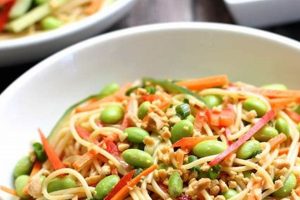
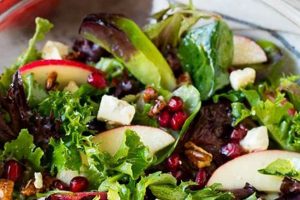
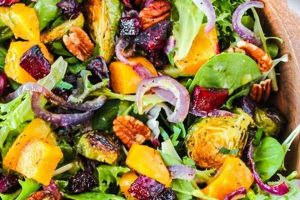
Plant-based cuisine often features dishes centered around versatile, protein-rich grains like quinoa. Combining this grain with fresh vegetables and flavorful dressings creates nutritious and satisfying meal options. For example, a simple preparation might include cooked quinoa tossed with chopped cucumbers, tomatoes, bell peppers, red onion, and a lemon-herb vinaigrette. Numerous variations exist, incorporating diverse ingredients like beans, corn, avocado, nuts, and dried fruits, offering a wide range of flavors and textures.
Such dishes offer significant nutritional advantages. Quinoa provides complete protein, containing all nine essential amino acids, while the addition of vegetables contributes vital vitamins, minerals, and fiber. These meals are naturally gluten-free, making them suitable for individuals with celiac disease or gluten sensitivities. Furthermore, the adaptability of these recipes allows for seasonal variations, utilizing readily available produce. This focus on plant-based ingredients aligns with growing health-conscious trends and promotes sustainable dietary practices.
Exploring the diverse world of plant-based cuisine through these grain-based dishes opens up culinary possibilities for both experienced cooks and newcomers alike. The following sections delve into specific recipe ideas, offering step-by-step instructions and highlighting variations to cater to individual preferences and dietary needs.
Tips for Creating Delicious Vegetarian Quinoa Salads
Successfully preparing flavorful and nutritious vegetarian quinoa salads involves attention to several key factors. The following tips offer guidance for achieving optimal results.
Tip 1: Rinse the Quinoa: Rinsing quinoa under cold water before cooking removes the naturally occurring bitter coating (saponins), resulting in a more palatable final product.
Tip 2: Properly Cook the Quinoa: Follow package instructions for cooking quinoa, typically using a 2:1 ratio of water to quinoa. Overcooked quinoa can become mushy, while undercooked quinoa remains too firm.
Tip 3: Embrace Variety in Vegetables: Utilize a diverse array of vegetables to maximize flavor and nutritional value. Consider incorporating both raw and roasted vegetables for textural contrast.
Tip 4: Enhance Flavor with Herbs and Spices: Fresh herbs like parsley, mint, or cilantro, along with spices like cumin, coriander, or chili powder, elevate the overall flavor profile.
Tip 5: Choose a Complementary Dressing: The dressing significantly impacts the salad’s taste. Light vinaigrettes, lemon-tahini dressings, or even a simple olive oil and herb blend can create a harmonious balance.
Tip 6: Incorporate Protein and Healthy Fats: Adding ingredients like chickpeas, black beans, toasted nuts, or avocado boosts the protein content and adds healthy fats for a more satisfying meal.
Tip 7: Allow Flavors to Meld: Preparing the salad ahead of time, even just an hour or two, allows the flavors to meld and intensify, resulting in a more complex and enjoyable taste.
By following these guidelines, one can consistently create delicious and nutritious vegetarian quinoa salads that offer a satisfying and versatile meal option.
These tips provide a solid foundation for culinary exploration within the realm of vegetarian cuisine. The following section offers concluding thoughts and encourages further experimentation with recipes and flavor combinations.
1. Quinoa Preparation

Quinoa preparation is fundamental to successful vegetarian quinoa salads. The process impacts both the texture and flavor of the final dish. Rinsing quinoa before cooking removes saponins, the naturally occurring bitter compounds on the grain’s surface. This step ensures a palatable final product, preventing any lingering bitterness that could detract from the other ingredients. Proper cooking, typically a 2:1 ratio of water to quinoa, achieves a light and fluffy texture. Overcooking results in a mushy consistency, while undercooking leaves the grains hard and unpleasant. Thus, correct preparation lays the groundwork for a well-balanced salad.
Consider a Mediterranean-inspired quinoa salad with chopped cucumbers, tomatoes, olives, feta cheese, and a lemon-herb vinaigrette. If the quinoa is improperly cooked, the overall texture suffers, regardless of the freshness and quality of the other ingredients. A mushy texture detracts from the crispness of the vegetables, while undercooked quinoa clashes with the delicate flavors. Alternatively, properly prepared quinoa contributes a light and fluffy base, allowing the other flavors and textures to shine.
Mastery of quinoa preparation is therefore crucial for creating appealing and enjoyable vegetarian quinoa salads. It ensures that the quinoa itself contributes positively to the overall dish, complementing rather than detracting from the other components. This foundational step enables culinary creativity and allows for exploration of diverse flavor combinations and ingredients within the broader context of vegetarian cuisine.
2. Vegetable Selection
Vegetable selection significantly influences the flavor, texture, nutritional value, and overall appeal of vegetarian quinoa salads. Thoughtful consideration of vegetable choices allows for the creation of balanced and satisfying meals. The following facets highlight the key aspects of vegetable selection within this context.
- Diversity and Seasonality
Incorporating a variety of vegetables ensures a broader spectrum of nutrients and adds complexity to the salad’s flavor profile. Choosing seasonal vegetables guarantees optimal freshness and flavor while supporting local agriculture. A summer salad might include ripe tomatoes, cucumbers, and bell peppers, while a fall salad could showcase roasted butternut squash, Brussels sprouts, and cranberries. This approach maximizes both nutritional value and culinary interest.
- Textural Contrast
Balancing textures creates a more engaging culinary experience. Combining crunchy vegetables like carrots or bell peppers with softer elements like roasted sweet potatoes or steamed broccoli provides textural contrast. This interplay of textures prevents monotony and adds depth to each bite. Leafy greens, such as spinach or kale, contribute further textural variation and enhance visual appeal.
- Color Palette
A vibrant color palette enhances the visual appeal of the salad, making it more enticing. Employing a variety of colorful vegetables, like red onions, orange carrots, green spinach, and yellow bell peppers, transforms a simple salad into a visually stunning dish. This visual appeal increases the overall enjoyment of the meal.
- Flavor Profiles
Selecting vegetables with complementary flavor profiles creates a harmonious and balanced taste experience. Combining sweet vegetables like roasted beets or corn with more savory options like mushrooms or zucchini offers a complex interplay of flavors. Furthermore, considering the intensity of different vegetable flavors ensures that no single ingredient overwhelms the others.
Strategic vegetable selection elevates vegetarian quinoa salads from simple meals to complex culinary creations. By considering diversity, texture, color, and flavor, one can craft salads that are both nutritionally balanced and aesthetically pleasing. This careful attention to vegetable choices is integral to maximizing the potential of these versatile dishes.
3. Flavorful Dressings

Flavorful dressings play a pivotal role in vegetarian quinoa salad recipes, transforming a simple combination of ingredients into a cohesive and satisfying culinary experience. Dressings contribute significantly to the overall taste, texture, and enjoyment of these salads, acting as a unifying element that binds the individual components together. The choice of dressing can dramatically influence the final flavor profile, whether it’s a light and tangy vinaigrette, a creamy tahini-based dressing, or a vibrant herb-infused oil blend.
The inherent versatility of quinoa, with its mild, nutty flavor, provides a neutral canvas for a wide range of dressing styles. For example, a bright lemon-herb vinaigrette complements the earthiness of roasted vegetables and the subtle nuttiness of quinoa, creating a refreshing and balanced salad. Alternatively, a creamy avocado-lime dressing adds richness and depth to a salad featuring black beans, corn, and bell peppers. The dressing not only enhances the flavors of individual ingredients but also creates a harmonious blend of tastes and textures. A poorly chosen dressing can overwhelm the delicate flavors of the salad, while a well-matched dressing elevates the overall culinary experience.
Understanding the interplay between dressings and the other components of a vegetarian quinoa salad is essential for creating a successful dish. Factors to consider include the intensity of the dressing’s flavor, its acidity, and its texture. The dressing should complement, not overpower, the other ingredients, enhancing their individual characteristics while creating a cohesive whole. A balanced dressing adds depth, complexity, and enjoyment to vegetarian quinoa salads, showcasing the versatility of this grain and the potential for diverse flavor combinations within plant-based cuisine.
4. Protein Integration
Protein integration is a crucial consideration in vegetarian quinoa salad recipes. While quinoa itself offers a complete protein source, incorporating additional protein-rich ingredients enhances the nutritional value and creates more satisfying meals. Strategic protein integration ensures that these salads provide adequate protein for various dietary needs and contribute to a balanced, plant-based diet. The following facets explore the key aspects of protein integration within this context.
- Legumes
Legumes, such as chickpeas, black beans, kidney beans, and lentils, are excellent sources of plant-based protein and fiber. Their inclusion in quinoa salads adds nutritional value and creates a more substantial meal. For example, a quinoa salad with black beans, corn, and roasted red peppers offers a complete protein profile and a satisfying textural experience. Legumes also contribute various micronutrients, further enhancing the nutritional density of the salad.
- Nuts and Seeds
Nuts and seeds, including almonds, walnuts, pumpkin seeds, and sunflower seeds, provide both protein and healthy fats. These ingredients contribute to satiety and offer a pleasant textural contrast within the salad. Toasted nuts and seeds add a deeper, richer flavor dimension. For instance, a quinoa salad with toasted almonds, cranberries, and feta cheese delivers a balance of protein, healthy fats, and contrasting textures.
- Dairy and Alternatives
Dairy products like feta cheese or crumbled goat cheese offer a source of protein and contribute a creamy, tangy element to quinoa salads. For those following vegan diets, plant-based alternatives like tofu or tempeh, when prepared correctly, provide comparable protein content and can be integrated seamlessly into these salads. For example, a quinoa salad with crumbled tofu, roasted vegetables, and a tahini dressing provides a substantial vegan protein source.
- Complementary Proteins
Combining different plant-based protein sources, even those that aren’t complete proteins individually, can create a complete protein profile when consumed together. This concept of complementary proteins allows for diverse combinations of ingredients. For instance, pairing legumes with grains or nuts with seeds maximizes protein utilization within the salad. This approach diversifies the nutritional intake and offers a wider range of flavor and textural possibilities.
Effective protein integration elevates vegetarian quinoa salads from simple side dishes to complete, nutritionally balanced meals. By strategically incorporating various protein sources, these salads become a versatile and valuable component of a plant-based diet, catering to a range of dietary needs and preferences. This approach enhances the nutritional profile and overall culinary experience, ensuring that vegetarian quinoa salads are both satisfying and health-promoting.
5. Herbs and Spices

Herbs and spices play a crucial role in elevating vegetarian quinoa salads from simple meals to complex culinary creations. Their strategic use enhances flavor profiles, adds depth, and introduces aromatic complexity to these versatile dishes. Understanding the interplay between herbs, spices, and other salad components allows for the creation of balanced and exciting flavor combinations.
- Fresh Herbs
Fresh herbs, such as parsley, cilantro, mint, and dill, contribute bright, vibrant flavors and aromatic complexity to quinoa salads. Their delicate nature requires careful integration, often added towards the end of preparation to preserve their freshness and impact. For example, chopped cilantro adds a refreshing citrusy note to a southwestern-inspired quinoa salad with black beans and corn, while fresh mint complements cucumber and feta in a Mediterranean-style salad. The choice of fresh herbs should complement the other flavor profiles within the salad.
- Dried Spices
Dried spices, like cumin, coriander, paprika, and chili powder, offer concentrated flavors and contribute depth to quinoa salads. These spices can be incorporated during the cooking process or added directly to the salad. Cumin adds a warm, earthy note to a roasted vegetable quinoa salad, while smoked paprika introduces a smoky depth to a lentil and quinoa salad. Balancing the intensity of dried spices prevents them from overpowering the other flavors.
- Spice Blends
Pre-mixed spice blends, such as za’atar, garam masala, or curry powder, offer complex flavor profiles and simplify the seasoning process. These blends often combine several complementary spices, creating a harmonious balance of flavors. Za’atar adds a Middle Eastern flair to a quinoa salad with roasted vegetables and chickpeas, while garam masala introduces a warm, aromatic complexity to a salad with lentils and spinach. Spice blends provide convenient shortcuts to complex flavor combinations.
- Balancing Flavors
Balancing the use of herbs and spices is essential for creating a harmonious and enjoyable flavor profile. No single herb or spice should dominate the dish. Consider the overall flavor profile of the salad, including the vegetables, dressings, and other ingredients, when selecting herbs and spices. A delicate balance allows each ingredient to contribute to the overall taste experience, creating a well-rounded and flavorful salad.
The artful integration of herbs and spices enhances the culinary potential of vegetarian quinoa salads. By thoughtfully combining fresh herbs, dried spices, and spice blends, one can create complex and nuanced flavor profiles that elevate these salads from simple meals to sophisticated culinary creations. Understanding the interplay of these flavors allows for endless variations and ensures a balanced and enjoyable dining experience.
6. Textural Variety
Textural variety significantly contributes to the overall enjoyment and satisfaction derived from vegetarian quinoa salads. A combination of textures creates a more dynamic and engaging culinary experience, preventing monotony and stimulating the palate. This principle operates on the understanding that contrasting textures, such as crunchy, creamy, chewy, and soft, interact to create a more complex and satisfying sensory experience. A salad consisting solely of soft ingredients can feel bland, while a salad with exclusively crunchy elements can be tiring to eat. The interplay of different textures adds depth and interest to each bite.
Consider a quinoa salad featuring roasted sweet potatoes, toasted pecans, crumbled goat cheese, and chopped kale. The soft sweetness of the roasted sweet potatoes contrasts with the crunchy pecans and the creamy goat cheese, while the kale provides a slightly chewy element. This combination of textures creates a more engaging and enjoyable eating experience than a salad with uniform textures. Similarly, a salad combining cooked quinoa, crunchy cucumbers, juicy tomatoes, and creamy avocado offers a dynamic textural interplay that enhances the overall appeal of the dish. The fluffy quinoa provides a neutral base, allowing the contrasting textures of the other ingredients to shine.
Understanding the importance of textural variety allows for the creation of more sophisticated and satisfying vegetarian quinoa salads. Strategic inclusion of ingredients with contrasting textures elevates these salads from simple meals to complex culinary creations. This principle can be applied to a wide range of salad variations, from those featuring roasted vegetables and toasted nuts to those incorporating fresh herbs, creamy cheeses, and crunchy seeds. Attention to textural detail enhances the sensory experience and contributes to a more fulfilling and enjoyable meal. Integrating diverse textures within vegetarian quinoa salads not only adds culinary interest but also encourages a more mindful and appreciative approach to eating.
7. Nutritional Balance

Nutritional balance is a cornerstone of well-designed vegetarian quinoa salad recipes. These salads offer an opportunity to combine nutrient-rich ingredients into a single dish, contributing to a healthy and balanced diet. Careful consideration of nutritional components ensures these salads provide a wide range of essential nutrients, supporting overall well-being.
- Macronutrient Profile
Achieving a balanced macronutrient profilecarbohydrates, proteins, and fatsis essential. Quinoa provides complex carbohydrates and protein, while additions like nuts, seeds, and avocado contribute healthy fats. This balance ensures sustained energy levels and supports various bodily functions. For example, a salad combining quinoa, chickpeas, avocado, and roasted vegetables offers a well-rounded macronutrient profile.
- Micronutrient Density
Vegetarian quinoa salads offer a platform for incorporating micronutrient-rich vegetables. Dark leafy greens, colorful bell peppers, and cruciferous vegetables like broccoli contribute vitamins, minerals, and antioxidants. These micronutrients play vital roles in immune function, cellular health, and disease prevention. A salad featuring spinach, bell peppers, and red onion boosts micronutrient intake.
- Fiber Content
Quinoa and many vegetables are excellent sources of dietary fiber, promoting digestive health and contributing to satiety. Fiber aids in regulating blood sugar levels and supports a healthy gut microbiome. A salad with quinoa, black beans, and corn provides a substantial dose of dietary fiber, promoting digestive regularity and overall well-being.
- Complete Protein Considerations
While quinoa is a complete protein, combining it with other plant-based protein sources, such as legumes or nuts, can further enhance the protein quality and ensure adequate intake of all essential amino acids. This is particularly relevant for individuals following strictly plant-based diets. Combining quinoa with chickpeas or lentils in a salad creates a complementary protein profile, maximizing nutritional value.
Prioritizing nutritional balance elevates vegetarian quinoa salads from simple meals to powerful tools for promoting health and well-being. By thoughtfully combining ingredients to achieve a balance of macronutrients, micronutrients, and fiber, these salads become valuable components of a nutritious and satisfying diet. This approach maximizes the nutritional benefits and supports a holistic approach to healthy eating.
Frequently Asked Questions
This section addresses common inquiries regarding vegetarian quinoa salad recipes, providing concise and informative responses.
Question 1: Can quinoa salads be prepared in advance?
Yes, quinoa salads often benefit from preparation in advance. Allowing the flavors to meld for a few hours, or even overnight, in the refrigerator enhances the overall taste. However, adding delicate ingredients like fresh herbs or avocado immediately before serving is recommended to maintain their texture and prevent browning.
Question 2: How can one prevent quinoa from becoming mushy?
Rinsing quinoa thoroughly before cooking removes excess starch and helps prevent a mushy texture. Adhering to the recommended water-to-quinoa ratio, typically 2:1, and avoiding overcooking are also crucial for achieving a light and fluffy consistency.
Question 3: What are suitable protein sources for vegetarian quinoa salads beyond legumes?
Beyond legumes, nuts, seeds, cheese, and tofu offer excellent protein options for vegetarian quinoa salads. Toasted nuts and seeds contribute healthy fats and textural variety, while cheese adds a creamy element. Tofu, when properly prepared, provides a versatile protein source for vegan variations.
Question 4: How can one adapt quinoa salad recipes to seasonal ingredients?
Adapting quinoa salad recipes to seasonal ingredients maximizes flavor and nutritional value. Spring salads might incorporate fresh asparagus and peas, while summer salads showcase ripe tomatoes and cucumbers. Fall variations benefit from roasted root vegetables like sweet potatoes and butternut squash, while winter salads can include hearty greens like kale and Brussels sprouts.
Question 5: Are there strategies for reducing the sodium content in quinoa salads?
Reducing sodium involves careful ingredient selection and preparation. Opting for low-sodium or no-salt-added canned beans, using fresh herbs and spices instead of salt-heavy dressings, and rinsing canned vegetables thoroughly can significantly reduce sodium content without compromising flavor.
Question 6: How can quinoa salads be made more appealing to children?
Incorporating familiar and visually appealing ingredients can make quinoa salads more enticing for children. Adding colorful vegetables, dried fruits, or nuts, and offering a variety of dressings on the side allows for customization and encourages exploration of different flavors and textures. Presenting the salad in a fun and engaging way also contributes to its appeal.
Understanding these frequently asked questions equips individuals with the knowledge and tools to create delicious, nutritious, and versatile vegetarian quinoa salads suited to various tastes and dietary preferences.
This concludes the FAQ section. The following section will offer concluding thoughts and encourage further exploration of the culinary possibilities within vegetarian cuisine.
Conclusion
Exploration of vegetarian quinoa salad recipes reveals a versatile culinary landscape. Emphasis on quinoa preparation, strategic vegetable selection, flavorful dressings, protein integration, nuanced use of herbs and spices, textural variety, and nutritional balance underscores the potential of these dishes. Each component contributes significantly to the overall culinary experience, transforming simple ingredients into flavorful and nutritious meals. From vibrant summer salads featuring fresh produce to hearty winter variations incorporating roasted vegetables and warming spices, the adaptability of these recipes accommodates diverse palates and dietary preferences.
Culinary exploration within the realm of vegetarian cuisine continues to evolve. The adaptability of quinoa as a base for diverse flavor combinations and textures positions these salads as a cornerstone of healthy and sustainable eating practices. Continued experimentation with ingredients, flavor profiles, and culinary techniques promises further innovation and enjoyment within this vibrant culinary domain. The potential for creativity within vegetarian cooking remains vast, offering opportunities for both novice and experienced cooks to discover new flavors and expand their culinary repertoire.