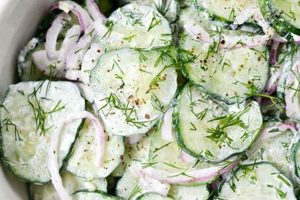
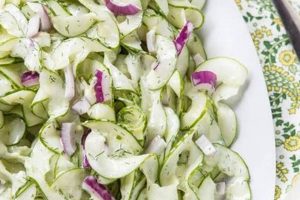
This dish presents a unique blend of flavors and textures, combining the creamy richness of nut butter with the refreshing crispness of cucumbers. Often enhanced with ingredients like soy sauce, rice vinegar, sesame oil, ginger, garlic, and chili flakes, it exemplifies the fusion of sweet, savory, spicy, and acidic elements. Variations may incorporate ingredients such as shredded carrots, chopped peanuts, cilantro, or mint, providing a spectrum of flavor profiles and nutritional benefits.
The juxtaposition of seemingly disparate ingredients delivers a surprisingly harmonious culinary experience. The dish can be a light lunch, a refreshing side, or a flavorful appetizer. Its versatility makes it suitable for various dietary needs, adaptable to vegan, vegetarian, and gluten-free preferences. While its precise origin is unclear, the combination likely emerged from Southeast Asian cuisine, where peanut sauces are commonly paired with fresh vegetables. This culinary approach highlights resourcefulness and creativity in utilizing readily available ingredients to create balanced and flavorful meals.
Further exploration will delve into specific ingredient combinations, preparation methods, nutritional values, and variations of this dish, providing a comprehensive guide for both novice and experienced cooks.
Tips for Creating a Flavorful Cucumber Salad with Peanut Dressing
Creating a successful cucumber salad with peanut dressing requires attention to detail and a balance of flavors. These tips provide guidance for achieving optimal results.
Tip 1: Select Fresh Cucumbers: Choose firm cucumbers with vibrant skin. English cucumbers, with their thinner skin and fewer seeds, are often preferred. For a milder flavor, peel the cucumbers before slicing.
Tip 2: Achieve Optimal Texture: Thinly slice or mandoline the cucumbers for even coating and pleasant texture. Salting the cucumbers and allowing them to drain for 15-20 minutes before adding the dressing can help prevent a watery salad.
Tip 3: Balance the Dressing: The dressing should be a harmonious blend of sweet, salty, sour, and spicy. Adjust the ratios of peanut butter, soy sauce, vinegar, and chili flakes to achieve the desired balance.
Tip 4: Choose the Right Peanut Butter: Creamy peanut butter works best for creating a smooth dressing. Natural peanut butter, while healthier, may require additional stirring and adjusting due to oil separation.
Tip 5: Enhance with Aromatics: Freshly grated ginger and minced garlic elevate the dressing’s complexity. Experiment with other aromatics, such as finely chopped shallots or scallions.
Tip 6: Consider Garnishes: Toasted sesame seeds, chopped peanuts, cilantro, or mint can add visual appeal and textural contrast. A sprinkle of red pepper flakes provides a final touch of heat.
Tip 7: Proper Storage: Store leftover salad and dressing separately in airtight containers in the refrigerator. Combine just before serving to maintain the cucumbers’ crispness.
By following these guidelines, one can create a refreshing and flavorful cucumber salad with peanut dressing that complements a variety of meals.
This exploration of tips and techniques provides a solid foundation for crafting this versatile dish, leading to a satisfying culinary experience.
1. Ingredients

Ingredient selection significantly impacts the final flavor profile and overall quality of a peanut butter cucumber salad. The interplay between individual components creates the dish’s characteristic balance of sweet, salty, sour, and spicy notes. For instance, the type of peanut butter influences the dressing’s creaminess and richness. Natural peanut butter offers a more intense peanut flavor but can be less smooth. The choice of vinegarrice vinegar, apple cider vinegar, or white vinegarintroduces subtle nuances of acidity. Similarly, the level of spiciness depends on the type and quantity of chili used, whether fresh chilies, dried flakes, or chili oil. The freshness and quality of produce, particularly the cucumbers, directly affect the salad’s texture and overall appeal.
Consider the foundational elements: cucumbers provide refreshing crispness; peanut butter contributes creaminess and a nutty base; soy sauce adds saltiness and umami; vinegar provides acidity; and elements like ginger, garlic, and chili introduce complexity and heat. Each ingredient plays a crucial role. Omitting an element, such as the vinegar, would result in a less balanced and potentially overly rich dish. Substituting ingredients, like using tahini instead of peanut butter, creates a distinctly different flavor profile, transforming the dish entirely. Understanding these relationships allows for informed substitutions and adjustments to cater to individual preferences and dietary restrictions.
Careful selection of ingredients is essential for a successful peanut butter cucumber salad. This includes considering the quality of produce, the type of peanut butter, the acidity of the vinegar, and the level of spice desired. A thorough understanding of these components and their interplay allows for both creative variations and consistent, high-quality results. This knowledge empowers individuals to adapt the recipe confidently, achieving the desired flavor and texture while highlighting the inherent versatility of this seemingly simple dish.
2. Preparation
Preparation significantly influences the final outcome of a peanut butter cucumber salad recipe. Methodical preparation ensures optimal texture, flavor development, and overall presentation. Consider the effect of slicing cucumbers: thin slices offer a delicate texture and absorb the dressing effectively, whereas thicker slices provide more crunch. Salting cucumbers prior to dressing draws out excess moisture, preventing a watery salad and concentrating flavor. The order of operations also matters. Combining dressing ingredients separately ensures proper emulsification and balanced flavor distribution. Introducing aromatics like ginger and garlic early in the dressing preparation allows their flavors to infuse thoroughly. Neglecting these steps can lead to a less satisfying resulta watery salad with unevenly distributed flavors or a dressing that lacks depth.
Practical examples illustrate the importance of preparation. For instance, if cucumbers are not salted and drained before dressing, the salad becomes diluted and loses its crispness. Similarly, if the peanut butter is not thoroughly mixed into the dressing, it can clump and result in an uneven coating. Consider the difference between hastily chopping ingredients versus precisely slicing them: precise cuts not only enhance presentation but also contribute to a more enjoyable textural experience. Proper preparation elevates the dish from a simple combination of ingredients to a carefully constructed culinary creation.
Careful preparation maximizes the potential of the peanut butter cucumber salad recipe. Understanding the impact of each preparatory step, from slicing techniques to ingredient incorporation, ensures a consistently delicious and visually appealing dish. This attention to detail elevates the simple act of combining ingredients into a culinary practice that yields superior results, highlighting the critical role of preparation in achieving culinary excellence.
3. Flavor Balance
Flavor balance is paramount in a successful peanut butter cucumber salad recipe. The dish thrives on the dynamic interplay of contrasting yet complementary tastes. This balance prevents any single flavor from dominating, creating a harmonious and nuanced culinary experience. The following facets illustrate the complexities of flavor balance within this specific culinary context.
- Sweet and Savory:
The inherent sweetness of peanut butter finds its counterpoint in the savory notes of soy sauce. This interplay forms the foundational flavor profile of the dish. Without sufficient saltiness, the sweetness of the peanut butter could become cloying. Conversely, an overabundance of soy sauce might overshadow the nutty richness. The careful calibration of these two elements establishes a balanced foundation upon which other flavors can build.
- Acidity as a Bridge:
Vinegar, whether rice vinegar, apple cider vinegar, or white vinegar, introduces a crucial acidic element. This acidity brightens the dish, cutting through the richness of the peanut butter and enhancing the savory notes of the soy sauce. It acts as a bridge between the sweet and savory components, preventing them from clashing and creating a more complex flavor profile. The level of acidity should be carefully considered; too much can make the salad sharp, while too little can leave it feeling heavy.
- Spice as an Accent:
Chili, in the form of flakes, oil, or fresh chilies, introduces an element of heat. This spiciness serves as an accent, adding another layer of complexity to the flavor profile. The level of spice should complement rather than overwhelm the other flavors. A judicious use of chili enhances the overall experience without dominating the palate, allowing the other components to shine.
- Aromatic Complexity:
Ginger and garlic contribute aromatic complexity. These pungent ingredients add depth and warmth to the dressing, further enhancing the balance of flavors. Their presence, while subtle, plays a crucial role in rounding out the overall taste experience. The careful integration of these aromatics prevents them from overpowering the other delicate flavors while contributing to the dish’s overall complexity.
The successful execution of a peanut butter cucumber salad hinges on the careful orchestration of these flavor components. Each element plays a distinct role, contributing to a balanced and nuanced final product. Understanding these interactions allows for informed adjustments and substitutions, empowering individuals to tailor the recipe to their specific preferences while maintaining the essential harmony of flavors. It is this delicate balance that elevates the dish beyond a simple combination of ingredients, transforming it into a compelling culinary experience.
4. Texture
Texture plays a crucial role in the overall sensory experience of consuming peanut butter cucumber salad. The dish offers a compelling interplay of contrasting textures, primarily the crispness of the cucumbers against the creamy richness of the peanut sauce. This contrast is essential for a balanced and enjoyable culinary experience. Several factors contribute to the textural profile, including the variety of cucumber used, the slicing technique, and the consistency of the peanut sauce. For example, English cucumbers, known for their thin skin and minimal seeds, offer a more delicate crunch compared to standard cucumbers. The slicing method further influences texture; thinly sliced cucumbers provide a delicate crispness, while thicker slices offer a more substantial bite. The peanut sauce, ideally smooth and creamy, coats the cucumbers, creating a harmonious blend of textures in each bite. A failure to consider these elements can result in a less satisfying experience. Overly thick or watery sauce diminishes the textural contrast, while limp or poorly sliced cucumbers detract from the intended crispness.
Consider the impact of additional ingredients on the overall texture. Toasted sesame seeds or chopped peanuts introduce a welcome element of crunch, further enhancing the textural complexity. Incorporating other vegetables, such as shredded carrots or bean sprouts, adds another layer of textural variation. These additions, while enhancing the sensory experience, require careful consideration to maintain a balanced textural profile. Too many crunchy elements can overwhelm the delicate crispness of the cucumbers, while an excess of soft ingredients might diminish the overall textural contrast. Practical applications of this understanding include choosing the appropriate cucumber variety, employing precise slicing techniques, adjusting sauce consistency, and strategically incorporating additional ingredients to achieve the desired textural balance.
The interplay of textures in a peanut butter cucumber salad significantly contributes to its appeal. Achieving the optimal balance of creamy and crisp textures requires careful consideration of ingredient selection, preparation methods, and the interplay of additional components. Understanding these factors empowers one to create a dish that is not only flavorful but also texturally satisfying, highlighting the importance of texture as a key element in a successful culinary creation.
5. Presentation
Presentation significantly impacts the perceived value and enjoyment of a peanut butter cucumber salad. While flavor and texture remain paramount, visual appeal enhances the dining experience. Consideration of color, arrangement, and serving vessel elevates the dish from a simple side to a carefully composed culinary creation. The vibrant green of cucumbers, the rich brown of the peanut sauce, and the potential inclusion of colorful garnishes like red chili flakes or chopped cilantro create a visually appealing contrast. Thoughtful arrangement, whether neatly layered in a bowl or artfully plated, further enhances the presentation. A simple white bowl allows the colors of the salad to stand out, while a more rustic serving dish adds a different aesthetic dimension. Ignoring presentation can diminish the overall impact of the dish, even if the flavor profile is well-executed. A haphazardly tossed salad in a nondescript bowl may appear less appetizing, potentially impacting enjoyment.
Practical examples illustrate the impact of presentation. A salad served in a shallow bowl, with cucumbers artfully arranged and garnished with toasted sesame seeds and chopped cilantro, presents a more refined and appealing image than the same salad carelessly dumped onto a plate. Consider the impact of color: a vibrant green cucumber salad against a white backdrop is visually more striking than the same salad presented on a dark plate where the colors might blend. The choice of serving utensils also contributes to the overall presentation. Chopsticks offer a more elegant and interactive dining experience compared to a standard fork. These seemingly small details can significantly enhance the perceived quality and enjoyment of the dish.
Careful presentation elevates the peanut butter cucumber salad from a simple dish to a more engaging culinary experience. Consideration of color, arrangement, and serving vessel contributes to a visually appealing presentation that enhances enjoyment. Understanding the impact of these visual elements allows for a more thoughtful and refined approach to serving this versatile dish, demonstrating that presentation is an essential component of a truly satisfying culinary experience.
6. Nutritional Value
Nutritional value represents a significant aspect of the peanut butter cucumber salad recipe. This dish offers a combination of macronutrients, micronutrients, and beneficial plant compounds. Understanding its nutritional composition provides insights into its potential health benefits and its role within a balanced diet. The following facets explore the key nutritional components and their implications.
- Macronutrient Profile:
The macronutrient profile comprises primarily healthy fats from peanut butter, carbohydrates from cucumbers, and a smaller amount of protein from the peanut butter. Peanut butter contributes monounsaturated and polyunsaturated fats, known for their potential benefits in cardiovascular health. Cucumbers, while low in calories, offer dietary fiber, which aids digestion. The balance of these macronutrients makes the salad a relatively energy-dense yet nutrient-rich option. This balance can be further adjusted by incorporating additional protein sources, such as grilled chicken or tofu, creating a more complete meal.
- Micronutrient Content:
The salad provides essential micronutrients. Cucumbers contribute Vitamin K, crucial for blood clotting and bone health, and Vitamin C, an antioxidant. Peanut butter offers magnesium, important for muscle and nerve function, and potassium, which helps regulate blood pressure. The combination of these micronutrients contributes to overall health and well-being. Adding other vegetables, such as bell peppers or spinach, can further enhance the micronutrient profile.
- Beneficial Plant Compounds:
Cucumbers contain antioxidants like cucurbitacins, which may have anti-inflammatory properties. Peanut butter provides resveratrol, another antioxidant linked to potential health benefits. These plant compounds contribute to the overall nutritional value of the salad, offering potential protective effects against chronic diseases. Incorporating ingredients like fresh herbs, such as cilantro or mint, further enhances the antioxidant content.
- Dietary Considerations:
The salads nutritional profile makes it suitable for various dietary needs. It is naturally gluten-free and can be easily adapted for vegan or vegetarian diets. The sodium content, primarily from soy sauce, can be adjusted by using low-sodium alternatives or reducing the amount used. This adaptability allows the dish to be incorporated into a wide range of dietary plans. Careful monitoring of portion sizes and ingredient choices ensures alignment with individual dietary goals.
The peanut butter cucumber salad offers a compelling nutritional profile, providing a combination of healthy fats, essential micronutrients, and beneficial plant compounds. Understanding its nutritional composition allows for informed choices regarding ingredient selection, portion control, and dietary adaptations. This knowledge empowers individuals to maximize the nutritional benefits of this versatile dish while enjoying its refreshing flavors and textures as part of a balanced and healthful diet.
7. Variations
Variations on the peanut butter cucumber salad recipe demonstrate the dish’s adaptability and versatility. Exploring these variations provides insights into how core ingredients and flavor profiles can be modified while retaining the essence of the dish. These adaptations cater to diverse palates, dietary restrictions, and culinary preferences, showcasing the recipe’s potential beyond its traditional form.
- Protein Incorporation:
Adding protein transforms the salad into a more substantial meal. Grilled chicken, shrimp, or tofu complement the existing flavors while increasing satiety. For example, grilled chicken breast, sliced and tossed with the salad, provides a lean protein source. Alternatively, pan-fried tofu offers a plant-based protein option. This adaptability allows the salad to serve as a light lunch or a complete dinner, expanding its culinary applications.
- Vegetable Additions:
Incorporating other vegetables enhances nutritional value and textural complexity. Shredded carrots, bell peppers, or edamame introduce different flavors and textures while maintaining the salad’s refreshing qualities. For instance, shredded carrots add sweetness and a pleasant crunch, while blanched edamame provides a boost of plant-based protein and a contrasting soft texture. These additions create a more dynamic and nutritionally balanced meal.
- Flavor Enhancements:
Adjusting the flavor profile allows for customization based on individual preferences. A squeeze of lime juice adds a citrusy brightness, while a drizzle of sesame oil enhances the nutty notes. Fresh herbs, such as cilantro, mint, or Thai basil, introduce aromatic complexity. For example, a touch of sriracha adds a layer of heat, while a sprinkle of toasted sesame seeds provides a nutty aroma and subtle crunch. These modifications cater to diverse palates and culinary traditions.
- Noodle Integration:
Combining the salad with noodles creates a cold noodle salad, ideal for warm weather. Thin rice noodles, soba noodles, or even spaghetti can be tossed with the cucumber mixture and peanut sauce. This variation offers a more substantial and texturally diverse meal, particularly suitable for picnics or light lunches. The noodles absorb the flavorful sauce, creating a cohesive and satisfying dish.
These variations highlight the adaptability of the peanut butter cucumber salad recipe, demonstrating its potential to be customized based on individual needs and preferences. From incorporating protein and additional vegetables to adjusting flavor profiles and integrating noodles, these modifications expand the dish’s versatility while retaining its core essence of refreshing flavors and contrasting textures. This inherent adaptability positions the peanut butter cucumber salad as a foundational recipe with endless possibilities for culinary exploration.
Frequently Asked Questions
This section addresses common inquiries regarding the preparation and enjoyment of cucumber salad with peanut dressing.
Question 1: What type of cucumber is best suited for this salad?
While any variety of cucumber can be used, English cucumbers are often preferred due to their thinner skin, reduced seed content, and milder flavor. Persian cucumbers also offer a similar profile.
Question 2: How can one prevent the salad from becoming watery?
Salting the sliced cucumbers and allowing them to drain for approximately 15-20 minutes before adding the dressing draws out excess moisture, maintaining the salad’s crispness.
Question 3: Can natural peanut butter be used in the dressing?
Natural peanut butter can be used, but its tendency to separate may require additional whisking and adjustment of consistency. The flavor profile may also differ slightly.
Question 4: How long can the salad be stored?
For optimal quality, it is recommended to store the dressing and cucumbers separately and combine just before serving. Stored separately and refrigerated, both components should maintain quality for 2-3 days.
Question 5: Can this salad be adapted for vegan diets?
The recipe is inherently adaptable to vegan diets, as the core ingredients are plant-based. Ensure all added ingredients, such as soy sauce, align with vegan dietary restrictions.
Question 6: What can be added to make the salad a complete meal?
Grilled chicken, shrimp, tofu, or chickpeas can be incorporated to increase protein content and create a more substantial meal. Noodles can also be added for a heartier salad.
Addressing these frequently asked questions clarifies common points of uncertainty, providing a comprehensive understanding of the recipe’s nuances and adaptability. This information empowers individuals to approach the recipe with confidence and achieve optimal results.
This FAQ section provides a foundational understanding for successfully preparing and enjoying cucumber salad with peanut dressing. Exploration of additional recipe variations and culinary applications further expands the possibilities of this versatile dish.
Peanut Butter Cucumber Salad Recipe
This exploration of the peanut butter cucumber salad recipe has highlighted its unique characteristics, from the balanced interplay of sweet, savory, sour, and spicy flavors to the refreshing contrast of creamy and crisp textures. The examination of ingredient selection, preparation techniques, flavor balance, textural elements, presentation strategies, nutritional value, and recipe variations reveals the dish’s versatility and adaptability. Careful consideration of these elements allows for a deeper appreciation of the culinary potential within this seemingly simple combination of ingredients.
The peanut butter cucumber salad recipe stands as a testament to the power of culinary creativity and the potential for innovation within the realm of fresh, flavorful cuisine. Further experimentation with ingredients and flavor profiles promises continued evolution and personalized adaptations of this versatile dish, encouraging culinary exploration and a deeper understanding of flavor dynamics.