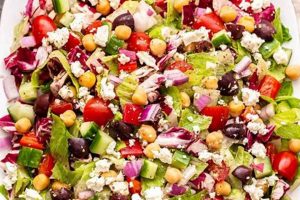
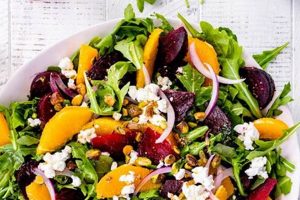
A dish featuring corkscrew-shaped pasta as its foundation, combined with various ingredients like vegetables, proteins, cheeses, and a flavorful dressing, characterizes this culinary creation. A typical example might include cooked fusilli, chopped bell peppers, cherry tomatoes, cubed mozzarella, grilled chicken, and a pesto vinaigrette.
The versatility of this pasta dish lies in its adaptability to diverse palates and dietary needs. Its customizable nature allows for seasonal ingredients, varied protein sources, and a wide range of dressings, making it suitable for casual lunches, potlucks, and even elegant dinners. Furthermore, the spiral shape of the pasta holds onto dressings and smaller ingredients effectively, ensuring a balanced flavor profile in every bite. Historically, pasta salads have evolved from simple preparations to more complex and creative combinations, reflecting culinary trends and cultural influences.
The following sections will delve into specific elements of crafting this dish, exploring various ingredient options, dressing variations, and tips for achieving optimal flavor and texture.
Tips for Crafting the Perfect Fusilli Salad
Achieving a well-balanced and flavorful pasta salad requires attention to detail. The following tips offer guidance for optimizing both taste and texture.
Tip 1: Cook the Pasta Properly. Slightly undercooking the fusilli ensures a firm texture that holds its shape when combined with other ingredients. Overcooked pasta can become mushy and less appealing.
Tip 2: Chill the Pasta. Rinsing the cooked pasta under cold water stops the cooking process and cools it quickly. This helps maintain the desired texture and prevents the salad from becoming overly warm.
Tip 3: Balance the Ingredients. Consider a variety of textures and flavors. Combine crunchy vegetables, creamy cheeses, and flavorful proteins to create a more complex and satisfying dish.
Tip 4: Dress Wisely. The dressing should complement, not overpower, the other ingredients. A light vinaigrette, pesto, or a creamy dressing based on yogurt or mayonnaise can be excellent choices.
Tip 5: Add the Dressing Just Before Serving. This prevents the pasta from absorbing too much dressing and becoming soggy. It also maintains the crispness of fresh vegetables.
Tip 6: Don’t Overcrowd the Bowl. Using a large bowl allows the ingredients to be tossed gently without crushing or breaking them.
Tip 7: Garnish Thoughtfully. Fresh herbs, a sprinkle of cheese, or a few toasted nuts can elevate the presentation and add a final layer of flavor.
By following these guidelines, one can create a pasta salad that is both visually appealing and delicious. Attention to these details elevates a simple pasta dish into a culinary masterpiece.
The concluding section will offer variations and suggestions for adapting this versatile dish to individual preferences.
1. Fusilli Pasta

Fusilli pasta, characterized by its spiral shape, forms the foundational element of a fusilli salad recipe. Understanding its characteristics is crucial for creating a successful dish. The following facets explore the pasta’s contribution to the overall culinary experience.
- Shape and Texture
The distinctive spiral of fusilli contributes significantly to the salad’s textural complexity. This shape effectively captures and holds dressings and smaller ingredients within its curves, ensuring a balanced flavor distribution in each bite. The firmness of properly cooked fusilli provides a pleasant chewiness, enhancing the overall mouthfeel.
- Ingredient Compatibility
Fusilli’s versatility allows it to pair well with a wide array of ingredients commonly found in salads. From chunky vegetables like bell peppers and broccoli to smaller components like peas and corn, the spiral shape accommodates diverse textures and sizes. This adaptability makes fusilli an ideal base for creative culinary combinations.
- Visual Appeal
The distinctive spirals of fusilli create visual interest within the salad. This characteristic adds a dynamic element to the presentation, enhancing the overall aesthetic appeal. The pasta’s shape also provides opportunities for creative plating and presentation techniques.
- Cooking Considerations
Proper cooking technique is essential to maximize fusilli’s contribution to the salad. Slightly undercooking the pasta ensures a firm texture that holds up well when combined with other ingredients and prevents a mushy consistency. Cooling the cooked pasta quickly helps maintain its optimal texture and prevents the salad from becoming overly warm.
These interconnected aspects of fusilli pasta contribute significantly to a successful fusilli salad recipe. Understanding the pasta’s unique properties and how they interact with other ingredients allows for a more informed and nuanced approach to creating a well-balanced and flavorful dish.
2. Fresh Vegetables

Fresh vegetables play a crucial role in a fusilli salad recipe, contributing significantly to its nutritional value, textural diversity, and visual appeal. Their inclusion elevates the dish from a simple pasta preparation to a more complex and satisfying culinary experience. The following facets explore the multifaceted contribution of fresh vegetables to this popular dish.
- Nutritional Enhancement
Fresh vegetables introduce a wealth of vitamins, minerals, and dietary fiber. Incorporating a variety of colorful vegetables, such as bell peppers, broccoli, carrots, and spinach, increases the salad’s nutritional density. This aspect contributes to a more balanced and healthful meal.
- Textural Contrast
The inclusion of fresh vegetables offers a welcome textural contrast to the pasta. Crisp vegetables like cucumbers, celery, and bell peppers provide a refreshing crunch, while softer vegetables like tomatoes and avocado contribute a smoother texture. This interplay of textures creates a more dynamic and enjoyable eating experience.
- Flavor Enhancement
Fresh vegetables introduce a diverse range of flavors, complementing the neutral taste of the pasta and enhancing the overall flavor profile of the salad. The natural sweetness of corn, the peppery bite of radishes, and the tangy notes of cherry tomatoes create a more complex and nuanced flavor experience.
- Visual Appeal
The vibrant colors of fresh vegetables enhance the visual presentation of the salad. Incorporating a variety of colors, such as the red of tomatoes, the green of spinach, and the orange of carrots, creates a visually appealing and appetizing dish. Thoughtful arrangement of these colorful components further enhances the aesthetic presentation.
The strategic selection and incorporation of fresh vegetables significantly contribute to the overall success of a fusilli salad recipe. By considering the nutritional value, textural contrast, flavor enhancement, and visual appeal offered by various vegetables, one can create a dish that is both healthy and aesthetically pleasing.
3. Complementary Proteins

Complementary proteins play a vital role in enhancing the nutritional value and overall culinary experience of a fusilli salad recipe. While not strictly essential in every instance, their inclusion offers significant benefits, particularly for individuals seeking a more balanced and protein-rich meal. Combining plant-based protein sources effectively ensures a complete amino acid profile, maximizing the nutritional benefits derived from the salad. For instance, pairing legumes like chickpeas or black beans with grains like quinoa or whole wheat fusilli provides a comprehensive protein source comparable to animal-based proteins. This combination contributes to satiety and supports muscle maintenance and growth.
Beyond nutritional considerations, complementary proteins offer textural and flavor enhancements. The nutty flavor and firm texture of chickpeas complement the soft pasta and the crispness of fresh vegetables. Similarly, the addition of toasted nuts or seeds adds a satisfying crunch and contributes healthy fats. Cubed tofu, marinated and pan-fried, provides a savory element and a source of plant-based protein that absorbs the flavors of the dressing well. These additions transform a simple pasta salad into a more substantial and satisfying meal, suitable for lunch, dinner, or a potluck contribution.
Strategic incorporation of complementary proteins elevates the fusilli salad recipe from a side dish to a nutritionally complete and flavorful main course. Understanding the interplay of plant-based proteins allows for informed choices that maximize both the health benefits and the culinary appeal of this versatile dish. The careful selection of complementary proteins, combined with fresh vegetables and a flavorful dressing, transforms the fusilli salad into a culinary creation that satisfies both nutritional requirements and gastronomic desires.
4. Flavorful Dressing
Flavorful dressing constitutes a crucial element of a successful fusilli salad recipe, binding the individual components into a cohesive and palatable whole. The dressing’s role extends beyond simply adding flavor; it contributes to the overall texture, moisture, and visual appeal of the dish. Careful consideration of dressing choices ensures a harmonious balance of flavors and enhances the sensory experience.
- Flavor Profile
The flavor profile of the dressing should complement the other ingredients in the salad, not overpower them. A light vinaigrette with a tangy citrus note enhances the freshness of vegetables, while a creamy dressing based on yogurt or mayonnaise provides a richer, more savory counterpoint to grilled chicken or chickpeas. Herbaceous dressings, such as pesto or a blend of fresh herbs and olive oil, introduce complexity and depth.
- Texture and Consistency
The dressing’s texture and consistency influence the overall mouthfeel of the salad. A thin vinaigrette coats the pasta and vegetables lightly, allowing their individual textures to shine. A thicker, creamier dressing clings more readily, providing a more substantial and cohesive experience. The choice depends on the desired outcome and the other ingredients present.
- Ingredient Compatibility
The dressing’s ingredients should harmonize with the other components of the salad. A lemon-herb vinaigrette pairs well with Mediterranean-inspired ingredients like olives, feta cheese, and artichoke hearts. A creamy ranch dressing complements roasted vegetables and bacon. Consider the flavor profiles of the other ingredients when selecting a dressing.
- Visual Impact
The dressing contributes to the visual appeal of the salad. A vibrant vinaigrette adds gloss and sheen to the pasta and vegetables, while a creamy dressing provides a contrasting backdrop for colorful ingredients. Garnishing the salad with fresh herbs or a sprinkle of spices further enhances its visual presentation.
The interplay between the flavorful dressing and the other components of the fusilli salad recipe determines the overall success of the dish. A well-chosen dressing elevates the individual ingredients, creating a harmonious and satisfying culinary experience. The careful balance of flavor, texture, and visual appeal distinguishes a truly exceptional fusilli salad.
5. Proper Cooking Technique
Proper cooking technique forms the cornerstone of a successful fusilli salad recipe. The final dish’s texture and overall palatability depend significantly on how the pasta is handled. Undercooked fusilli results in an unpleasantly firm, almost crunchy texture, detracting from the desired culinary experience. Conversely, overcooked fusilli becomes mushy and loses its structural integrity, leading to a less appealing, clumpy salad. The pasta’s ability to absorb the dressing properly is also affected; overcooked pasta tends to become overly saturated, resulting in a soggy salad.
Consider a scenario where fusilli is intended as the base for a vibrant summer salad with fresh vegetables and a light vinaigrette. If the pasta is overcooked, it will not hold its spiral shape, hindering its ability to capture the dressing and the smaller ingredients. The resulting salad may lack the desired textural contrast and the flavors may become diluted. In contrast, perfectly cooked fusilli offers a pleasant chewiness that complements the crisp vegetables and retains the dressing effectively, creating a balanced and flavorful dish. This exemplifies the direct impact of cooking technique on the final product.
Mastery of the proper cooking technique, specifically achieving al dente consistency, ensures the fusilli provides the optimal foundation for the salad. This involves adhering to recommended cooking times, testing the pasta for doneness, and employing appropriate cooling methods. The practical significance of this understanding lies in the ability to consistently produce a fusilli salad with a desirable texture, maximizing the enjoyment and overall culinary success. A properly cooked pasta component enhances the interplay of flavors and textures, transforming a simple combination of ingredients into a satisfying and well-executed dish.
6. Balanced Ingredients

Balance constitutes a critical factor in a successful fusilli salad recipe. This balance refers not only to the proportion of ingredients but also to the interplay of flavors, textures, and colors. A well-balanced salad offers a harmonious blend of tastes, ensuring no single element dominates the overall experience. Consider a salad heavily laden with olives; the intense saltiness could overpower the other, more subtle flavors. Conversely, an insufficient amount of dressing might render the salad dry and unappealing. The principle of balance aims to create a synergistic effect where each ingredient contributes to a cohesive and enjoyable whole. This synergy elevates the dish from a simple combination of components to a carefully orchestrated culinary experience.
Practical application of this principle involves careful consideration of the chosen ingredients. A salad featuring robust flavors, such as sun-dried tomatoes or sharp cheese, might benefit from the inclusion of milder elements like blanched green beans or cooked corn to temper the intensity. Textural balance also warrants attention. A combination of soft, cooked pasta, crisp vegetables like bell peppers or cucumbers, and creamy elements like avocado or cheese creates a dynamic mouthfeel. Further enhancing this principle, the incorporation of visually contrasting ingredients, like brightly colored vegetables against a backdrop of pasta, increases the aesthetic appeal. A salad composed solely of pale ingredients might appear bland, while a thoughtful combination of colors creates visual interest.
The practical significance of understanding balance lies in the ability to create fusilli salads that are not only flavorful and visually appealing but also offer a satisfying and complete sensory experience. Challenges may arise when adapting recipes or incorporating new ingredients, requiring adjustments to maintain the desired equilibrium. Ultimately, the successful application of this principle hinges on an understanding of the interplay of different flavors, textures, and colors, enabling the creation of a harmonious and well-rounded dish. This understanding transforms the preparation of a fusilli salad from a simple assembly of ingredients into a nuanced exercise in culinary artistry.
7. Seasonality
Seasonality plays a crucial role in maximizing the flavor and quality of a fusilli salad recipe. Utilizing ingredients at their peak freshness elevates the overall culinary experience. This involves understanding which produce is readily available and at its best during different times of the year. Aligning ingredient selection with seasonal availability ensures optimal flavor, texture, and nutritional value, resulting in a more vibrant and satisfying dish.
- Spring
Spring offers an abundance of fresh, delicate flavors. Incorporating ingredients like asparagus, peas, and new potatoes into a fusilli salad captures the essence of the season. These ingredients offer a bright, verdant counterpoint to the pasta, creating a refreshing and light dish ideal for warmer weather. A lemon-herb vinaigrette complements the delicate flavors of spring vegetables.
- Summer
Summer provides a bounty of ripe, juicy produce. Tomatoes, zucchini, bell peppers, and corn are excellent additions to a summer fusilli salad. Their vibrant colors and robust flavors create a visually appealing and satisfying dish. A light vinaigrette or a pesto-based dressing enhances the flavors of these summer staples.
- Autumn
Autumn ushers in earthy, robust flavors. Roasted root vegetables like butternut squash, sweet potatoes, and beets add depth and complexity to a fusilli salad. These ingredients offer a comforting warmth, ideal for cooler weather. A balsamic vinaigrette or a maple- Dijon dressing complements the earthy notes of autumnal produce.
- Winter
Winter presents an opportunity to incorporate hearty, flavorful vegetables. Kale, Brussels sprouts, and parsnips offer nutritional value and textural interest. These ingredients create a more substantial salad, perfect for colder months. A creamy dressing based on yogurt or tahini adds richness and complements the robust flavors of winter vegetables.
By embracing seasonality, one unlocks the full potential of a fusilli salad recipe. Aligning ingredient choices with seasonal availability ensures access to produce at its peak flavor and nutritional value. Furthermore, seasonal cooking promotes variety and creativity in the kitchen, encouraging exploration of different flavor profiles and culinary combinations throughout the year. The result is a more dynamic and satisfying dining experience that celebrates the unique offerings of each season.
Frequently Asked Questions
This section addresses common inquiries regarding the preparation and enjoyment of fusilli salad.
Question 1: Can fusilli salad be prepared in advance?
Yes, fusilli salad can be prepared ahead of time. However, it is recommended to add the dressing just before serving to prevent the pasta from becoming soggy. Storing the pasta and other ingredients separately and combining them shortly before serving ensures optimal texture and flavor.
Question 2: What are the best protein options for fusilli salad?
Grilled chicken, shrimp, chickpeas, and cubed tofu are excellent protein choices for fusilli salad. These options offer diverse flavors and textures that complement the pasta and vegetables. Selection should consider overall flavor profiles and dietary preferences.
Question 3: How long can fusilli salad be stored in the refrigerator?
Properly stored, fusilli salad can typically be refrigerated for three to five days. Ensure the salad is stored in an airtight container to maintain freshness and prevent absorption of other odors within the refrigerator.
Question 4: What type of dressing is best suited for fusilli salad?
The optimal dressing depends on personal preference and the other ingredients in the salad. Light vinaigrettes, creamy dressings, and pesto-based dressings are all suitable choices. The dressing should complement the other flavors without overpowering them.
Question 5: Can whole wheat fusilli be used in a salad?
Whole wheat fusilli offers a nutritious and flavorful alternative to traditional pasta. Its slightly nutty flavor and denser texture complement a variety of ingredients. Adjust cooking time accordingly, as whole wheat pasta may require slightly longer to reach the desired tenderness.
Question 6: How can one prevent fusilli salad from becoming watery?
Watery fusilli salad often results from excess moisture introduced by vegetables. Thoroughly drying vegetables after washing and adding the dressing just before serving helps mitigate this issue. Ensuring the pasta is properly drained also prevents excess moisture.
Careful attention to preparation techniques and ingredient selection ensures a successful and enjoyable fusilli salad experience. Addressing these common concerns optimizes both flavor and texture.
The subsequent section will offer variations and creative adaptations of the classic fusilli salad recipe, encouraging culinary exploration and customization.
Fusilli Salad Recipe
Exploration of the fusilli salad recipe has revealed its versatility and adaptability. Key elements, including pasta selection, ingredient balance, dressing choice, and proper cooking techniques, contribute significantly to the final product. Emphasis on fresh, seasonal ingredients enhances both flavor and nutritional value. Adaptability to diverse dietary preferences and palates positions this dish as a versatile culinary option suitable for various occasions.
Culinary exploration extends beyond established guidelines, encouraging experimentation and personalized adaptations. Potential for creative ingredient combinations and flavor profiles remains vast. Continued exploration promises further refinement and evolution of this classic dish, ensuring its enduring presence in culinary traditions.