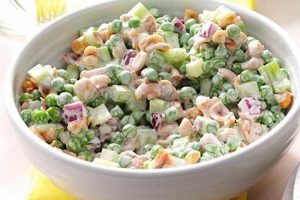
The earliest version of this iconic American salad, typically comprised of chopped salad greens (often romaine), tomatoes, crisp bacon, chicken breast, hard-boiled eggs, avocado, chives, blue cheese, and a vinaigrette dressing, emerged in the 1930s. Variations exist, but the core components remain relatively consistent, offering a balanced and flavorful combination of textures and tastes.
Its enduring popularity stems from its satisfying blend of protein, healthy fats, and fresh produce. The combination of ingredients offers a complete meal in a single bowl, appealing to diverse palates. Attributed to Robert H. Cobb, owner of the Brown Derby restaurant in Hollywood, the dish quickly became a classic, and its simple yet elegant composition continues to be enjoyed today. Understanding its historical context provides valuable insight into the evolution of American cuisine.
This article will delve deeper into the components of this classic dish, explore variations, provide guidance on preparation techniques, and offer tips for achieving optimal flavor and presentation.
Tips for a Superior Cobb Salad
Achieving optimal flavor and presentation requires attention to detail and careful selection of ingredients. The following tips offer guidance for creating a truly exceptional salad experience.
Tip 1: Ingredient Quality is Paramount: Utilize fresh, high-quality ingredients. Select ripe, flavorful tomatoes, crisp romaine lettuce, and premium bacon and blue cheese. The quality of the ingredients directly impacts the final result.
Tip 2: Precision in Preparation: Dice ingredients into uniform sizes for visual appeal and even distribution of flavors. This ensures a consistent bite and enhances the overall dining experience.
Tip 3: Crispness is Key: Thoroughly dry lettuce after washing to prevent a soggy salad. Properly cooked, crispy bacon adds textural contrast. Avoid overcooking the bacon to maintain its crispness.
Tip 4: Chicken Considerations: Grilled, roasted, or poached chicken breast can be utilized. Ensure the chicken is cooked thoroughly but remains moist and tender. Consider marinating the chicken for enhanced flavor.
Tip 5: The Avocado Advantage: Add the avocado just before serving to prevent browning. Perfectly ripe avocados provide a creamy texture and rich flavor that complements the other components.
Tip 6: Dressing Decisions: A classic vinaigrette is traditional, but variations exist. Consider a red wine vinaigrette, or experiment with other complementary dressings. Dress the salad lightly just before serving to prevent the lettuce from wilting.
Tip 7: Arrangement Artistry: Arrange the ingredients in neat rows or sections for an attractive presentation. This allows diners to appreciate the individual components and creates a visually appealing dish.
By following these tips, one can elevate this classic salad from simple to exceptional. Attention to detail and a commitment to quality ingredients ensures a delightful culinary experience.
This exploration of tips and techniques provides a foundation for crafting a superior Cobb salad. The following section will conclude with a summary of key takeaways and suggestions for further exploration.
1. Crisp Bacon

Crisp bacon plays a crucial role in the original Cobb salad recipe, contributing significantly to its textural complexity and overall flavor profile. Its presence provides a savory, salty counterpoint to the fresh vegetables and creamy elements, making it an essential component of this classic dish. Understanding its contribution is key to appreciating the carefully balanced composition of the original Cobb salad.
- Texture and Contrast:
The crisp texture of properly cooked bacon provides a satisfying contrast to the softer textures of the lettuce, tomatoes, avocado, and chicken. This textural interplay is a defining characteristic of the Cobb salad, elevating it beyond a simple mix of ingredients. The brittle bacon shatters against the other components, creating a dynamic and enjoyable mouthfeel.
- Flavor Enhancement:
Bacon imparts a rich, smoky, and salty flavor that complements the other ingredients. The rendered bacon fat also subtly coats the other components, adding another layer of flavor. This umami richness enhances the overall taste experience, balancing the freshness of the vegetables and the tanginess of the blue cheese.
- Visual Appeal:
The visually striking reddish-brown hue of crisp bacon adds color and visual interest to the salad. Its crumbled form distributes evenly throughout the salad, creating a visually appealing presentation. The contrast of the bacon against the vibrant greens and other colorful ingredients enhances the overall aesthetic of the dish.
- Historical Significance:
The inclusion of bacon in the original Cobb salad reflects the culinary preferences of the era in which it was created. Its presence contributes to the dish’s historical context and enduring appeal. As a readily available and popular ingredient in American cuisine, bacon’s inclusion cemented its place in this iconic salad.
The interplay of these facetstexture, flavor, visual appeal, and historical contextdemonstrates the integral role crisp bacon plays in the original Cobb salad recipe. Its inclusion is not merely incidental but a deliberate choice that contributes significantly to the salads balanced and satisfying character. Omitting or substituting this key ingredient would fundamentally alter the experience and detract from the authenticity of this classic dish.
2. Romaine Lettuce
Romaine lettuce forms the foundational layer of the original Cobb salad recipe. Its selection as the preferred green is not arbitrary but contributes significantly to the salad’s overall character and textural profile. Understanding its role provides essential context for appreciating the balance and complexity of this classic dish.
- Structure and Texture:
Romaine lettuce offers a sturdy, crisp structure with a slightly bitter flavor that complements the other ingredients. Its elongated leaves provide a substantial base for the salad, holding the other components without becoming soggy. The robust leaves offer a satisfying crunch, contrasting with the creamy avocado and other softer elements.
- Flavor Profile:
The subtle bitterness of romaine lettuce balances the richness of the bacon, blue cheese, and avocado. Its refreshing, slightly peppery taste provides a counterpoint to the heavier ingredients, preventing the salad from becoming overly rich. This balance is essential for the harmonious blend of flavors characteristic of a well-made Cobb salad.
- Visual Presentation:
The vibrant green color of romaine lettuce provides a visually appealing backdrop for the other, more colorful ingredients. Its structural integrity allows for attractive plating and presentation. The contrasting colors and textures create an aesthetically pleasing dish, enhancing the overall dining experience.
- Nutritional Value:
Romaine lettuce contributes essential vitamins and nutrients, adding to the overall nutritional value of the salad. Its inclusion aligns with the principles of a balanced meal, combining fresh produce with protein and healthy fats. This nutritional aspect further elevates the Cobb salad’s appeal as a complete and satisfying meal option.
The carefully considered inclusion of romaine lettuce highlights the thoughtful composition of the original Cobb salad recipe. Its structural integrity, complementary flavor profile, visual appeal, and nutritional benefits contribute significantly to the dish’s enduring popularity and status as a culinary classic. Selecting a different type of lettuce would fundamentally alter the salad’s character, demonstrating the essential role romaine lettuce plays in achieving the desired balance and complexity.
3. Grilled Chicken
Grilled chicken holds a prominent position within the original Cobb salad recipe, contributing significantly to its nutritional value and overall flavor profile. Its inclusion provides a lean protein source, complementing the other ingredients and establishing the salad as a balanced and satisfying meal. The grilling process imparts a distinctive smoky char that enhances the complexity of the dish. This method of preparation distinguishes the Cobb from other salads that might incorporate different protein sources or cooking techniques.
The choice of grilled chicken impacts the salad’s nutritional composition, adding a substantial source of lean protein while minimizing added fats. Compared to fried chicken or other protein options, grilling aligns with a health-conscious approach to dining. Moreover, the charring achieved through grilling adds a depth of flavor absent in other cooking methods. This smoky nuance complements the richness of the bacon and blue cheese, creating a more complex and layered taste experience. Examples include the enhanced flavor profile achieved by using a marinade before grilling, or the textural contrast created by dicing the grilled chicken into bite-sized pieces.
Understanding the specific contribution of grilled chicken clarifies its essential role in the original Cobb salad recipe. It provides not just a protein source but a deliberate flavor and textural component that distinguishes the Cobb from other salads. Recognizing this nuanced interplay of ingredients provides a deeper appreciation for the classic dish and its enduring appeal. While variations may exist, the use of grilled chicken remains a defining characteristic of the original Cobb salad, underscoring its importance in achieving the intended balance of flavors and textures.
4. Hard-boiled Eggs
Hard-boiled eggs represent a crucial element within the original Cobb salad recipe, contributing not only nutritional value but also textural and visual richness. Their inclusion offers a source of complete protein and essential nutrients, complementing the other ingredients and solidifying the salad’s status as a balanced meal. Furthermore, the distinct texture and visual contrast provided by sliced or quartered hard-boiled eggs enhance the overall dining experience.
The firm, yet yielding texture of hard-boiled eggs provides a counterpoint to the crispness of the lettuce and bacon, and the creaminess of the avocado. This interplay of textures is a defining characteristic of the Cobb salad, elevating it beyond a mere mixture of ingredients. Visually, the bright white and yellow hues of the egg slices create a striking contrast against the vibrant greens and other colorful components, enhancing the salad’s presentation. Classic examples include arranging the egg slices in rows or sections, further highlighting their visual contribution.
Understanding the multifaceted role of hard-boiled eggs within the original Cobb salad recipe underscores their importance. They contribute nutritional value, textural complexity, and visual appeal, demonstrating the carefully balanced composition of this classic dish. Preparation methods, such as ensuring the eggs are cooked to the desired consistency and properly chilled before slicing, directly impact the final outcome. Recognizing these nuances provides a deeper appreciation for the deliberate inclusion of each ingredient in the original Cobb salad and its enduring appeal.
5. Blue Cheese Crumbles
Blue cheese crumbles constitute a defining element of the original Cobb salad recipe, contributing a distinct pungent and salty flavor profile that complements the other ingredients. Their inclusion is not merely incidental; it provides a crucial layer of complexity, distinguishing the Cobb from other salads and solidifying its unique character. Understanding the role of blue cheese crumbles provides key insights into the carefully balanced composition of this classic dish.
- Flavor Profile:
Blue cheese offers a sharp, tangy, and salty flavor that contrasts with the other ingredients, creating a balanced flavor profile. The pungent notes of the cheese cut through the richness of the bacon and avocado, adding a layer of complexity that elevates the overall taste experience. Different varieties of blue cheese, such as Roquefort or Gorgonzola, can offer subtle variations in intensity and flavor, further influencing the final result.
- Textural Contribution:
The crumbly texture of blue cheese provides a textural contrast to the other ingredients, adding another dimension to the salad. The crumbles disperse throughout the salad, ensuring an even distribution of flavor and texture in each bite. The size of the crumbles can also be adjusted, offering further control over the textural experience.
- Visual Appeal:
The distinctive blue veining in the cheese adds visual interest to the salad, enhancing its presentation. The vibrant color contrasts with the greens and other ingredients, creating a visually appealing dish. The distribution of the crumbles also contributes to the overall aesthetic, ensuring a balanced and harmonious presentation.
- Historical Context:
The inclusion of blue cheese in the original Cobb salad reflects the culinary trends of the time and contributes to the dish’s historical significance. Its presence helps to define the Cobb salad as a product of its era, distinguishing it from other salads that emerged later. Furthermore, the enduring popularity of this ingredient speaks to its lasting appeal within the context of American cuisine.
The combined impact of these facetsflavor, texture, visual appeal, and historical contextdemonstrates the integral role blue cheese crumbles play in the original Cobb salad recipe. The careful selection and inclusion of this ingredient underscore the deliberate composition of the salad and its enduring appeal as a culinary classic. Substituting or omitting the blue cheese would fundamentally alter the experience, highlighting its essential contribution to the overall balance and complexity of the original Cobb salad.
6. Classic Vinaigrette
A classic vinaigrette is intrinsically linked to the original Cobb salad recipe, serving as more than just a dressing; it acts as a unifying element that harmonizes the diverse flavors and textures. The vinaigrette’s acidity cuts through the richness of the bacon, blue cheese, and avocado, while its subtle sweetness complements the fresh vegetables. This balance is crucial to the Cobb’s success, preventing any single ingredient from overpowering the others. A properly balanced vinaigrette enhances the overall experience, creating a cohesive and satisfying dish. For example, a red wine vinaigrette, with its tartness and subtle fruit notes, complements the savory elements of the salad without masking the individual flavors.
The classic vinaigrette’s role extends beyond flavor enhancement. Its emulsified nature lightly coats the ingredients, contributing to the salad’s textural appeal. This coating also helps to prevent the lettuce from wilting, maintaining its crispness even after the dressing is applied. Furthermore, the vinaigrette contributes to the visual appeal of the salad, adding a glossy sheen that enhances the vibrancy of the colors. Consider the difference between a Cobb salad dressed with a perfectly balanced vinaigrette and one with a heavy, overly acidic dressing. The former enhances the salad’s flavors and textures, while the latter can mask the delicate nuances of the ingredients and make the lettuce soggy.
Understanding the crucial role of the classic vinaigrette provides insights into the original Cobb salad’s enduring appeal. It’s not simply a matter of adding any dressing; the specific characteristics of a well-made vinaigrette contribute significantly to the balance, texture, and overall enjoyment of the dish. Achieving the correct balance of oil, vinegar, and seasonings is crucial for a successful Cobb salad. Challenges can include over-emulsifying the vinaigrette, resulting in a thick, heavy dressing, or using an overly acidic vinegar that masks the other flavors. Appreciating the interplay between the classic vinaigrette and the other ingredients provides a deeper understanding of this culinary classic and its enduring popularity.
Frequently Asked Questions
This section addresses common inquiries regarding the composition, preparation, and historical context of the Cobb salad.
Question 1: What distinguishes the Cobb salad from other salads?
The Cobb salad distinguishes itself through its specific combination of ingredients: chopped salad greens (typically romaine), tomatoes, crispy bacon, chicken breast, hard-boiled eggs, avocado, chives, blue cheese, and a vinaigrette dressing. This combination, along with its presentationingredients arranged in neat rows or sectionssets it apart.
Question 2: Can the ingredients be modified?
While variations exist, the core ingredients define the Cobb salad. Substitutions can be made, but significant deviations may result in a different salad altogether. Understanding the balance of flavors and textures is crucial when considering modifications.
Question 3: What is the origin of the Cobb salad?
The Cobb salad is attributed to Robert H. Cobb, owner of the Brown Derby restaurant in Hollywood, in the 1930s. Its origin story contributes to its status as a classic American dish.
Question 4: What type of dressing is traditionally used?
A classic vinaigrette, often a red wine vinaigrette, is the traditional dressing for a Cobb salad. The vinaigrette’s acidity complements the richness of the other ingredients, creating a balanced flavor profile.
Question 5: Is the Cobb salad considered a healthy meal option?
The Cobb salad offers a balance of protein, healthy fats, and fresh produce. While it can be a nutritious choice, the calorie content can vary depending on ingredient choices and portion sizes.
Question 6: What are some key tips for preparing a Cobb salad?
Using high-quality, fresh ingredients is paramount. Dicing ingredients uniformly ensures even distribution of flavors and textures. Properly cooked, crispy bacon and perfectly ripe avocados are essential for optimal flavor and texture. Finally, adding the dressing just before serving prevents the lettuce from wilting.
This FAQ section provides a concise overview of key aspects of the Cobb salad. A thorough understanding of these elements contributes to a deeper appreciation of this classic dish.
This concludes the frequently asked questions section. The following section will offer final thoughts and concluding remarks.
The Enduring Appeal of the Original Cobb Salad Recipe
This exploration of the original Cobb salad recipe has highlighted its key components and their contributions to the dish’s enduring popularity. From the crisp romaine lettuce and flavorful bacon to the creamy avocado and tangy blue cheese, each ingredient plays a specific role in creating a balanced and satisfying culinary experience. The classic vinaigrette, with its balanced acidity and subtle sweetness, further enhances the interplay of flavors and textures. An understanding of the historical context and the deliberate combination of ingredients provides a deeper appreciation for this American classic.
The Cobb salad’s enduring appeal lies in its ability to offer a complete and satisfying meal that balances fresh produce, lean protein, and healthy fats. Its adaptability to variations while maintaining its core identity ensures its continued relevance in contemporary cuisine. Further exploration of individual ingredient sourcing and preparation techniques offers opportunities for culinary refinement and personalized interpretations of this timeless classic. The original Cobb salad recipe serves as a testament to the power of simple, high-quality ingredients combined with thoughtful composition, offering a culinary experience that transcends generations.