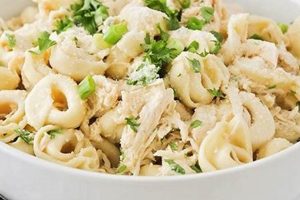
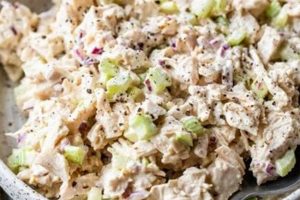
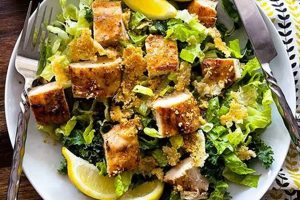
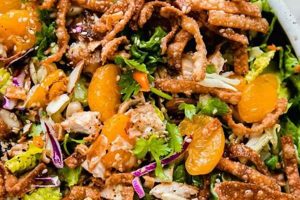
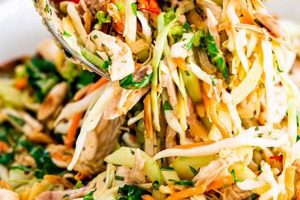
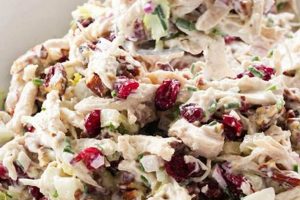
A chicken salad prepared without mayonnaise offers a lighter alternative to the traditional version. This style of salad typically relies on other ingredients for moisture and flavor, such as yogurt, avocado, or a vinaigrette dressing. A simple example might include cooked chicken, celery, onion, grapes, and a lemon-herb dressing.
This approach can significantly reduce the fat and calorie content, making it a healthier choice. It also caters to those who dislike mayonnaise or have egg allergies. Historically, mayonnaise-based salads became popular with the increased availability of commercially produced mayonnaise. Recipes omitting mayonnaise likely predate this period, reflecting earlier salad traditions.
Further exploration will cover various ingredient combinations, preparation methods, and nutritional information for creating flavorful and healthy mayonnaise-free chicken salads.
Tips for Crafting Delicious Mayonnaise-Free Chicken Salads
Creating a flavorful chicken salad without mayonnaise requires careful consideration of ingredients and techniques. These tips offer guidance for achieving optimal results.
Tip 1: Moisture is Key. Since mayonnaise provides both flavor and moisture, its absence must be addressed. Consider incorporating ingredients like Greek yogurt, mashed avocado, or a light vinaigrette to prevent dryness.
Tip 2: Embrace Acidity. A touch of acid brightens the flavors and balances the richness of the chicken. Lemon juice, vinegar, or a splash of white wine are excellent choices.
Tip 3: Texture Variation Adds Interest. Include a variety of textures. Crunchy celery, crisp grapes, and toasted nuts complement the tender chicken.
Tip 4: Seasoning is Essential. Fresh herbs, spices, and salt and pepper enhance the overall flavor profile. Experiment with combinations like dill and lemon, or tarragon and chives.
Tip 5: Chill Thoroughly. Chilling allows the flavors to meld and enhances the salad’s refreshing qualities. Refrigerate for at least 30 minutes before serving.
Tip 6: Consider the Chicken. Poached or roasted chicken breast provides a clean flavor and tender texture. Shredding or dicing the chicken ensures even distribution throughout the salad.
Tip 7: Explore Different Flavor Profiles. The absence of mayonnaise opens up possibilities for diverse flavor combinations. Consider incorporating curry powder, chopped apples, or dried cranberries for unique variations.
By following these tips, one can create a chicken salad that is both healthy and delicious. The resulting dish offers a satisfying and flavorful experience without relying on mayonnaise.
These techniques provide a foundation for creating a range of mayonnaise-free chicken salads suitable for various tastes and dietary preferences.
1. Healthier Alternative
The healthier alternative aspect of no-mayo chicken salad recipes directly addresses the nutritional implications of omitting mayonnaise. Mayonnaise, while contributing flavor and texture, is high in fat and calories. Exploring alternatives offers a way to create a similarly satisfying dish with a reduced nutritional burden.
- Reduced Fat Content
Eliminating mayonnaise significantly lowers the overall fat content, particularly saturated fat. This reduction can be substantial, depending on the chosen alternative. For individuals monitoring fat intake, this represents a significant benefit. Replacing mayonnaise with Greek yogurt, for example, provides a creamy texture while drastically cutting saturated fat.
- Lower Calorie Count
The high fat content of mayonnaise directly translates to a high calorie count. No-mayo recipes often offer a lower-calorie alternative. This can be beneficial for weight management or simply for choosing a lighter meal option. Using a vinaigrette dressing instead of mayonnaise, for example, can save a considerable number of calories per serving.
- Increased Nutritional Value
Depending on the chosen substitute, no-mayo chicken salads can offer increased nutritional value. Greek yogurt, for instance, is a good source of protein and calcium. Avocado contributes healthy fats and fiber. These additions not only replace the mayonnaise but also enhance the nutritional profile of the dish.
- Dietary Accommodations
No-mayo recipes often cater to specific dietary needs. Individuals with egg allergies or sensitivities can safely enjoy chicken salad without mayonnaise. Furthermore, those following specific diets, such as low-fat or ketogenic diets, can incorporate these recipes more easily.
By focusing on these facets, no-mayo chicken salad recipes provide a demonstrably healthier alternative to traditional versions. The reduction in fat and calories, coupled with the potential for increased nutritional value and dietary accommodation, solidifies the role of these recipes as a health-conscious choice.
2. Flavor Variations

Flavor variations represent a significant advantage of no-mayo chicken salad recipes. The absence of mayonnaise, a dominant flavor in traditional preparations, allows other ingredients to take center stage. This opens a wide spectrum of possibilities, enabling the creation of diverse and nuanced flavor profiles. For example, a Greek yogurt base provides a tangy backdrop that complements additions like dill, lemon, and cucumber. Alternatively, a curry-infused chicken salad can be achieved with a yogurt or avocado base, incorporating spices like turmeric, cumin, and ginger. The inherent neutrality of these bases allows for greater flexibility in flavor exploration.
This versatility extends beyond individual ingredients to broader culinary influences. Asian-inspired chicken salad might utilize a sesame-ginger dressing, incorporating ingredients like shredded carrots, edamame, and chopped cilantro. A Mediterranean-style version could employ a lemon-herb vinaigrette, featuring Kalamata olives, feta cheese, and sun-dried tomatoes. These examples illustrate the capacity of no-mayo chicken salad recipes to transcend traditional boundaries and embrace a global palate. Furthermore, seasonal ingredients can be readily incorporated, offering dynamic and ever-changing flavor experiences.
The ability to tailor flavor profiles to individual preferences represents a crucial aspect of no-mayo chicken salad recipes. This customization allows for greater control over the final product, catering to specific dietary needs or taste preferences. The absence of mayonnaise, rather than limiting creativity, becomes a catalyst for culinary exploration. This flexibility allows the dish to move beyond a simple staple and become a canvas for diverse and personalized culinary expressions.
3. Ingredient Substitutions
Ingredient substitutions are central to the concept of a no-mayo chicken salad recipe. Successfully replacing mayonnaise requires understanding its functional rolesproviding moisture, creaminess, and tangand finding suitable alternatives that replicate these characteristics while offering distinct flavor profiles and health benefits.
- Replicating Creaminess
Mayonnaise contributes a significant creamy texture. Substitutes must achieve a similar consistency. Greek yogurt offers a comparable creaminess while adding a tangy element. Mashed avocado provides a smooth, rich texture with healthy fats. Pureed cottage cheese, though less common, presents another lower-fat option for achieving a creamy consistency.
- Enhancing Moisture
Mayonnaise also adds moisture, preventing the salad from becoming dry. Alternatives must compensate for this. Greek yogurt and avocado effectively retain moisture. A light vinaigrette, while not creamy, contributes moisture and flavor. Adding a small amount of olive oil can also supplement moisture while enhancing the richness of the salad.
- Balancing Flavor
Mayonnaise imparts a distinct flavor profile. Substitutions offer opportunities to introduce alternative flavors. Lemon juice or vinegar can replicate mayonnaise’s tang. Fresh herbs, such as dill, chives, or tarragon, can add complexity and brightness. Spices, like curry powder or smoked paprika, offer deeper, more savory notes.
- Addressing Dietary Needs
Ingredient substitutions can address specific dietary needs. For those avoiding eggs, mayonnaise alternatives are essential. Using substitutes like avocado or a vegan mayonnaise allows individuals with egg allergies to enjoy chicken salad. Furthermore, lower-fat options, such as Greek yogurt or a vinaigrette, cater to those following low-fat or calorie-restricted diets.
These facets of ingredient substitution illustrate the versatility and adaptability of no-mayo chicken salad recipes. Careful consideration of these elements allows for the creation of flavorful, healthy, and personalized variations that cater to a wide range of preferences and dietary needs. Ultimately, ingredient substitutions empower individuals to move beyond traditional limitations and reimagine chicken salad as a dynamic and adaptable dish.
4. Texture Considerations
Texture considerations play a crucial role in the success of a no-mayo chicken salad recipe. The absence of mayonnaise, which contributes a significant creamy texture, necessitates careful attention to the textural balance of the remaining ingredients. A successful no-mayo chicken salad should offer a pleasing combination of textures, avoiding a result that is overly dry, mushy, or monotonous.
Several factors influence the final texture. The choice of chicken, whether diced, shredded, or pulled, impacts the overall mouthfeel. Dicing creates distinct pieces, while shredding offers a finer texture. The incorporation of vegetables introduces textural variety. Crisp celery and red onion provide a refreshing crunch, while grapes or dried cranberries offer a burst of juiciness. Nuts, such as almonds or walnuts, contribute a satisfying chewiness and complexity. Consider a salad with shredded chicken, finely diced celery, and chopped walnutsthe interplay of textures creates a more dynamic and enjoyable culinary experience than a salad composed solely of shredded chicken.
The chosen mayonnaise alternative also influences texture. Greek yogurt provides a creamy texture similar to mayonnaise but with a tangier flavor. Mashed avocado creates a smoother, richer consistency. A vinaigrette-based dressing results in a lighter, less creamy texture. Understanding these textural nuances allows for strategic ingredient selection and preparation techniques to achieve the desired balance. Over-reliance on soft ingredients, such as avocado and shredded chicken, can result in a homogenous and less appealing texture. Incorporating crunchy elements like chopped nuts or diced vegetables prevents this issue.
Ultimately, successful texture management elevates the no-mayo chicken salad from a simple dish to a more complex and satisfying culinary experience. Attention to texture is essential for replicating the satisfying mouthfeel of traditional chicken salad without relying on mayonnaise. Achieving this balance enhances the overall enjoyment and perceived quality of the dish. This awareness empowers one to create a well-rounded and enjoyable culinary experience.
5. Dietary Restrictions

Dietary restrictions often necessitate modifications to traditional recipes. The no-mayo chicken salad recipe provides a flexible framework for accommodating various dietary needs, particularly those related to egg allergies, lactose intolerance, gluten sensitivity, and low-fat diets. This adaptability makes it a valuable option for individuals seeking flavorful and compliant meal choices.
- Egg Allergies
Traditional chicken salad relies on mayonnaise, an egg-based ingredient. Individuals with egg allergies must avoid mayonnaise entirely. No-mayo chicken salad recipes offer a safe alternative, using substitutes like avocado, Greek yogurt, or vegan mayonnaise. This allows those with egg allergies to enjoy a classic dish without compromising their health.
- Lactose Intolerance
While mayonnaise does not contain lactose, some individuals with lactose intolerance may be sensitive to certain brands or types of mayonnaise. No-mayo chicken salad offers greater control over ingredients, allowing for the use of lactose-free alternatives like avocado oil-based mayonnaise or a simple vinaigrette dressing. This ensures a safe and enjoyable meal for those with lactose sensitivities.
- Gluten Sensitivity
Although chicken salad is typically gluten-free, cross-contamination can occur if ingredients are processed in facilities that also handle gluten-containing products. No-mayo chicken salad, prepared with carefully selected gluten-free ingredients, minimizes this risk. Additionally, some mayonnaise brands may contain gluten as a stabilizer, making a no-mayo option inherently safer for individuals with celiac disease or gluten sensitivity.
- Low-Fat Diets
Mayonnaise is high in fat, posing a challenge for individuals following low-fat diets. No-mayo chicken salad recipes, particularly those utilizing Greek yogurt or a vinaigrette dressing, significantly reduce the overall fat content. This allows individuals managing their weight or cholesterol levels to incorporate this dish into their meal plans without exceeding dietary limitations.
The adaptability of no-mayo chicken salad recipes demonstrates their value within the context of various dietary restrictions. By offering ingredient flexibility and accommodating specific needs, these recipes empower individuals to enjoy flavorful and satisfying meals without compromising their dietary guidelines. The ability to customize ingredients and control the nutritional profile makes no-mayo chicken salad a versatile and valuable option for individuals seeking inclusive and adaptable meal choices.
6. Creative Customizations

Creative customizations represent a significant advantage of no-mayo chicken salad recipes. The absence of mayonnaise, a dominant flavor in traditional preparations, provides a blank canvas for culinary exploration. This allows for a broader range of flavor profiles and ingredient combinations, transforming a simple dish into a personalized culinary experience. The flexibility inherent in these recipes empowers experimentation and innovation.
- Global Flavor Profiles
The neutral base of a no-mayo chicken salad allows for the incorporation of diverse global flavors. Indian-inspired variations might include curry powder, mango chutney, and chopped cilantro. A Mediterranean twist could involve Kalamata olives, feta cheese, and a lemon-herb vinaigrette. East Asian influences might introduce soy sauce, sesame oil, and shredded ginger. These global adaptations demonstrate the versatility of the no-mayo approach, allowing for culinary exploration beyond traditional boundaries.
- Seasonal Ingredient Integration
No-mayo chicken salad readily adapts to seasonal ingredients. Spring variations might incorporate fresh asparagus, peas, and mint. Summer versions could feature ripe tomatoes, cucumbers, and basil. Autumnal recipes might include roasted butternut squash, dried cranberries, and pecans. Winter salads could showcase chopped apples, dried figs, and walnuts. This adaptability ensures a dynamic and ever-evolving culinary experience, reflecting the freshest flavors of each season.
- Textural Innovations
Beyond flavor, creative customizations extend to texture. Toasted nuts, such as almonds or pecans, provide a satisfying crunch. Water chestnuts or jicama offer a refreshing crispness. Seeds, like sunflower or pumpkin seeds, add a subtle nuttiness and textural complexity. These additions create a more dynamic and engaging mouthfeel, enhancing the overall sensory experience. The absence of mayonnaise necessitates a greater focus on textural interplay.
- Presentation and Serving Styles
Creative customizations extend beyond the salad itself to encompass presentation and serving styles. Serving the salad on crisp lettuce cups provides a refreshing and low-carbohydrate option. Stuffed avocados offer a visually appealing and flavorful presentation. Using the salad as a filling for wraps or sandwiches expands its versatility. These variations move beyond the traditional presentation of chicken salad as a simple scoop on a plate, offering more dynamic and engaging serving options.
These facets of creative customization highlight the transformative potential of the no-mayo chicken salad recipe. By embracing experimentation and exploring diverse ingredients, flavors, and presentations, this simple dish becomes a canvas for personalized culinary expression. This adaptability not only caters to a wider range of palates but also elevates the dish from a basic staple to a more dynamic and engaging culinary creation. The possibilities are limited only by imagination and available ingredients.
Frequently Asked Questions
This section addresses common inquiries regarding no-mayo chicken salad recipes, offering concise and informative responses.
Question 1: What are the primary benefits of omitting mayonnaise?
Omitting mayonnaise reduces fat and calorie content, caters to egg allergies and sensitivities, and expands flavor profile opportunities.
Question 2: What are suitable replacements for mayonnaise?
Suitable replacements include Greek yogurt, mashed avocado, pureed cottage cheese, or a light vinaigrette dressing. The best choice depends on desired flavor and texture.
Question 3: How can dryness be prevented without mayonnaise?
Dryness can be prevented by incorporating moist ingredients like Greek yogurt or avocado, or by adding a small amount of olive oil or a light vinaigrette.
Question 4: How can flavor be enhanced without mayonnaise’s richness?
Flavor can be enhanced through fresh herbs, spices, lemon juice, vinegar, or other acidic elements. Experimentation is encouraged.
Question 5: Is no-mayo chicken salad suitable for specific diets?
Yes, no-mayo chicken salad can be adapted for various diets, including egg-free, lactose-free, gluten-free, and low-fat diets, through careful ingredient selection.
Question 6: How long can no-mayo chicken salad be stored?
Storage time depends on the ingredients used. Generally, it can be stored in an airtight container in the refrigerator for up to three days. Recipes using more perishable ingredients, like avocado, may have a shorter shelf life.
Understanding these aspects of no-mayo chicken salad allows for informed choices regarding ingredients, preparation, and storage.
This information provides a comprehensive foundation for creating and enjoying flavorful and healthy mayonnaise-free chicken salad.
No Mayo Chicken Salad Recipe
Exploration of the no-mayo chicken salad recipe reveals a versatile and adaptable dish. Key advantages include reduced fat and calorie content compared to traditional mayonnaise-based versions, accommodation of various dietary restrictions, and expanded opportunities for flavor exploration and creative customization. Ingredient substitutions, texture management, and a nuanced understanding of flavor profiles are crucial for successful preparation. Addressing common inquiries regarding ingredient alternatives, storage, and dietary suitability provides a comprehensive resource for both novice and experienced cooks.
The no-mayo chicken salad recipe offers a pathway to healthier and more personalized culinary experiences. This approach empowers individuals to embrace culinary creativity while prioritizing health and dietary needs. Continued exploration of ingredient combinations and global flavor profiles promises further evolution of this adaptable dish. The potential for innovation within this culinary framework remains vast.