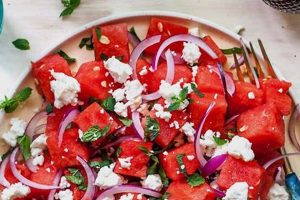
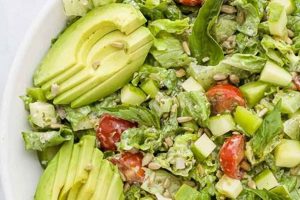
Dishes centered around fresh mozzarella cheese, combined with various complementary ingredients, offer a range of culinary possibilities. These preparations often highlight the cheese’s delicate flavor and creamy texture through pairings with tomatoes, basil, and balsamic glaze, as exemplified by the classic Caprese salad. However, the versatility of this cheese allows for diverse combinations, including roasted vegetables, olives, prosciutto, or various fruits.
Such culinary creations provide a refreshing and relatively light meal option, rich in protein, calcium, and other essential nutrients. The simplicity of preparation, combined with the potential for elegant presentation, makes these dishes suitable for a variety of occasions, from casual lunches to more formal gatherings. Historically, fresh mozzarella has its roots in Italian cuisine, particularly in the Campania region, where it is traditionally made with buffalo milk. The adaptation and evolution of these dishes across cultures have resulted in a wide array of interpretations and flavor profiles.
Further exploration will delve into specific ingredient combinations, preparation techniques, and variations suitable for different dietary needs and preferences. Considerations for sourcing high-quality ingredients and achieving optimal flavor balances will also be addressed.
Tips for Crafting Exceptional Mozzarella Salads
Achieving optimal flavor and presentation requires attention to detail throughout the preparation process. The following guidelines offer insights into elevating these dishes from simple to extraordinary.
Tip 1: Cheese Selection: Opt for high-quality, fresh mozzarella. Look for cheese packed in water or whey, which indicates better moisture content and flavor. Avoid pre-shredded varieties, as they often lack the desired texture.
Tip 2: Tomato Choice: Ripe, flavorful tomatoes are essential. Heirloom varieties offer a diverse range of flavors and colors. Consider using a mix of cherry tomatoes, sliced beefsteak tomatoes, or flavorful Roma tomatoes.
Tip 3: Balancing Flavors: The delicate flavor of mozzarella pairs well with a variety of ingredients. Consider incorporating fresh basil, balsamic glaze, olives, roasted red peppers, or prosciutto for complementary tastes and textures.
Tip 4: Seasoning: Enhance the flavors with a sprinkle of sea salt, freshly cracked black pepper, and a drizzle of high-quality olive oil. Experiment with herbs like oregano or thyme for added complexity.
Tip 5: Presentation: Arrange the ingredients thoughtfully for an appealing visual presentation. Consider layering components, using different colors and textures, and garnishing with fresh herbs or edible flowers.
Tip 6: Temperature: Serve the salad slightly chilled or at room temperature to allow the flavors to fully develop. Avoid serving the cheese directly from the refrigerator, as cold temperatures can dull the flavor and texture.
Tip 7: Timing: For optimal freshness, assemble the salad close to serving time. This prevents the ingredients from becoming soggy and ensures the best possible flavor and texture.
By focusing on these considerations, one can create dishes that showcase the inherent qualities of fresh mozzarella and its complementary ingredients, resulting in a truly satisfying culinary experience.
These insights provide a foundation for crafting delicious and visually appealing mozzarella-based salads, offering a pathway to culinary success in the kitchen.
1. Fresh, High-Quality Mozzarella

The foundation of any successful mozzarella salad rests upon the quality of the cheese itself. Fresh, high-quality mozzarella contributes significantly to the overall flavor, texture, and enjoyment of these dishes. Understanding the characteristics and nuances of this key ingredient is essential for achieving optimal results.
- Texture and Moisture:
Fresh mozzarella possesses a delicate, creamy texture and a high moisture content. This characteristic contributes to the pleasant mouthfeel and refreshing nature of the salad. Lower-quality mozzarella may exhibit a rubbery texture or excessive dryness, detracting from the overall sensory experience. The ideal texture melts slightly on the palate, complementing the other ingredients.
- Flavor Profile:
High-quality mozzarella offers a clean, milky, slightly tangy flavor that harmonizes with the other components of the salad. This subtle tanginess provides a counterpoint to the sweetness of ripe tomatoes or the saltiness of cured meats. Inferior mozzarella might exhibit blandness or off-flavors that compromise the balance of the dish.
- Source and Production:
The source of the milk and the production method influence the final product’s characteristics. Traditionally, mozzarella di bufala campana, made from water buffalo milk, is prized for its rich flavor and creamy texture. Cow’s milk mozzarella, while more common, can also offer excellent quality when produced using fresh, high-quality milk and traditional techniques. Mass-produced mozzarella often lacks the nuanced flavors and textures of artisanal varieties.
- Visual Appeal:
The appearance of fresh mozzarella contributes to the visual appeal of the salad. Its pristine white color provides a striking contrast against colorful vegetables and vibrant herbs. The smooth, glistening surface adds a touch of elegance to the presentation. The visual appeal enhances the overall dining experience.
The selection of fresh, high-quality mozzarella directly impacts the overall success of mozzarella salad recipes. The interplay of texture, flavor, source, and visual appeal elevates these dishes from simple to exceptional, highlighting the importance of this key ingredient. Investing in superior quality mozzarella ensures a more satisfying and enjoyable culinary experience.
2. Ripe, flavorful tomatoes
The success of a mozzarella salad hinges significantly on the quality and ripeness of the tomatoes selected. Ripe, flavorful tomatoes provide essential sweetness, acidity, and juiciness that complement the creamy richness of mozzarella. This symbiotic relationship elevates the salad beyond a simple combination of ingredients, creating a harmonious balance of flavors and textures. Underripe or bland tomatoes, conversely, can detract from the overall experience, resulting in a lackluster dish. The selection of appropriate tomato varieties further enhances the complexity of the salad. For example, heirloom tomatoes, with their diverse range of colors, flavors, and textures, offer a unique dimension compared to standard varieties. Sweet cherry tomatoes contribute a burst of concentrated flavor, while larger beefsteak tomatoes provide a substantial, juicy base.
The interplay between tomatoes and mozzarella extends beyond mere flavor. The contrasting texturesthe creamy smoothness of the cheese against the juicy firmness of the tomatocreate a satisfying mouthfeel. Visually, the vibrant colors of ripe tomatoes, ranging from deep reds and oranges to vibrant yellows and even stripes of green, enhance the aesthetic appeal of the salad. This visual appeal adds another layer of enjoyment to the culinary experience. Furthermore, the inherent moisture content of ripe tomatoes contributes to the overall freshness and juiciness of the salad, preventing it from becoming dry or bland. The practical significance of choosing ripe tomatoes becomes evident in the final product: a vibrant, flavorful, and texturally satisfying salad that showcases the best of both ingredients.
In summary, the importance of ripe, flavorful tomatoes in mozzarella salad recipes cannot be overstated. Their contribution to flavor, texture, visual appeal, and overall freshness elevates the dish from simple to exceptional. Careful selection of tomato varieties, considering their individual characteristics and how they complement the mozzarella, ensures a harmonious and delightful culinary experience. This understanding allows for the creation of salads that truly showcase the potential of these two key ingredients.
3. Complementary Ingredients

Beyond the foundational pairing of mozzarella and tomatoes, complementary ingredients play a crucial role in elevating mozzarella salad recipes. These additions contribute layers of flavor, texture, and visual interest, transforming a simple dish into a complex and satisfying culinary experience. The careful selection and balance of these supporting components are essential for achieving optimal results.
- Fresh Herbs:
Fresh herbs provide aromatic complexity and vibrant color. Basil, a classic pairing with mozzarella and tomatoes, offers a sweet, slightly peppery flavor. Other options include oregano, mint, or chives, each contributing a unique dimension to the salad. The freshness of the herbs enhances the overall brightness and vibrancy of the dish. For example, a chiffonade of basil adds a touch of elegance while chopped mint introduces a refreshing coolness.
- Acids and Oils:
A touch of acidity brightens the flavors and balances the richness of the mozzarella. Balsamic glaze, a reduction of balsamic vinegar, provides a sweet and tangy complexity. Lemon juice or red wine vinegar offer sharper, more acidic notes. High-quality olive oil contributes a fruity, peppery flavor and a luxurious mouthfeel. The combination of acid and oil creates a harmonious dressing that enhances the other ingredients. A drizzle of balsamic glaze over a Caprese salad, for example, adds both visual appeal and a concentrated burst of flavor.
- Savory Additions:
Savory elements introduce depth and complexity to the salad. Cured meats, such as prosciutto or salami, provide a salty, umami counterpoint to the creamy mozzarella. Olives, both green and black, offer a briny, salty flavor and a pleasant textural contrast. Roasted red peppers introduce a smoky sweetness. These additions elevate the salad beyond a simple vegetarian dish, providing a more substantial and satisfying meal. Thinly sliced prosciutto, draped over a salad with mozzarella and figs, exemplifies this interplay of flavors and textures.
- Textural Contrasts:
Incorporating ingredients with contrasting textures enhances the sensory experience of the salad. Toasted pine nuts or walnuts add a satisfying crunch. Crumbled croutons provide a crispy element. Even the choice of tomatoes can contribute to textural variety; cherry tomatoes offer a burst of juiciness, while larger, sliced tomatoes provide a more substantial bite. These textural variations prevent the salad from becoming monotonous, creating a more dynamic and engaging culinary experience. A Caprese salad with the addition of toasted pine nuts, for example, offers a pleasant interplay of creamy, juicy, and crunchy elements.
The strategic incorporation of complementary ingredients elevates mozzarella salad recipes from simple to sophisticated. The interplay of flavors, textures, and colors creates a harmonious and balanced dish. By considering the specific characteristics of each addition and how it interacts with the core components of mozzarella and tomatoes, one can craft salads that are both visually appealing and exceptionally flavorful. These additions not only enhance the taste but also contribute to the overall nutritional value and satisfaction of the dish.
4. Balanced Seasonings

Balanced seasonings play a pivotal role in mozzarella salad recipes, elevating the inherent flavors of the core ingredients without overpowering their delicate profiles. The subtlety of fresh mozzarella and the natural sweetness of ripe tomatoes necessitate a judicious approach to seasoning. An overabundance of salt, for instance, can mask the nuanced flavors of the cheese, while excessive pepper can clash with the delicate sweetness of the tomatoes. Achieving a harmonious balance is crucial. This involves understanding the interplay of salt, pepper, and other seasonings, and how they interact with the other components of the salad. For example, a Caprese salad, with its simple combination of mozzarella, tomatoes, and basil, benefits from a light sprinkle of sea salt and freshly cracked black pepper. This enhances the natural flavors without overwhelming them. The salt amplifies the sweetness of the tomatoes and the creaminess of the mozzarella, while the pepper adds a subtle bite.
Beyond salt and pepper, other seasonings can further enhance mozzarella salad recipes. A drizzle of high-quality olive oil contributes richness and a subtle peppery flavor. Fresh herbs, such as oregano or thyme, can introduce aromatic complexity. A touch of acidity, from balsamic glaze or lemon juice, brightens the flavors and balances the richness of the cheese. However, restraint is key. The goal is to complement, not overshadow, the primary ingredients. For example, a mozzarella salad with roasted vegetables might benefit from a sprinkle of smoked paprika or a drizzle of balsamic glaze. These additions complement the smoky flavors of the vegetables and the creamy mozzarella, creating a more complex and nuanced flavor profile. Understanding these interactions allows for the creation of salads that are both balanced and flavorful.
In conclusion, balanced seasonings are essential for maximizing the flavor potential of mozzarella salad recipes. The delicate nature of the core ingredients requires a thoughtful approach, emphasizing restraint and an understanding of flavor interactions. By carefully balancing salt, pepper, and other seasonings, one can create salads that showcase the inherent flavors of the ingredients, resulting in a harmonious and satisfying culinary experience. This approach allows for a greater appreciation of the quality and freshness of the components, highlighting the nuanced flavors that might otherwise be masked by excessive or inappropriate seasoning.
5. Thoughtful Presentation

Thoughtful presentation elevates mozzarella salad recipes from simple meals to visually appealing culinary experiences. The arrangement, color palette, and overall aesthetic contribute significantly to enjoyment and perception of flavor. Consideration of these visual elements enhances the dining experience, transforming a basic salad into a sophisticated dish. The following facets demonstrate the impact of thoughtful presentation on mozzarella salad recipes.
- Visual Appeal and Color Palette:
A visually appealing presentation enhances the perceived freshness and flavor of a mozzarella salad. The vibrant colors of ripe tomatoes, the pristine white of fresh mozzarella, and the deep green of basil create a naturally appealing color palette. Incorporating other colorful ingredients, such as roasted red peppers, yellow bell peppers, or dark purple olives, further enhances visual interest. Arranging these components thoughtfully, considering color contrasts and textures, creates a visually dynamic and appetizing presentation. A Caprese salad, for instance, benefits from the deliberate arrangement of sliced tomatoes and mozzarella, often interspersed with fresh basil leaves, creating a visually striking and recognizable pattern.
- Arrangement and Plating Techniques:
The arrangement of ingredients contributes significantly to the overall aesthetic. Consider layering components to create height and dimension. For example, a bed of mixed greens can provide a base for strategically placed slices of mozzarella, topped with halved cherry tomatoes and a scattering of fresh herbs. Alternatively, a more deconstructed approach, with artfully arranged dollops of mozzarella, wedges of tomatoes, and sprigs of basil, offers a modern and elegant aesthetic. The choice of serving dish also plays a role. A rustic wooden platter conveys a different feel than a sleek white porcelain plate. The plating technique should complement the style of the salad and the overall dining experience.
- Garnishes and Finishing Touches:
Garnishes provide the finishing touches that elevate the presentation. A simple sprinkle of freshly cracked black pepper or a drizzle of balsamic glaze adds both visual appeal and a burst of flavor. Fresh herbs, such as microgreens or edible flowers, contribute color and texture. A scattering of toasted pine nuts or a dusting of grated Parmesan cheese adds another layer of visual and textural interest. These small details demonstrate attention to detail and enhance the overall sensory experience. A Caprese salad garnished with a single, perfectly placed basil leaf, for example, exemplifies the impact of a well-chosen garnish.
- Context and Occasion:
The presentation should also consider the context and occasion. A casual lunch might call for a simpler, more rustic presentation, while a formal dinner might warrant a more refined and elegant approach. The size and shape of the salad portions should also be appropriate for the setting. Individual servings plated on separate dishes offer a more formal presentation, while a large, shared platter creates a more communal and relaxed atmosphere. The choice of servingware, cutlery, and accompanying elements, such as bread or beverages, further contribute to the overall dining experience.
Thoughtful presentation enhances the enjoyment of mozzarella salad recipes by engaging multiple senses. Visual appeal stimulates appetite, while the careful arrangement of ingredients and considered garnishes contribute to a more satisfying and memorable dining experience. By attending to these visual elements, one elevates a simple mozzarella salad from a basic dish to a culinary creation that is both visually appealing and delicious. The interplay of color, texture, and arrangement transforms the act of eating into a more holistic and enjoyable experience.
Frequently Asked Questions about Mozzarella Salad Recipes
This section addresses common inquiries regarding mozzarella salad preparation, ingredient selection, and storage. The objective is to provide clear and concise information to ensure optimal results and address potential concerns.
Question 1: What type of mozzarella is best suited for salads?
Fresh mozzarella, typically sold packed in water or whey, is ideal for salads. Avoid pre-shredded mozzarella, as it often lacks the desired texture and flavor.
Question 2: How can one determine the ripeness of tomatoes for a mozzarella salad?
Ripe tomatoes should yield slightly to gentle pressure and exhibit a vibrant color and fragrant aroma. Avoid tomatoes with blemishes or soft spots.
Question 3: What can be substituted for basil if it is unavailable?
If basil is unavailable, consider substituting other fresh herbs such as oregano, mint, or chives. Each offers a distinct flavor profile that can complement mozzarella and tomatoes.
Question 4: How should leftover mozzarella salad be stored?
Store leftover mozzarella salad in an airtight container in the refrigerator for up to two days. Consume promptly to maintain optimal flavor and texture. Note that the salad may release some liquid as it sits.
Question 5: Can other cheeses be used in place of mozzarella?
While mozzarella is traditional, other fresh cheeses like burrata or ricotta salata can offer interesting variations. Consider the flavor and texture profiles of alternative cheeses when substituting.
Question 6: How can one prevent a mozzarella salad from becoming watery?
Salting the tomatoes slightly and allowing them to rest before combining with the mozzarella can help draw out excess moisture and prevent a watery salad. Ensure the mozzarella is well-drained as well.
Understanding these aspects of mozzarella salad preparation allows for informed choices regarding ingredients and techniques, maximizing flavor and enjoyment. Proper storage practices further contribute to the quality and longevity of prepared salads.
The following section will offer a collection of specific mozzarella salad recipes, incorporating the principles and techniques discussed previously.
Conclusion
Explorations of mozzarella salad recipes reveal a broad spectrum of culinary possibilities based on a few core ingredients. Emphasis on ingredient quality, specifically fresh mozzarella and ripe tomatoes, remains paramount. Balancing flavors through the judicious use of herbs, oils, acids, and seasonings elevates these simple dishes. Thoughtful presentation further enhances the dining experience, demonstrating that visual appeal plays a crucial role alongside flavor and texture. Addressing frequently asked questions provides practical guidance for successful preparation and storage.
The adaptability of mozzarella salad recipes allows for continuous culinary exploration and personalized interpretations. From classic combinations to innovative variations, the potential for creativity remains vast. A deeper understanding of the underlying principlesingredient selection, flavor balance, and presentationempowers culinary enthusiasts to craft exceptional dishes. The enduring appeal of these recipes lies in their simplicity, freshness, and potential for endless variation.