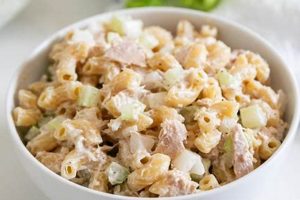
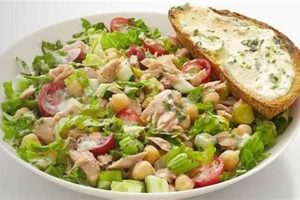
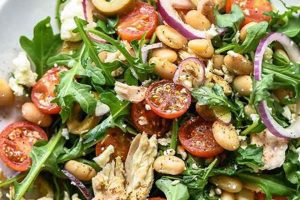
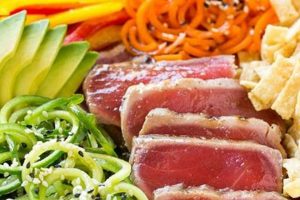
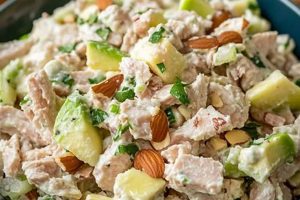
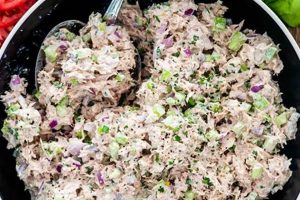
A healthier approach to the classic lunchtime staple, a lighter tuna salad typically incorporates lean protein from tuna, combined with low-fat and low-calorie ingredients to create a nutritious and satisfying meal. For example, Greek yogurt or a small amount of light mayonnaise can replace traditional mayonnaise, while additions like celery, onion, and seasonings contribute flavor and texture without significantly increasing caloric content. This approach offers a more figure-friendly version of the traditional dish.
Such dishes provide a substantial protein source crucial for muscle building and satiety, while keeping overall calorie intake in check. This makes these recipes ideal for individuals managing weight or following specific dietary plans. The rise in popularity of such recipes can be attributed to the increased awareness of health and wellness, with people seeking healthier alternatives to traditional comfort foods. The versatility of this dish allows for numerous variations, making it a sustainable and enjoyable component of a balanced diet.
The following sections will explore various approaches to creating these flavorful and healthy meals, including ingredient selection, preparation methods, and nutritional information, empowering readers to make informed choices and create their own personalized, light tuna salad.
Tips for Creating Lighter Tuna Salad
Creating a flavorful yet healthy tuna salad involves careful ingredient selection and preparation. The following tips offer guidance on achieving optimal results.
Tip 1: Choose Tuna Packed in Water: Opting for tuna packed in water instead of oil significantly reduces fat and calorie content without sacrificing protein.
Tip 2: Embrace Greek Yogurt: Greek yogurt offers a creamy, high-protein alternative to mayonnaise, reducing calories and adding a tangy flavor. Plain, non-fat varieties are recommended.
Tip 3: Maximize Flavor with Fresh Herbs and Spices: Incorporating fresh dill, parsley, chives, or spices like black pepper and paprika enhances the flavor profile without adding calories.
Tip 4: Add Crunchy Vegetables for Texture and Volume: Celery, red onion, bell peppers, or water chestnuts provide satisfying crunch and volume while keeping the calorie count low.
Tip 5: Boost Nutritional Value with Leafy Greens: Spinach, kale, or romaine lettuce add vitamins and minerals with minimal caloric impact.
Tip 6: Portion Control is Key: Even healthy versions should be consumed in moderation to manage overall calorie intake effectively.
Tip 7: Consider Lemon Juice or Vinegar for Zest: A splash of lemon juice or apple cider vinegar brightens the flavor and adds a refreshing touch.
By following these guidelines, one can create a delicious and nutritious tuna salad that supports health goals without compromising on taste or satisfaction.
Incorporating these tips allows for a versatile and adaptable approach to creating healthy meals. The subsequent section will provide several recipe variations to demonstrate these principles in practice.
1. Ingredient Selection

Ingredient selection is paramount in creating a truly low-calorie tuna salad. Careful choices directly impact the nutritional profile and overall calorie count of the final dish. The following facets illustrate key considerations for building a healthier and lighter tuna salad.
- Tuna:
The foundation of any tuna salad, the type of tuna selected plays a crucial role in calorie management. Opting for tuna packed in water rather than oil significantly reduces fat and calories. Draining the tuna thoroughly further minimizes excess liquid and potential added sodium. This choice establishes a lean protein base for the recipe.
- Binding Agent:
Traditional mayonnaise contributes significantly to the calorie density of tuna salad. Substituting plain, non-fat Greek yogurt or a small amount of light mayonnaise drastically reduces calories and fat while maintaining a creamy texture. Alternatively, mashed avocado offers healthy fats and a creamy consistency, although it should be used sparingly due to its higher calorie content.
- Vegetables:
Incorporating vegetables not only adds flavor and texture but also boosts nutritional value and increases volume without significantly increasing calories. Chopped celery, red onion, bell peppers, or water chestnuts offer satisfying crunch and fiber. Leafy greens like spinach or kale add vitamins and minerals with minimal caloric impact. These additions contribute to a more satisfying and nutritious meal.
- Flavor Enhancers:
Flavorful additions can elevate the taste profile without relying on excess calories. Fresh herbs like dill, parsley, and chives provide vibrant flavor, while spices like black pepper, paprika, and garlic powder offer depth without added calories. A splash of lemon juice or apple cider vinegar adds a tangy brightness. These elements create a complex flavor profile without resorting to high-calorie ingredients.
The strategic selection of these ingredients ensures a low-calorie tuna salad that is both flavorful and nutritionally balanced. By prioritizing lean protein, healthy fats, and fresh produce, while minimizing high-calorie additions, individuals can enjoy a satisfying meal that aligns with their dietary goals. This conscious approach to ingredient selection transforms a traditionally calorie-dense dish into a light and healthy option.
2. Calorie Control
Calorie control represents a central tenet in formulating a truly low-calorie tuna salad recipe. The objective is to minimize overall caloric intake while maintaining a satisfying and nutritious meal. This involves careful consideration of each ingredient’s caloric density and its contribution to the final dish. For instance, substituting traditional mayonnaise, a high-calorie ingredient, with plain Greek yogurt or a small amount of light mayonnaise significantly impacts the total calorie count. Similarly, opting for tuna packed in water instead of oil reduces both fat and calories. Adding high-volume, low-calorie ingredients like chopped vegetables, such as celery and bell peppers, contributes to satiety without significantly increasing caloric intake. Quantifying these substitutions demonstrates the practical impact of calorie control: replacing one tablespoon of mayonnaise (approximately 90 calories) with one tablespoon of plain Greek yogurt (around 10 calories) results in an 80-calorie reduction per serving. Such mindful substitutions accumulate, ultimately determining the dish’s success as a low-calorie option.
Calorie control extends beyond ingredient substitution. Portion size plays a crucial role. Even with healthy ingredient choices, consuming large portions negates the benefits of calorie reduction. Mindful portioning ensures that the overall calorie intake aligns with dietary goals. Practical strategies include using smaller bowls or plates and pre-portioning individual servings. Understanding nutritional labels also allows for accurate calorie tracking and informed decision-making. A typical serving size for a low-calorie tuna salad might be 1/2 cup, providing approximately 150-200 calories, depending on specific ingredients. Careful portioning, combined with strategic ingredient choices, allows individuals to enjoy a satisfying meal while maintaining a calorie deficit, if weight loss is a goal.
Effective calorie control in a low-calorie tuna salad recipe hinges on a combination of ingredient selection and portion awareness. This approach empowers individuals to enjoy a flavorful and nutritious meal without compromising dietary goals. The ability to manage caloric intake through informed choices contributes not only to weight management but also to overall health and well-being. Calorie consciousness empowers individuals to make sustainable dietary choices and integrate healthy eating patterns into their lifestyles. The cumulative effect of these seemingly small adjustments ultimately determines the efficacy of the recipe as a truly low-calorie option.
3. Flavor Enhancement
Flavor enhancement plays a pivotal role in the success of a low-calorie tuna salad recipe. Reducing caloric content often necessitates limiting or eliminating traditionally flavorful ingredients like mayonnaise or oil-packed tuna. This creates a challenge: maintaining palatability while adhering to dietary restrictions. Flavor enhancement strategies address this challenge directly, ensuring the final dish remains enjoyable and satisfying, thereby promoting adherence to the dietary plan. The absence of rich, high-calorie ingredients necessitates a more nuanced approach to flavor development. For instance, fresh herbs, spices, and zesty additions become crucial components. The bright, herbaceous notes of dill or parsley, combined with the warmth of black pepper or paprika, can compensate for the lack of traditional fats. A splash of lemon juice or apple cider vinegar introduces a refreshing acidity that cuts through the richness of the tuna, further enhancing the overall flavor profile. Without such enhancements, the reduced-calorie version might taste bland or unappetizing, potentially leading to dietary deviations.
Consider the impact of specific flavor combinations. A classic pairing of Dijon mustard and dill complements the natural flavor of tuna while adding a tangy complexity. Alternatively, a blend of curry powder and chopped apple offers a sweet and savory contrast. These examples illustrate the versatility of flavor enhancement techniques, allowing for customization based on individual preferences. The strategic use of these flavor-boosting ingredients not only elevates the taste experience but also contributes to the perceived satisfaction of the meal, a critical factor in maintaining long-term dietary adherence. By stimulating the palate with varied and interesting flavors, one can overcome the potential monotony of restricted-calorie eating. This contributes significantly to the sustainability of a healthy eating plan.
Flavor enhancement in low-calorie tuna salad recipes represents more than simply adding seasonings; it signifies a crucial element in creating a sustainable and enjoyable dietary experience. Addressing the potential blandness associated with calorie reduction ensures the recipe remains palatable and satisfying. This, in turn, supports long-term dietary compliance. The practical application of these flavor-enhancing techniques empowers individuals to create healthy and delicious meals, fostering a positive relationship with food and promoting overall well-being. The challenge of balancing flavor and calorie control underscores the importance of creative and strategic flavor enhancement in creating a truly successful low-calorie tuna salad recipe.
4. Texture
Texture represents a critical aspect of a successful low-calorie tuna salad recipe, significantly impacting enjoyment and satiety. Often, calorie reduction strategies involve substituting or eliminating ingredients that contribute to textural complexity, such as mayonnaise or oil-packed tuna. This can result in a perception of blandness or a lack of satisfaction, potentially hindering dietary adherence. Therefore, addressing textural diversity within the constraints of a low-calorie approach becomes essential. Consider the contrast between a traditional tuna salad, rich with the creamy texture of mayonnaise, and a low-calorie version using plain Greek yogurt. While the latter offers significant calorie reduction, it may lack the satisfying mouthfeel of the former. This difference necessitates the introduction of alternative textural elements.
Introducing ingredients that provide contrasting textures can compensate for the absence of traditional components. Chopped celery and red onion, for example, introduce a satisfying crunch, counterbalancing the softness of the tuna and the creaminess of the Greek yogurt. Water chestnuts offer a crisp, slightly sweet contrast, while chopped walnuts or pecans contribute a satisfying nuttiness and subtle crunch. These additions not only diversify the textural profile but also enhance the overall eating experience, making the low-calorie version more palatable and enjoyable. For instance, incorporating finely diced celery and red onion provides a noticeable textural contrast, preventing a uniformly smooth, potentially unappealing consistency. Similarly, the addition of chopped walnuts introduces a different type of crunch, adding complexity to each bite.
Strategic textural variation in low-calorie tuna salad recipes serves several purposes. It elevates the sensory experience, compensating for the absence of richer ingredients. The interplay of contrasting texturescreamy, crunchy, smoothcreates a more dynamic and satisfying meal, promoting enjoyment and adherence to dietary guidelines. Moreover, textural diversity can contribute to perceived satiety, a crucial factor in weight management. The presence of crunchy elements can slow down consumption and increase awareness of fullness, potentially reducing overall calorie intake. The integration of diverse textural components ultimately enhances the palatability and satisfaction derived from a low-calorie tuna salad, supporting long-term dietary success.
5. Nutritional Value
Nutritional value represents a cornerstone of a well-conceived low-calorie tuna salad recipe. The objective extends beyond mere calorie restriction; it encompasses providing a balanced and nutrient-rich meal that supports overall health and well-being. This nutritional density becomes particularly significant when reducing caloric intake, as it ensures the body receives essential nutrients despite consuming smaller portions or eliminating certain ingredients. The inherent nutritional profile of tuna, a source of lean protein and essential omega-3 fatty acids, forms a strong foundation. However, strategic ingredient choices further amplify the nutritional value of the final dish. For example, incorporating leafy greens like spinach or kale adds vitamins A, C, and K, alongside minerals like iron and folate. The addition of chopped bell peppers contributes vitamin C and antioxidants, while celery provides fiber and potassium. These additions collectively create a meal that nourishes the body while remaining low in calories. Cause and effect are directly linked: thoughtful ingredient selection directly results in enhanced nutritional content, maximizing health benefits within a calorie-conscious framework.
Consider the practical significance of this understanding. A low-calorie tuna salad rich in nutrients can contribute to satiety, reducing the likelihood of overeating and supporting weight management goals. Adequate protein intake supports muscle maintenance and repair, crucial during periods of calorie restriction. The inclusion of fiber-rich vegetables promotes digestive health and further contributes to feelings of fullness. The presence of essential vitamins and minerals supports overall bodily functions, from immune system regulation to energy production. Real-life examples abound: an individual substituting mayonnaise with Greek yogurt not only reduces calories but also increases protein intake and adds calcium to their diet. Similarly, incorporating a variety of colorful vegetables diversifies the nutrient profile, maximizing health benefits. Understanding the nutritional implications of each ingredient allows for informed decision-making and the creation of a truly nourishing meal.
In summary, nutritional value in a low-calorie tuna salad recipe signifies a holistic approach to healthy eating. It transcends simple calorie counting and focuses on maximizing nutrient density within a calorie-controlled framework. The strategic selection of ingredients directly impacts the overall nutritional profile, supporting well-being and contributing to long-term health. Recognizing the importance of this connection empowers individuals to create meals that are both satisfying and nutritionally sound, promoting sustainable dietary habits and contributing to a healthier lifestyle. The challenge lies not just in reducing calories, but in ensuring that the remaining calories provide maximum nutritional benefit, a critical component of successful long-term weight management and overall health.
6. Portion Size
Portion size represents a critical factor influencing the effectiveness of a low-calorie tuna salad recipe. Even with meticulous ingredient selection and calorie reduction strategies, consuming excessive quantities negates the intended benefits. Calorie control, a central objective of such recipes, hinges not only on the composition of the dish but also on the amount consumed. A direct cause-and-effect relationship exists: larger portions, even of healthy foods, contribute to increased calorie consumption, potentially hindering weight management goals or other dietary objectives. Portion control, therefore, functions as an indispensable component of a successful low-calorie tuna salad strategy. A practical example illustrates this connection: a meticulously prepared tuna salad using Greek yogurt, lean tuna, and plenty of vegetables still contributes significantly to overall calorie intake if consumed in large quantities. Conversely, a smaller portion of the same salad allows for enjoyment while adhering to caloric goals. The practical significance of this understanding lies in its direct impact on dietary success.
Further analysis reveals the interplay between portion size and satiety. Individuals accustomed to larger portions may initially find smaller servings less satisfying. However, strategies exist to enhance satiety within the context of reduced portions. Incorporating high-volume, low-calorie ingredients like leafy greens and other vegetables increases the physical volume of the salad without substantially increasing caloric content. This contributes to a feeling of fullness, mitigating the potential dissatisfaction associated with smaller portions. Additionally, mindful eating practices, such as paying attention to hunger cues and eating slowly, can further enhance satiety and prevent overconsumption. Real-life applications include using smaller bowls and plates, pre-portioning meals into individual containers, and consciously avoiding second helpings. These practical steps facilitate portion control and support long-term dietary adherence.
In conclusion, portion size exerts a significant influence on the efficacy of a low-calorie tuna salad recipe. Effective calorie management requires not only careful ingredient selection but also conscious portion control. The interplay between portion size and satiety underscores the importance of incorporating high-volume, low-calorie ingredients and practicing mindful eating habits. Challenges may arise in adjusting to smaller portions, but strategic planning and mindful consumption can overcome these hurdles. Integrating portion awareness into the broader context of healthy eating habits ensures long-term dietary success and contributes to overall well-being. The ability to manage portion sizes effectively represents a crucial skill in achieving and maintaining a healthy weight and lifestyle.
Frequently Asked Questions
This section addresses common inquiries regarding low-calorie tuna salad recipes, providing concise and informative responses to facilitate informed decision-making and recipe development.
Question 1: What is the most effective strategy for reducing calories in tuna salad?
The most impactful calorie reduction strategy involves substituting traditional mayonnaise with plain, non-fat Greek yogurt or a small amount of light mayonnaise. This substitution significantly reduces fat and calorie content without compromising the creamy texture.
Question 2: Can a low-calorie tuna salad still be flavorful?
Absolutely. Flavor enhancement relies on incorporating fresh herbs (dill, parsley, chives), spices (black pepper, paprika), and zesty additions (lemon juice, apple cider vinegar) to compensate for the reduced fat content. These ingredients add depth and complexity without contributing significant calories.
Question 3: How can texture be improved in a low-calorie tuna salad?
Textural diversity can be achieved by incorporating crunchy vegetables like chopped celery, red onion, water chestnuts, or chopped nuts. These additions provide contrasting textures, enhancing the overall eating experience.
Question 4: What are the key nutritional benefits of a well-made low-calorie tuna salad?
A nutritious low-calorie tuna salad offers lean protein from the tuna, healthy fats (if using avocado or nuts), fiber from vegetables, and essential vitamins and minerals. It can contribute to satiety, support muscle maintenance, and promote overall health.
Question 5: How does portion control contribute to the success of a low-calorie tuna salad recipe?
Even with healthy ingredients, consuming large portions can negate calorie reduction efforts. Portion control ensures that overall calorie intake aligns with dietary goals. Using smaller bowls, pre-portioning, and mindful eating practices support portion control.
Question 6: Can low-calorie tuna salad be incorporated into a long-term healthy eating plan?
Yes, it can be a versatile and sustainable component of a balanced diet. Its adaptability allows for varied flavor combinations and ingredient choices, preventing monotony and supporting long-term dietary adherence.
Addressing these common queries aims to empower individuals to create and enjoy flavorful, nutritious, and calorie-conscious tuna salad recipes that align with their health objectives. Understanding these key considerations facilitates successful integration of these recipes into a sustainable and enjoyable healthy eating plan.
The following section will offer a collection of sample recipes demonstrating these principles in practice, providing concrete examples of how to create delicious and healthy low-calorie tuna salads.
Conclusion
Low-calorie tuna salad recipes offer a compelling approach to enjoying a classic dish while prioritizing health and wellness. Strategic ingredient selection, mindful calorie control, innovative flavor enhancement, attention to textural diversity, maximization of nutritional value, and diligent portion management represent key elements in crafting a successful recipe. These factors contribute not only to reduced caloric intake but also to enhanced flavor, increased satiety, and improved nutritional density, supporting both individual dietary goals and overall well-being. The analysis presented demonstrates the potential of such recipes to serve as a versatile and sustainable component of a balanced and health-conscious dietary plan.
The exploration of low-calorie tuna salad recipes underscores the potential for culinary ingenuity to align with health-conscious principles. By embracing mindful ingredient choices and employing creative culinary techniques, individuals can transform traditionally calorie-dense dishes into nutritious and satisfying meals. This approach empowers individuals to take an active role in their dietary choices, fostering a positive relationship with food and contributing to long-term health and wellness. The future of healthy eating lies in such innovative approaches, transforming dietary restrictions into opportunities for culinary exploration and enjoyment.