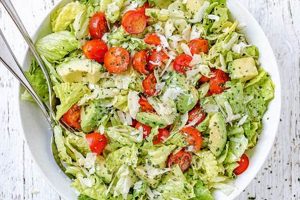
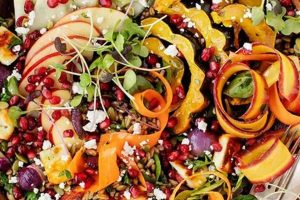
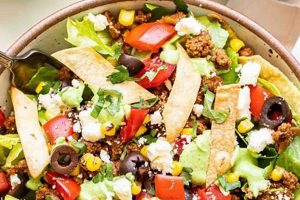
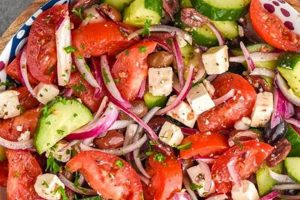
A dish typically composed of imitation crab meat, mayonnaise, and various seasonings and vegetables, often served chilled. Common additions include celery, onion, relish, and hard-boiled eggs. Variations can incorporate different herbs, spices, or other ingredients like pasta or avocado.
This affordable and convenient dish offers a lighter alternative to traditional seafood salads. Its versatility allows for customization to individual preferences, making it suitable for picnics, potlucks, or quick meals. The dish gained popularity as imitation crab meat became readily available, offering a budget-friendly way to enjoy a crab-like flavor. Its simple preparation also contributes to its enduring appeal.
The following sections will explore various aspects of this popular dish, including detailed preparation methods, ingredient selection guidance, nutritional information, and suggestions for creative variations.
Tips for Preparing a Delicious Krab Salad
Achieving optimal flavor and texture requires attention to detail. The following tips offer guidance for creating a superior dish.
Tip 1: Chill Ingredients Thoroughly. Cold ingredients are essential for both food safety and optimal flavor. Chilling the imitation crab, vegetables, and mayonnaise enhances the overall freshness and prevents the salad from becoming watery.
Tip 2: Drain Excess Liquid. Moisture can dilute the flavor and create an undesirable texture. Ensure the imitation crab meat is thoroughly drained before mixing to prevent a watery salad. Similarly, remove excess moisture from chopped vegetables by patting them dry with a paper towel.
Tip 3: Fine Dice Vegetables. Uniformly small pieces of vegetables ensure even distribution of flavor and a pleasant texture. Finely dicing ingredients like celery and onion creates a more cohesive and enjoyable eating experience.
Tip 4: Use Fresh Herbs and Seasonings. Fresh herbs and spices elevate the flavor profile. Consider incorporating dill, parsley, or paprika for a brighter, more complex taste. Experiment with different seasonings to find preferred combinations.
Tip 5: Don’t Overmix. Overmixing can break down the imitation crab meat and create a mushy texture. Gently fold the ingredients together until just combined to maintain the desired consistency.
Tip 6: Taste and Adjust Seasoning. Palates vary, so tasting and adjusting seasoning is crucial. Before serving, sample the salad and add more salt, pepper, or other seasonings as needed to achieve the desired balance of flavors.
Tip 7: Chill Before Serving. Allowing the salad to chill for at least 30 minutes before serving enhances the flavors and allows them to meld. This also ensures a refreshingly cold and enjoyable dish.
By following these tips, one can consistently create a flavorful and satisfying dish. Attention to these details elevates the final product from simple to exceptional.
These guidelines provide a strong foundation for crafting this versatile dish, offering a pathway to culinary success.
1. Ingredients

Ingredient selection significantly impacts the final quality and character of a krab salad. The interplay of flavors and textures derived from individual components contributes to the overall sensory experience. High-quality imitation crab meat provides a foundational layer of flavor, while the choice of vegetables influences both taste and texture. For example, crisp celery offers a refreshing contrast, whereas finely diced red onion adds a subtle sharpness. Mayonnaise acts as a binding agent, contributing richness and creaminess, while careful seasoning balances and enhances the other flavors.
Consideration of ingredient quality extends beyond flavor. Freshness plays a crucial role in both taste and food safety. Using recently purchased ingredients ensures optimal flavor and minimizes the risk of spoilage. Proper storage of ingredients prior to preparation is equally important. Refrigerating perishable items at appropriate temperatures maintains quality and prevents bacterial growth. Furthermore, attention to detail in preparation, such as thoroughly draining liquids from ingredients like imitation crab and canned vegetables, prevents a watery final product and preserves the intended flavor profile.
Understanding the role and impact of each ingredient allows for informed choices and customization. Substituting or adding ingredients based on dietary restrictions, personal preferences, or desired flavor profiles allows for creative variations. Substituting Greek yogurt for mayonnaise offers a lighter, tangier alternative, while incorporating chopped herbs like dill or parsley adds complexity and freshness. Ultimately, the careful selection and preparation of ingredients forms the foundation of a successful krab salad, demonstrating the direct link between component quality and the overall culinary outcome.
2. Preparation

Preparation methods significantly influence the final quality and palatability of krab salad. Careful execution of each step ensures optimal flavor, texture, and food safety. From ingredient handling to mixing techniques, the preparatory process directly impacts the overall dining experience.
- Ingredient Handling
Proper handling of ingredients is paramount. Thorough draining of imitation crab meat removes excess liquid, preventing a watery salad. Careful dicing of vegetables ensures uniform texture and even distribution of flavor. Gentle handling of delicate ingredients, such as hard-boiled eggs, preserves their integrity and prevents crumbling.
- Mixing Techniques
Appropriate mixing techniques are crucial for achieving the desired consistency and preventing damage to ingredients. Gentle folding incorporates ingredients without breaking down the imitation crab meat or overworking the mixture. Overmixing can lead to a mushy texture, compromising the overall appeal.
- Chilling and Resting
Chilling the prepared salad allows flavors to meld and enhances the overall freshness. A resting period of at least 30 minutes in the refrigerator intensifies the flavors and ensures a refreshingly cold dish. Adequate chilling also contributes to food safety by inhibiting bacterial growth.
- Sanitation Practices
Maintaining sanitary conditions throughout the preparation process is essential for food safety. Washing hands, utensils, and cutting boards thoroughly with soap and water minimizes the risk of contamination. Using clean preparation surfaces and avoiding cross-contamination between raw and cooked ingredients further enhances food safety.
These facets of preparation collectively contribute to the creation of a successful krab salad. Careful attention to each step, from ingredient handling to chilling, ensures a dish that is both flavorful and safe to consume. Neglecting these aspects can compromise the quality and enjoyment of the final product.
3. Seasoning
Seasoning plays a pivotal role in the overall flavor profile of krab salad. It elevates the inherent flavors of the ingredients, creating a balanced and palatable dish. The judicious use of seasonings can transform a simple krab salad into a culinary delight. Understanding the interplay of different seasonings and their impact on the final product is crucial for achieving desired taste outcomes.
- Balancing Salt and Acidity
Balancing salt and acidity is fundamental to a well-seasoned krab salad. Salt enhances the natural flavors of the ingredients, while acidity provides brightness and cuts through the richness of the mayonnaise. A touch of lemon juice or vinegar can add a refreshing zing, balancing the savory notes. The right balance prevents the salad from tasting bland or overly rich.
- Enhancing with Herbs and Spices
Fresh herbs and spices contribute layers of complexity to krab salad. Dill, parsley, and chives impart a fresh, herbaceous aroma, while paprika or Old Bay seasoning add a subtle warmth and depth. Experimentation with different herb and spice combinations allows for customization and the creation of unique flavor profiles.
- Black Pepper’s Significance
Black pepper provides a subtle heat and enhances the overall savory character of the krab salad. Freshly ground black pepper offers a more pronounced and nuanced flavor compared to pre-ground pepper. A judicious amount adds depth without overpowering the delicate flavors of the other ingredients.
- The Role of Onion and Garlic
Incorporating finely diced onion or a hint of garlic powder can add a pungent savory note to the krab salad. These ingredients provide a subtle sharpness that complements the sweetness of the imitation crab and the creaminess of the mayonnaise. However, moderation is key, as overpowering amounts can mask the other flavors.
The careful selection and application of seasonings are essential for creating a flavorful and balanced krab salad. The interplay of salt, acidity, herbs, spices, and other seasonings contributes to a complex and satisfying taste experience. By understanding the role of each seasoning, one can achieve a harmonious blend of flavors that elevates this simple dish to a new level of culinary enjoyment.
4. Chilling
Chilling is integral to both the safety and sensory experience of a krab salad recipe. Lowering the temperature inhibits bacterial growth, a crucial food safety practice, particularly given the perishable nature of the main ingredients: imitation crab meat, mayonnaise, and often, hard-boiled eggs. Chilling also profoundly impacts the dish’s flavor profile and textural appeal. A chilled krab salad offers a refreshing contrast, particularly in warmer weather. The cold temperature enhances the perceived sweetness of the imitation crab while firming the texture, creating a more pleasant mouthfeel. Conversely, a krab salad served at room temperature can exhibit a less desirable, softer texture and a more pronounced fishy aroma.
Consider the difference between a freshly chilled krab salad served on a crisp lettuce cup and the same salad left at room temperature for several hours. The chilled version delivers a refreshing burst of flavor, the cold enhancing the sweetness of the crab and the crispness of the vegetables. The room-temperature version, however, may present a less appealing, softer texture and a potentially stronger, less desirable aroma. This contrast illustrates the practical significance of chilling in achieving the desired culinary outcome. Chilling allows the flavors to meld and intensifies the overall sensory experience. The mayonnaise becomes firmer, contributing to a better overall texture, while the other ingredients retain their individual flavors without becoming muddled.
Effective chilling requires consistent refrigeration at temperatures below 40F (4C). Ideally, individual components, such as the imitation crab meat and chopped vegetables, should be chilled separately before combining. After preparation, the entire salad should be refrigerated for at least 30 minutes prior to serving to allow the flavors to fully develop and meld. This practice maximizes both food safety and the desired sensory qualities. Chilling, therefore, is not merely a final step but a critical component of the krab salad recipe, essential for achieving optimal flavor, texture, and safety.
5. Serving
Serving constitutes a crucial element within the broader context of a krab salad recipe, significantly impacting the overall dining experience. Considerations extend beyond mere placement on a plate, encompassing factors such as portion size, accompanying elements, and visual presentation. These factors influence perceived value, appetite appeal, and overall enjoyment. A thoughtfully presented krab salad elevates the dish from a simple meal to a more refined culinary experience.
Portion size plays a practical role in satiety and resource management. Smaller portions, often served as appetizers or light lunches, require careful plating to maximize visual appeal. Larger portions, intended as main courses, allow for more elaborate presentations and the incorporation of accompanying elements. Consider the contrast between a delicately portioned krab salad served on endive leaves as an appetizer and a more generous serving mounded on a bed of lettuce and garnished with fresh herbs as a main course salad. The former emphasizes elegance and restraint, while the latter offers a more substantial and visually satisfying presentation. Serving vessels also contribute to the dining experience. A classic bowl provides a familiar and functional approach, while serving the salad in hollowed-out tomatoes or avocados adds an element of novelty and visual interest.
Accompanying elements can complement and enhance the krab salad. Crackers or crusty bread offer textural contrast and a vehicle for enjoying the salad. Lemon wedges provide a burst of acidity, balancing the richness of the mayonnaise. Fresh herbs, such as dill or parsley, not only contribute visual appeal but also enhance the aroma and flavor profile. The selection of accompanying elements should consider the overall balance of flavors and textures, ensuring a harmonious and satisfying meal. Careful attention to serving details demonstrates an understanding of the integral relationship between presentation and enjoyment. Effective serving elevates the perceived value of the krab salad, transforming it from a simple mixture of ingredients into a thoughtfully composed dish. By considering portion size, presentation, and accompanying elements, one can maximize the enjoyment and appreciation of this versatile and popular dish.
6. Variations

The concept of “variations” is integral to the enduring appeal and versatility of the krab salad recipe. Adaptability to diverse tastes and dietary needs ensures relevance across a broad culinary landscape. Variations arise from ingredient substitutions, additions, and alterations to the foundational recipe, offering a spectrum of flavor profiles and presentations. This inherent flexibility allows the krab salad to transcend its basic form and become a canvas for culinary creativity. Consider the classic example of substituting imitation crab with real crab meat for a more luxurious rendition. This seemingly simple change elevates the dish, transforming it into a premium offering. Similarly, incorporating ingredients like avocado, mango, or water chestnuts introduces novel textures and flavor dimensions, demonstrating the transformative potential of ingredient variations.
Dietary adaptations offer further avenues for variation. Substituting Greek yogurt for mayonnaise creates a lighter, tangier version suitable for those seeking lower-fat options. Incorporating gluten-free crackers or serving the salad on lettuce wraps caters to gluten-sensitive individuals. These modifications demonstrate the practical significance of variations in accommodating diverse dietary requirements. Beyond ingredient alterations, presentation styles offer another layer of variation. Serving the krab salad in hollowed-out avocados or tomatoes creates visually appealing and flavorful presentations, while using endive leaves or cucumber slices as vessels adds an element of elegance and freshness. Such creative presentations not only enhance visual appeal but also contribute to the overall sensory experience.
Understanding the role of variations in the krab salad recipe empowers culinary exploration and personalization. Whether driven by taste preferences, dietary restrictions, or creative impulses, variations expand the possibilities of this adaptable dish. This inherent flexibility ensures the continued relevance and enjoyment of the krab salad across diverse culinary contexts. Embracing variation transforms the krab salad from a static recipe into a dynamic platform for culinary expression, solidifying its position as a versatile and enduring dish.
7. Storage
Proper storage is crucial for maintaining the quality, flavor, and safety of krab salad. Given its perishable nature, due to ingredients like mayonnaise and imitation crab meat, krab salad requires specific storage practices to prevent spoilage and bacterial growth. Effective storage preserves the intended flavor profile and textural qualities while mitigating potential health risks. Understanding appropriate storage methods ensures the continued enjoyment and safety of this popular dish.
- Container Selection
Selecting appropriate storage containers is paramount. Airtight containers minimize exposure to oxygen, which can accelerate spoilage. Using containers made of food-grade materials prevents chemical leaching and ensures food safety. The size of the container should match the quantity of krab salad, minimizing excess air space within the container. Proper container selection preserves freshness and prevents contamination.
- Temperature Control
Maintaining a consistent, low temperature is critical. Refrigeration at or below 40F (4C) inhibits bacterial growth and slows down enzymatic processes that lead to spoilage. Avoid storing krab salad in the door of the refrigerator, as temperature fluctuations in this area can compromise its quality. Consistent temperature control is essential for maximizing shelf life and ensuring food safety.
- Shelf Life Considerations
Krab salad has a limited shelf life, even under optimal storage conditions. Generally, it is recommended to consume krab salad within 3-5 days of preparation. Visual inspection and smell tests can help determine freshness. Discarding krab salad that exhibits signs of spoilage, such as an off odor, discoloration, or a slimy texture, is crucial for preventing foodborne illness. Adhering to recommended shelf life guidelines minimizes risk and ensures optimal quality.
- Freezing Implications
Freezing is generally not recommended for krab salad. The mayonnaise-based dressing can separate and become watery upon thawing, negatively impacting the texture and flavor. The delicate texture of the imitation crab meat can also be compromised by freezing. While some ingredients, such as chopped vegetables, can tolerate freezing, the overall quality of the krab salad is typically diminished after thawing. Therefore, it is best to prepare and consume krab salad within the recommended refrigerated shelf life.
Adherence to proper storage practices ensures the safety and enjoyment of krab salad. Careful attention to container selection, temperature control, shelf life, and freezing implications preserves the intended flavor, texture, and quality of the dish. Neglecting these aspects can lead to spoilage, diminished quality, and potential health risks. Understanding and implementing appropriate storage methods is, therefore, essential for maximizing the culinary experience and ensuring food safety.
Frequently Asked Questions
This section addresses common inquiries regarding krab salad preparation, storage, and variations.
Question 1: What is the shelf life of krab salad?
Krab salad is best consumed within 3-5 days when stored properly in an airtight container in a refrigerator maintained at or below 40F (4C).
Question 2: Can krab salad be frozen?
Freezing is generally not recommended. Mayonnaise-based dressings often separate and become watery upon thawing, negatively affecting texture. The delicate texture of imitation crab meat can also be compromised by freezing.
Question 3: What are suitable alternatives to mayonnaise?
Greek yogurt or a mixture of Greek yogurt and mayonnaise offer a lighter, tangier alternative. Avocado can also be used for a creamier, dairy-free option.
Question 4: How can one enhance the flavor of krab salad?
Fresh herbs such as dill, parsley, chives, or tarragon add depth. Spices like Old Bay seasoning or paprika contribute warmth. Lemon juice or vinegar provide brightness.
Question 5: What are common serving suggestions for krab salad?
Krab salad can be served on lettuce cups, in hollowed-out tomatoes or avocados, with crackers, or as a sandwich filling. It also complements various breads and rolls.
Question 6: Can one use real crab meat instead of imitation crab meat?
Real crab meat can be substituted for imitation crab meat for a more luxurious flavor profile. Ensure the real crab meat is cooked thoroughly before incorporating it into the salad. Adjust seasoning accordingly, as real crab meat typically has a more delicate flavor than imitation crab.
Addressing these common questions aims to provide a comprehensive understanding of key aspects related to krab salad. Careful consideration of these points ensures optimal preparation, storage, and enjoyment.
The following section provides a collection of various krab salad recipes.
Krab Salad Recipe
This exploration of the krab salad recipe encompassed key aspects, from ingredient selection and preparation techniques to seasoning, chilling, serving, and storage. Variations and adaptations for diverse dietary needs and preferences were also examined. Emphasis was placed on the importance of food safety practices, including proper refrigeration and adherence to recommended shelf life guidelines. The versatility of the krab salad recipe, adaptable to a range of flavor profiles and presentations, was highlighted.
The enduring popularity of krab salad stems from its adaptability, affordability, and ease of preparation. Understanding the nuances of the recipe empowers culinary exploration and personalized adaptations. Continued experimentation with ingredients and presentations ensures the ongoing relevance and enjoyment of this classic dish within the evolving culinary landscape.