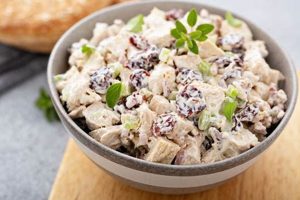
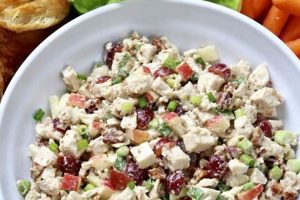
Low-carbohydrate, high-fat dietary approaches often restrict ingredients like bread and high-sugar dressings commonly found in traditional chicken salads. Dishes aligning with these principles typically replace such elements with alternatives like avocado, leafy greens, and healthy fats derived from ingredients such as olive oil, mayonnaise, or nuts. A typical example might include shredded cooked chicken combined with mayonnaise, chopped celery, onion, and seasonings, served over lettuce cups or wrapped in collard greens.
Such meal options offer a satiating and nutrient-dense way to adhere to dietary restrictions. The emphasis on healthy fats and protein promotes feelings of fullness, which can be beneficial for weight management. Historically, similar combinations of protein and vegetables have been dietary staples across cultures, though the specific “keto” designation reflects a more recent focus on macronutrient ratios. The growing popularity of this approach has led to a surge in variations, catering to diverse tastes and dietary needs.
The following sections will explore specific ingredient choices, preparation methods, and nutritional considerations for creating flavorful and satisfying meals within this dietary framework. Further discussion will address variations suitable for different palates and explore the role of such dishes in a well-rounded approach to healthy eating.
Tips for Keto Chicken Salad Recipes
Creating a flavorful and satisfying low-carbohydrate chicken salad requires careful ingredient selection and preparation. These tips offer guidance for optimizing both taste and nutritional value.
Tip 1: Prioritize High-Quality Protein: Opt for chicken breasts or thighs from reputable sources. Roasting or grilling the chicken enhances flavor compared to boiling.
Tip 2: Choose Healthy Fats: Avocado oil-based mayonnaise, full-fat Greek yogurt, or mashed avocado offer healthy fats and creamy texture. Limit or avoid processed vegetable oils.
Tip 3: Embrace Flavorful Additions: Chopped celery, red onion, chives, and fresh herbs provide flavor and texture. Consider incorporating spices like paprika, garlic powder, or dill.
Tip 4: Rethink the “Salad”: Lettuce wraps, cucumber slices, or bell pepper halves offer low-carbohydrate alternatives to bread or crackers. Consider incorporating these as salad “boats”.
Tip 5: Boost Nutritional Value: Chopped nuts, seeds, or hard-boiled eggs increase the protein and healthy fat content, contributing to satiety.
Tip 6: Mindful Ingredient Ratios: Balance the chicken, healthy fats, and vegetables for optimal flavor and texture. Avoid excessive amounts of any single ingredient.
Tip 7: Meal Prep for Convenience: Prepare the chicken and chop vegetables in advance for quick and easy meal assembly throughout the week. Store components separately and combine just before serving.
By following these guidelines, individuals can create delicious and nutritious meals that align with dietary goals, supporting both health and satisfaction. Careful attention to ingredient choices and preparation methods elevates the culinary experience while maximizing nutritional benefits.
In conclusion, these strategies empower individuals to create versatile and enjoyable meals suitable for various occasions.
1. Chicken Selection

Chicken selection plays a crucial role in determining the nutritional profile and overall flavor of keto-compliant chicken salads. Choosing the right cut and preparation method significantly impacts the dish’s compatibility with dietary restrictions and its ultimate palatability.
- Cut of Chicken
Different cuts of chicken offer varying macronutrient ratios. Chicken breast, known for its lean protein content, provides a lower fat option compared to chicken thighs, which contain more fat. This difference influences the overall fat content of the salad, requiring adjustments in other ingredients to maintain the desired ketogenic balance. For example, using chicken thighs might necessitate reducing the amount of added fats from mayonnaise or avocado.
- Cooking Method
The cooking method impacts both flavor and moisture content. Roasting or grilling imparts a richer flavor compared to boiling or poaching. Additionally, these dry-heat methods render some of the fat from the chicken, potentially influencing the overall fat content of the salad. Poaching, while resulting in a leaner outcome, might necessitate adding more healthy fats to achieve the desired creaminess and flavor.
- Bone-in vs. Boneless
Bone-in chicken often yields more flavorful meat, as the bones contribute to moisture retention and flavor development during cooking. However, boneless chicken offers convenience in preparation. The choice depends on individual preferences and time constraints, with minimal impact on the overall nutritional profile assuming skin is removed.
- Skin-on vs. Skinless
Chicken skin contributes significantly to the fat content. For individuals strictly adhering to specific macronutrient targets, skinless chicken offers a leaner option. Including the skin, while adding flavor and richness, necessitates careful consideration of overall fat intake and adjustments to other recipe components. Recipes focusing on flavor may use skin-on chicken, but those prioritizing strict macronutrient control should use skinless options.
These facets of chicken selection interact to shape the final character of a keto chicken salad. Understanding these nuances allows for informed choices that align with individual dietary needs and preferences, optimizing both nutritional value and culinary satisfaction. Consideration of these factors ensures the creation of a dish that is not only keto-friendly but also delicious and satisfying.
2. Fat Sources
Fat sources constitute a cornerstone of ketogenic diets and play a pivotal role in the success and palatability of keto chicken salad recipes. The fundamental principle of ketogenic eating centers around minimizing carbohydrate intake and maximizing fat consumption, thereby shifting the body’s primary fuel source from glucose to ketones. Within the context of chicken salad, carefully chosen fat sources provide essential satiety, contribute desirable textural qualities, and ensure the dish aligns with the macronutrient ratios characteristic of a ketogenic approach. Furthermore, they act as carriers for flavor, enhancing the overall sensory experience.
The selection of appropriate fats profoundly impacts the nutritional value and flavor profile of the salad. Avocado oil mayonnaise, for example, delivers monounsaturated fats and aligns well with ketogenic principles. Full-fat Greek yogurt offers a tangy twist while contributing both fat and protein. Other suitable options include olive oil, macadamia nuts, and avocado. These choices stand in contrast to less desirable options such as conventional mayonnaise often made with processed vegetable oils, which may contain inflammatory omega-6 fatty acids in higher proportions than desired for optimal health. Incorporating nutrient-dense fat sources ensures the salad delivers not only satiety and flavor but also contributes beneficially to overall health.
Achieving the desired texture and consistency in keto chicken salad hinges critically upon the judicious incorporation of healthy fats. These fats provide the creamy, emulsified mouthfeel typically associated with traditional chicken salad while avoiding the need for high-carbohydrate ingredients like starchy fillers or sugary dressings. Balancing the fat content with other recipe components, such as the lean protein from chicken and the fiber from low-carbohydrate vegetables, ensures a palatable and nutritionally balanced meal. Failure to incorporate sufficient healthy fats can result in a dry, unappetizing salad, whereas excessive fat can make the dish overly rich and compromise adherence to overall dietary goals. Thus, careful consideration of fat sources represents a crucial element in successful keto chicken salad preparation.
3. Low-Carb Vegetables
Low-carbohydrate vegetables play a vital role in keto chicken salad recipes, contributing crucial texture, flavor, and nutritional value while adhering to the core principles of ketogenic eating. The restrictive nature of ketogenic diets, which limit carbohydrate intake, necessitates careful selection of ingredients. Vegetables, inherently lower in carbohydrates than grains or legumes, offer a valuable opportunity to add volume, micronutrients, and culinary interest to keto-compliant meals. Within the context of chicken salad, their inclusion addresses potential monotony and provides essential dietary fiber.
Cruciferous vegetables, such as cauliflower, broccoli, and Brussels sprouts, offer a robust, slightly bitter counterpoint to the richness of the chicken and mayonnaise base. Celery and bell peppers contribute a satisfying crunch and refreshing vegetal notes. Leafy greens, like spinach or romaine lettuce, can be incorporated for added volume and a boost of vitamins and minerals. These options present a diverse range of flavors and textures, expanding the culinary possibilities within the constraints of a ketogenic diet. For instance, finely chopped cauliflower rice can mimic the texture of traditional rice in a chicken salad, providing a more substantial and satisfying meal.
Beyond their textural and flavor contributions, low-carbohydrate vegetables enhance the nutritional profile of keto chicken salads. They provide essential vitamins, minerals, and antioxidants often lacking in diets heavily reliant on animal products and fats. The fiber content of these vegetables aids in digestion and promotes satiety, contributing to the overall success of a ketogenic lifestyle. Understanding the role and benefits of incorporating these vegetables empowers individuals to create well-rounded, nutritious, and flavorful keto chicken salad recipes that support both dietary adherence and overall well-being. Ignoring their inclusion can lead to nutrient deficiencies and diminished satisfaction with the dietary approach.
4. Flavor Enhancers
Flavor enhancers play a crucial role in keto chicken salad recipes, elevating the dish beyond a simple combination of ingredients to a more complex and satisfying culinary experience. Given the restrictions on carbohydrates and sugars in ketogenic diets, flavor enhancement becomes particularly important. Relying solely on the inherent flavors of chicken, healthy fats, and low-carbohydrate vegetables can result in a bland and unappealing meal. Strategic use of flavor enhancers compensates for the absence of traditional flavoring agents while adhering to dietary guidelines.
- Herbs and Spices
Fresh herbs like dill, parsley, chives, and tarragon introduce bright, herbaceous notes. Dried spices, including paprika, garlic powder, onion powder, and cayenne pepper, offer concentrated flavor and extended shelf life. The choice of herbs and spices allows for customization based on individual preferences and desired flavor profiles. A combination of dill and lemon zest, for example, creates a Mediterranean-inspired salad, while curry powder and cilantro evoke South Asian flavors.
- Acids
Lemon juice, lime juice, or apple cider vinegar introduce a tangy counterpoint to the richness of the fats and protein. Acids brighten the overall flavor profile and provide a refreshing element. A squeeze of lemon juice, for example, cuts through the richness of mayonnaise-based dressings, preventing the salad from feeling heavy or overly saturated with fat.
- Aromatics
Finely diced red onion, shallots, or garlic contribute pungent, savory notes that deepen the flavor profile. These aromatics provide complexity and enhance the overall sensory experience. Roasted garlic, for example, mellows the pungent flavor of raw garlic while adding a subtle sweetness.
- Salty and Umami Elements
Sea salt, black pepper, and nutritional yeast contribute salty and umami notes, respectively. Sea salt enhances the inherent flavors of the ingredients, while black pepper adds a subtle heat. Nutritional yeast, deactivated yeast with a cheesy, nutty flavor, provides a vegan-friendly source of umami that enhances the savory depth of the salad.
The considered use of flavor enhancers transforms keto chicken salad from a simple dietary staple into a flavorful and enjoyable culinary creation. By strategically incorporating these elements, individuals adhering to a ketogenic diet can enjoy satisfying meals without compromising flavor or dietary compliance. The interplay of herbs, spices, acids, aromatics, and salty/umami components allows for a wide range of flavor profiles, accommodating diverse palates and preventing mealtime monotony.
5. Serving Options
Serving options significantly impact the adherence to ketogenic principles when consuming chicken salad. Traditional bread or crackers, high in carbohydrates, necessitate alternative approaches. Lettuce wraps, bell pepper halves, or cucumber slices provide low-carbohydrate vessels, maintaining dietary compliance. Avocado halves offer a creamy, flavorful option, complementing the richness of the salad while contributing healthy fats. Portobello mushroom caps, when grilled or roasted, provide a heartier, umami-rich serving option. These choices replace high-carbohydrate delivery systems with nutrient-dense, keto-friendly alternatives. Choosing compliant serving options prevents inadvertent carbohydrate consumption, a critical consideration for maintaining ketosis. For instance, a chicken salad served on a croissant significantly deviates from ketogenic guidelines, while the same salad served in lettuce cups remains compliant.
The selection of serving options also influences the overall nutritional profile and culinary experience. Lettuce cups offer a light and refreshing contrast to the richness of the chicken salad, while bell peppers provide a subtle sweetness and satisfying crunch. Avocado halves contribute healthy monounsaturated fats and a creamy texture. These choices affect not only the macronutrient composition of the meal but also its sensory appeal. The textural and flavor interplay between the serving vessel and the chicken salad elevates the dish beyond a simple meal to a more complex and enjoyable culinary experience. Furthermore, variations in serving options cater to individual preferences and dietary needs, increasing the versatility of this keto-friendly dish. Using diverse, colorful vegetables as serving vessels enhances the visual appeal and encourages greater consumption of nutrient-rich foods.
Strategic consideration of serving options proves essential for successfully integrating chicken salad into a ketogenic lifestyle. This mindful approach ensures dietary adherence while enhancing the sensory experience and promoting nutritional balance. Failure to choose appropriate serving options undermines the fundamental principles of ketogenic eating, potentially hindering progress toward dietary goals. The interplay between serving options and the overall composition of the chicken salad underscores the importance of a holistic approach to recipe development within the context of a ketogenic dietary framework. Therefore, serving options represent a critical component in crafting keto-compliant meals that are both satisfying and nutritionally sound.
6. Macronutrient Balance

Macronutrient balance represents a cornerstone of ketogenic dietary adherence, directly impacting the efficacy of keto chicken salad recipes as a meal option. Ketogenic principles dictate a high-fat, moderate-protein, and very-low-carbohydrate intake. Chicken salad, inherently a combination of protein and fat, offers a suitable foundation for a keto-compliant meal. However, ingredient choices and portion control critically determine whether the final dish aligns with ketogenic macronutrient targets. A chicken salad with excessive protein from chicken breast and insufficient fat from healthy sources like avocado oil mayonnaise might not induce or maintain ketosis. Conversely, overreliance on high-fat ingredients without adequate protein could lead to muscle loss over time. Careful calibration of ingredients ensures the recipe remains within the desired macronutrient ranges, typically aiming for a ratio of 70-80% of calories from fat, 20-25% from protein, and 5-10% from carbohydrates.
Practical application of macronutrient balance requires understanding ingredient contributions. For example, skin-on chicken thighs contribute a higher fat content than skinless chicken breasts. Incorporating higher-fat mayonnaise based on avocado oil increases the overall fat ratio, while the use of plain Greek yogurt, lower in fat and higher in protein, shifts the balance. Adding low-carbohydrate vegetables like celery or bell peppers contributes minimal carbohydrates but provides essential micronutrients and fiber. Calculating the macronutrient profile of a recipe using nutritional information for individual ingredients allows for adjustments to achieve desired targets. For instance, reducing the amount of chicken and increasing the amount of avocado in a recipe increases the fat percentage while lowering the protein percentage, bringing the overall ratio closer to ketogenic recommendations. Conversely, using more lean chicken breast and reducing mayonnaise will shift the balance more towards protein and away from fat. Meal planning applications or online nutritional calculators can aid in this process, empowering individuals to tailor recipes precisely to individual needs and dietary goals.
Successfully integrating keto chicken salad into a ketogenic lifestyle hinges on meticulous attention to macronutrient balance. Deviation from target ratios can compromise the metabolic shift towards ketosis, hindering the intended benefits of the diet. Understanding the interplay of ingredients and their respective macronutrient contributions empowers informed decision-making in recipe development and portion control. This precision ensures the chicken salad serves as an effective tool in achieving and maintaining ketosis, supporting overall dietary goals. Furthermore, awareness of macronutrient balance extends beyond individual recipes to meal planning and overall dietary strategy, promoting a sustainable and efficacious ketogenic lifestyle.
Frequently Asked Questions about Keto Chicken Salad Recipes
This section addresses common inquiries regarding the preparation and consumption of chicken salad within the context of a ketogenic diet. Clarity on these points facilitates successful integration of this versatile dish into a ketogenic meal plan.
Question 1: How can one ensure a keto chicken salad remains low in carbohydrates?
Careful ingredient selection is paramount. Traditional high-carbohydrate ingredients like grapes, dried cranberries, or apples must be excluded. Emphasis should be placed on low-carbohydrate vegetables such as celery, bell peppers, and leafy greens. Additionally, high-carbohydrate dressings or additions, including honey mustard or barbecue sauce, should be avoided in favor of keto-friendly options like mayonnaise made with avocado oil or full-fat Greek yogurt.
Question 2: What are suitable alternatives to bread or crackers when serving keto chicken salad?
Lettuce cups, bell pepper halves, cucumber slices, or avocado halves provide low-carbohydrate alternatives for serving. These options maintain dietary compliance while adding textural and flavor complexity.
Question 3: Can commercially prepared mayonnaise be used in keto chicken salad?
While some commercially prepared mayonnaises are acceptable, careful scrutiny of ingredient labels is essential. Many conventional mayonnaises contain added sugars or are made with inflammatory seed oils. Prioritize mayonnaises made with avocado oil or olive oil to align with ketogenic principles.
Question 4: How can one increase the satiety of keto chicken salad?
Incorporating healthy fats, such as avocado, nuts, or seeds, enhances satiety. Adding protein-rich components like hard-boiled eggs further contributes to feelings of fullness and supports maintenance of lean muscle mass.
Question 5: How should keto chicken salad be stored?
Store prepared chicken salad in an airtight container in the refrigerator for up to four days. For optimal freshness and texture, it is advisable to store components, such as the chicken, vegetables, and dressing, separately and combine them just prior to serving.
Question 6: Can keto chicken salad be frozen?
While freezing is possible, it can compromise the texture of certain ingredients, particularly mayonnaise-based dressings. If freezing is necessary, consider freezing the chicken and vegetable components separately and adding the dressing after thawing.
Understanding these aspects of keto chicken salad preparation and storage ensures both dietary adherence and optimal culinary satisfaction.
The next section will provide specific recipe examples, showcasing the versatility and delicious potential of this ketogenic staple.
Keto Chicken Salad Recipes
Exploration of keto chicken salad recipes reveals the potential for culinary creativity within the constraints of a ketogenic diet. Careful selection of ingredients, including lean protein sources, healthy fats, and low-carbohydrate vegetables, forms the foundation for a nutritionally sound and flavorful dish. Emphasis on appropriate cooking methods, flavor enhancers, and serving options elevates the culinary experience while maintaining dietary compliance. Macronutrient balance remains a critical consideration, ensuring the recipe aligns with ketogenic principles and supports dietary goals. Addressing common inquiries regarding ingredient selection, preparation methods, and storage empowers individuals to confidently incorporate this versatile dish into a ketogenic lifestyle.
Successful integration of keto chicken salad into a ketogenic meal plan necessitates a thorough understanding of the underlying principles. This knowledge empowers informed choices that optimize both nutritional value and palatability. Continued exploration of recipe variations and flavor profiles promises further culinary enjoyment within the framework of a ketogenic diet. The adaptability of this dish highlights the potential for sustained dietary adherence through creative and flavorful meal preparation, ultimately supporting long-term health and well-being within the context of a ketogenic lifestyle.