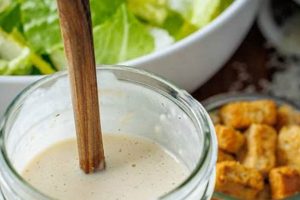
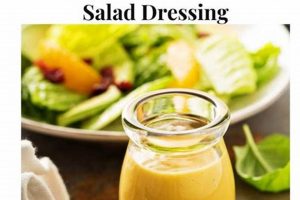
Recipes for salad dressings categorized as “clean” generally emphasize whole, unprocessed ingredients and avoid additives such as refined sugars, unhealthy fats, and artificial flavors or preservatives. These dressings typically utilize fresh herbs, spices, extra virgin olive oil, and ingredients like citrus fruits, vinegar, or yogurt as a base. An example might include a lemon-herb vinaigrette made with fresh parsley, lemon juice, olive oil, and a touch of sea salt.
Health-conscious individuals often seek these recipes due to potential benefits like reduced calorie intake, improved gut health from the inclusion of prebiotics and probiotics (if yogurt-based), and increased intake of beneficial nutrients from whole foods. Historically, salad dressings were simpler concoctions relying on basic ingredients. The shift toward more processed options occurred later with industrial food production. The resurgence of interest in cleaner options reflects a growing awareness of the potential impacts of processed foods on overall well-being.
This focus on wholesome ingredients extends beyond mere flavor enhancement. Exploring the nuances of creating these dressings involves understanding ingredient pairings, balancing flavor profiles, and techniques for achieving desired textures. The following sections delve into specific ingredient recommendations, provide diverse recipe examples, and offer tips for maximizing flavor and freshness.
Tips for Crafting Clean Salad Dressings
Creating flavorful and healthful salad dressings at home requires attention to ingredient selection and preparation techniques. The following tips offer guidance for achieving optimal results.
Tip 1: Prioritize High-Quality Oils. Extra virgin olive oil provides a robust flavor and health benefits. Avocado oil offers a neutral taste suitable for delicate flavors. Experiment with other cold-pressed oils like flaxseed or walnut oil for unique flavor profiles.
Tip 2: Embrace Fresh Herbs and Spices. Freshly chopped herbs like parsley, dill, mint, or chives elevate flavor profiles significantly. Dried spices such as oregano, cumin, or paprika add depth and complexity.
Tip 3: Explore Flavorful Acids. Citrus juices (lemon, lime, orange) provide brightness. Vinegars, including apple cider, balsamic, red wine, or white wine vinegar, offer varying levels of sharpness and sweetness.
Tip 4: Enhance with Natural Sweeteners. A touch of honey, maple syrup, or a few dates can balance acidity and add subtle sweetness without resorting to refined sugars. Use sparingly.
Tip 5: Utilize Flavorful Bases. Greek yogurt, tahini, or mashed avocado create creamy textures and contribute richness. These bases also offer additional nutritional value.
Tip 6: Season Thoughtfully. Sea salt and freshly ground black pepper are essential. Experiment with other spices like garlic powder, onion powder, or smoked paprika for added depth.
Tip 7: Emulsify Effectively. Whisk ingredients vigorously or use a blender to create a smooth, emulsified dressing. This prevents separation and ensures even coating on salads.
By adhering to these guidelines, one can create delicious, healthful dressings that complement a variety of salads and enhance overall nutritional intake. These simple yet effective strategies empower individuals to control ingredients and enjoy flavorful, clean eating experiences.
By embracing these principles, individuals can transform simple salads into culinary delights while prioritizing health and well-being. This exploration of clean salad dressing recipes provides a foundation for a more mindful and flavorful approach to healthy eating.
1. Whole, Unprocessed Ingredients

The foundation of clean salad dressing recipes lies in the utilization of whole, unprocessed ingredients. This approach prioritizes natural, minimally processed components over refined or artificial alternatives. A direct correlation exists between the quality of ingredients and the overall healthfulness and flavor of the final product. Refined oils, sugars, and preservatives, common in many commercial dressings, are eschewed in favor of nutrient-rich options. This choice reflects a commitment to maximizing nutritional value while minimizing exposure to potentially harmful additives.
Consider the difference between a dressing made with extra virgin olive oil and one made with refined soybean oil. Extra virgin olive oil, extracted mechanically without the use of chemicals, retains beneficial antioxidants and a distinct flavor profile. Refined soybean oil, on the other hand, undergoes extensive processing that strips away many naturally occurring nutrients and can introduce undesirable byproducts. Similarly, using fresh herbs and spices instead of dried, processed versions delivers a brighter, more complex flavor while avoiding added sodium or anti-caking agents.
This emphasis on whole ingredients offers several advantages. It allows for greater control over the nutritional profile, maximizing the intake of vitamins, minerals, and healthy fats. It also contributes to a cleaner flavor profile, allowing the natural tastes of individual components to shine. Furthermore, avoiding processed ingredients minimizes exposure to potentially harmful additives, aligning with the core principles of clean eating. Understanding this connection empowers informed choices regarding ingredient selection, contributing to healthier, more flavorful dressings and promoting overall well-being.
2. Minimal Added Sugars
A defining characteristic of clean salad dressing recipes is the minimization of added sugars. Commercial dressings often contain significant amounts of refined sugars, contributing to excessive calorie intake and potential metabolic imbalances. Clean recipes prioritize natural sweetness from sources like fruits, vegetables, or small amounts of unrefined sweeteners such as honey or maple syrup. This approach aligns with broader health goals, reducing added sugar consumption and promoting more stable blood sugar levels. For example, a clean balsamic vinaigrette might incorporate the natural sweetness of balsamic vinegar and a touch of honey or maple syrup, rather than relying on refined white sugar or high-fructose corn syrup, which are common in conventional counterparts.
The impact of minimizing added sugars extends beyond calorie control. Reducing refined sugar intake can help manage insulin levels, reduce inflammation, and improve overall metabolic health. Furthermore, relying on the natural sweetness of whole ingredients allows for a more complex and nuanced flavor profile. A dressing sweetened with roasted red peppers or a small amount of date paste offers a depth of flavor absent in dressings relying solely on refined sugars. This difference highlights the connection between clean ingredients and a more satisfying culinary experience. Practically, this understanding empowers individuals to make informed choices, selecting dressings that contribute to both taste and well-being.
The emphasis on minimal added sugars in clean salad dressing recipes reflects a broader shift towards mindful consumption. It acknowledges the potential health implications of excessive sugar intake and champions a return to more natural flavor profiles. This principle, applied consistently, not only enhances the nutritional value of salads but also cultivates a deeper appreciation for the subtle sweetness inherent in whole, unprocessed ingredients. By understanding the role of added sugars and actively seeking alternatives, consumers can contribute positively to their overall dietary health.
3. Healthy Fat Sources
Healthy fat sources are fundamental to clean salad dressing recipes, contributing not only to flavor and texture but also to nutritional value. Unlike conventional dressings that may rely on unhealthy fats, clean recipes prioritize unsaturated fats known for their potential health benefits. Understanding the role of these fats provides a crucial foundation for creating dressings that align with clean eating principles.
- Extra Virgin Olive Oil
Extra virgin olive oil, a cornerstone of Mediterranean cuisine, offers a robust flavor profile and a rich source of monounsaturated fats. These fats are associated with various health benefits, including improved heart health and reduced inflammation. Its peppery notes and fruity undertones make it a versatile base for vinaigrettes and other dressings, complementing a wide range of salad ingredients.
- Avocado Oil
Avocado oil, extracted from the flesh of avocados, provides a neutral flavor profile and a high smoke point, making it suitable for various culinary applications. Like olive oil, it is rich in monounsaturated fats, contributing to its heart-healthy properties. Its neutral taste makes it an excellent choice for dressings where other flavors, such as herbs or citrus, are intended to take center stage.
- Flaxseed Oil
Flaxseed oil offers a distinctive nutty flavor and a rich source of omega-3 fatty acids, particularly alpha-linolenic acid (ALA). While beneficial, flaxseed oil is highly susceptible to oxidation and should be stored carefully and used in moderation. Its unique flavor profile lends itself well to dressings for salads featuring ingredients like roasted vegetables or grains.
- Nuts and Seeds
Nuts and seeds, such as walnuts, almonds, chia seeds, and flax seeds, can be incorporated into clean salad dressings to add texture, flavor, and additional healthy fats. These ingredients also contribute fiber and other essential nutrients. They can be blended into dressings to create creamy textures or used as toppings for added crunch.
Selecting appropriate fat sources significantly impacts the nutritional profile and overall quality of clean salad dressings. By prioritizing unsaturated fats from sources like extra virgin olive oil, avocado oil, flaxseed oil, and nuts and seeds, individuals can create dressings that not only enhance flavor but also contribute to a healthier diet. This careful consideration of ingredients underscores the core principles of clean eating, emphasizing whole, unprocessed foods and their positive impact on well-being.
4. Fresh Herbs and Spices

Fresh herbs and spices play a vital role in clean salad dressing recipes, offering vibrant flavors and aromatic complexity while adhering to clean eating principles. Unlike dried or processed alternatives, fresh herbs and spices provide a burst of flavor and avoid additives like preservatives or anti-caking agents. Their inclusion elevates dressings beyond basic vinaigrettes, transforming them into flavorful, health-conscious additions to any salad.
- Flavor Enhancement
Fresh herbs and spices contribute significantly to the overall flavor profile of clean salad dressings. Their vibrant, nuanced flavors add depth and complexity, allowing for a wide range of flavor combinations. For example, fresh dill adds a bright, slightly tangy note to dressings for fish or vegetable salads, while fresh mint provides a refreshing coolness to cucumber or yogurt-based dressings. The use of fresh ingredients allows for greater control over flavor intensity, as the potency of dried herbs can vary significantly.
- Nutritional Value
Beyond their flavor contributions, fresh herbs and spices offer nutritional benefits. Many herbs are rich in antioxidants, vitamins, and minerals, further enhancing the healthfulness of clean salad dressings. Parsley, for example, is a good source of vitamins K and C, while cilantro offers antioxidants and potential anti-inflammatory properties. Incorporating these nutrient-rich ingredients contributes to the overall nutritional value of the meal.
- Aromatic Complexity
The aromatic oils present in fresh herbs and spices contribute to the sensory experience of enjoying a salad. These volatile compounds create complex aromas that complement and enhance the flavors of the dressing and the salad ingredients. The aroma of freshly chopped basil, for instance, adds a distinctive sweetness and peppery note that complements tomato-based salads, while the earthy aroma of thyme enhances the flavor of roasted vegetable dressings.
- Clean Label Appeal
The use of fresh herbs and spices aligns with the clean label movement, which prioritizes recognizable, whole ingredients over processed or artificial additives. Consumers seeking clean label products often look for ingredients they can easily identify and understand. Fresh herbs and spices fulfill this requirement, contributing to the transparency and perceived healthfulness of clean salad dressings. This focus on recognizable ingredients resonates with health-conscious consumers who prioritize natural, minimally processed foods.
The incorporation of fresh herbs and spices distinguishes clean salad dressing recipes from conventional counterparts. By emphasizing fresh, whole ingredients, these dressings offer a superior flavor profile while maximizing nutritional value and adhering to clean eating principles. This holistic approach to ingredient selection underscores the importance of considering both taste and health when creating flavorful, nutritious meals.
5. Homemade Preparations
Homemade preparations represent a cornerstone of clean salad dressing recipes. A direct causal relationship exists between preparing dressings at home and achieving a “clean” outcome. Control over ingredients constitutes the primary advantage. Commercial dressings, even those marketed as “healthy,” often contain additives like preservatives, stabilizers, and refined sugars, which contradict clean eating principles. Homemade preparations eliminate these concerns, empowering individuals to select each ingredient, ensuring alignment with personal dietary preferences and health goals. For instance, a homemade vinaigrette allows for precise control over the type and quantity of oil used, whereas a commercial product might utilize less desirable or heavily processed oils.
The importance of homemade preparations extends beyond ingredient control. Freshness constitutes another significant advantage. Homemade dressings utilize fresh ingredients, maximizing flavor and nutritional value. Commercial products, subject to extended shelf lives, often compromise freshness for stability. The difference between a vinaigrette made with freshly squeezed lemon juice versus one made with reconstituted lemon juice exemplifies this distinction. Furthermore, homemade preparations allow for customization. Dietary restrictions or taste preferences can be readily accommodated in a homemade dressing, a flexibility often lacking in pre-made options. Consider the ability to adjust the sweetness, acidity, or spiciness of a homemade dressing to perfectly complement a specific salad or individual preference.
In summary, homemade preparations are essential for truly clean salad dressings. The ability to meticulously select ingredients, prioritize freshness, and customize flavors distinguishes homemade dressings from commercial counterparts. This understanding empowers individuals to take control of their dietary choices, promoting health and maximizing flavor. Challenges may include the time commitment required for preparation, but the benefits in terms of ingredient quality, freshness, and flavor outweigh this minor inconvenience. The emphasis on homemade preparations reflects a broader shift towards conscious consumption and reinforces the core values of clean eating.
Frequently Asked Questions About Clean Salad Dressings
This section addresses common inquiries regarding clean salad dressing recipes, providing clarity and guidance for those seeking to incorporate healthier options into their diets.
Question 1: What distinguishes a “clean” salad dressing from a conventional one?
Clean salad dressings prioritize whole, unprocessed ingredients, avoiding refined sugars, unhealthy fats, artificial flavors, and preservatives. Emphasis is placed on natural components like fresh herbs, spices, extra virgin olive oil, and vinegar or citrus juices.
Question 2: Are clean salad dressings necessarily low in calories?
While many clean dressings are naturally lower in calories due to the absence of added sugars and unhealthy fats, calorie content can vary depending on the ingredients used. Dressings based on nuts, seeds, or avocados, while healthy, can be calorie-dense.
Question 3: How long can homemade clean salad dressings be stored?
Storage duration depends on the specific ingredients. Generally, vinaigrettes can be stored in an airtight container in the refrigerator for up to a week. Dressings containing fresh ingredients like herbs or fruits may have a shorter shelf life.
Question 4: Can clean salad dressings accommodate dietary restrictions?
One of the advantages of homemade clean dressings is their adaptability. Recipes can be easily modified to accommodate dietary restrictions such as vegan, gluten-free, or low-sodium diets by substituting ingredients accordingly.
Question 5: Where can one find reliable clean salad dressing recipes?
Reputable cookbooks, health-focused websites, and culinary blogs offer numerous resources for clean salad dressing recipes. Focus on recipes emphasizing whole, unprocessed ingredients and minimal added sugars.
Question 6: Are there specific ingredients to avoid when making clean salad dressings?
Ingredients to avoid include refined sugars (high-fructose corn syrup, white sugar), unhealthy fats (trans fats, hydrogenated oils), artificial flavors, colors, and preservatives. Prioritize natural, whole ingredients whenever possible.
Understanding these key aspects of clean salad dressing recipes empowers individuals to make informed choices that support their health and dietary goals. By focusing on whole ingredients and avoiding processed additives, one can create flavorful and nutritious dressings that complement a healthy lifestyle.
The following section explores specific clean salad dressing recipes suitable for various dietary needs and preferences.
Conclusion
Exploration of clean salad dressing recipes reveals a significant opportunity to enhance both the nutritional value and flavor profile of meals. Prioritizing whole, unprocessed ingredients like fresh produce, high-quality oils, and flavorful herbs and spices allows for the creation of dressings that contribute positively to overall well-being. Minimizing added sugars and unhealthy fats distinguishes clean recipes from conventional counterparts, aligning with broader health-conscious dietary patterns. The ability to control ingredients through homemade preparations empowers informed choices and customization based on individual dietary needs and preferences.
The transition toward clean salad dressing recipes represents a conscious step toward mindful eating. This approach not only maximizes nutritional intake but also fosters a deeper appreciation for the natural flavors inherent in whole foods. Continued exploration of diverse ingredient combinations and preparation techniques holds potential for further culinary innovation and a more profound connection between food choices and overall health.