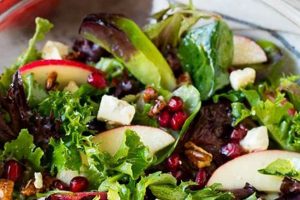
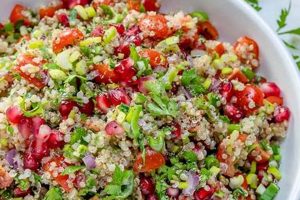
Plant-based cuisine offers a wealth of nutritious and flavorful options, and salads featuring kale as a base are a prime example. These dishes typically combine the hearty, nutrient-rich leafy green with a variety of other vegetables, fruits, nuts, seeds, and a plant-based dressing. Examples include combinations such as kale with roasted sweet potatoes and chickpeas, or kale with chopped apples, cranberries, and walnuts. A wide array of dressings, from creamy avocado-lime to tangy tahini-lemon, enhance the flavor profiles of these salads.
Such recipes offer significant health benefits. Kale is a nutritional powerhouse, packed with vitamins A, K, and C, as well as fiber and antioxidants. Incorporating these salads into a regular diet can contribute to improved digestion, boosted immunity, and overall well-being. Furthermore, these dishes align with ethical and environmental considerations by excluding animal products, thus promoting a more sustainable food system. The rising popularity of plant-based diets has contributed to the increased availability and variety of these recipes, reflecting a growing awareness of both personal and planetary health.
The following sections will delve into specific recipe ideas, explore variations in ingredients and preparation methods, and offer guidance on creating delicious and satisfying plant-based kale salads.
Tips for Crafting Exceptional Plant-Based Kale Salads
Creating a delicious and satisfying kale salad requires attention to detail and an understanding of how flavors and textures interact. The following tips offer guidance for elevating plant-based kale salads from simple to extraordinary.
Tip 1: Massage the Kale: Massaging kale leaves with a small amount of oil and lemon juice or vinegar helps tenderize the leaves, reducing their inherent bitterness and creating a more palatable texture.
Tip 2: Balance Flavors and Textures: Consider incorporating a variety of ingredients to achieve a balance of sweet, savory, crunchy, and creamy elements. Examples include roasted vegetables for sweetness, toasted nuts for crunch, and avocado for creaminess.
Tip 3: Dress Strategically: Avoid overdressing the salad. Start with a small amount of dressing and add more as needed. Allowing the salad to sit for a short time after dressing helps the flavors meld.
Tip 4: Explore Different Kale Varieties: Experiment with various types of kale, such as curly kale, lacinato kale (also known as dinosaur kale), or red kale, each offering unique flavor profiles and textures.
Tip 5: Boost Nutritional Value: Enhance the nutritional content by adding nutrient-dense ingredients such as seeds (chia, flax, hemp), nutritional yeast, or dried berries.
Tip 6: Proper Storage: Store leftover salad and dressing separately to prevent the leaves from becoming soggy. Combine just before serving.
Tip 7: Seasonal Ingredients: Utilize seasonal ingredients for optimal flavor and freshness. This also allows for greater variety throughout the year.
By following these tips, one can create flavorful, nutritious, and visually appealing plant-based kale salads that contribute to a healthy and enjoyable dining experience.
These practical tips provide a foundation for creating a wide range of kale salad variations. The following section offers concluding thoughts and encourages further exploration of plant-based cuisine.
1. Ingredient Variety

Ingredient variety is paramount in crafting compelling plant-based kale salads. It elevates these dishes beyond simple greens and transforms them into flavorful, texturally interesting, and nutritionally complete meals. A diverse ingredient selection contributes significantly to both the sensory experience and the health benefits of the salad.
- Fruits and Vegetables:
A wide array of fruits and vegetables contributes vitamins, minerals, antioxidants, and fiber. Apples, pears, berries, and citrus fruits offer sweetness and brightness. Roasted root vegetables, such as sweet potatoes or beets, provide earthy sweetness and satisfying texture. Cruciferous vegetables like shredded Brussels sprouts or broccoli add further nutritional value. These components contribute to a visually appealing and flavorful salad.
- Nuts and Seeds:
Nuts and seeds introduce healthy fats, protein, and satisfying crunch. Options like walnuts, almonds, pecans, pumpkin seeds, sunflower seeds, and hemp seeds enhance both flavor and texture. They contribute to satiety and provide essential fatty acids.
- Legumes and Grains:
Adding cooked quinoa, lentils, or chickpeas boosts protein and fiber content. These ingredients contribute a hearty element and enhance the overall nutritional profile of the salad, making it a more substantial meal.
- Herbs and Spices:
Fresh herbs like parsley, cilantro, mint, or dill impart vibrant flavors and aromas. Spices, such as cumin, coriander, or smoked paprika, introduce depth and complexity. These elements elevate the overall sensory experience.
Strategic combination of these diverse ingredient categories ensures a balanced and satisfying kale salad. Thoughtful selection results in not only a delicious meal but also a nutrient-rich contribution to a healthy plant-based diet.
2. Flavor Balance

Flavor balance is crucial in plant-based kale salads, ensuring palatability and enjoyment. Kale’s inherent bitterness requires thoughtful pairing with other ingredients to create a harmonious flavor profile. This balance prevents any single flavor from dominating, allowing the complexity of the salad to shine. A well-balanced salad will offer a combination of sweet, savory, tangy, spicy, and bitter notes, complementing and enhancing one another. For example, the bitterness of kale can be offset by the sweetness of roasted butternut squash or dried cranberries, while the addition of toasted nuts provides a savory counterpoint. A tangy vinaigrette adds brightness and acidity, further balancing the overall flavor profile.
Achieving flavor balance necessitates careful consideration of the chosen ingredients and their respective flavor profiles. Overly sweet or excessively bitter combinations can detract from the overall experience. Understanding how different flavors interact enables the creation of a salad that is not only nutritious but also genuinely appealing to the palate. Practical applications include taste testing during the preparation process and adjusting ingredients as needed to fine-tune the balance. A squeeze of lemon juice, a pinch of salt, or a drizzle of maple syrup can make a significant difference in achieving optimal flavor harmony.
Flavor balance elevates plant-based kale salads from merely healthy to truly enjoyable culinary experiences. This principle allows the inherent nutritional value of kale and other plant-based ingredients to be showcased in a delicious and satisfying manner. Mastering this aspect of salad creation contributes significantly to incorporating more plant-based meals into one’s diet, promoting both health and culinary satisfaction.
3. Textural Contrast

Textural contrast plays a vital role in the overall enjoyment of plant-based kale salads. It elevates the eating experience beyond mere sustenance, transforming it into a multi-sensory delight. The inherent toughness of raw kale necessitates strategic incorporation of contrasting textures to create a balanced and appealing dish. A salad consisting solely of kale can be monotonous, whereas the introduction of diverse textures adds complexity and interest. This contrast stimulates the palate and enhances the perceived flavors of the various components.
Several methods can be employed to introduce textural variety. Crispy elements, such as toasted nuts, seeds, or croutons, offer a satisfying counterpoint to the chewiness of kale. Soft elements, such as roasted sweet potatoes or avocado, contribute creaminess and melt-in-your-mouth sensations. Incorporating chewy elements like dried fruit or cooked grains provides further textural intrigue. A well-composed kale salad might include toasted pepitas for crunch, roasted chickpeas for a slightly chewy texture, and creamy avocado slices. This interplay of textures keeps the palate engaged and prevents the salad from feeling one-dimensional.
Understanding the importance of textural contrast allows for the creation of more sophisticated and satisfying plant-based kale salads. Attention to this element elevates the dish beyond a simple combination of ingredients to a thoughtfully constructed culinary experience. The practical application of this knowledge empowers individuals to craft plant-based meals that are both nutritious and genuinely enjoyable, promoting long-term adherence to a healthy dietary pattern.
4. Nutritional Density

Nutritional density is a cornerstone of well-designed plant-based kale salads. It signifies the concentration of vitamins, minerals, antioxidants, and other beneficial nutrients relative to caloric content. Prioritizing nutrient-dense ingredients maximizes the health benefits derived from each serving. Kale itself is a prime example of a nutrient-dense food, offering substantial amounts of vitamins A, C, and K, as well as fiber and antioxidants. Building upon this foundation with other nutrient-rich components amplifies the overall nutritional impact. Consider incorporating ingredients like berries, rich in antioxidants, or nuts and seeds, providing healthy fats and minerals. The cumulative effect of these choices results in a salad that not only satisfies hunger but also contributes significantly to daily nutrient requirements. A salad featuring kale, blueberries, walnuts, and hemp seeds exemplifies this principle.
The practical application of nutritional density involves conscious ingredient selection. Opting for whole, unprocessed foods over refined or processed alternatives maximizes nutrient intake. For example, choosing whole grains like quinoa over croutons made from refined white bread significantly increases fiber and micronutrient content. Similarly, incorporating a variety of colorful vegetables ensures a broader spectrum of vitamins and minerals. Understanding the nutritional profiles of individual ingredients empowers informed decision-making when constructing a kale salad. This knowledge translates directly to improved dietary quality and enhanced health outcomes. Adding a sprinkle of nutritional yeast, a source of B vitamins, further exemplifies this approach.
Nutritional density in plant-based kale salads offers a potent pathway to achieving optimal health through diet. It facilitates the creation of meals that are both satisfying and profoundly nourishing. Focusing on nutrient-rich ingredients ensures that each bite contributes meaningfully to overall well-being. This approach supports long-term health goals and underscores the potential of plant-based cuisine to provide complete and balanced nutrition. Addressing potential nutrient deficiencies, such as vitamin B12, which is not found in plant-based foods, through supplementation or fortified foods remains an important consideration within the broader context of plant-based nutrition.
5. Creative Dressings

Creative dressings are essential for elevating plant-based kale salads from simple to exceptional. Dressings provide an opportunity to introduce complex flavors, enhance the nutritional profile, and tie all ingredients together harmoniously. A thoughtfully crafted dressing can transform the perceived flavor and texture of kale, making it more palatable and enjoyable. The right dressing complements the other salad components, creating a cohesive and satisfying culinary experience. It also offers a platform for incorporating additional nutrients and enhancing the overall health benefits of the meal.
- Flavor Profiles:
Dressings offer a wide spectrum of flavor possibilities, ranging from tangy and bright to creamy and rich. A lemon-tahini dressing provides a vibrant, citrusy counterpoint to kale’s bitterness, while a creamy avocado-lime dressing adds richness and a subtle herbal note. Experimenting with different flavor combinations, such as miso-ginger or maple-mustard, allows for endless variation and customization. The chosen flavor profile should complement the other salad ingredients and create a balanced and harmonious overall taste.
- Nutritional Enhancement:
Plant-based dressings present opportunities to further enhance the nutritional value of kale salads. Incorporating ingredients like flaxseed oil or hemp seeds increases the intake of omega-3 fatty acids. Adding nutritional yeast provides B vitamins, and blended avocado contributes healthy fats and fiber. These additions amplify the nutritional density of the salad, making it a more complete and beneficial meal.
- Texture and Consistency:
Dressings contribute significantly to the textural experience of a kale salad. A creamy cashew-based dressing adds a luxurious mouthfeel, while a vinaigrette provides a light and tangy coating. The consistency of the dressing influences how it interacts with the other ingredients. A thicker dressing clings more readily to the kale leaves, while a thinner dressing allows for a lighter touch. The desired texture and consistency depend on the specific combination of ingredients and the overall desired outcome.
- Balancing Acidity:
Acidity plays a crucial role in balancing the flavors of a kale salad. The bitterness of kale often benefits from the addition of an acidic element, such as lemon juice, vinegar, or citrus zest. This acidity brightens the overall flavor profile and prevents the salad from tasting flat. Carefully balancing acidity with other flavor components, such as sweetness or spice, creates a more complex and nuanced taste experience.
Creative dressings are integral to maximizing the enjoyment and nutritional value of plant-based kale salads. They provide a versatile platform for flavor exploration, nutrient enhancement, and textural variation. A well-crafted dressing elevates the salad from a simple combination of ingredients to a cohesive and satisfying culinary creation, contributing to a more enjoyable and healthful plant-based diet.
Frequently Asked Questions
This section addresses common inquiries regarding plant-based kale salads, providing clear and concise information to facilitate successful preparation and enjoyment.
Question 1: How can the bitterness of kale be mitigated in salads?
Massaging kale leaves with a small amount of oil and an acidic element, such as lemon juice or vinegar, helps break down the cell walls and reduce bitterness. This process also tenderizes the leaves, making them more palatable.
Question 2: What are effective strategies for preventing kale salads from becoming soggy?
Storing the dressing separately from the salad ingredients until just before serving prevents the leaves from becoming soggy. Additionally, ensuring the kale leaves are thoroughly dried after washing helps maintain crispness.
Question 3: How can adequate protein be incorporated into plant-based kale salads?
Legumes, such as chickpeas, lentils, or edamame, offer substantial protein content. Nuts, seeds, and tofu are also excellent plant-based protein sources that can be readily incorporated into kale salads.
Question 4: What are some creative dressing options beyond traditional vinaigrettes?
Creamy dressings based on avocado, tahini, or cashews offer richness and flavor complexity. Exploring diverse flavor combinations, such as miso-ginger or maple-mustard, expands the culinary possibilities.
Question 5: How can these salads be adapted to different seasons?
Utilizing seasonal produce maximizes flavor and nutritional value. Spring salads might include asparagus and strawberries, while fall salads could incorporate roasted butternut squash and cranberries. Adapting ingredient choices to seasonal availability ensures variety and freshness throughout the year.
Question 6: How can one ensure balanced nutrition in plant-based kale salads?
Incorporating a variety of ingredients from different food groups, such as fruits, vegetables, legumes, nuts, and seeds, promotes balanced nutrition. This diversity ensures a broad spectrum of vitamins, minerals, and macronutrients.
Understanding these key aspects of plant-based kale salad preparation contributes to creating delicious, nutritious, and satisfying meals.
The following section offers a collection of sample recipes to inspire culinary creativity and further exploration of plant-based cuisine.
Kale Salad Recipes
Exploration of plant-based kale salad recipes reveals a versatile and nutritionally rich culinary landscape. Key elements highlighted include the importance of ingredient variety, flavor balance, textural contrast, nutritional density, and creative dressings. These factors contribute significantly to the palatability, enjoyment, and health benefits derived from these dishes. Emphasis on maximizing nutritional value through strategic ingredient selection and preparation methods underscores the potential of plant-based cuisine to contribute to overall well-being.
The versatility of kale as a base for plant-based salads allows for endless culinary creativity and adaptation to individual preferences and dietary needs. Continued exploration and experimentation with diverse ingredients and flavor combinations promise a rewarding journey toward enhanced culinary experiences and optimized nutrition. Embracing plant-based kale salads offers a pathway to not only delicious and satisfying meals but also a more healthful and sustainable approach to dietary choices.