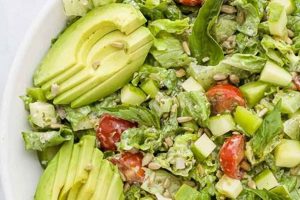
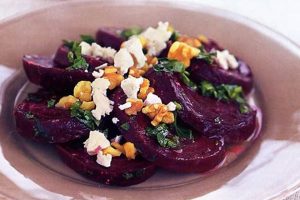
Plant-based diets can offer ample nourishment, including substantial protein intake, when thoughtfully constructed. Salads incorporating legumes, tofu, tempeh, edamame, seeds, nuts, and certain grains like quinoa provide diverse amino acid profiles essential for muscle building, tissue repair, and overall health. For instance, a salad featuring roasted chickpeas, quinoa, black beans, chopped walnuts, and a lemon-tahini dressing offers a complete protein source with a satisfying texture and flavor profile.
Meeting protein requirements on a vegan diet contributes to satiety, supports healthy weight management, and fuels active lifestyles. Historically, plant-based protein sources have been dietary staples across cultures. Modern nutritional science underscores their significance in promoting well-being and mitigating the environmental impact associated with animal agriculture. These culinary traditions offer a rich foundation for crafting nutritionally robust and flavorful meals.
This exploration delves into the diverse world of plant-based protein options suitable for salads, covering ingredient selection, preparation methods, and complementary flavor combinations. Nutritional considerations and practical tips for maximizing protein content will also be addressed, offering a comprehensive guide to creating satisfying and healthful vegan salads.
Tips for Crafting Protein-Rich Vegan Salads
Maximizing the nutritional value of vegan salads requires strategic ingredient selection and preparation. The following tips offer guidance for creating satisfying and protein-packed meals.
Tip 1: Embrace Legumes: Legumes, such as lentils, chickpeas, and black beans, serve as excellent protein foundations. Roasting or pan-frying enhances their flavor and texture.
Tip 2: Incorporate Tofu and Tempeh: These versatile soy-based products offer complete proteins and absorb flavors readily. Marinating or grilling adds depth and complexity.
Tip 3: Explore Ancient Grains: Quinoa, amaranth, and freekeh contribute protein and essential nutrients, adding textural variety.
Tip 4: Harness the Power of Seeds: Hemp, chia, pumpkin, and sunflower seeds offer concentrated protein and healthy fats. Sprinkling them liberally boosts nutritional density.
Tip 5: Don’t Forget Nuts: Almonds, walnuts, and cashews provide protein, healthy fats, and satisfying crunch. Toasted or raw, they elevate both flavor and nutritional profiles.
Tip 6: Maximize Nutrient Absorption: Combining legumes with grains ensures a complete protein profile. Adding a squeeze of lemon juice enhances iron absorption from plant-based sources.
Tip 7: Creative Dressing Choices: Flavorful dressings based on tahini, nutritional yeast, or avocado complement the salad’s components while adding healthy fats and enhancing satiety.
By following these tips, individuals can create balanced and protein-rich vegan salads that contribute to overall health and well-being.
These strategies provide a foundation for crafting delicious and nutritious plant-based meals, showcasing the versatility and abundance of vegan cuisine.
1. Legumes (lentils, chickpeas)

Legumes, encompassing lentils and chickpeas, constitute cornerstones of high-protein vegan salads. Their significance stems from their substantial protein content, coupled with dietary fiber, complex carbohydrates, and essential micronutrients. This nutritional profile contributes significantly to satiety, blood sugar regulation, and overall dietary balance within plant-based meal plans. For instance, a lentil salad featuring Puy lentils, roasted vegetables, and a lemon-herb vinaigrette offers a robust protein source alongside a complex flavor profile. Similarly, incorporating chickpeas into salads, whether roasted, sprouted, or pureed into hummus, adds protein density and textural variety. The versatility of legumes allows for diverse culinary applications within salad contexts, enhancing both nutritional value and gastronomic appeal.
The impact of incorporating legumes extends beyond individual health benefits. Their cultivation promotes sustainable agricultural practices due to their nitrogen-fixing properties, reducing the need for synthetic fertilizers. This ecological advantage positions legumes as environmentally responsible protein sources, aligning with the broader sustainability goals often associated with veganism. Furthermore, the affordability and accessibility of legumes globally make them valuable dietary components, particularly in regions where access to diverse protein sources may be limited. Their inclusion in salads, therefore, contributes to both individual and planetary well-being.
In conclusion, the integration of legumes like lentils and chickpeas into high-protein vegan salads represents a nutritionally sound and ecologically conscious approach to meal planning. Their versatility, affordability, and health benefits underscore their importance within plant-based diets. Addressing potential challenges such as digestive discomfort associated with legume consumption can be mitigated through proper preparation techniques like soaking and sprouting. Ultimately, understanding the nutritional and practical advantages of incorporating legumes empowers individuals to create balanced, satisfying, and sustainable vegan salads that support both personal health and environmental responsibility.
2. Tofu/Tempeh
Tofu and tempeh, both derived from soybeans, represent versatile protein sources integral to numerous high-protein vegan salad recipes. Their complete protein profiles, offering all essential amino acids, distinguish them within plant-based cuisine. Furthermore, their neutral flavor profiles allow them to absorb marinades and dressings readily, enhancing their culinary versatility. Cubes of marinated tofu, pan-fried until crispy, contribute substantial protein and satisfying texture to a salad featuring mixed greens, roasted vegetables, and a vibrant ginger-soy dressing. Similarly, crumbled tempeh, sauted with spices, lends a nutty flavor and hearty texture to a grain-based salad with quinoa, black beans, and corn. These examples illustrate the practical application of tofu and tempeh in creating flavorful and nutritionally balanced vegan salads.
The significance of tofu and tempeh extends beyond their protein content. These soy-based products offer a range of essential micronutrients, including iron, calcium, and magnesium, contributing to overall dietary adequacy within vegan meal plans. Moreover, their culinary adaptability allows for diverse preparation methods, from grilling and baking to crumbling and pan-frying, expanding their potential within salad creations. Consider a salad featuring grilled teriyaki-marinated tempeh alongside brown rice, edamame, and shredded carrots. This example highlights how tofu and tempeh can serve as central components of satisfying and nutritionally complete vegan salads. Their inclusion addresses a key dietary requirement within plant-based eating patterns, ensuring adequate protein intake for optimal health and well-being.
In summary, tofu and tempeh contribute significantly to high-protein vegan salad recipes, offering complete protein profiles, versatile culinary applications, and a range of essential micronutrients. While concerns regarding soy consumption exist, moderate intake within a balanced diet poses minimal risk for healthy individuals. Proper preparation methods, such as pressing tofu to remove excess water and marinating for enhanced flavor, maximize their culinary potential. Understanding the nutritional value and culinary versatility of tofu and tempeh empowers individuals to create delicious, protein-rich, and satisfying vegan salads that support a healthy and balanced plant-based lifestyle. Incorporating these versatile ingredients into salads addresses a fundamental nutritional need, demonstrating the practicality and palatability of plant-based cuisine.
3. Seeds (hemp, chia)
Seeds, particularly hemp and chia, represent nutritionally dense additions to high-protein vegan salad recipes. Their significant protein content, combined with healthy fats, fiber, and essential minerals, elevates the overall nutritional profile of plant-based salads. Hemp seeds, boasting a complete protein profile, contribute all nine essential amino acids, crucial for muscle development and tissue repair. Chia seeds, while not a complete protein, offer substantial plant-based protein alongside notable amounts of omega-3 fatty acids, promoting cardiovascular health. A salad featuring mixed greens, roasted vegetables, hemp seeds, and a lemon-tahini dressing exemplifies the practical application of these seeds, enhancing both the protein content and the nutritional density of the meal. Similarly, a chia seed pudding layered with fresh berries and chopped nuts can serve as a protein-rich and visually appealing salad component.
The impact of incorporating hemp and chia seeds extends beyond their individual nutritional contributions. Their addition enhances the texture and flavor profile of salads, adding a satisfying crunch and subtle nutty notes. Moreover, their versatility allows for seamless integration into various salad preparations. Sprinkling hemp seeds over a bed of greens, incorporating chia seeds into a creamy dressing, or adding them to homemade crackers provides options for enhancing both the nutritional and sensory aspects of vegan salads. Consider a salad featuring roasted sweet potatoes, kale, chickpeas, and a sprinkle of hemp seeds, offering a balanced combination of protein, complex carbohydrates, and healthy fats. Such examples illustrate the practical application and culinary versatility of hemp and chia seeds within high-protein vegan salad recipes.
In conclusion, hemp and chia seeds serve as valuable additions to high-protein vegan salads, contributing significant protein, healthy fats, fiber, and essential micronutrients. Their inclusion addresses a key dietary consideration within plant-based eating patterns, ensuring adequate protein intake for optimal health and well-being. Furthermore, their versatility and ease of incorporation make them practical and convenient options for enhancing the nutritional value and sensory appeal of vegan salads. Addressing potential challenges, such as the relatively higher cost of these seeds, can be mitigated by incorporating them strategically within a balanced meal plan. Understanding the nutritional and culinary benefits of hemp and chia seeds empowers individuals to create delicious, protein-rich, and satisfying vegan salads that support a healthy and balanced plant-based lifestyle.
4. Nuts (almonds, walnuts)

Nuts, particularly almonds and walnuts, represent valuable additions to high-protein vegan salad recipes, contributing not only substantial protein content but also healthy fats, fiber, and essential micronutrients. Their inclusion addresses key dietary considerations within plant-based eating patterns, enhancing both nutritional value and culinary appeal. This exploration delves into the multifaceted role of almonds and walnuts in crafting protein-rich and flavorful vegan salads.
- Nutritional Contribution
Almonds and walnuts offer significant plant-based protein, contributing to overall protein requirements within a vegan diet. Almonds provide a good source of vitamin E, magnesium, and fiber, while walnuts are rich in omega-3 fatty acids, promoting cardiovascular health. These nutritional attributes complement the overall health benefits of a plant-based diet.
- Culinary Versatility
The culinary versatility of almonds and walnuts allows for seamless integration into diverse salad preparations. Slivered almonds add a delicate crunch and subtle sweetness to a salad featuring mixed greens, berries, and a light vinaigrette. Toasted walnuts lend a rich, earthy flavor to a salad with roasted vegetables, lentils, and a maple-balsamic dressing. Their adaptability enhances both the textural and flavor profiles of vegan salads.
- Satiety and Flavor Enhancement
The healthy fats and fiber content in almonds and walnuts contribute to satiety, promoting feelings of fullness and satisfaction after consuming a salad. Their distinct flavors, from the subtly sweet almond to the robust walnut, enhance the overall sensory experience, making vegan salads more appealing and enjoyable. This contributes to adherence to plant-based dietary patterns by making meals more satisfying.
- Practical Considerations
While almonds and walnuts offer numerous benefits, considerations regarding portion control are important due to their calorie density. Incorporating them strategically, such as a small handful per serving, maximizes their nutritional benefits without significantly increasing overall calorie intake. Proper storage in airtight containers preserves their freshness and prevents rancidity, ensuring optimal quality and flavor.
Incorporating almonds and walnuts into high-protein vegan salads exemplifies a nutritionally sound approach to plant-based meal planning. Their combined protein content, healthy fats, fiber, and micronutrients contribute significantly to overall dietary adequacy and culinary satisfaction. By understanding their nutritional value, culinary versatility, and practical considerations, individuals can create balanced, flavorful, and protein-rich vegan salads that support a healthy and enjoyable plant-based lifestyle.
5. Grains (quinoa)

Certain grains, notably quinoa, play a crucial role in augmenting the nutritional profile of high-protein vegan salads. While not traditionally categorized as a grain, quinoa’s culinary applications and nutritional composition align closely with grain-like characteristics. Its inclusion offers a valuable strategy for enhancing both the protein content and overall dietary balance of plant-based salads.
- Complete Protein Source
Quinoa stands out among plant-based protein sources due to its complete protein profile, providing all nine essential amino acids required for human health. This characteristic distinguishes it from many other plant-based proteins and makes it a particularly valuable component of vegan diets, where ensuring adequate intake of all essential amino acids requires careful meal planning. Incorporating quinoa into a salad contributes significantly to meeting daily protein requirements.
- Nutritional Density
Beyond its protein content, quinoa offers a wealth of essential nutrients, including iron, magnesium, and fiber. These nutrients contribute to overall dietary adequacy, supporting various physiological functions. The iron content in quinoa is particularly relevant for vegan diets, as plant-based iron sources are not as readily absorbed as heme iron from animal products. Combining quinoa with vitamin C-rich ingredients in a salad, such as bell peppers or citrus fruits, can enhance iron absorption.
- Culinary Adaptability
Quinoa’s mild, slightly nutty flavor and fluffy texture make it a versatile ingredient in salads. It can be incorporated as a base, similar to a grain salad, or used as a component alongside other ingredients. Consider a salad featuring cooked quinoa, roasted vegetables, black beans, and a cilantro-lime dressing. This example showcases quinoa’s adaptability and its ability to complement diverse flavor profiles.
- Practical Applications and Considerations
Quinoa’s ease of preparation adds to its practicality within salad recipes. Rinsing quinoa before cooking removes saponins, naturally occurring compounds that can impart a bitter flavor. Cooking quinoa follows a simple process similar to rice, making it a convenient addition to meal preparation. Furthermore, quinoa’s relatively long shelf life allows for efficient pantry storage.
In conclusion, quinoa’s inclusion in high-protein vegan salads represents a nutritionally sound strategy for enhancing protein content, adding essential nutrients, and diversifying flavor and texture. Its complete protein profile, culinary versatility, and ease of preparation position it as a valuable component within plant-based meal planning. By understanding its nutritional benefits and culinary applications, individuals can create balanced, flavorful, and protein-rich vegan salads that support a healthy and satisfying plant-based lifestyle.
6. Creative Dressings

Creative dressings play a pivotal role in enhancing high-protein vegan salad recipes, extending beyond mere flavor enhancement to address key nutritional and culinary considerations within plant-based cuisine. Dressings contribute significantly to the overall palatability and nutritional density of these salads, directly impacting satiety, nutrient absorption, and dietary adherence. A thoughtfully crafted dressing elevates a simple salad into a satisfying and nutritionally complete meal.
The impact of creative dressings stems from their ability to address several key aspects of vegan salad preparation. Flavorful dressings, utilizing ingredients like tahini, nutritional yeast, or avocado, compensate for the potentially perceived blandness of certain plant-based protein sources. Dressings also contribute healthy fats crucial for the absorption of fat-soluble vitamins present in salad ingredients. Furthermore, the creamy texture of many vegan dressings enhances satiety, promoting feelings of fullness and satisfaction, which can be particularly important in higher-fiber plant-based diets. Consider a salad featuring roasted tofu, quinoa, and a vibrant tahini-ginger dressing; the dressing not only complements the flavors of the tofu and quinoa but also provides healthy fats and a creamy texture that enhances the overall sensory experience.
In summary, creative dressings represent an essential component of high-protein vegan salad recipes, contributing significantly to palatability, nutritional value, and satiety. Their strategic utilization addresses key challenges within plant-based cuisine, transforming salads from simple side dishes into satisfying and nutritionally complete meals. Utilizing diverse flavor profiles, incorporating healthy fats, and enhancing textural appeal exemplify the multifaceted role of creative dressings in optimizing both the nutritional and sensory aspects of high-protein vegan salads. Addressing potential challenges, such as the calorie density of certain dressings, can be mitigated through portion control and ingredient selection, ensuring alignment with overall dietary goals. An understanding of the vital role dressings play empowers individuals to craft truly exceptional vegan salads that support a healthy and enjoyable plant-based lifestyle.
Frequently Asked Questions
This section addresses common inquiries regarding the creation and consumption of high-protein vegan salads, offering practical insights and evidence-based information to support informed dietary choices.
Question 1: How can adequate protein be ensured in a vegan salad?
Combining complementary plant-based protein sources, such as legumes and grains, ensures a complete amino acid profile. Incorporating tofu, tempeh, seeds, and nuts further enhances protein content.
Question 2: What are effective strategies for maximizing protein absorption from vegan salads?
Consuming vitamin C-rich foods alongside plant-based iron sources, like leafy greens or legumes, enhances iron absorption. Proper food combining, such as pairing legumes with grains, improves overall protein utilization.
Question 3: Can vegan salads provide sufficient protein for athletes and active individuals?
Strategic meal planning and appropriate portion sizes can ensure adequate protein intake for athletes on vegan diets. Consuming a variety of protein-rich plant foods throughout the day supports muscle recovery and growth.
Question 4: How can the potential for digestive discomfort from high-fiber vegan salads be mitigated?
Gradually increasing fiber intake allows the digestive system to adapt. Properly preparing legumes, such as soaking and sprouting, reduces the risk of digestive issues. Adequate hydration supports optimal digestion.
Question 5: Are high-protein vegan salads suitable for individuals with specific dietary restrictions, such as gluten intolerance?
Adapting recipes by substituting gluten-free grains, like quinoa or buckwheat, accommodates gluten intolerance. Careful label reading and ingredient selection ensure avoidance of gluten-containing ingredients in dressings and toppings.
Question 6: What are economical approaches to creating high-protein vegan salads?
Prioritizing cost-effective protein sources like dried beans, lentils, and tofu over more expensive options like pre-packaged meat alternatives reduces overall meal costs. Seasonal produce and home-prepared dressings further enhance affordability.
Incorporating these insights into meal planning supports a nutritionally sound and sustainable approach to plant-based eating. Careful consideration of individual dietary needs and preferences ensures that high-protein vegan salads contribute to overall health and well-being.
This concludes the FAQ section. The subsequent section will delve into specific high-protein vegan salad recipes.
High-Protein Vegan Salad Recipes
Exploration of high-protein vegan salad recipes reveals the significant potential of plant-based cuisine to deliver nutritionally robust meals. Strategic incorporation of legumes, tofu, tempeh, seeds, nuts, and grains like quinoa ensures adequate protein intake while offering diverse flavors and textures. Careful consideration of complementary protein combinations and nutrient absorption strategies optimizes the bioavailability of essential nutrients. Creative dressings, incorporating ingredients like tahini, avocado, or nutritional yeast, enhance both palatability and nutritional density, contributing to satiety and overall dietary adherence. Addressing practical considerations, such as proper legume preparation and portion control for calorie-dense ingredients, ensures successful integration into varied lifestyles and dietary needs.
Plant-based diets, supported by thoughtfully constructed meals like high-protein vegan salads, represent a viable and sustainable approach to meeting nutritional requirements while minimizing environmental impact. Continued exploration of innovative culinary techniques and ingredient combinations within the realm of plant-based cuisine holds promise for further expanding the accessibility and appeal of healthy, sustainable dietary patterns. Embracing the versatility and nutritional power of plant-based ingredients empowers individuals to prioritize both personal well-being and planetary health.