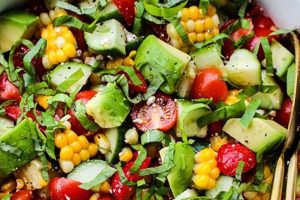
A vibrant and refreshing dish from Vietnamese cuisine, this culinary creation typically features a base of fresh greens, herbs, and often shredded vegetables like cabbage, carrots, and daikon. These are combined with a protein element, which could range from grilled chicken or shrimp to tofu or beef, and tossed in a light, flavorful dressing often featuring fish sauce, lime juice, sugar, and chili. Examples include gi g (chicken salad), gi cun (fresh spring rolls which, while not strictly a salad, share similar components and flavors), and gi u (green papaya salad).
The balanced flavors and textures inherent in these dishes offer a delightful sensory experience. The tanginess of lime juice, the umami of fish sauce, the sweetness of sugar, and the heat of chili create a complex and harmonious dressing that complements the fresh, crisp vegetables and protein. This emphasis on fresh ingredients contributes not only to flavor but also to nutritional value, making these dishes a healthy and satisfying meal option. Historically, these preparations likely originated from simple combinations of readily available ingredients, evolving over time with the influence of regional variations and culinary traditions.
This exploration will delve into the diverse variations of this culinary tradition, examining specific recipes, regional differences, ingredient selection, and the cultural significance of these dishes within Vietnamese gastronomy.
Tips for Crafting Exceptional Vietnamese Salads
Achieving authentic and flavorful results requires attention to detail and an understanding of key techniques. The following tips provide guidance for preparing exceptional Vietnamese salads.
Tip 1: Balance is Key: The hallmark of a successful Vietnamese salad lies in the harmonious balance of sweet, sour, salty, spicy, and umami flavors. Adjust the dressing ingredients to achieve this equilibrium.
Tip 2: Freshness Matters: Utilize the freshest ingredients available. Crisp vegetables and fragrant herbs are essential for optimal flavor and texture.
Tip 3: Proper Knife Skills: Thinly slicing or julienning vegetables ensures even coating with the dressing and enhances the overall eating experience.
Tip 4: Toasting Aromatics: Toasting ingredients like peanuts, sesame seeds, or shallots before adding them to the salad elevates their flavor profile, adding depth and complexity.
Tip 5: Nuoc Cham Mastery: Understanding the nuances of nc chm (Vietnamese dipping sauce) is crucial. Experiment with variations to complement specific proteins and vegetables.
Tip 6: Herb Selection: Vietnamese salads often feature a variety of fresh herbs like mint, cilantro, and basil. Select herbs that complement the chosen protein and other ingredients.
Tip 7: Don’t Overdress: Add the dressing gradually, tossing gently to ensure the salad is lightly coated but not soggy.
By adhering to these principles, one can elevate Vietnamese salads from simple dishes to culinary masterpieces. The interplay of fresh ingredients, vibrant flavors, and balanced textures offers a truly satisfying gastronomic experience.
These tips provide a solid foundation for preparing authentic and delicious Vietnamese salads. The following section will explore specific regional variations and recipe examples.
1. Fresh Ingredients

Fresh ingredients are fundamental to an authentic and flavorful gi. The emphasis on freshness stems from the desire to capture the vibrant flavors and textures of each component. The delicate balance of sweet, sour, salty, spicy, and umami, characteristic of Vietnamese cuisine, relies heavily on the quality and freshness of the ingredients. Wilted herbs or less-than-crisp vegetables would compromise the intended flavor profile and textural contrast. For example, a gi cun (fresh spring roll) depends on the crispness of the lettuce and the vibrant flavors of the herbs; using stale ingredients would result in a significantly less satisfying experience.
The choice of fresh ingredients also reflects a deep connection to the agricultural traditions of Vietnam. Many gi recipes utilize readily available seasonal produce, showcasing the bounty of local markets. This focus on seasonality ensures optimal flavor and nutritional value. The use of fresh herbs, like mint, cilantro, and Thai basil, not only contributes to the aromatic complexity of the salad but also provides a refreshing counterpoint to the richer elements. The practical significance of using fresh ingredients extends beyond flavor; it contributes to the overall healthfulness and vibrancy of the dish. A gi u (green papaya salad), for example, relies on the crisp texture of the green papaya; a less-than-fresh papaya would compromise the dish’s signature crunch.
Ultimately, the emphasis on fresh ingredients within gi underscores the importance of quality produce in Vietnamese culinary tradition. This commitment to freshness ensures a vibrant, flavorful, and healthful dining experience, reflecting a deep appreciation for the natural world and its bounty. While sourcing the freshest ingredients might present challenges depending on location and season, the resulting elevation in flavor and texture justifies the effort. This principle of freshness extends beyond gi and permeates much of Vietnamese cuisine, highlighting the importance of quality ingredients in achieving culinary excellence.
2. Balanced Flavors

Balance forms the cornerstone of a successful gi. This balance refers to the harmonious interplay of five fundamental taste elements: sweet, sour, salty, spicy, and umami. Each element plays a crucial role, and the absence or overemphasis of any one component can disrupt the delicate equilibrium. This principle of balance is deeply rooted in Vietnamese culinary philosophy, reflecting a broader cultural appreciation for harmony and equilibrium. The sweet element often comes from sugar or fruit, sourness from lime or vinegar, saltiness from fish sauce or salt, spiciness from chili peppers, and umami from ingredients like fish sauce, shrimp paste, or dried shrimp. The precise balance of these elements varies depending on the specific gi recipe, allowing for a diverse range of flavor profiles while adhering to the underlying principle of harmony. For instance, a gi g (chicken salad) might emphasize the sweet and savory notes, while a gi u (green papaya salad) might lean towards a more pronounced sour and spicy profile.
Achieving this balance requires careful consideration of ingredient proportions and an understanding of how different flavors interact. The interplay of these elements creates a complex and nuanced flavor profile that is far greater than the sum of its parts. For example, the sweetness tempers the sourness, the saltiness enhances the umami, and the spiciness adds a vibrant kick. The nc chm (dipping sauce) often plays a critical role in achieving this balance, providing a concentrated burst of flavor that complements the other ingredients. A well-executed nc chm will possess a harmonious blend of sweet, sour, salty, and spicy notes, enhancing the overall flavor profile of the gi. This attention to balance differentiates gi from salads in other culinary traditions, which might prioritize a single flavor profile, such as sweetness or acidity.
Understanding the importance of balanced flavors is essential for anyone seeking to create authentic and delicious gi. This principle of balance is not merely a culinary technique but a reflection of a deeper cultural appreciation for harmony and equilibrium. Mastering this balance allows one to appreciate the complexity and nuance of Vietnamese cuisine fully. While achieving the perfect balance might require practice and experimentation, the resulting depth of flavor justifies the effort, offering a rewarding culinary experience that showcases the artistry of Vietnamese gastronomy. This principle extends beyond gi to other Vietnamese dishes, emphasizing the importance of balanced flavors in creating a harmonious and satisfying meal. It encourages a mindful approach to cooking, emphasizing the interplay of flavors and the impact of each ingredient on the overall composition of a dish.
3. Vibrant Textures
Textural diversity is a defining characteristic of gi, elevating it beyond mere flavor. The interplay of various textures contributes significantly to the overall sensory experience, creating a dynamic and engaging culinary encounter. This aspect highlights the thoughtful composition of these salads, showcasing a sophisticated understanding of how texture enhances enjoyment.
- Crispness
Crisp elements form the foundation of many gi variations. Ingredients like shredded cabbage, julienned carrots, sliced cucumbers, and fresh herbs provide a refreshing crunch. This crispness contrasts with other textural elements, creating a stimulating mouthfeel. In gi cun (fresh spring rolls), the crisp lettuce and vegetables contrast beautifully with the soft rice paper and vermicelli noodles.
- Softness
Soft elements complement the crisp components, adding another layer of textural complexity. Vermicelli noodles, often included in gi cun, offer a delicate softness. Cooked proteins, such as poached chicken or shrimp, contribute a tender texture, balancing the crisp vegetables. The soft rice paper wrapper in gi cun provides a delicate counterpoint to the inner ingredients.
- Crunch
Crunchy elements provide bursts of contrasting texture, adding excitement to each bite. Toasted peanuts, sesame seeds, or fried shallots offer satisfying crunch. In gi u (green papaya salad), the peanuts contribute a crucial crunchy element that complements the shredded papaya. These crunchy elements often also contribute to the flavor profile, adding nutty or savory notes.
- Tenderness
Tenderness, often found in the protein component, contributes a satisfying chewiness. Grilled or poached meats offer a tender contrast to the crisp vegetables. In gi g (chicken salad), the tender chicken provides a substantial textural element that complements the fresh herbs and vegetables. The choice of protein and its preparation significantly impact the overall texture of the salad.
The interplay of these diverse textures creates a dynamic and engaging dining experience. This careful consideration of texture distinguishes gi, showcasing the culinary artistry of Vietnamese cuisine. The combination of crisp, soft, crunchy, and tender elements elevates these salads beyond simple combinations of ingredients, transforming them into complex and satisfying culinary creations. This textural complexity also contributes to the refreshing nature of gi, making it a particularly appealing dish in warmer climates.
4. Aromatic Herbs

Aromatic herbs constitute an indispensable element of gi, contributing significantly to its distinctive character. Their fragrant presence elevates these salads beyond simple combinations of ingredients, adding layers of complexity and freshness. The selection and utilization of herbs reflect a deep understanding of flavor pairings and the therapeutic properties of various plants, integral to Vietnamese culinary tradition.
- Flavor Enhancement
Aromatic herbs infuse gi with distinctive flavors, enhancing the overall sensory experience. Mint, cilantro, Thai basil, and fish mint are common choices, each imparting its unique aromatic signature. Mint provides a cooling, refreshing note, cilantro adds a bright, citrusy touch, Thai basil contributes a subtle anise-like flavor, and fish mint offers a pungent, savory element. These herbs not only complement the other ingredients but also create a dynamic interplay of flavors, making each bite a multi-sensory experience. For instance, in a gi g (chicken salad), the mint and cilantro enhance the savory flavors of the chicken and the nc chm (dipping sauce).
- Balancing Agent
Beyond flavor, aromatic herbs act as balancing agents, tempering the richness of certain ingredients and providing a refreshing counterpoint. The herbaceous notes of mint and cilantro, for example, can cut through the richness of fatty meats or the intensity of fish sauce, creating a more harmonious flavor profile. In a gi cun (fresh spring roll), the herbs balance the richness of the pork or shrimp, while in gi u (green papaya salad), they offset the spiciness of the chili peppers.
- Cultural Significance
The use of specific herbs also holds cultural significance, reflecting traditional Vietnamese medicine and culinary practices. Certain herbs are believed to possess medicinal properties, promoting digestion, boosting immunity, or providing other health benefits. This integration of culinary and medicinal practices reflects a holistic approach to food and well-being, deeply embedded in Vietnamese culture. The inclusion of herbs like mint and cilantro, believed to aid digestion, underscores this connection between food and health.
- Visual Appeal
The vibrant green hues of aromatic herbs contribute significantly to the visual appeal of gi. The bright colors of mint, cilantro, and basil create a visually striking contrast against the other ingredients, enhancing the overall presentation. This attention to visual aesthetics is a hallmark of Vietnamese cuisine, reflecting an appreciation for the artistry of food presentation. The artful arrangement of herbs in a gi elevates the dish from a simple salad to a visually appealing culinary creation.
The incorporation of aromatic herbs is therefore essential for achieving an authentic and flavorful gi. These herbs contribute not only to the flavor and aroma but also to the textural complexity, visual appeal, and cultural significance of the dish. Understanding the role of aromatic herbs provides a deeper appreciation for the nuanced artistry of Vietnamese cuisine and its emphasis on fresh, flavorful, and balanced ingredients.
5. Flavorful Dressing
The flavorful dressing, often referred to as nc chm, constitutes the very essence of a gi Vietnamese salad recipe. This dressing is not merely a condiment but an integral component that binds the diverse elements of the salad together, transforming individual ingredients into a cohesive and harmonious whole. Nc chm’s influence extends beyond mere flavor enhancement; it dictates the overall character of the salad, influencing its balance, complexity, and cultural authenticity. The very concept of gi hinges on the successful execution of this crucial element. A gii without a well-balanced and flavorful dressing ceases to be authentic, becoming a mere collection of ingredients lacking cohesion and depth. For instance, a gi g (chicken salad) relies heavily on the nc chm to impart its signature sweet, sour, salty, and spicy notes; without it, the dish loses its distinctive character.
Typically composed of fish sauce, lime juice, sugar, garlic, chili, and water, nc chm exhibits a complex interplay of sweet, sour, salty, spicy, and umami flavors. This intricate balance is crucial, as it complements and enhances the flavors of the other ingredients, creating a symphony of tastes that defines Vietnamese cuisine. The specific ratios of these ingredients can vary depending on the regional variation of gi and the accompanying protein. For example, a gi cun (fresh spring roll) might utilize a lighter, less intense nc chm to complement the delicate flavors of the rice paper and vermicelli noodles, while a gi u (green papaya salad) might feature a more pungent and spicy dressing to balance the sharpness of the papaya. The nc chm not only adds flavor but also contributes to the textural experience, providing a light sauce that coats the ingredients without making them soggy. Furthermore, its presence enhances the visual appeal, adding a glistening sheen that makes the salad even more enticing.
Mastering the art of nc chm preparation is therefore paramount to creating an authentic and delicious gi. Its careful balance of flavors, its ability to unify diverse ingredients, and its cultural significance all contribute to its importance. Understanding the nuances of nc chm, including regional variations and ingredient adaptations, allows for a deeper appreciation of Vietnamese culinary artistry and the central role that flavorful dressings play in shaping its unique and vibrant character. While variations exist based on personal preferences and regional traditions, the fundamental principles of balance and freshness remain constant. Challenges in sourcing authentic ingredients can be overcome with careful substitutions, but prioritizing quality ingredients remains essential for achieving optimal results.
Frequently Asked Questions
This section addresses common inquiries regarding the preparation and enjoyment of Vietnamese salads, offering practical guidance and clarifying potential misconceptions.
Question 1: What is the most important element in achieving an authentic flavor profile?
The balance of sweet, sour, salty, spicy, and umami flavors is paramount. A well-executed nc chm (dipping sauce) is crucial for achieving this balance.
Question 2: Can substitutions be made for ingredients like fish sauce?
While fish sauce contributes significantly to the authentic flavor profile, substitutions can be made for dietary restrictions. Soy sauce or tamari can be used, though they will alter the taste. Salt can be added, but it won’t replicate the umami of fish sauce. Experimentation is key to finding a suitable alternative.
Question 3: How important is the freshness of ingredients?
Freshness is crucial. The vibrant flavors and textures of Vietnamese salads rely heavily on using crisp vegetables and fragrant herbs. Wilted or less-than-fresh ingredients will significantly compromise the quality of the dish.
Question 4: Are there regional variations in Vietnamese salad recipes?
Regional variations exist, reflecting the diverse culinary traditions across Vietnam. These variations can manifest in ingredient selection, dressing composition, and even the preferred level of spiciness. Researching specific regional recipes can provide further insight.
Question 5: What are common protein choices for Vietnamese salads?
Common protein choices include grilled chicken, shrimp, beef, pork, tofu, and seafood. The choice of protein often influences the composition of the nc chm and the selection of accompanying herbs and vegetables.
Question 6: Can Vietnamese salads be adapted for vegetarian or vegan diets?
Adapting these salads for vegetarian or vegan diets is readily achievable. Tofu, tempeh, or seitan can replace animal-based proteins. Ensuring the nc chm is vegan-friendly, which typically involves omitting fish sauce and using a plant-based alternative, is essential.
Careful attention to detail, especially regarding ingredient freshness and flavor balance, is essential for creating truly authentic and delicious Vietnamese salads.
This concludes the FAQ section. The following section provides a collection of authentic Vietnamese salad recipes for practical application of the principles discussed.
goi vietnamese salad recipes
This exploration has delved into the multifaceted world of gi, highlighting its essential characteristics: the emphasis on fresh, high-quality ingredients; the delicate balance of flavors; the interplay of vibrant textures; the aromatic contribution of fresh herbs; and the crucial role of the flavorful nc chm. These elements, when combined with culinary expertise and an appreciation for Vietnamese gastronomic traditions, result in a dish that exemplifies the harmonious balance and vibrant flavors characteristic of Vietnamese cuisine. Regional variations further enrich the gi experience, demonstrating the adaptability and cultural significance of this culinary tradition.
Gi represents more than just a salad; it embodies a culinary philosophy that prioritizes freshness, balance, and the artful combination of ingredients. Further exploration of regional variations and individual experimentation with flavor profiles promise a deeper understanding and appreciation of this vibrant culinary tradition. The principles discussed herein provide a foundation for not only replicating traditional recipes but also inspiring innovative adaptations that honor the essence of gi while embracing individual creativity.