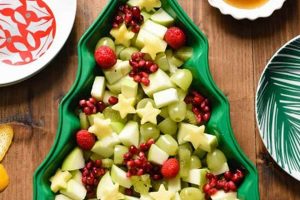
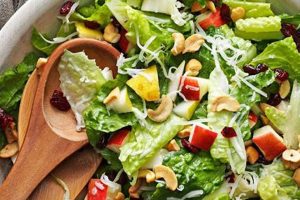
A delightful dessert or refreshing side dish typically consists of a mixture of fresh fruits, often complemented by a sweetened whipped cream topping. Variations can include the incorporation of nuts, seeds, or a light syrup for added flavor and texture. For instance, a summer version might feature berries and melon, while a more tropical option could include mango, pineapple, and kiwi. The whipped cream element adds richness and a creamy contrast to the fruit’s natural sweetness and acidity.
This combination offers both flavor and visual appeal. The vibrant colors and diverse textures of the fruit create a sensory experience, enhanced by the smooth, airy lightness of the whipped cream. The flexibility of the concept allows for customization based on seasonal availability, personal preferences, or dietary needs. Historically, access to fresh fruits and the techniques for creating whipped cream were indicators of relative prosperity, lending a celebratory aspect to such dishes. Today, these recipes continue to be popular choices for gatherings and special occasions, as well as simple, healthy everyday treats.
The following sections will delve into specific recipe examples, exploring variations on the core components, and offering tips and techniques for achieving optimal results. Considerations for selecting and preparing the fruit, as well as creating a stable and flavorful whipped cream, will be addressed in detail.
Tips for Creating a Delicious Fruit Salad with Whipped Cream
Achieving a balanced and flavorful dessert requires careful consideration of both the fruit selection and the whipped cream preparation. These tips offer guidance for optimal results.
Tip 1: Select ripe, but firm fruit. Overripe fruit will have a mushy texture and may contribute excess liquid to the salad. Underripe fruit will lack sweetness and optimal flavor.
Tip 2: Cut fruit into uniform sizes. This ensures even distribution of flavor and creates a more visually appealing presentation.
Tip 3: Prepare fruit shortly before serving. This helps prevent oxidation and maintains the fruit’s vibrant colors and fresh taste. Certain fruits, such as apples and bananas, are particularly prone to browning and should be added just before serving.
Tip 4: Use heavy whipping cream for best results. This type of cream has a higher fat content, resulting in a stable, voluminous whipped cream that holds its shape well.
Tip 5: Chill the cream and bowl before whipping. Cold temperatures aid in the formation of air bubbles, creating a lighter, airier texture.
Tip 6: Avoid over-whipping the cream. Over-whipping can lead to a grainy texture and, ultimately, butter. Whip until stiff peaks form.
Tip 7: Consider flavor enhancements. A touch of vanilla extract, citrus zest, or a small amount of liqueur can complement the fruit and enhance the overall flavor profile of the whipped cream.
Tip 8: Balance sweetness and acidity. Pair sweeter fruits like berries with slightly tart fruits like kiwi or pineapple for a balanced flavor experience. Adding a squeeze of lemon or lime juice can also enhance the flavor and prevent browning.
By following these guidelines, one can create a dish that is both visually appealing and delectably balanced, offering a harmonious blend of flavors and textures.
The following section will provide specific recipe examples, demonstrating how these tips can be applied in practice.
1. Fresh, Ripe Fruit

Fresh, ripe fruit forms the cornerstone of a successful fruit salad with whipped cream. The quality of the fruit directly impacts the overall flavor, texture, and visual appeal of the dish. Ripe fruit offers optimal sweetness and flavor development, crucial for balancing the richness of the whipped cream. Textural integrity is also essential; ripe yet firm fruit holds its shape and contributes to a pleasant mouthfeel. Conversely, overripe fruit can become mushy and release excess liquid, compromising both the texture and overall presentation. Consider a fruit salad featuring berries: plump, juicy blueberries and raspberries provide bursts of sweetness, while slightly firm strawberries offer a textural counterpoint. If these berries were overripe, they would bleed into the cream, creating an unappetizing appearance and diluted flavor.
Selecting fruit at peak ripeness requires careful observation. Indicators of ripeness vary depending on the type of fruit; visual cues such as vibrant color and a slight give to the touch are often reliable indicators. Aroma also plays a role; ripe fruit emits a characteristic fragrance. For instance, a ripe cantaloupe will have a sweet, musky aroma and a slightly soft rind. Choosing fruit in season often ensures optimal ripeness and flavor. Furthermore, proper storage techniques, such as refrigeration for most fruits, help maintain freshness and prevent premature spoilage. Utilizing fresh, ripe fruit enhances not only the sensory experience but also the nutritional value of the dish.
The emphasis on fresh, ripe fruit underscores the importance of quality ingredients in achieving a superior culinary outcome. While other components, such as the whipped cream, contribute to the overall experience, the fruit itself remains the central element. Careful selection and handling of the fruit ensure a vibrant, flavorful, and visually appealing dish that exemplifies the harmonious balance of taste and texture.
2. Balanced Sweetness
Balanced sweetness is paramount in a successful fruit salad with whipped cream. The inherent sweetness of ripe fruit interacts with the richness of the cream, requiring careful consideration to avoid an overly sugary result. Excessive sweetness can mask the nuanced flavors of the fruit and create a cloying, heavy dessert. Conversely, insufficient sweetness can leave the dish tasting bland and uninspired. The goal is to achieve a harmonious interplay of flavors where the natural sugars of the fruit complement, rather than overpower, the creamy sweetness of the whipped topping. This balance allows the individual flavors of the fruit to shine through while creating a cohesive and enjoyable sensory experience. For instance, a fruit salad featuring very sweet fruits like ripe mangoes and bananas might benefit from the addition of slightly tart raspberries or a squeeze of lime juice to temper the overall sweetness. This interplay prevents the sweetness from becoming overwhelming and adds complexity to the flavor profile.
Achieving balanced sweetness often involves considering the relative sweetness of different fruits. Pairing inherently sweet fruits like berries and melons with less sweet options like kiwi or pineapple can create a more balanced profile. The addition of a slightly acidic element, such as a squeeze of citrus juice, can further enhance the flavor and prevent the dish from becoming overly sweet. Furthermore, controlling the sweetness of the whipped cream is crucial. While a touch of sugar or honey can enhance the cream’s flavor, excessive sweetening can disrupt the overall balance of the dish. Careful consideration of these factors ensures that the final product offers a delightful combination of flavors, where the sweetness enhances, rather than detracts from, the overall experience.
Understanding the role of balanced sweetness in a fruit salad with whipped cream is crucial for creating a truly enjoyable dessert. It highlights the importance of thoughtful ingredient selection and preparation. By balancing the natural sugars of the fruit with the richness of the whipped cream and considering the interplay of sweet and tart flavors, one can create a dish that is both refreshing and satisfying. This approach underscores the principle that culinary success often lies in the nuanced balance of flavors and textures, transforming simple ingredients into a harmonious and delightful culinary creation.
3. Stable Whipped Cream

Stable whipped cream is essential for a successful fruit salad with whipped cream. Its structural integrity ensures the dessert maintains an appealing presentation and desirable textural contrast. Without stability, the whipped cream risks collapsing, creating a watery, unappetizing mixture. This section explores the key facets contributing to whipped cream stability and their impact on the overall dish.
- Fat Content
Whipping cream’s stability relies heavily on its fat content. Higher fat content, such as that found in heavy whipping cream or double cream, provides a stronger network for trapping air bubbles. This results in a firmer, more voluminous whipped cream that holds its shape over time. Lower-fat alternatives, such as light whipping cream or half-and-half, produce a less stable whipped cream prone to weeping or collapsing, especially when combined with the moisture-rich environment of a fruit salad.
- Temperature
Cold temperatures are crucial for creating and maintaining stable whipped cream. Chilling the cream, bowl, and beaters before whipping promotes the formation of smaller, more uniform air bubbles, which contribute to a stable structure. Warm temperatures can cause the fat in the cream to soften, making it difficult to achieve the desired volume and stability. A fruit salad served at room temperature can further accelerate the breakdown of whipped cream if it’s not sufficiently stable.
- Whipping Technique
Proper whipping technique plays a significant role in achieving stability. Over-whipping can cause the fat globules in the cream to clump together, resulting in a grainy texture and eventual butter formation. Under-whipping, on the other hand, yields a soft, runny consistency that lacks the necessary structure to hold its shape. Achieving stiff peaks, where the whipped cream stands upright without collapsing, indicates optimal whipping and contributes to its stability within the fruit salad.
- Additives
Certain additives can enhance whipped cream stability. A small amount of gelatin or cornstarch can act as stabilizers, helping to maintain the whipped cream’s structure over time. These additions are particularly beneficial when the dessert needs to hold its shape for an extended period, such as for a buffet or potluck. However, excessive use of stabilizers can result in a dense, gummy texture, so moderation is essential. Similarly, adding a small amount of sugar can help to stabilize the whipped cream while also contributing to its sweetness.
These factors, when carefully considered and controlled, contribute to a stable whipped cream that complements the fruit salad both visually and texturally. The stability ensures the whipped cream maintains its form, providing a pleasing contrast to the fruit while avoiding an undesirable watery consistency. This attention to detail elevates the dessert from a simple mixture to a carefully crafted culinary creation.
4. Textural Contrast

Textural contrast significantly contributes to the sensory appeal of a fruit salad with whipped cream. The interplay of textures creates a more engaging and enjoyable eating experience. The smooth, airy lightness of the whipped cream juxtaposed against the varying textures of the fruit provides a dynamic element that elevates the dish beyond simple sweetness. Consider the contrast between the delicate, creamy texture of whipped cream and the crisp, juicy bite of a fresh apple or the smooth, yielding texture of a ripe melon. This interplay of textures creates a multi-sensory experience, enhancing the overall enjoyment.
Several factors contribute to textural contrast within the recipe. Fruit selection plays a crucial role. Incorporating a variety of fruits with different textures, such as crisp apples, juicy berries, and soft bananas, creates a more interesting and dynamic mouthfeel. Preparation methods also influence texture; diced fruit offers a different experience compared to sliced or whole pieces. Furthermore, the whipped cream itself can exhibit textural variation. A lightly whipped cream provides a softer, more cloud-like texture, while a more firmly whipped cream offers a denser, more substantial counterpoint to the fruit. The interplay between these elements creates a symphony of textures, enhancing the overall culinary experience.
Understanding the impact of textural contrast allows for deliberate manipulation of these elements to achieve specific culinary goals. One might choose to emphasize crisp textures by incorporating more apples and pears, or highlight softer textures with the inclusion of ripe bananas and mangoes. The level of cream whipping can be adjusted to further enhance the desired textural profile. This conscious attention to texture transforms the dish from a simple combination of ingredients into a more complex and satisfying culinary creation. Ultimately, mastery of textural contrast elevates the fruit salad with whipped cream, demonstrating an understanding of the nuances that contribute to a truly exceptional culinary experience.
5. Visual Appeal

Visual appeal plays a crucial role in the overall perception and enjoyment of a fruit salad with whipped cream. The arrangement, colors, and textures of the ingredients contribute significantly to the sensory experience, influencing appetite and perceived freshness. A visually appealing presentation enhances the perceived value and desirability of the dish, transforming it from a simple combination of ingredients into an aesthetically pleasing culinary creation. This visual aspect is particularly important for special occasions, celebrations, or presentations where food serves not only as sustenance but also as a decorative element.
The vibrant colors of fresh fruit offer a natural advantage in creating a visually appealing presentation. Consider the contrast between the deep red of strawberries, the bright orange of cantaloupe, and the vibrant green of kiwi. This natural color palette creates a sense of freshness and vibrancy. Thoughtful arrangement further enhances the visual appeal. Arranging fruit in a visually interesting pattern, rather than simply tossing it together, elevates the presentation. Consider alternating colors and textures, creating a mosaic-like effect. The addition of garnishes, such as mint sprigs or a dusting of powdered sugar, provides a finishing touch, adding an element of sophistication. The contrast between the colorful fruit and the pure white of the whipped cream further enhances the visual appeal, creating a visually striking dessert.
Understanding the importance of visual appeal in food presentation allows for the creation of dishes that are not only delicious but also aesthetically pleasing. This understanding has practical significance in various contexts, from home cooking to professional culinary settings. In home cooking, a visually appealing presentation can elevate everyday meals, making them more enjoyable for family and guests. In professional settings, such as restaurants or catering events, the visual aspect of food presentation is crucial for attracting customers and creating a positive dining experience. The attention to visual detail demonstrates care and professionalism, contributing to the overall perception of quality. Therefore, the visual appeal of a fruit salad with whipped cream should not be overlooked, as it contributes significantly to the overall enjoyment and perceived value of the dish.
Frequently Asked Questions
This section addresses common inquiries regarding the preparation and enjoyment of fruit salad with whipped cream.
Question 1: How can browning of fruit be prevented?
Browning occurs due to enzymatic oxidation. Minimizing exposure to air and adding a source of acid, such as lemon or lime juice, can help prevent this process. Preparing fruit close to serving time also limits oxidation.
Question 2: What type of cream is best for whipping?
Heavy whipping cream or double cream, with a higher fat content, yields the most stable and voluminous whipped cream. Lower-fat alternatives may not whip as effectively or hold their shape as well.
Question 3: Can canned fruit be used?
While canned fruit can be used, fresh fruit is generally preferred for its superior flavor and texture. Canned fruit often contains added sugar and may have a softer, less desirable texture.
Question 4: How long can fruit salad with whipped cream be stored?
Refrigeration is essential. Ideally, consume the salad within two hours of preparation. Storage beyond this time may result in textural changes and potential bacterial growth.
Question 5: What are some alternatives to traditional whipped cream?
Alternatives include coconut cream, Greek yogurt, or dairy-free whipped toppings. These options may offer different flavor profiles and textural characteristics.
Question 6: Can this dish be adapted for specific dietary needs?
Adapting the recipe to suit specific dietary needs is achievable. Using sugar substitutes or alternative sweeteners can accommodate those with diabetes or following low-sugar diets. Dairy-free whipped toppings or coconut cream can be utilized for individuals with lactose intolerance or following vegan diets. Additionally, the fruit selection can be tailored to accommodate various allergies or intolerances.
Understanding these commonly addressed points allows for informed decision-making during recipe preparation. This knowledge contributes to successful outcomes and enjoyment of the dish.
The following section will provide some recipe variations for exploration.
Fruit Salad Whip Cream Recipe
Exploration of fruit salad whip cream recipes reveals a deceptively simple dish demanding careful consideration of several key elements. Fruit selection prioritizing ripeness and variety ensures optimal flavor and textural complexity. Achieving balanced sweetness through judicious fruit pairings and controlled addition of sweeteners prevents the dish from becoming cloying. Stable whipped cream, reliant on appropriate fat content, temperature control, and proper whipping technique, provides a crucial textural and visual counterpoint to the fruit. Attention to visual appeal through color arrangement and thoughtful garnishing elevates the dish from a simple combination of ingredients to an aesthetically pleasing culinary creation.
Successful execution of a fruit salad whip cream recipe demonstrates a nuanced understanding of culinary principles. It highlights the importance of balancing flavors, textures, and visual elements to create a harmonious and satisfying sensory experience. Further exploration of individual fruit characteristics, whipped cream variations, and innovative presentation techniques offers continued potential for culinary creativity and personalized enjoyment.