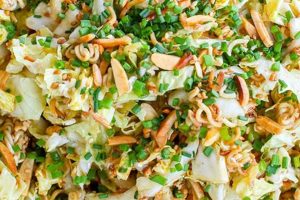
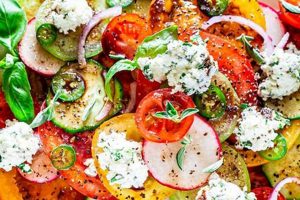
A vibrant, Tuscan-inspired dish typically features cubed bread, tomatoes, cucumbers, red onion, fresh basil, and often mozzarella cheese. Dressed with a simple vinaigrette, variations may incorporate other vegetables like bell peppers or olives. This bread salad absorbs the flavorful dressing and becomes increasingly delicious as it sits, making it an excellent make-ahead option.
The dish offers a delightful balance of textures and flavors, from the crisp vegetables and soft, marinated bread to the herbaceous basil and tangy vinaigrette. Its versatility lends itself well to picnics, potlucks, and light lunches or dinners. Rooted in Italian culinary tradition, the resourcefulness of using day-old bread transformed a simple combination of ingredients into a beloved staple, reflecting the ingenuity and appreciation for fresh, seasonal produce inherent in Mediterranean cuisine.
Further exploration of this culinary creation may involve examining specific variations, regional adaptations, dietary modifications, and detailed preparation methods, offering a deeper understanding of its enduring appeal and adaptability.
Tips for Crafting an Excellent Bread Salad
Achieving optimal flavor and texture requires attention to detail. The following tips offer guidance for creating a truly satisfying experience.
Tip 1: Bread Selection is Key: Choose a sturdy, day-old loaf, such as ciabatta, sourdough, or Italian bread. Avoid overly soft breads that may become mushy. Cubing the bread into uniform pieces ensures even absorption of the dressing.
Tip 2: Salting the Vegetables: Salting diced cucumbers and tomatoes draws out excess moisture, preventing a watery salad. Allow them to rest in a colander for 15-20 minutes before incorporating them into the mixture.
Tip 3: Balancing Flavors in the Vinaigrette: A simple vinaigrette of olive oil, red wine vinegar, garlic, salt, and pepper provides a classic flavor profile. Adjust the proportions to achieve the desired balance of tanginess and richness.
Tip 4: Adding the Bread at the Right Time: Introduce the bread to the salad roughly 30 minutes before serving. This allows sufficient time for absorption without making the bread soggy.
Tip 5: Fresh Herbs Enhance the Flavor: Fresh basil is traditional, but other herbs like oregano or mint can add intriguing dimensions. Add herbs just before serving to maintain their vibrancy.
Tip 6: Consider Optional Ingredients: Ingredients like olives, capers, roasted red peppers, or artichoke hearts provide opportunities for customization and added complexity.
Tip 7: Proper Storage: While best served fresh, leftovers can be refrigerated for a day or two. Store the bread and vegetables separately from the dressing and combine just before serving to maintain optimal texture.
By following these guidelines, one can create a flavorful, well-balanced bread salad that showcases the quality of its ingredients and the care taken in its preparation.
These tips illuminate the path toward a successful bread salad experience. The following conclusion offers a final perspective on this versatile and satisfying dish.
1. Stale Bread

Stale bread forms the foundation of panzanella, transforming what might be considered a leftover ingredient into a culinary centerpiece. Its dry texture is crucial, providing a canvas to absorb the vibrant vinaigrette and the flavors of the accompanying vegetables. Understanding the role of stale bread is essential to appreciating the unique characteristics of this salad.
- Absorption and Texture:
The stale bread’s porous nature allows it to soak up the vinaigrette, softening and developing rich flavor. This absorption also prevents the salad from becoming watery, maintaining a desirable textural balance against the crisp vegetables. A day-old loaf, slightly dried but not hard, offers the ideal absorbency without becoming overly mushy.
- Flavor Enhancement:
As the bread absorbs the vinaigrette, it takes on the flavors of the oil, vinegar, herbs, and spices. This creates a nuanced flavor profile that develops over time, enriching the overall taste of the salad. The bread itself contributes a subtle, earthy note that complements the fresh vegetables.
- Preventing Waste and Resourcefulness:
Using stale bread reflects a resourceful approach to cooking, minimizing food waste and transforming a simple ingredient into something more substantial. This aligns with the historical context of panzanella, originating as a peasant dish utilizing readily available ingredients.
- Bread Choices and Preparation:
While various types of bread can be used, rustic loaves like ciabatta, sourdough, or Italian bread are preferred for their sturdy texture. Cubing the bread into uniform pieces ensures even absorption of the dressing and contributes to a visually appealing presentation.
The strategic use of stale bread elevates panzanella beyond a simple salad, demonstrating how a seemingly humble ingredient can become integral to a dish’s success. Its ability to absorb flavors, contribute texture, and minimize waste underscores its importance in this classic Italian preparation. The careful selection and preparation of the bread ultimately determine the final quality and enjoyment of the panzanella.
2. Fresh Tomatoes
Fresh tomatoes provide a juicy, vibrant counterpoint to the absorbent bread in panzanella, contributing essential acidity and sweetness. Their selection and preparation significantly influence the salad’s overall flavor profile and textural balance. Understanding the role of tomatoes in panzanella is crucial for creating a successful rendition of this dish.
- Flavor and Acidity:
Ripe tomatoes offer a balanced sweetness and acidity that brightens the other ingredients. Their juices mingle with the vinaigrette, creating a complex, flavorful dressing that permeates the bread and other vegetables. The acidity also helps to balance the richness of the olive oil and any added cheese.
- Variety Selection:
Different tomato varieties offer unique flavor profiles and textures. Heirloom tomatoes, with their diverse colors and nuanced flavors, can add depth and visual appeal. Roma tomatoes, with their lower water content, are less likely to make the salad soggy. Choosing ripe, in-season tomatoes ensures optimal flavor and sweetness.
- Preparation and Texture:
Dicing the tomatoes into bite-sized pieces allows them to distribute evenly throughout the salad and release their juices more effectively. Salting the diced tomatoes and allowing them to drain in a colander before adding them to the salad helps to remove excess moisture and prevent a watery final product.
- Nutritional Value:
Beyond their contribution to flavor and texture, tomatoes offer nutritional benefits, providing vitamins, minerals, and antioxidants. Incorporating fresh tomatoes into panzanella adds a healthy dimension to this satisfying dish.
The inclusion of fresh tomatoes is essential for a well-balanced and flavorful panzanella. Their inherent acidity, sweetness, and juiciness complement the other ingredients, creating a harmonious blend of flavors and textures. Careful selection and preparation of the tomatoes elevate this simple salad to a vibrant and refreshing culinary experience.
3. Crisp Cucumbers

Crisp cucumbers contribute a refreshing coolness and satisfying crunch to panzanella, counterbalancing the softer textures of the bread and tomatoes. Their subtle flavor and high water content provide a textural and palate-cleansing element crucial to the salad’s overall balance. The choice and preparation of cucumbers significantly impact the final result.
The structural integrity of cucumbers plays a vital role in preventing the salad from becoming excessively soggy. Their firmness offers a textural contrast to the bread, which absorbs the vinaigrette and softens over time. Cucumbers’ mild, slightly sweet flavor harmonizes with the other ingredients without overpowering them, allowing the brighter notes of the tomatoes, red onion, and herbs to shine. Salting and draining cucumbers before adding them to the salad draws out excess moisture, preserving their crispness and preventing the salad from becoming watery. English cucumbers, known for their thin skin and fewer seeds, are often preferred for their delicate flavor and texture. Alternatively, standard cucumbers can be peeled and seeded before dicing to minimize bitterness and excess water.
The interplay of textures and flavors within panzanella highlights the importance of selecting crisp cucumbers. Their refreshing quality and textural contrast enhance the overall sensory experience. Proper preparation, including salting and draining, ensures that cucumbers retain their desirable characteristics and contribute to a well-balanced and enjoyable panzanella salad.
4. Red Onion
Red onion contributes a pungent, slightly sweet sharpness to panzanella, acting as a crucial balancing element against the other ingredients. Its vibrant color also enhances the salad’s visual appeal. The onion’s sharp flavor complements the sweetness of ripe tomatoes and the richness of the olive oil in the vinaigrette. This interplay of contrasting flavors creates a dynamic and more complex taste profile. Furthermore, the onion’s crisp texture adds another layer of interest to the salad, contrasting with the soft bread and juicy tomatoes. Soaking thinly sliced red onion in cold water for a short period can mellow its sharpness without sacrificing its textural contribution, making it more palatable for those sensitive to strong onion flavors. For example, a panzanella made without red onion might taste overly sweet or bland, lacking the dimension that the onion provides. In various regional adaptations of panzanella, the red onion is sometimes replaced with shallots or scallions, offering subtle variations on the theme of allium-based sharpness.
Beyond flavor and texture, red onion also offers nutritional value, containing antioxidants and other beneficial compounds. Its presence in panzanella contributes to the salad’s nutritional profile, aligning with the Mediterranean diet’s emphasis on fresh, wholesome ingredients. The quantity of red onion used can be adjusted to suit individual preferences, allowing for customization while maintaining its essential role in balancing the overall flavor profile. Overpowering the salad with too much red onion can detract from the other flavors, highlighting the importance of thoughtful portioning. Conversely, omitting it entirely can result in a less dynamic and less authentic representation of this classic dish. The careful integration of red onion exemplifies how seemingly minor ingredients contribute significantly to the overall success of a dish.
In conclusion, red onion plays a multifaceted role in panzanella, providing essential sharpness, vibrant color, and textural complexity. Its careful integration balances the sweetness of the tomatoes and the richness of the vinaigrette, creating a more nuanced and flavorful experience. Understanding the impact of red onion on the overall composition of panzanella allows for informed ingredient choices and adjustments, ultimately leading to a more successful and satisfying culinary outcome.
5. Vinaigrette
Vinaigrette constitutes a defining element of panzanella, acting as a unifying agent that binds the diverse components and contributes significantly to the overall flavor profile. The vinaigrettes role extends beyond simply dressing the salad; it actively transforms the stale bread, a key characteristic of this dish. The acidity in the vinaigrette, typically derived from red wine vinegar, softens the bread, allowing it to absorb the flavors of the oil, herbs, and spices. This absorption process is fundamental to panzanella, creating a textural contrast between the softened bread and the crisp vegetables. A well-balanced vinaigrette enhances, rather than masks, the flavors of the fresh ingredients. The quality of the olive oil influences the overall taste, with extra virgin olive oil providing a fruity and peppery complexity. The ratio of oil to vinegar affects both the flavor and the texture of the salad. A higher proportion of oil creates a richer, more emulsified dressing, while a higher vinegar content results in a sharper, more acidic flavor. This balance allows for customization based on personal preference and the specific ingredients used in the salad. For example, a panzanella with sweeter tomatoes might benefit from a slightly more acidic vinaigrette.
The choice of herbs and spices within the vinaigrette further enhances the flavor profile. Freshly minced garlic, basil, oregano, and black pepper are common additions, providing aromatic complexity and complementing the other ingredients. The vinaigrette also acts as a conduit for flavor, distributing the herbs and spices throughout the salad, ensuring each bite offers a balanced taste experience. The emulsification of the vinaigrette, achieved by whisking the oil and vinegar together, creates a cohesive dressing that clings evenly to the bread and vegetables. A properly emulsified vinaigrette contributes to the overall textural appeal and prevents the salad from becoming oily or watery. The timing of adding the vinaigrette is also critical. Adding it too early can lead to overly soggy bread, while adding it too late prevents the flavors from melding effectively.
In summary, the vinaigrette in panzanella serves as a crucial element that unifies the various components, softens the bread, and enhances the overall flavor profile. The careful selection of ingredients, proper emulsification, and timely addition contribute to the success of this classic dish. Understanding the function and impact of the vinaigrette allows for informed choices regarding its composition and application, resulting in a more balanced and flavorful panzanella experience. The interaction between the vinaigrette and the other ingredients exemplifies the synergy that can be achieved through thoughtful culinary construction.
6. Fresh Basil

Fresh basil constitutes an integral aromatic and flavor component of panzanella, contributing a distinctive peppery, slightly sweet, and anise-like aroma that complements the other ingredients. Its presence elevates the salad beyond a simple combination of bread and vegetables, adding a layer of complexity crucial to the overall sensory experience. The volatile oils within fresh basil leaves, released when torn or chopped, contribute significantly to the salad’s aromatic profile. These oils interact with the other ingredients, particularly the tomatoes and vinaigrette, creating a synergistic flavor dynamic. For instance, the slight sweetness of basil harmonizes with the acidity of the tomatoes, while its peppery notes complement the sharpness of the red onion. Using dried basil fails to replicate the fresh herb’s vibrant flavor and aroma, underscoring the importance of using fresh basil for an authentic panzanella experience. The delicate nature of fresh basil necessitates its addition towards the end of the preparation process. Incorporating it too early can result in bruising and oxidation, diminishing its flavor and visual appeal. Adding the basil just before serving preserves its vibrant green color and ensures its aromatic contribution remains prominent.
Beyond its flavor contribution, fresh basil also offers nutritional benefits, containing vitamins and antioxidants. This nutritional aspect aligns with the Mediterranean diet’s emphasis on fresh, wholesome ingredients, further enhancing the appeal of panzanella as a healthy and flavorful dish. Cultivating basil at home allows for easy access to fresh leaves, ensuring optimal flavor and quality. Alternatively, selecting fresh basil from local markets or grocers provides a convenient option for obtaining high-quality ingredients. Practical considerations, such as proper storage of fresh basil to maintain its quality, further emphasize its importance in achieving the desired flavor profile in panzanella. Storing basil stems submerged in water, similar to cut flowers, prolongs its freshness.
In conclusion, the inclusion of fresh basil in panzanella elevates the dish from a simple bread salad to a more complex and flavorful culinary experience. Its distinctive aroma and flavor profile, coupled with its nutritional value and visual appeal, contribute significantly to the overall success of this classic Italian preparation. Understanding the role and importance of fresh basil allows for informed decisions regarding its selection, preparation, and integration into the salad, ensuring a more authentic and enjoyable panzanella experience. The interaction between fresh basil and the other components exemplifies the synergy achieved through careful ingredient selection and thoughtful culinary execution.
7. Optional additions (olives, mozzarella)
Optional additions, such as olives and mozzarella, offer opportunities to personalize panzanella, introducing complementary flavors and textures that enhance the traditional base. Olives contribute a salty, briny character, creating a counterpoint to the sweetness of the tomatoes and the tanginess of the vinaigrette. Their firm texture provides textural diversity, complementing the soft bread and crisp vegetables. Different olive varieties, such as Kalamata, Castelvetrano, or Cerignola, offer unique flavor profiles, allowing for customization based on individual preference. Mozzarella, particularly fresh mozzarella, introduces a creamy, milky element, contrasting with the other ingredients and adding richness. Its soft texture complements the soaked bread, creating a harmonious textural interplay. While not traditional in all regional variations, the inclusion of mozzarella reflects the adaptability of panzanella and its capacity to incorporate regional or personal preferences. For example, a panzanella incorporating Kalamata olives and feta cheese offers a distinctly Greek-influenced interpretation of the dish.
The considered addition of optional ingredients demonstrates an understanding of flavor balance and textural interplay. Adding salty elements, like olives or capers, enhances the overall complexity of the salad, preventing it from becoming overly sweet or one-dimensional. Similarly, incorporating creamy components, such as mozzarella or avocado, introduces a contrasting texture that enriches the sensory experience. However, the addition of optional ingredients requires careful consideration of portion size and flavor compatibility. Overloading the salad with too many additions can mask the core flavors of the bread, tomatoes, and vinaigrette. Likewise, choosing ingredients with clashing flavors can create an unbalanced and less enjoyable result. Understanding these principles enables informed decisions regarding optional additions, ensuring they enhance rather than detract from the overall composition.
Incorporating optional ingredients into panzanella demonstrates the adaptability and versatility of this classic dish. Thoughtful selection of these additions, guided by principles of flavor balance and textural harmony, can elevate the salad from a simple rustic preparation to a more complex and personalized culinary expression. Recognizing the potential impact of these choices empowers individuals to tailor the recipe to suit individual preferences while maintaining the essential character of panzanella. The strategic use of optional additions highlights the dynamic interplay of ingredients and the potential for culinary creativity within a traditional framework.
Frequently Asked Questions
This section addresses common inquiries regarding the preparation and enjoyment of panzanella salad.
Question 1: What type of bread is best suited for panzanella?
Sturdy, day-old bread such as ciabatta, sourdough, or Italian bread works well. Avoid overly soft breads that may become mushy. The goal is for the bread to absorb the dressing without disintegrating.
Question 2: Can panzanella be made ahead of time?
While best served fresh, the salad can be prepared a few hours in advance. It’s advisable to add the bread and dressing shortly before serving to prevent the bread from becoming overly saturated.
Question 3: How can excess moisture in the salad be prevented?
Salting and draining diced cucumbers and tomatoes before incorporating them into the salad helps remove excess water. This step preserves the textural integrity of the ingredients and prevents a watery salad.
Question 4: What are some suitable variations for the vinaigrette?
A classic vinaigrette of olive oil, red wine vinegar, garlic, salt, and pepper provides a solid foundation. Variations can include different types of vinegar, such as balsamic or sherry vinegar, or the addition of herbs like oregano or mint.
Question 5: Can other vegetables be added to panzanella?
The traditional recipe emphasizes tomatoes, cucumbers, and red onion. However, ingredients like bell peppers, roasted red peppers, or artichoke hearts can complement the existing flavors and add complexity.
Question 6: How should leftover panzanella be stored?
Store leftover bread and vegetables separately from the dressing. Combine just before serving to maintain optimal texture. Refrigerate for up to two days.
Understanding these key aspects contributes to a more successful panzanella experience. Consideration of these points allows for informed choices in preparation and customization.
This concludes the frequently asked questions section. The following section offers a final summary of key takeaways and concluding thoughts.
Conclusion
Exploration of the components of a panzanella salad recipe reveals the importance of ingredient selection and preparation. The interplay between stale bread, fresh tomatoes, cucumbers, red onion, vinaigrette, and basil creates a balanced dish offering contrasting textures and complementary flavors. Optional additions, such as olives and mozzarella, provide opportunities for personalization while respecting the traditional framework. Proper handling of ingredients, including salting and draining vegetables and adding the bread and dressing at the optimal time, ensures a successful outcome. Understanding these aspects allows for informed choices that enhance the final culinary creation.
Panzanella represents more than a simple salad; it embodies resourcefulness, culinary tradition, and the celebration of fresh, seasonal ingredients. Its adaptability allows for creative variations while maintaining its essential character. Further exploration of regional adaptations and individual interpretations promises a deeper appreciation for this versatile and enduring dish. Continued experimentation with ingredients and techniques allows for personalized expressions of this classic recipe, enriching the culinary landscape and ensuring its continued relevance.