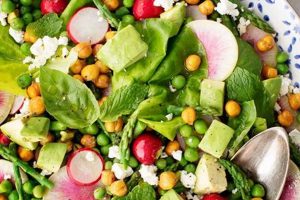
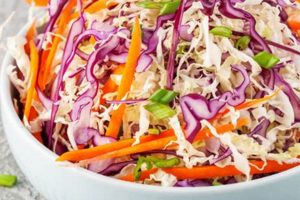
Fresh pea salads are vibrant dishes featuring sweet, tender peas as the star ingredient. These salads often incorporate complementary vegetables, herbs, and a flavorful dressing, creating a refreshing and nutritious meal or side. A classic example might combine shelled English peas, crisp lettuce, crumbled feta cheese, chopped red onion, and a light vinaigrette.
These culinary creations offer a delightful way to enjoy the fresh, bright flavor of peas, particularly during their peak season. Their versatility allows for endless variations, catering to a wide range of palates and dietary preferences. Historically, peas have been a valued food source, and incorporating them into salads provides a contemporary approach to enjoying this nutritional powerhouse. Such dishes offer valuable vitamins, minerals, and fiber, contributing to a healthy and balanced diet.
Further exploration will delve into the nuances of ingredient selection, preparation techniques, and various dressing options to create the perfect pea salad. Diverse recipe variations, ranging from classic to innovative, will be presented to inspire culinary creativity.
Tips for Creating Exceptional Pea Salads
Achieving a truly delightful pea salad involves careful consideration of several key factors, from ingredient selection to preparation techniques. The following tips offer guidance for creating a dish that maximizes flavor, texture, and overall appeal.
Tip 1: Use Fresh, High-Quality Peas: Opt for fresh peas whenever possible, especially during their peak season. Frozen peas can be substituted if fresh are unavailable, but ensure they are thawed and drained thoroughly before use.
Tip 2: Blanch Peas Briefly: Blanching fresh peas for a minute or two in boiling water helps retain their vibrant color and crisp texture. Immediately plunge them into ice water to stop the cooking process.
Tip 3: Balance Flavors and Textures: Consider incorporating a variety of ingredients with complementary flavors and textures. Crisp vegetables, salty cheeses, and crunchy nuts offer excellent counterpoints to the sweetness of peas.
Tip 4: Explore Different Herbs: Fresh herbs add depth and complexity. Mint, parsley, dill, and chives are excellent choices, but experimentation is encouraged.
Tip 5: Dress Lightly: Avoid heavy, creamy dressings that can overpower the delicate flavor of peas. A light vinaigrette, lemon juice, or a simple olive oil and herb dressing are often ideal.
Tip 6: Season Judiciously: Salt and freshly ground black pepper are essential, but allow the natural sweetness of the peas to shine through. Adjust seasoning to taste after the salad is dressed.
Tip 7: Chill Before Serving: Allowing the salad to chill for a short time before serving allows the flavors to meld and enhances the refreshing quality of the dish.
By following these guidelines, one can elevate a simple pea salad into a culinary masterpiece. The combination of fresh, high-quality ingredients, balanced flavors, and careful attention to detail results in a dish that is both nutritious and satisfying.
The following section provides a collection of curated recipes that showcase the versatility and potential of the pea salad, offering inspiration for both novice and experienced cooks.
1. Fresh, High-Quality Peas

Fresh, high-quality peas are fundamental to a successful English pea salad. The inherent sweetness and tender texture of fresh peas contribute significantly to the overall sensory experience. Using inferior peas, such as those past their prime or frozen for extended periods, can result in a bland, starchy, or even mushy texture, compromising the salad’s appeal. The vibrant green color of fresh peas also enhances the visual appeal of the dish, contributing to a more appetizing presentation. For instance, a salad made with fresh, sweet peas picked at their peak will offer a burst of flavor and a vibrant green hue, while a salad made with older or frozen peas may appear dull and taste flat.
Prioritizing fresh peas allows the natural sweetness to shine through, minimizing the need for excessive seasoning or sugary dressings. This aligns with contemporary culinary trends that emphasize the use of fresh, seasonal ingredients and highlight their inherent flavors. Furthermore, fresh peas offer superior nutritional value, providing essential vitamins and minerals. Selecting high-quality peas, whether from a local market or a trusted supplier, ensures optimal flavor, texture, and nutritional benefits. This choice elevates the final dish from a simple salad to a vibrant, flavorful, and nutritious culinary creation. One might consider, for example, the difference between using freshly shelled peas from a farmer’s market compared to using frozen peas purchased months prior; the former offers a superior flavor profile and often a sweeter taste.
In summary, the emphasis on fresh, high-quality peas in English pea salad recipes is paramount for achieving optimal flavor, texture, and visual appeal. This selection directly influences the overall culinary experience, highlighting the importance of ingredient quality in creating exceptional dishes. Overlooking this critical element can compromise the salad’s potential, resulting in a less satisfying and potentially less nutritious outcome. Therefore, prioritizing the sourcing and selection of peas is crucial for anyone seeking to create a truly outstanding English pea salad.
2. Complementary Ingredients

Complementary ingredients are essential for elevating English pea salad recipes beyond simple combinations of peas and dressing. These additions contribute layers of flavor, texture, and visual appeal, transforming the dish into a more complex and satisfying culinary experience. The careful selection of complementary ingredients considers the inherent sweetness and delicate texture of fresh peas, aiming to enhance rather than overpower these characteristics. For example, the sharpness of feta cheese or the saltiness of bacon provides a counterpoint to the peas’ sweetness, while the crunch of toasted nuts or the zest of fresh herbs introduces textural contrast.
Specific examples illustrate the transformative power of complementary ingredients. Consider the addition of fresh mint: its bright, herbaceous notes accentuate the peas’ natural sweetness while adding a refreshing element. Similarly, crumbled feta cheese introduces a salty, tangy dimension that complements the peas’ delicate flavor profile. The inclusion of crispy bacon bits adds a smoky, savory element and a satisfying textural contrast. These examples demonstrate how thoughtfully chosen additions can elevate the sensory experience of an English pea salad.
Understanding the role of complementary ingredients is crucial for achieving balanced and flavorful English pea salads. The interplay of flavors and textures contributes significantly to the dish’s overall appeal. Challenges arise when complementary ingredients clash or overpower the delicate flavor of the peas. Careful consideration of flavor profiles and textural elements is necessary to avoid such pitfalls. Successful English pea salad recipes leverage complementary ingredients to enhance the inherent qualities of fresh peas, resulting in a harmonious and delightful culinary creation.
3. Balanced Flavor Profiles

Balanced flavor profiles are essential for creating successful English pea salad recipes. The inherent sweetness of fresh peas necessitates careful consideration of other ingredients and dressings to achieve a harmonious and nuanced taste experience. A balanced profile avoids extremes, ensuring no single flavor dominates, allowing the subtleties of each component to shine through. This balance elevates the dish beyond a simple combination of ingredients to a more complex and satisfying culinary creation.
- Sweetness and Acidity
The natural sweetness of peas benefits from the balancing effect of acidity. A vinaigrette with lemon juice or vinegar provides a tart counterpoint, preventing the salad from becoming cloyingly sweet. This balance enhances the peas’ flavor while adding brightness to the overall profile. For example, a lemon-mint dressing provides a refreshing acidity that complements the sweetness of the peas, creating a vibrant and well-rounded flavor.
- Salt and Savory Notes
Incorporating salty or savory elements further enhances the flavor profile. Crumbled feta cheese, bacon bits, or a sprinkle of Parmesan contribute saltiness, balancing the sweetness and adding depth. These savory notes create a more complex and satisfying taste experience, preventing the salad from tasting one-dimensional. A salad featuring peas, pancetta, and Pecorino Romano demonstrates the interplay of sweet, salty, and savory flavors.
- Textural Contrast
While not strictly a flavor component, texture plays a crucial role in perceived balance. The tender texture of peas can be enhanced by incorporating crunchy elements like chopped nuts, croutons, or raw vegetables such as diced celery or red onion. These textural contrasts add interest and prevent the salad from feeling monotonous. For example, toasted slivered almonds add a satisfying crunch that complements the smooth texture of the peas and other ingredients.
- Fresh Herbs and Spices
Fresh herbs and spices contribute aromatic complexity and subtle flavor nuances. Mint, dill, chives, or parsley add brightness and freshness, while a pinch of black pepper provides a subtle bite. These additions enhance the overall sensory experience, creating a more layered and sophisticated flavor profile. A salad featuring peas, mint, and a hint of chili flakes demonstrates a balance of sweet, fresh, and subtly spicy notes.
Achieving a balanced flavor profile in English pea salad recipes is crucial for maximizing enjoyment and showcasing the versatility of this simple dish. The interplay of sweet, acidic, salty, and savory elements, combined with textural contrasts and aromatic herbs, creates a harmonious and satisfying culinary experience. By considering these factors, one can elevate the humble pea salad to a sophisticated and flavorful dish that appeals to a wide range of palates. Ultimately, a well-balanced English pea salad offers a refreshing and complex symphony of flavors, demonstrating the power of thoughtful ingredient combinations and culinary expertise.
4. Appropriate Dressings

Appropriate dressings play a crucial role in the overall success of English pea salad recipes. The dressing complements the inherent sweetness and delicate texture of fresh peas, enhancing rather than overpowering their flavor. Selecting a dressing that harmonizes with the other ingredients is essential for creating a balanced and enjoyable culinary experience. An unsuitable dressing can mask the delicate flavors of the peas and other components, resulting in a less satisfying dish.
- Light Vinaigrettes
Light vinaigrettes are a classic choice for English pea salad. Their tartness provides a refreshing counterpoint to the sweetness of the peas, while their light consistency avoids overwhelming the delicate flavors. A simple lemon vinaigrette, for instance, brightens the salad and enhances the natural flavors of the ingredients. A vinaigrette made with high-quality olive oil, a touch of Dijon mustard, and fresh herbs like mint or dill complements the peas without masking their sweetness. Overly acidic or heavy vinaigrettes can overwhelm the delicate flavors of the peas and other components.
- Lemon or Lime Juice
Freshly squeezed lemon or lime juice offers a simple yet effective dressing option. The citrusy notes provide a bright, refreshing acidity that balances the sweetness of the peas. This minimalist approach allows the natural flavors of the ingredients to shine through. A squeeze of lemon or lime juice, combined with a drizzle of extra virgin olive oil, creates a light and flavorful dressing that enhances the peas without overpowering them. However, using too much citrus juice can make the salad overly tart.
- Herb-Based Dressings
Herb-based dressings offer a flavorful and aromatic option. Fresh herbs like mint, dill, parsley, or chives complement the peas’ delicate flavor, adding complexity and freshness. These dressings can be oil-based or yogurt-based, depending on the desired richness and texture. A mint-yogurt dressing, for example, adds a creamy texture and herbaceous note that pairs well with the sweetness of the peas. However, strongly flavored herbs like rosemary or sage may overpower the delicate pea flavor.
- Creamy Dressings (Used Sparingly)
While generally not recommended, creamy dressings can be used sparingly in English pea salad recipes. A small amount of a light, tangy dressing, such as a Greek yogurt-based dressing, can add a creamy texture and subtle tang. However, heavy, rich dressings like mayonnaise-based dressings can easily overpower the delicate flavor of the peas and other ingredients, making them less desirable. A light and tangy buttermilk dressing, used sparingly, can provide a creamy counterpoint to the other textures in the salad without overwhelming the peas’ flavor.
The choice of dressing significantly impacts the overall flavor profile and enjoyment of an English pea salad. Selecting a dressing that complements the peas’ sweetness and the other ingredients is crucial for creating a balanced and harmonious dish. Light vinaigrettes, citrus juices, and herb-based dressings often provide the best results, enhancing the peas’ natural flavors without masking their delicate sweetness. Careful consideration of dressing choices ensures that the English pea salad remains a refreshing and flavorful culinary experience. Ultimately, a well-chosen dressing elevates the simple pea salad, transforming it into a sophisticated and satisfying dish.
5. Proper Preparation Techniques

Proper preparation techniques are essential for maximizing the flavor, texture, and visual appeal of English pea salad recipes. These techniques ensure that the inherent qualities of fresh peas are preserved and enhanced, contributing to a more satisfying culinary experience. Overlooking or neglecting proper preparation can compromise the final dish, resulting in suboptimal flavor, texture, and overall quality.
- Shelling Fresh Peas
Shelling fresh peas is a crucial first step when using peas in their prime. While frozen peas offer convenience, fresh peas possess superior flavor and texture. Proper shelling involves gently removing the peas from their pods, discarding the pods and any damaged peas. This process, while time-consuming, yields the highest quality ingredient for the salad. Failing to shell peas properly can result in tough, fibrous pieces in the final dish, detracting from the overall enjoyment. For example, using fresh peas still in their pods would result in a tough, unpleasant texture.
- Blanching
Blanching fresh peas is a crucial step that preserves their vibrant green color and tender-crisp texture. This process involves briefly submerging the shelled peas in boiling water, followed by immediate immersion in ice water to stop the cooking process. Blanching enhances the peas’ natural sweetness and ensures they retain their optimal texture in the salad. Neglecting this step can lead to dull-colored peas with a mushy texture. For instance, adding fresh peas directly to the salad without blanching can result in a less vibrant and potentially less palatable dish.
- Handling Other Ingredients
Proper preparation extends beyond the peas themselves to other salad components. Vegetables should be washed and chopped uniformly for consistent texture and visual appeal. Other ingredients, such as bacon or nuts, should be cooked or toasted appropriately to enhance their flavor and texture. These steps ensure that all ingredients contribute positively to the final dish. For example, using limp lettuce or undercooked bacon can detract from the overall quality of the salad.
- Timing and Chilling
Proper timing is crucial for maintaining the freshness and quality of the salad. The salad should be assembled shortly before serving to prevent the ingredients from becoming soggy or wilted. Chilling the salad for a short period before serving allows the flavors to meld and enhances the refreshing quality of the dish. However, excessive chilling can dull the flavors and textures. For example, dressing the salad hours in advance can lead to a less appealing and less flavorful final product.
Careful attention to these preparation techniques significantly impacts the final quality of English pea salad recipes. Properly shelled and blanched peas, combined with appropriately prepared complementary ingredients, result in a vibrant, flavorful, and texturally appealing salad. Overlooking these techniques can compromise the dish’s potential, leading to a less satisfying culinary experience. Therefore, mastering these fundamental preparation techniques is essential for anyone seeking to create exceptional English pea salads.
6. Creative Variations

Creative variations within English pea salad recipes offer a departure from traditional preparations, introducing innovative flavor combinations, textures, and presentations. This exploration of creativity allows for personalized expressions of the dish, catering to diverse palates and culinary preferences. Examining these variations reveals the versatility of the English pea salad, demonstrating its adaptability to a wide range of culinary approaches.
- Global Influences
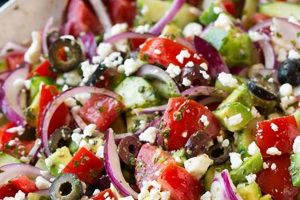
Integrating global culinary influences expands the possibilities of English pea salad. Incorporating Mediterranean flavors, such as feta cheese, olives, and oregano, transforms the salad into a vibrant, savory dish. Alternatively, incorporating Asian-inspired elements like sesame oil, ginger, and edamame creates a unique flavor profile. These global infusions demonstrate the adaptability of the English pea salad, allowing for diverse and exciting culinary fusions.
- Seasonal Adaptations
Adapting English pea salad recipes to reflect seasonal ingredients enhances both flavor and freshness. Spring variations might incorporate asparagus and fresh mint, while summer versions could feature grilled corn and cherry tomatoes. Autumnal adaptations might include roasted butternut squash and toasted pecans. These seasonal variations celebrate the availability of fresh produce, resulting in salads that capture the essence of each season.
- Protein Enhancements
Introducing protein elements elevates the English pea salad from a side dish to a more substantial meal. Adding grilled chicken, shrimp, or flaked salmon provides a satisfying protein boost, complementing the sweetness of the peas. Vegetarian options include chickpeas, lentils, or tofu, offering diverse protein sources while maintaining a balanced flavor profile.
- Presentation and Plating
Creative presentation enhances the visual appeal and overall dining experience. Serving the salad in individual portions, such as in small glasses or on endive leaves, adds an element of elegance. Garnishing with edible flowers, microgreens, or a sprinkle of toasted nuts elevates the presentation further. These visual enhancements transform the simple pea salad into a more refined and visually appealing culinary creation.
These creative variations highlight the adaptability and potential of the English pea salad. By incorporating global influences, seasonal ingredients, protein enhancements, and thoughtful presentation techniques, this classic dish transforms into a versatile culinary canvas. Such variations not only cater to a broader range of palates but also demonstrate the enduring appeal of the English pea salad as a platform for culinary innovation and personalized expression.
Frequently Asked Questions
This section addresses common inquiries regarding English pea salad recipes, offering clarity and guidance for optimal preparation and enjoyment.
Question 1: Can frozen peas be used in English pea salad?
While fresh peas are preferred for their superior flavor and texture, frozen peas can be substituted if necessary. Ensure they are fully thawed and drained before incorporating them into the salad to prevent excess moisture and a diluted flavor profile.
Question 2: How can one prevent English pea salad from becoming watery?
Excess moisture can be avoided by thoroughly draining any canned or frozen ingredients, such as peas or corn. Additionally, dressing the salad shortly before serving helps prevent the vegetables from releasing excess water. Using a light dressing also helps avoid a watery consistency.
Question 3: What are suitable alternatives to feta cheese in English pea salad?
Alternatives to feta cheese include goat cheese, ricotta salata, or crumbled Parmesan. These options offer distinct flavor profiles that complement the sweetness of peas while maintaining a balanced taste. Consider a vegan alternative like nutritional yeast for dairy-free variations.
Question 4: How long can English pea salad be stored in the refrigerator?
English pea salad is best consumed within 24 hours of preparation for optimal flavor and texture. Storing the salad in an airtight container helps maintain its freshness and prevents it from absorbing odors from other refrigerated items.
Question 5: Can English pea salad be served warm?
While traditionally served chilled, variations of English pea salad can be served warm. Warm salads might incorporate roasted vegetables or grains, offering a different textural and flavor experience. The dressing should be adjusted accordingly to complement the warm ingredients.
Question 6: How can one adapt English pea salad recipes for different dietary restrictions?
Adapting the salad for dietary restrictions involves substituting ingredients thoughtfully. For gluten-free versions, ensure all ingredients, including dressings and croutons, are gluten-free. Vegan variations can utilize plant-based cheeses and dressings. Adjustments can be made to accommodate other dietary needs while maintaining a balanced and flavorful salad.
Understanding these frequently asked questions empowers individuals to create and enjoy English pea salad recipes with confidence, adapting them to personal preferences and dietary considerations.
The following section will offer a curated selection of English pea salad recipes, showcasing diverse flavor combinations and culinary techniques.
English Pea Salad Recipes
Exploration of English pea salad recipes reveals a dish adaptable to diverse culinary approaches. Emphasis on fresh, high-quality peas, balanced flavor profiles, and appropriate dressings underscores the potential for creating exceptional culinary experiences. Proper preparation techniques, including blanching and thoughtful ingredient handling, maximize flavor and texture. Creative variations, incorporating global influences and seasonal adaptations, further expand the possibilities of this versatile dish. Consideration of complementary ingredients, such as cheeses, herbs, and crunchy elements, elevates the salad beyond simple combinations. Addressing frequently asked questions provides practical guidance for successful preparation and enjoyment.
English pea salad recipes offer a canvas for culinary creativity and personal expression. From classic preparations to innovative variations, the potential for crafting delightful and satisfying salads remains vast. Continued exploration of flavor combinations, textures, and presentations promises further evolution of this adaptable dish, solidifying its place as a culinary staple.