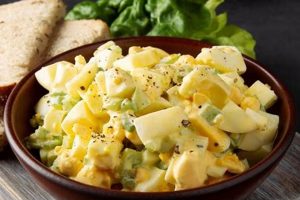
A low-carbohydrate adaptation of a classic dish, this variation typically replaces traditional high-carb ingredients like mayonnaise with healthier alternatives such as avocado oil mayonnaise, Greek yogurt, or a combination of both. Often, additions like celery, red onion, or chives provide flavor and texture while remaining within ketogenic dietary guidelines. An example might include hard-boiled eggs, avocado oil mayonnaise, chopped celery, Dijon mustard, salt, and pepper.
This approach allows individuals following a ketogenic diet to enjoy a satisfying and flavorful meal while maintaining ketosis. By minimizing net carbohydrates, the body is encouraged to utilize fat for fuel. This style of eating has gained popularity for its potential benefits in weight management and blood sugar control. While traditional egg salad can be carbohydrate-rich due to added sugars in commercial mayonnaise and other ingredients, keto-friendly versions offer a nutritious and palatable alternative.
The following sections will delve into specific ingredient choices, detailed preparation methods, nutritional information, and variations to suit individual preferences. Further exploration will include tips for storage and serving suggestions to enhance the culinary experience.
Tips for Keto Egg Salad
Achieving optimal flavor and texture in a keto-friendly egg salad requires attention to detail. These tips offer guidance for creating a delicious and satisfying dish while adhering to ketogenic principles.
Tip 1: Perfect Hard-Boiled Eggs: Overcooked yolks can result in a dry, crumbly texture. For perfectly cooked yolks, place eggs in a saucepan, cover with cold water, and bring to a rolling boil. Remove from heat, cover, and let sit for 9-12 minutes depending on desired doneness. Immediately transfer to an ice bath to stop cooking and facilitate peeling.
Tip 2: Mayonnaise Selection: Commercial mayonnaise often contains added sugars. Opt for avocado oil mayonnaise, full-fat Greek yogurt, or a combination for a creamy, low-carb base.
Tip 3: Enhance Flavor: Dijon mustard, finely chopped red onion, chives, or dill can add depth and complexity without increasing carbohydrate content significantly.
Tip 4: Avocado Inclusion: Mashed avocado provides healthy fats and a creamy texture, replacing some of the mayonnaise while adding flavor and nutrients.
Tip 5: Texture Variation: Finely chop or mash eggs to the desired consistency. Some prefer a smoother texture while others enjoy a chunkier salad.
Tip 6: Seasoning: Salt and pepper are essential, but consider adding spices like paprika, cayenne pepper, or garlic powder for enhanced flavor profiles.
Tip 7: Proper Storage: Store in an airtight container in the refrigerator for up to 3 days. This maintains freshness and prevents bacterial growth.
By following these tips, one can create a delicious and satisfying keto egg salad. Careful selection of ingredients and attention to detail will yield a dish rich in flavor and texture while adhering to the principles of a ketogenic diet.
In conclusion, creating a successful keto egg salad involves thoughtful preparation and ingredient selection. The following section will provide a complete recipe incorporating these guidelines for practical application.
1. Low-carb Ingredients
Low-carbohydrate ingredients form the foundation of a keto-friendly egg salad, distinguishing it from traditional recipes. Ingredient selection directly impacts the dish’s adherence to ketogenic dietary principles. Careful consideration of carbohydrate content is crucial for maintaining ketosis and achieving desired health outcomes.
- Mayonnaise Alternatives:
Traditional mayonnaise often contains added sugars, making it unsuitable for a ketogenic diet. Avocado oil mayonnaise and full-fat Greek yogurt offer viable low-carb alternatives, providing the desired creamy texture without the excess carbohydrates. These options contribute healthy fats while maintaining flavor and consistency.
- Fresh Vegetables:
Certain vegetables, while nutritious, contain higher levels of carbohydrates than others. For a keto egg salad, options like celery, chives, red onion, and spinach offer flavor and texture while remaining relatively low in net carbohydrates. These additions contribute valuable micronutrients and fiber while maintaining keto compliance.
- Flavor Enhancers:
Spices and seasonings add depth and complexity without contributing significant carbohydrates. Dijon mustard, black pepper, paprika, and garlic powder enhance the overall flavor profile while aligning with ketogenic guidelines. These additions ensure a palatable and satisfying dish without compromising dietary adherence.
- Optional Additions:
Ingredients like chopped hard-boiled eggs, bacon crumbles, or avocado provide additional healthy fats, protein, and flavor while remaining relatively low in carbohydrates. These additions can enhance satiety and create a more nutrient-dense meal, further supporting the goals of a ketogenic diet.
By focusing on these low-carbohydrate components, an egg salad recipe seamlessly integrates into a ketogenic meal plan. The selection of these ingredients ensures the dish remains compliant with dietary restrictions while providing a nutritious and flavorful experience. This approach highlights the crucial role of ingredient selection in successful ketogenic cooking.
2. Healthy fat sources

Within a ketogenic diet, prioritizing healthy fat sources is paramount. This focus ensures adequate energy intake while maintaining the metabolic state of ketosis. In the context of a keto-friendly egg salad, incorporating these fats contributes to satiety, flavor, and overall nutritional value. Understanding the role and benefits of specific healthy fats is essential for constructing a well-balanced and satisfying meal.
- Eggs:
Eggs themselves provide a substantial source of dietary fat, predominantly in the yolks. These fats include monounsaturated and polyunsaturated fatty acids, both considered beneficial for cardiovascular health. Within a keto egg salad, the eggs contribute not only essential fats but also protein, further enhancing the nutritional profile of the dish.
- Avocado Oil Mayonnaise:
Unlike traditional mayonnaise, which often relies on soybean or canola oil, avocado oil mayonnaise utilizes a healthier fat source. Avocado oil is rich in monounsaturated fats, particularly oleic acid, known for its potential heart-health benefits. Opting for avocado oil mayonnaise ensures the egg salad aligns with the healthy fat principles of a ketogenic diet.
- Avocados:
Incorporating mashed avocado into a keto egg salad introduces another layer of healthy fats and creamy texture. Avocados are packed with monounsaturated fats, fiber, and various micronutrients. Their inclusion not only boosts the fat content but also enhances the overall nutritional value and flavor profile of the dish.
- Other Oils (e.g., Olive Oil, MCT Oil):
While less common, small amounts of other healthy oils like extra virgin olive oil or MCT oil can be incorporated into a keto egg salad. Olive oil offers a distinct flavor profile and provides monounsaturated fats. MCT oil, derived from coconut oil, is rapidly metabolized into ketones, potentially supporting deeper ketosis. These additions, used sparingly, offer further customization and potential benefits within a ketogenic context.
The strategic inclusion of these healthy fat sources elevates the keto egg salad from a simple dish to a nutritionally robust meal. These fats provide essential fuel for the body while adhering to the principles of a ketogenic diet. Their presence ensures satiety and contributes to the overall palatability of the dish, making it a sustainable and enjoyable component of a ketogenic lifestyle.
3. Flavor Enhancement
Within the context of a ketogenic diet, flavor enhancement plays a crucial role in maintaining palatability and adherence. Restricting certain food groups can sometimes lead to perceived flavor limitations. Therefore, enhancing the flavor profile of permitted foods, such as egg salad, becomes essential for long-term dietary success. Strategic flavor development ensures satisfaction and prevents cravings for non-compliant foods.
- Fresh Herbs:
Fresh herbs offer a significant flavor boost without adding carbohydrates. Chives, dill, parsley, and tarragon provide distinct aromatic notes that complement the richness of the eggs and mayonnaise. Incorporating fresh herbs elevates the egg salad beyond a simple dish, adding complexity and freshness.
- Spices:
Spices contribute depth and complexity to the flavor profile. Paprika, cayenne pepper, garlic powder, and onion powder introduce nuanced flavors without compromising the ketogenic guidelines. A careful balance of spices can create a customized flavor experience, catering to individual preferences.
- Acidic Elements:
A touch of acidity brightens the flavor of the egg salad. A small amount of lemon juice or apple cider vinegar cuts through the richness of the eggs and mayonnaise, creating a more balanced and refreshing flavor profile. This acidic element prevents the dish from feeling too heavy or monotonous.
- Aromatic Vegetables:
Finely chopped red onion or shallots add a pungent and slightly sweet note to the egg salad. These aromatic vegetables provide not only flavor but also textural contrast, enhancing the overall sensory experience. Their inclusion adds another dimension to the dish, preventing it from being bland or one-dimensional.
By thoughtfully incorporating these flavor-enhancing elements, a keto egg salad becomes a more satisfying and enjoyable meal. This focus on flavor contributes significantly to the long-term sustainability of a ketogenic diet. Elevating the taste experience within dietary constraints promotes adherence and reduces the likelihood of cravings for non-compliant foods, supporting overall dietary success.
4. Texture Optimization

Texture optimization plays a significant role in the overall enjoyment of a keto egg salad. Manipulating the texture of the various components contributes to a more satisfying sensory experience. Achieving the desired texture requires attention to preparation techniques and ingredient choices. This focus elevates the dish beyond basic sustenance, transforming it into a more pleasurable culinary experience.
- Egg Yolk Consistency:
The consistency of the egg yolks significantly influences the final texture of the salad. Overcooked yolks result in a dry, crumbly texture, while perfectly cooked yolks offer a creamy, rich base. The cooking time and immediate cooling in an ice bath are critical for achieving optimal yolk consistency. This attention to detail ensures a smooth, velvety texture that enhances the overall palatability of the egg salad.
- Chopping Method:
The method used to chop the eggs, whether finely minced, roughly chopped, or mashed, dictates the final texture of the salad. A finer chop creates a smoother, more uniform texture, while a coarser chop introduces textural variation and bite. The chosen method should align with individual preferences and desired outcome, contributing to a more personalized and enjoyable culinary experience.
- Ingredient Incorporation:
The way additional ingredients are incorporated affects the overall texture. Folding in ingredients gently preserves distinct textures, while more vigorous mixing creates a more homogenous blend. For example, adding chopped celery or red onion offers a contrasting crunch, while mashed avocado contributes creaminess. These additions provide textural complexity, enhancing the sensory experience of the dish.
- Binding Agent Ratio:
The ratio of binding agents, such as mayonnaise or Greek yogurt, influences the final texture. Too much binding agent can result in a loose, watery salad, while too little can create a dry, crumbly mixture. Finding the optimal balance ensures a cohesive and palatable texture, enhancing the overall enjoyment of the dish. This balance also contributes to the structural integrity of the salad, allowing it to hold its shape and be easily served.
By carefully considering these textural elements, a keto egg salad transcends mere sustenance, becoming a more refined and enjoyable culinary creation. The interplay of textures within the salad contributes significantly to its overall appeal. This attention to detail demonstrates a commitment to culinary excellence, even within the constraints of a specific dietary regimen. Optimizing texture elevates the egg salad from a simple dish to a more complex and satisfying meal, enhancing the ketogenic dining experience.
5. Portion control
Portion control plays a crucial role in managing calorie intake and macronutrient balance within a ketogenic diet. Even with keto-friendly recipes like egg salad, excessive consumption can hinder progress toward weight management or other health goals. Understanding portion sizes and their impact on overall dietary intake is essential for successful implementation of a ketogenic lifestyle. The following facets explore the relationship between portion control and a keto egg salad.
- Calorie Management:
While a ketogenic diet prioritizes fat consumption, overall calorie intake remains relevant for weight management. Even keto-compliant ingredients, including those in egg salad, contribute calories. Consuming larger portions than necessary can lead to a caloric surplus, potentially impeding weight loss. Careful portioning ensures calorie intake aligns with individual goals.
- Macronutrient Balance:
Maintaining the correct macronutrient ratios is crucial for sustaining ketosis. Overconsumption of egg salad, even if made with keto-friendly ingredients, can disrupt the desired balance of fats, proteins, and carbohydrates. Portion control helps maintain the appropriate macronutrient ratios, supporting optimal ketone production and metabolic function.
- Satiety and Satisfaction:
Appropriate portion sizes contribute to satiety and prevent overeating. Mindful consumption of a pre-determined portion of egg salad can provide satisfaction without leading to excessive calorie intake. Pairing the egg salad with other keto-friendly foods, such as leafy greens or non-starchy vegetables, can further enhance satiety and contribute to a more balanced meal.
- Meal Planning and Preparation:
Pre-portioning egg salad into individual servings facilitates meal planning and preparation. This practice helps individuals adhere to their dietary goals by controlling portion sizes in advance. Having pre-portioned meals readily available reduces the likelihood of impulsive overeating and supports consistent dietary adherence.
Effective portion control, therefore, becomes an integral component of successfully incorporating a keto egg salad into a ketogenic dietary plan. By managing portion sizes, individuals maintain better control over calorie intake, macronutrient ratios, and overall dietary adherence. This practice contributes significantly to achieving desired health outcomes within the framework of a ketogenic lifestyle.
6. Nutritional Balance
Nutritional balance within a ketogenic diet requires careful consideration of macronutrient ratios and micronutrient intake. While a keto egg salad can be a good source of healthy fats and protein, it may lack certain vitamins and minerals. Therefore, understanding how to achieve nutritional balance when incorporating this dish into a ketogenic meal plan is essential for overall health and well-being. This involves supplementing the egg salad with nutrient-rich foods and considering the broader dietary context.
- Micronutrient Density:
While eggs provide certain micronutrients, like choline and vitamin B12, a keto egg salad may be deficient in others. Pairing the egg salad with nutrient-dense foods addresses this potential deficiency. Leafy greens, such as spinach or kale, offer vitamins A, C, and K. Cruciferous vegetables, like broccoli or cauliflower, provide additional fiber and micronutrients. Incorporating these alongside the egg salad creates a more nutritionally complete meal.
- Electrolyte Balance:
A ketogenic diet can sometimes lead to electrolyte imbalances due to fluid shifts. Incorporating foods rich in electrolytes can mitigate this. Avocado, a common addition to keto egg salad, provides potassium. Including foods like pickles or olives alongside the meal further boosts sodium and other electrolyte intake. Maintaining electrolyte balance is crucial for optimal physiological function within a ketogenic context.
- Fiber Intake:
Ketogenic diets can be lower in fiber due to the restriction of certain carbohydrate-rich foods. Supplementing a keto egg salad with high-fiber options addresses this. Adding chopped celery, chia seeds, or flaxseeds to the egg salad increases fiber content. Adequate fiber intake supports digestive health and regularity, contributing to overall well-being within a ketogenic lifestyle.
- Complete Meal Composition:
Considering the egg salad within the context of a complete meal ensures nutritional balance. Instead of consuming the egg salad in isolation, pairing it with complementary foods enhances nutritional value. Serving the egg salad over a bed of mixed greens or alongside roasted non-starchy vegetables creates a more balanced and satisfying meal. This approach provides a wider range of nutrients and supports overall dietary adequacy within a ketogenic framework.
Therefore, achieving nutritional balance with a keto egg salad requires a holistic approach, considering not only the ingredients within the salad itself but also the accompanying foods within the meal. This mindful approach to meal composition ensures adequate intake of essential micronutrients, electrolytes, and fiber, supporting overall health and well-being while adhering to the principles of a ketogenic diet. By understanding and addressing these nutritional considerations, individuals can optimize the benefits of a keto egg salad within a balanced and sustainable ketogenic lifestyle.
Frequently Asked Questions
This section addresses common inquiries regarding the preparation and consumption of keto-friendly egg salad.
Question 1: Can traditional mayonnaise be used in a keto egg salad?
Traditional mayonnaise often contains added sugars, making it unsuitable for a strict ketogenic diet. Avocado oil mayonnaise or full-fat Greek yogurt are recommended alternatives.
Question 2: How long can keto egg salad be stored in the refrigerator?
Properly stored in an airtight container, keto egg salad can be refrigerated for up to three days. Beyond this timeframe, consumption is discouraged due to potential bacterial growth.
Question 3: What can be added to keto egg salad for enhanced flavor?
Fresh herbs, spices, and acidic elements enhance the flavor profile. Options include chives, dill, paprika, cayenne pepper, lemon juice, and apple cider vinegar. Finely chopped red onion or shallots offer additional flavor and texture.
Question 4: Are there alternatives to avocado oil mayonnaise for those with allergies or aversions?
Full-fat Greek yogurt provides a suitable alternative to avocado oil mayonnaise, offering a creamy texture while remaining low in carbohydrates. Mashed avocado can also contribute creaminess and healthy fats.
Question 5: How can one ensure nutritional balance when consuming keto egg salad regularly?
Pairing keto egg salad with nutrient-dense foods like leafy greens, cruciferous vegetables, or avocado enhances nutritional value. Consideration should also be given to electrolyte intake and adequate fiber consumption.
Question 6: Can keto egg salad be frozen?
Freezing is not recommended, as it negatively impacts the texture and consistency of the egg salad upon thawing. The mayonnaise or yogurt base tends to separate, resulting in a less desirable texture.
Careful consideration of these frequently asked questions ensures successful preparation and integration of keto egg salad into a ketogenic dietary plan. Understanding ingredient selection, storage guidelines, and nutritional balance optimizes the benefits of this dish within a ketogenic lifestyle.
The following section will offer a comprehensive recipe for preparing a delicious and satisfying keto egg salad.
Conclusion
Exploration of keto-friendly egg salad recipes reveals the potential for adapting classic dishes to align with dietary restrictions without sacrificing flavor or satisfaction. Careful ingredient selection, focusing on low-carbohydrate alternatives and healthy fat sources, forms the foundation of a successful keto adaptation. Emphasis on texture optimization and flavor enhancement ensures palatability and long-term dietary adherence. Furthermore, portion control and a holistic approach to nutritional balance remain crucial for maximizing the benefits of this dish within a ketogenic lifestyle.
The adaptability of egg salad highlights the broader potential for creative culinary exploration within dietary constraints. Continued exploration of keto-compliant recipes empowers individuals to maintain dietary adherence while enjoying a diverse and satisfying culinary experience. Ultimately, thoughtful recipe adaptation promotes sustainable and enjoyable healthy eating patterns.