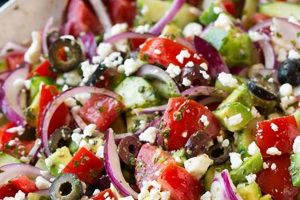
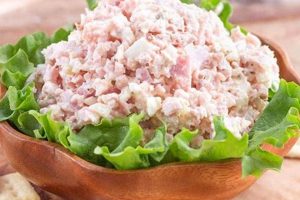
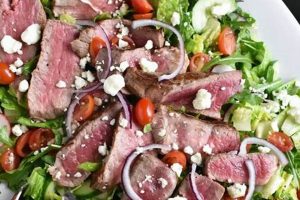
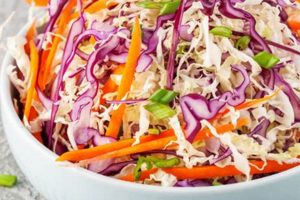
Fresh, seasonal produce defines springtime cuisine. Light, vibrant salads featuring these ingredients offer a welcome change after heavier winter meals. These dishes often incorporate tender greens like spinach and arugula, early spring vegetables such as asparagus and peas, and bright, flavorful herbs like mint and dill. A simple vinaigrette or lemon juice frequently serves as the dressing, allowing the natural flavors of the ingredients to shine.
Such dishes represent more than just a culinary trend. They offer significant nutritional benefits, providing essential vitamins and minerals. Historically, the consumption of fresh spring greens marked a vital shift in diet after winter’s scarcity, offering a boost of nutrients and contributing to overall health and well-being. This emphasis on seasonal eating remains relevant today, promoting a connection to local agriculture and reducing the environmental impact of food production.
The following sections will explore specific examples of these dishes, offering practical guidance and variations to inspire culinary creativity. Detailed ingredient lists, step-by-step instructions, and helpful tips will ensure success in the kitchen and facilitate the enjoyment of delicious, healthful spring meals.
Tips for Creating Spring Salads
Creating vibrant and flavorful spring salads involves more than simply tossing ingredients together. Consideration of flavor profiles, textures, and presentation elevates these dishes from simple sides to culinary centerpieces.
Tip 1: Embrace Seasonal Ingredients: Selecting produce at its peak ripeness ensures optimal flavor and nutritional value. Farmers’ markets offer excellent sources of fresh, locally grown spring vegetables and herbs.
Tip 2: Balance Flavors and Textures: Combine sweet, savory, bitter, and acidic elements for a complex flavor profile. Pair soft greens with crunchy vegetables and nuts for textural contrast.
Tip 3: Dress Lightly: Delicate spring greens require light dressings. Simple vinaigrettes or a squeeze of lemon juice allow the natural flavors of the produce to shine. Avoid heavy, creamy dressings.
Tip 4: Consider Color: Vibrant colors enhance visual appeal and signal a variety of nutrients. Incorporate a rainbow of vegetables for a visually stunning and nutritious salad.
Tip 5: Don’t Overcrowd the Bowl: Give the ingredients room to breathe. An overcrowded salad can become soggy and difficult to toss.
Tip 6: Add Protein for a Complete Meal: Grilled chicken, fish, or chickpeas transform a side salad into a satisfying main course.
Tip 7: Prepare Ingredients in Advance: Wash and chop vegetables ahead of time for quick and easy assembly.
By following these guidelines, one can consistently create delicious and visually appealing salads that showcase the best of spring’s bounty.
The following section will offer specific recipe examples, demonstrating these principles in practice and providing inspiration for creating personalized variations.
1. Fresh, Seasonal Produce

Fresh, seasonal produce forms the foundation of easy spring salad recipes. Utilizing ingredients at their peak ripeness ensures optimal flavor, nutritional value, and contributes to the overall simplicity of preparation. This emphasis on seasonality connects these dishes to the natural rhythms of the agricultural year.
- Availability and Affordability
Springtime brings an abundance of fresh produce to markets. Asparagus, peas, spinach, and strawberries, readily available during this season, offer cost-effective options for creating flavorful salads. This seasonal abundance simplifies ingredient sourcing and reduces reliance on out-of-season or imported produce.
- Flavor and Nutritional Value
Produce harvested at its peak ripeness offers superior flavor and nutritional content. Spring vegetables and fruits, bursting with vitamins and minerals, contribute to the healthfulness of these dishes. The vibrant flavors of fresh ingredients require minimal enhancements, simplifying recipe development and preparation.
- Recipe Adaptability and Variety
The diversity of spring produce allows for endless recipe variations. Substituting ingredients based on availability or personal preference encourages culinary creativity without sacrificing simplicity. This flexibility ensures recipes remain accessible and adaptable to individual needs and preferences.
- Environmental Impact
Choosing locally sourced, seasonal produce minimizes transportation distances and reduces the environmental footprint of food production. This aligns with sustainable practices and supports local agricultural communities, further enhancing the value of easy spring salad recipes.
The connection between fresh, seasonal produce and easy spring salad recipes underscores the importance of aligning culinary practices with the natural world. By embracing seasonality, these dishes maximize flavor, nutrition, and sustainability, contributing to a more enjoyable and responsible approach to cooking.
2. Simple Vinaigrettes

Simple vinaigrettes represent a cornerstone of easy spring salad recipes. Their straightforward preparation, versatility, and ability to enhance fresh, seasonal flavors make them an ideal complement to delicate spring greens and vegetables. A well-crafted vinaigrette elevates a salad without overpowering the natural flavors of its components.
- Ease of Preparation
Vinaigrettes require minimal ingredients and effort to prepare. A basic vinaigrette consists of oil, vinegar, and seasonings, easily whisked together in minutes. This simplicity aligns perfectly with the quick and easy nature of spring salad recipes, allowing for efficient meal preparation without sacrificing flavor.
- Flavor Enhancement
The acidity of a vinaigrette brightens the flavors of spring vegetables and herbs. A simple lemon vinaigrette, for example, complements the sweetness of fresh peas and the slight bitterness of arugula. The balance of acidity and oil provides a harmonious backdrop for the delicate flavors of spring produce.
- Versatility and Adaptability
Vinaigrettes offer endless possibilities for customization. Different types of vinegar, such as balsamic, red wine, or apple cider, contribute unique flavor profiles. The addition of herbs, spices, or a touch of sweetness further expands the range of options, allowing for tailored flavor combinations to complement specific salad ingredients.
- Health Benefits
Compared to heavier, creamy dressings, vinaigrettes offer a lighter and healthier option. Olive oil, a common base for vinaigrettes, provides heart-healthy fats. The use of fresh herbs and minimal added sugars further contributes to the nutritional value of the salad, aligning with the emphasis on fresh, wholesome ingredients in spring cuisine.
The synergy between simple vinaigrettes and easy spring salad recipes lies in their shared emphasis on freshness, simplicity, and flavor. The ease of preparation, versatility, and health benefits of vinaigrettes contribute significantly to the appeal and overall success of these dishes, making them a staple of springtime meals.
3. Light, Bright Flavors
Light, bright flavors are integral to easy spring salad recipes. They represent a departure from heavier winter fare, embracing the fresh, vibrant tastes of seasonal produce. This emphasis on lightness and brightness contributes significantly to the appeal and overall culinary experience of these dishes.
- Fresh Herbs and Citrus
Fresh herbs, such as mint, dill, and chives, provide a bright, aromatic dimension to spring salads. Citrus fruits, including lemons, limes, and oranges, offer a refreshing acidity that balances the flavors of other ingredients. The combination of herbs and citrus creates a vibrant flavor profile characteristic of spring cuisine. For example, a salad featuring fresh mint, feta cheese, and a lemon vinaigrette exemplifies this principle.
- Seasonal Vegetables
Spring vegetables, like asparagus, peas, and radishes, possess a natural sweetness and delicate flavor that aligns perfectly with the concept of light, bright flavors. These vegetables require minimal cooking, preserving their inherent freshness and nutritional value. A salad showcasing shaved asparagus, fresh peas, and a light lemon dressing demonstrates the simplicity and vibrancy of these seasonal ingredients.
- Minimalist Dressings
Heavy, creamy dressings can mask the delicate flavors of spring produce. Light vinaigrettes, often based on olive oil and lemon juice or vinegar, allow the natural flavors of the ingredients to shine through. These minimalist dressings enhance, rather than overpower, the inherent brightness of the salad components.
- Emphasis on Freshness
The focus on fresh, seasonal ingredients minimizes the need for complex flavor enhancements. This emphasis on freshness allows the natural flavors of the produce to take center stage, resulting in a light, bright, and satisfying culinary experience. The inherent flavors of fresh ingredients contribute significantly to the overall appeal of easy spring salad recipes.
The interplay of fresh herbs, seasonal vegetables, minimalist dressings, and an overarching emphasis on freshness defines the light, bright flavors characteristic of easy spring salad recipes. This approach to flavor development aligns perfectly with the season’s bounty, creating dishes that are both refreshing and flavorful, embodying the essence of springtime cuisine.
4. Quick Preparation
Quick preparation is a defining characteristic of easy spring salad recipes. The ability to assemble a nutritious and flavorful meal in minimal time contributes significantly to their appeal, particularly for individuals with busy schedules. This speed relies on several factors, including the use of readily available ingredients, simple cooking methods, and efficient assembly techniques. For instance, a salad featuring pre-washed spinach, cherry tomatoes, cucumber, and a quick lemon vinaigrette requires minimal chopping and no cooking, resulting in a meal ready in minutes. The inherent simplicity of these recipes makes them ideal for weeknight dinners, quick lunches, or light meals.
The emphasis on quick preparation extends beyond mere convenience. It also preserves the freshness and nutritional value of the ingredients. Minimal cooking or processing ensures that vitamins and minerals remain intact, maximizing the health benefits of the salad. Furthermore, quick preparation allows for spontaneous meal creation, capitalizing on the availability of fresh, seasonal produce. A readily stocked pantry and refrigerator, combined with a repertoire of easy spring salad recipes, empowers individuals to create healthy and satisfying meals with minimal planning or effort. This adaptability proves particularly valuable in accommodating unexpected guests or changing meal schedules.
In conclusion, the connection between quick preparation and easy spring salad recipes is fundamental. This attribute enhances their practicality, nutritional value, and adaptability. By understanding the elements that contribute to quick preparationingredient selection, simplified cooking techniques, and efficient assemblyindividuals can maximize the benefits of these recipes, incorporating them seamlessly into a healthy and convenient lifestyle. This emphasis on speed and simplicity does not compromise flavor or nutritional content, making easy spring salad recipes a valuable asset for any home cook.
5. Minimal Cooking Required

Minimal cooking is a defining feature of easy spring salad recipes, directly contributing to their convenience and appeal. This characteristic aligns with the inherent freshness of springtime produce, allowing natural flavors and nutritional value to shine. Reduced cooking time also simplifies meal preparation, making these salads ideal for quick meals and busy schedules. The following facets explore the various aspects of this connection.
- Preservation of Nutritional Value
Minimizing cooking preserves the heat-sensitive vitamins and minerals found in fresh produce. Salads featuring raw or lightly blanched vegetables retain higher nutrient levels compared to dishes requiring extensive cooking. This nutritional benefit reinforces the health-conscious aspect of easy spring salad recipes, maximizing the dietary advantages of consuming fresh, seasonal ingredients.
- Emphasis on Freshness and Flavor
Minimal cooking allows the natural flavors and textures of spring produce to take center stage. Raw vegetables retain their crispness and vibrant flavors, creating a refreshing culinary experience. Lightly cooked or blanched vegetables maintain a tender-crisp texture, offering a subtle contrast to raw components. This emphasis on freshness and flavor aligns perfectly with the essence of spring cuisine.
- Simplified Preparation and Time Efficiency
Reduced cooking time translates directly to simplified meal preparation. Recipes requiring minimal or no cooking streamline the process, making them ideal for quick weeknight meals or impromptu lunches. This efficiency allows more time for other activities, enhancing the practicality of easy spring salad recipes for busy individuals.
- Versatility and Adaptability
The minimal cooking requirement expands recipe versatility. Ingredients can be easily substituted based on availability and preference without requiring adjustments to cooking times or methods. This adaptability simplifies meal planning and allows for creative variations based on seasonal produce and individual tastes.
The minimal cooking requirement inherent in easy spring salad recipes underscores their convenience, nutritional value, and adaptability. This characteristic, combined with the emphasis on fresh, seasonal ingredients, positions these salads as a healthy and efficient meal option, ideal for embracing the flavors of spring.
6. Versatile Ingredients

Ingredient versatility is a hallmark of easy spring salad recipes. This adaptability simplifies meal preparation, reduces food waste, and encourages culinary creativity. The ability to substitute ingredients based on availability, preference, or dietary needs enhances the practicality and appeal of these dishes. This section explores the various facets of ingredient versatility within the context of easy spring salad recipes.
- Substitutions Based on Availability
Seasonal produce availability can fluctuate. Versatile recipes accommodate these variations by allowing substitutions. For example, if asparagus is unavailable, green beans or snap peas can serve as suitable alternatives. This flexibility ensures that a desired flavor profile can be achieved regardless of specific ingredient availability, simplifying meal planning and reducing reliance on strict recipes.
- Dietary Adaptations and Preferences
Ingredient versatility allows for easy adaptation to various dietary needs and preferences. Vegetarian or vegan diets can be accommodated by substituting or omitting animal-based proteins. Gluten-free versions can be created by selecting appropriate grains or omitting croutons. This adaptability expands the accessibility of easy spring salad recipes, ensuring they can be enjoyed by a wider range of individuals.
- Creative Flavor Combinations
Versatile recipes encourage culinary exploration and the development of unique flavor profiles. Different combinations of greens, vegetables, fruits, nuts, and cheeses can create a diverse range of flavor experiences. Experimentation with herbs, spices, and dressings further expands the possibilities, fostering creativity and personalization within the framework of easy spring salad recipes.
- Reduction of Food Waste
Ingredient versatility contributes to reducing food waste. By allowing for substitutions, leftover vegetables or fruits can be incorporated into salads, preventing spoilage and maximizing the use of available ingredients. This aligns with sustainable practices and promotes mindful consumption, further enhancing the value of easy spring salad recipes.
The versatility of ingredients within easy spring salad recipes enhances their practicality, adaptability, and creative potential. This characteristic empowers individuals to create delicious and nutritious meals regardless of specific ingredient availability, dietary restrictions, or personal preferences. By embracing this flexibility, these recipes become a valuable tool for promoting healthy eating habits and minimizing food waste, aligning with both culinary and environmental consciousness.
7. Visually Appealing
Visual appeal plays a significant role in the overall enjoyment of easy spring salad recipes. Presentation elevates these dishes beyond simple sustenance, transforming them into aesthetically pleasing culinary creations. The visual aspect influences perceived freshness, flavor, and overall satisfaction. A vibrant, well-composed salad entices the appetite and enhances the dining experience. The connection between visual appeal and easy spring salad recipes hinges on several key elements, including color, texture, and arrangement.
Color variation contributes significantly to visual appeal. A salad composed solely of green lettuce may appear monotonous, while the incorporation of colorful vegetables like red radishes, orange carrots, and yellow bell peppers creates a visually dynamic and engaging presentation. This diversity of color also suggests a wider range of nutrients, further enhancing the perceived healthfulness of the dish. Textural contrast adds another layer of visual interest. A combination of crisp lettuce, crunchy nuts, and soft cheese creates a visually appealing interplay of textures, stimulating visual interest and enhancing the sensory experience. Thoughtful arrangement further elevates the presentation. Ingredients arranged with intention, rather than simply tossed together, create a more visually appealing composition. Consider placing larger elements, like sliced avocado or grilled chicken, strategically around the bowl, with smaller components, like chopped herbs or berries, scattered throughout.
The practical significance of understanding this connection lies in its ability to elevate the dining experience. A visually appealing salad enhances enjoyment, encouraging consumption, particularly among children or those hesitant to eat vegetables. This understanding also empowers individuals to create visually stunning dishes with minimal effort. Simple techniques, like varying the colors and textures of ingredients and employing intentional arrangement, transform everyday salads into culinary masterpieces. While flavor and nutrition remain paramount, visual appeal adds a crucial dimension to easy spring salad recipes, enriching the overall dining experience and promoting a more positive relationship with healthy eating.
Frequently Asked Questions
This section addresses common inquiries regarding easy spring salad recipes, providing clear and concise information to facilitate successful preparation and enjoyment.
Question 1: How can wilting greens be avoided?
Washing and thoroughly drying greens before storage prevents premature wilting. Storing greens in airtight containers lined with paper towels helps maintain freshness. Dressing the salad immediately before serving further mitigates wilting.
Question 2: What are suitable protein additions for a more substantial meal?
Grilled chicken or fish, hard-boiled eggs, chickpeas, lentils, and nuts offer excellent protein sources to enhance the satiety of spring salads. These additions transform a light side dish into a complete and balanced meal.
Question 3: Can these recipes be adapted for dietary restrictions?
Ingredient versatility allows for easy adaptation to various dietary needs. Substituting plant-based proteins for meat accommodates vegetarian and vegan diets. Gluten-free options can be achieved by selecting appropriate grains or omitting croutons.
Question 4: What are effective methods for storing leftover salad?
Storing dressed and undressed components separately maximizes freshness. Airtight containers are essential for preventing spoilage. Consume leftover salad within two days for optimal quality and food safety.
Question 5: How can seasonal produce be maximized in these recipes?
Visiting local farmers’ markets provides access to the freshest, in-season produce. Selecting ingredients at their peak ripeness ensures optimal flavor and nutritional value. Incorporating a variety of seasonal vegetables and fruits maximizes both flavor and visual appeal.
Question 6: What are simple vinaigrette options beyond basic oil and vinegar?
Flavor variations can be achieved by incorporating different types of vinegar, such as balsamic, apple cider, or red wine vinegar. Adding herbs, spices, honey, or maple syrup provides additional complexity. Citrus zest or juice further enhances the brightness of a vinaigrette.
Understanding these frequently asked questions empowers individuals to confidently create and enjoy a variety of easy spring salad recipes. This knowledge facilitates successful preparation, maximizes ingredient utilization, and ensures a satisfying culinary experience.
The following section will offer a collection of sample recipes, putting these principles into practice and providing inspiration for creating personalized spring salads.
Easy Spring Salad Recipes
This exploration of easy spring salad recipes has highlighted their significance as a culinary expression of springtime’s fresh, vibrant produce. Emphasis on minimal cooking, simple vinaigrettes, and readily available ingredients underscores their practicality and convenience. The adaptability of these recipes accommodates diverse dietary needs and preferences, promoting inclusivity and personalized culinary experiences. Furthermore, the focus on seasonal ingredients aligns with sustainable practices, supporting local agriculture and reducing environmental impact.
Ultimately, easy spring salad recipes represent more than just a convenient meal option. They offer a tangible connection to the natural world, celebrating the flavors and nutritional benefits of seasonal produce. Exploration of these recipes empowers individuals to create delicious, healthy, and environmentally conscious meals, fostering a deeper appreciation for the culinary potential of spring’s bounty.