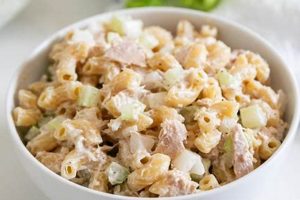
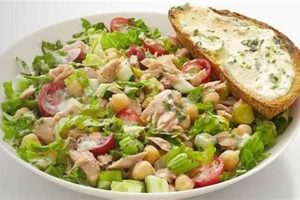
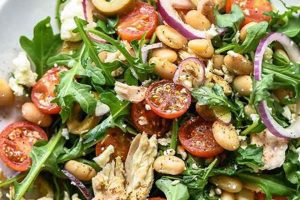
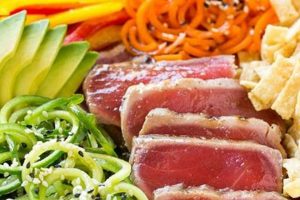
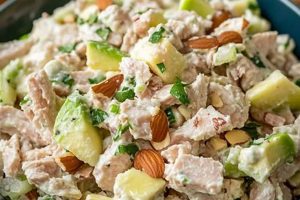
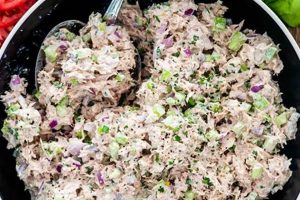
A culinary creation combining canned tuna with various ingredients like mayonnaise, celery, onion, and seasonings, a well-executed version offers a flavorful and convenient meal option. Variations can include additions such as grapes, apples, nuts, or different herbs and spices, allowing for a wide range of taste profiles.
The appeal stems from its versatility, affordability, and nutritional value. Tuna provides protein and omega-3 fatty acids, while the added ingredients contribute vitamins and fiber. Historically, tuna salad emerged as a popular dish with the rise of canned tuna in the early 20th century, offering a quick and easy way to incorporate this nutritious fish into meals. Its adaptability makes it suitable for sandwiches, wraps, salads, or enjoyed as a standalone dish.
The following sections will delve into specific ingredient choices, preparation techniques, and creative serving suggestions to elevate this classic dish from simple to exceptional.
Tips for an Exceptional Tuna Salad
Elevating tuna salad from ordinary to extraordinary involves careful consideration of ingredients and techniques. These tips offer guidance on creating a truly memorable dish.
Tip 1: Quality Tuna Selection: Opting for high-quality canned tuna packed in oil or water significantly impacts the final flavor. Oil-packed tuna offers richer flavor and a more luxurious texture, while water-packed tuna provides a leaner option. Draining the tuna thoroughly prevents excess liquid from diluting the salad.
Tip 2: Mayonnaise Matters: The choice of mayonnaise plays a crucial role in the overall taste and creaminess. Experimenting with different types, such as flavored or artisanal mayonnaises, can add depth and complexity. Start with a small amount and adjust to preference, avoiding an overly saturated mixture.
Tip 3: Freshness of Produce: Crisp, fresh celery and onions provide essential texture and flavor. Finely dicing these ingredients ensures even distribution and prevents overpowering the tuna.
Tip 4: Seasoning with Purpose: Classic seasonings like salt, pepper, and a touch of Dijon mustard enhance the natural flavors of the ingredients. Exploring other herbs and spices, such as dill, paprika, or celery seed, can add unique dimensions.
Tip 5: Texture Enhancement: Incorporating chopped nuts, such as walnuts or pecans, or adding a layer of textural contrast with grapes or chopped apples elevates the sensory experience.
Tip 6: Chilling for Optimal Flavor: Allowing the tuna salad to chill in the refrigerator for at least 30 minutes allows the flavors to meld and develop fully, resulting in a more harmonious blend.
Tip 7: Creative Serving Options: While classic sandwiches and wraps are always a favorite, consider serving tuna salad on crackers, lettuce cups, or as a filling for tomatoes or avocados for a lighter presentation.
By focusing on quality ingredients, mindful preparation, and thoughtful seasoning, one can create a tuna salad that surpasses expectations. The interplay of flavors and textures transforms this simple dish into a culinary delight.
The following section provides a selection of recommended recipes to further inspire culinary creativity.
1. High-Quality Tuna
High-quality tuna serves as a cornerstone of a delicious tuna salad recipe. The tuna’s inherent flavor and texture significantly influence the final product. Tuna packed in oil generally offers a richer, more succulent experience compared to water-packed varieties, which can sometimes be dry or bland. Oil-packed tuna also contributes to the overall creaminess of the salad. Premium brands often prioritize sustainable fishing practices and utilize specific cuts of tuna known for their superior taste and texture, such as albacore or yellowfin. This commitment to quality translates directly into a more satisfying culinary outcome. For example, using a high-quality oil-packed albacore tuna will yield a noticeably more flavorful and luxurious salad than using a generic chunk light tuna packed in water.
Beyond flavor and texture, the quality of tuna also impacts the overall nutritional value. Premium tuna tends to be higher in omega-3 fatty acids and lower in mercury. Choosing high-quality tuna ensures that the salad not only tastes exceptional but also offers health benefits. Furthermore, the firmness of high-quality tuna holds up better during mixing, preventing it from becoming overly mushy or broken down, which is essential for maintaining a pleasant texture. This firmness allows the tuna to retain its distinct presence within the salad, rather than dissolving into the other ingredients.
Investing in high-quality tuna represents a crucial step toward achieving a truly delicious tuna salad. The enhanced flavor, improved texture, and superior nutritional profile justify the often-marginal price difference. Understanding this connection empowers consumers to make informed decisions that elevate their culinary creations from ordinary to exceptional. While other ingredients contribute, the quality of the tuna undoubtedly sets the stage for a truly satisfying and delicious salad experience.
2. Flavorful Mayonnaise
Mayonnaise serves as the unifying element in tuna salad, binding the ingredients and contributing significantly to the overall flavor profile. The choice of mayonnaise profoundly impacts the final result, transforming a simple tuna salad into a culinary delight. Standard mayonnaise provides a neutral base, while flavored varieties, such as olive oil mayonnaise or those infused with herbs and spices, introduce complexity and depth. For instance, a lemon-dill mayonnaise can brighten the flavors of the tuna and other ingredients, while a chipotle mayonnaise adds a smoky, spicy dimension.
The quality of mayonnaise also affects the texture and mouthfeel of the salad. A richer, higher-quality mayonnaise creates a luxurious, creamy texture that complements the tuna and other ingredients. Conversely, a lower-quality mayonnaise can result in a thinner, less satisfying consistency. The amount of mayonnaise used also plays a crucial role. Too little can result in a dry, crumbly salad, while too much can overwhelm the other flavors and create a heavy, greasy texture. Achieving the proper balance is essential for a harmonious blend of flavors and textures. A classic example is using just enough mayonnaise to bind the ingredients without masking the taste of the tuna, allowing the other flavors to shine through.
Careful selection of mayonnaise, considering both flavor and quality, is paramount to achieving a delicious tuna salad. Experimentation with different varieties can unlock unique and exciting flavor combinations, elevating the dish beyond the ordinary. Understanding the impact of mayonnaise on both taste and texture empowers one to create a tuna salad tailored to individual preferences. The interplay between the mayonnaise and other ingredients, such as the tuna, vegetables, and seasonings, ultimately determines the final flavor profile and overall enjoyment of the dish. This understanding allows for informed choices that transform a simple combination of ingredients into a truly delightful culinary experience.
3. Fresh, Crisp Vegetables

Fresh, crisp vegetables contribute significantly to a delicious tuna salad recipe, providing crucial textural contrast and enhancing the overall flavor profile. Beyond the standard celery and onion, incorporating other crisp vegetables elevates the salad from ordinary to extraordinary. The selection, preparation, and balance of these vegetables directly impact the final product’s quality and enjoyment.
- Celery’s Essential Role
Celery offers a signature crunch and subtly herbaceous flavor that complements tuna exceptionally well. Its crisp texture contrasts with the softness of the tuna and mayonnaise, adding a refreshing element. Finely diced celery distributes evenly throughout the salad, ensuring each bite contains a pleasant crunch. The celery’s mild flavor does not overpower the tuna but enhances its inherent savory notes. This classic combination forms a foundational element of traditional tuna salad recipes.
- Onion’s Pungent Contribution
Onion introduces a sharp, pungent flavor that balances the richness of the tuna and mayonnaise. The choice between red onion, white onion, or scallions influences the intensity of the flavor and the overall aesthetic. Red onion provides a vibrant color and a slightly milder bite, while white onion offers a more assertive sharpness. Scallions contribute a delicate onion flavor and a pop of green. Finely dicing the onion ensures even distribution and prevents overpowering the other ingredients.
- Expanding the Vegetable Palette
Beyond celery and onion, other crisp vegetables can enhance the tuna salad experience. Water chestnuts offer a satisfying crunch, while bell peppers introduce sweetness and vibrancy. Chopped cucumber adds a refreshing coolness, and shredded carrots contribute both sweetness and color. These additions expand the flavor profile and create a more complex and interesting salad. For example, incorporating diced bell peppers introduces a subtly sweet and vibrant element that complements the savory tuna and the creamy mayonnaise.
- Preparation and Balance
Proper preparation of vegetables is crucial. Thorough washing and crisp chilling ensure optimal texture and flavor. Finely dicing or chopping creates a consistent texture throughout the salad. The balance of vegetables is also essential. Overloading the salad with vegetables can dilute the tuna flavor and create a watery consistency. A balanced approach ensures that the vegetables enhance the tuna, not overpower it. For instance, using a balanced ratio of celery, red onion, and water chestnuts ensures a delightful interplay of textures and flavors without compromising the tuna’s prominence.
The strategic incorporation of fresh, crisp vegetables elevates tuna salad from a simple dish to a culinary creation. The interplay of textures and flavors creates a dynamic and satisfying experience. By understanding the role and impact of each vegetable, one can craft a tuna salad that is not only delicious but also visually appealing and nutritionally balanced. The careful selection and preparation of these vegetables enhance the overall enjoyment and contribute to a truly memorable culinary experience.
4. Balanced Seasonings
Balanced seasonings are essential for a delicious tuna salad recipe, transforming it from bland to vibrant. Seasoning influences the overall taste profile, enhancing the inherent flavors of the tuna and other ingredients. The careful selection and proportion of seasonings elevate the salad, creating a harmonious blend of flavors that tantalize the palate. A balanced approach prevents any single seasoning from dominating, allowing the nuanced flavors of the tuna and other components to shine through. For example, a pinch of sea salt enhances the tuna’s natural salinity, while freshly cracked black pepper adds a subtle bite. A touch of Dijon mustard contributes a tangy complexity, while a hint of lemon zest introduces a bright, citrusy note. These seemingly small additions, when carefully balanced, create a symphony of flavors that elevate the overall culinary experience.
The interplay of seasonings creates depth and complexity within the tuna salad. The warmth of paprika complements the savory tuna, while the herbaceousness of dill or chives adds a refreshing counterpoint. The subtle sweetness of onion powder or garlic powder enhances the overall flavor profile without overpowering the delicate balance. Understanding the flavor profiles of different seasonings and their impact on the overall composition is crucial for achieving a harmonious and delicious result. A classic example is the balance between salt, pepper, and acid. The salt enhances the savory notes, while the pepper adds a subtle heat. A touch of lemon juice or vinegar provides a necessary acidity that brightens the flavors and prevents the salad from tasting flat.
Mastering the art of balanced seasonings elevates tuna salad from simple to exceptional. This understanding allows for informed choices that transform a basic combination of ingredients into a culinary delight. Achieving this balance prevents the salad from becoming overly salty, peppery, or acidic, ensuring a harmonious and enjoyable flavor profile. The nuanced interplay of seasonings unlocks the full potential of the tuna salad, creating a more complex and satisfying culinary experience. This attention to detail transforms a simple dish into a memorable culinary creation, showcasing the transformative power of balanced seasonings.
5. Textural Variety
Textural variety is paramount in crafting a delicious tuna salad recipe. A harmonious blend of textures elevates the sensory experience, transforming a simple dish into a culinary delight. The interplay of creamy, crunchy, and smooth elements creates a dynamic and satisfying mouthfeel. Consider the contrast between the creamy mayonnaise, the flaky tuna, and the crisp crunch of celery and onion. This contrast prevents the salad from becoming monotonous, engaging the palate with a variety of sensations. Introducing additional textural elements further enhances this experience. Chopped nuts, such as walnuts or pecans, provide a satisfying crunch, while grapes or dried cranberries offer a burst of juicy sweetness. These additions create a more complex and engaging textural profile, elevating the overall enjoyment of the salad.
The absence of textural variety can result in a bland and uninspiring tuna salad. A uniformly smooth and creamy texture can quickly become monotonous, lacking the dynamic interplay that stimulates the palate. Imagine a tuna salad composed solely of finely ground tuna and an abundance of mayonnaise. While the flavor might be acceptable, the lack of textural contrast diminishes the overall enjoyment. Conversely, an excess of crunchy elements can also detract from the experience, overpowering the other textures and creating an unpleasant mouthfeel. The key lies in achieving a harmonious balance, where each textural element complements the others, creating a symphony of sensations that engage the senses.
Understanding the importance of textural variety empowers culinary creativity and allows for the development of more nuanced and satisfying tuna salad recipes. By strategically incorporating a variety of textures, one can transform a simple dish into a culinary masterpiece. This awareness enables informed decisions regarding ingredient selection and preparation, leading to a more dynamic and enjoyable eating experience. The practical application of this understanding extends beyond tuna salad, influencing the creation of a wide range of dishes where textural variety plays a crucial role in achieving culinary excellence. The interplay of textures adds depth and complexity, enhancing the overall sensory experience and transforming a simple meal into a memorable culinary adventure.
6. Proper Chilling

Proper chilling is integral to a delicious tuna salad recipe, significantly impacting both flavor development and food safety. Chilling allows the flavors of the various ingredientstuna, mayonnaise, vegetables, and seasoningsto meld and harmonize. This fusion creates a more cohesive and complex flavor profile than a freshly made, unchilled salad. The chilling process also enhances the structural integrity of the salad. The colder temperature firms the mayonnaise, preventing it from becoming runny and helping the salad maintain its desired consistency. This is particularly important for sandwiches or wraps, where a firmer salad prevents soggy bread and ensures a more enjoyable eating experience. For example, a tuna salad chilled for at least one hour before serving will exhibit a more pronounced and balanced flavor profile compared to one consumed immediately after preparation.
Beyond flavor enhancement, proper chilling is crucial for food safety. Tuna salad, containing mayonnaise and other perishable ingredients, provides an ideal environment for bacterial growth if left at room temperature for extended periods. Chilling inhibits this growth, minimizing the risk of foodborne illness. Adhering to safe food handling practices, such as refrigerating the tuna salad promptly after preparation and maintaining a refrigerator temperature below 40F (4C), mitigates this risk. Failure to chill the salad properly can lead to bacterial proliferation, potentially causing unpleasant consequences. For instance, leaving tuna salad at room temperature for more than two hours can significantly increase the risk of bacterial contamination, potentially leading to food poisoning.
Proper chilling represents a critical step in creating a delicious and safe tuna salad. The benefits extend beyond mere convenience, impacting both the culinary experience and consumer well-being. Chilling not only enhances the flavor profile and textural integrity of the salad but also safeguards against potential health hazards. Understanding the importance of proper chilling and adhering to recommended food safety guidelines ensures a more enjoyable and risk-free culinary experience. This knowledge empowers individuals to make informed decisions, maximizing both the flavor and safety of their tuna salad creations.
Frequently Asked Questions
This section addresses common inquiries regarding the preparation and enjoyment of tuna salad.
Question 1: What type of tuna is best suited for tuna salad?
While various types of canned tuna can be utilized, albacore and yellowfin tuna, packed in either oil or water, are generally preferred for their superior flavor and texture. Oil-packed tuna offers a richer, more luxurious result, while water-packed tuna provides a leaner option. Chunk light tuna, often skipjack, is a more economical choice but may yield a slightly drier salad.
Question 2: How can one prevent tuna salad from becoming overly dry?
Excessive dryness can result from overmixing or using too little mayonnaise. Adding mayonnaise gradually, mixing gently, and refraining from over-processing helps maintain the desired moisture level. Incorporating ingredients like chopped grapes or apples can also contribute moisture and textural complexity.
Question 3: How long can tuna salad be safely stored in the refrigerator?
Properly stored in an airtight container, tuna salad typically remains safe to consume for three to five days when refrigerated at a temperature below 40F (4C). However, quality may begin to deteriorate after the first two days.
Question 4: Can tuna salad be frozen?
While freezing is possible, it is generally not recommended. Freezing can negatively impact the texture of the mayonnaise and other ingredients, resulting in a less desirable consistency upon thawing. The flavors may also be affected.
Question 5: How can one enhance the flavor of tuna salad beyond basic ingredients?
Experimenting with different herbs, spices, and add-ins can elevate the flavor profile. Consider incorporating ingredients like Dijon mustard, lemon zest, chopped fresh herbs (dill, chives, parsley), or spices such as paprika or celery seed. Chopped nuts, seeds, or dried fruits can also add depth and complexity.
Question 6: What are some creative serving suggestions for tuna salad beyond sandwiches?
Tuna salad offers versatility beyond traditional sandwiches. Consider serving it in lettuce cups, atop crackers or crostini, as a filling for bell peppers or avocados, or incorporated into a green salad. It can also be used as a topping for baked potatoes or as a component in a pasta salad.
Addressing these common inquiries provides a foundational understanding of tuna salad preparation and enjoyment. Careful consideration of these points ensures a more satisfying culinary experience.
The next section will explore a variety of delicious tuna salad recipes to inspire culinary creativity.
Delicious Tuna Salad Recipe
Crafting a delicious tuna salad recipe transcends mere ingredient assembly; it represents a culinary opportunity. From the selection of premium tuna to the nuanced balance of seasonings and the incorporation of textural variety, each element contributes to the final product’s overall quality. Proper chilling techniques not only enhance flavor development but also ensure food safety. An understanding of these fundamental principles empowers culinary exploration and elevates this classic dish from simple to exceptional.
The potential for creativity within the realm of tuna salad remains vast. Experimentation with diverse ingredients, flavor profiles, and presentation styles allows for continuous culinary discovery. By embracing these opportunities, individuals can transform a familiar dish into a personalized culinary expression, enriching both personal enjoyment and shared dining experiences.