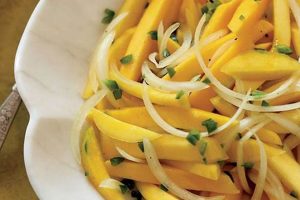
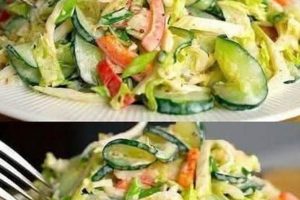
A typical ensalada cubana combines fresh, vibrant ingredients like sliced tomatoes, cucumbers, onions, and bell peppers. Often, avocado is included, adding a creamy richness. A simple vinaigrette, typically made with olive oil, lime juice, and sometimes oregano, dresses the salad. Variations may incorporate other elements such as shredded cabbage, romaine lettuce, or even black beans for added protein.
This refreshing dish represents a cornerstone of Cuban cuisine, reflecting the island’s agricultural bounty and its emphasis on fresh, flavorful ingredients. The combination of crisp vegetables, tangy dressing, and creamy avocado offers a balanced and satisfying culinary experience, suitable as a light lunch, a side dish, or part of a larger meal. Its simplicity makes it adaptable to individual preferences and readily available ingredients, contributing to its enduring popularity both in Cuba and internationally.
The following sections will delve deeper into specific variations, ingredient selection, preparation techniques, and nutritional information related to this vibrant culinary tradition.
Tips for a Perfect Ensalada Cubana
Achieving the ideal balance of flavors and textures in a Cuban salad relies on careful ingredient selection and preparation. These tips offer guidance for creating a truly authentic and enjoyable culinary experience.
Tip 1: Embrace Freshness: Opt for ripe, in-season produce for optimal flavor and texture. Locally sourced ingredients, when available, can further enhance the salad’s vibrancy.
Tip 2: Uniformity Matters: Consistent slicing ensures even distribution of flavors and a pleasing presentation. Aim for similarly sized pieces of tomatoes, cucumbers, onions, and peppers.
Tip 3: Avocado Selection: Choose avocados that yield to gentle pressure, indicating ripeness. Add them just before serving to prevent browning.
Tip 4: The Art of the Vinaigrette: A simple vinaigrette is key. Whisk together high-quality olive oil, fresh lime juice, and a pinch of oregano. Taste and adjust seasonings as needed.
Tip 5: Less is More: Avoid overdressing the salad. A light coating allows the individual flavors of the vegetables to shine through.
Tip 6: Customize with Care: While variations are welcome, maintain the core elements of the salad to preserve its authentic character. Additions should complement, not overwhelm, the traditional flavors.
Tip 7: Serve Immediately: For the best experience, serve the salad immediately after preparation to maintain its crispness and prevent the vegetables from becoming soggy.
By following these guidelines, one can consistently create a refreshing and flavorful ensalada cubana that embodies the essence of Cuban cuisine.
This exploration of tips and techniques provides a solid foundation for crafting a truly exceptional salad. The following section will offer concluding remarks and suggestions for further exploration.
1. Fresh Ingredients

The essence of a truly authentic ensalada cubana lies in the freshness of its components. The emphasis on vibrant, just-picked produce distinguishes this dish and contributes significantly to its bright, refreshing character. Utilizing high-quality ingredients elevates the simple combination of vegetables and vinaigrette into a culinary experience that captures the flavors of Cuba.
- Locally Sourced Produce
Whenever possible, sourcing ingredients from local farmers’ markets or gardens significantly enhances the flavor profile. Tomatoes bursting with ripeness, crisp cucumbers, and fragrant herbs contribute layers of complexity that supermarket produce often lacks. This connection to local agriculture underscores the traditional nature of the dish.
- Seasonality
Adhering to seasonal availability ensures optimal flavor and nutritional value. Utilizing produce at its peak ripeness maximizes the salad’s vibrancy. While adaptations can be made year-round, embracing seasonal variations allows for a deeper appreciation of the interplay between ingredients and climate.
- Ripeness and Quality
Careful selection of ingredients is paramount. Choosing firm, unblemished vegetables guarantees optimal texture and flavor. Inspecting produce for peak ripeness ensures a balanced sweetness and acidity in the final dish. Avocados, when included, should be perfectly ripe, adding a creamy counterpoint to the crisp vegetables.
- Minimal Processing
The simplicity of the ensalada cubana highlights the inherent flavors of fresh produce. Minimal processing, focusing on clean slicing and chopping, preserves the integrity of the ingredients. Avoiding pre-cut or packaged vegetables allows for greater control over quality and freshness.
The careful consideration of freshness, seasonality, and quality transforms the ensalada cubana from a simple combination of ingredients into a celebration of Cuban culinary heritage. The emphasis on unprocessed, vibrant produce allows the natural flavors to shine, creating a dish that is both refreshing and deeply satisfying.
2. Simple Vinaigrette
The simple vinaigrette acts as a crucial component, binding the fresh ingredients of a Cuban salad together and providing a counterpoint to the vegetables’ natural sweetness. Its simplicity is key; an overly complex dressing would mask the delicate flavors of the tomatoes, cucumbers, onions, and peppers. Typically composed of olive oil, lime juice, and often a touch of oregano, the vinaigrette enhances, rather than overpowers, the inherent flavors of the salad. This balance is essential to achieving an authentic Cuban flavor profile. For instance, a heavy, creamy dressing would clash with the salads refreshing character, while a vinaigrette that is overly acidic could overwhelm the subtle sweetness of the vegetables.
The vinaigrette’s role extends beyond mere flavor enhancement. It contributes to the salad’s textural appeal by lightly coating the vegetables, creating a glistening finish and preventing them from drying out. The lime juice, in particular, adds a brightness that cuts through the richness of the avocado (if included), creating a harmonious blend of flavors and textures. Furthermore, the quality of the olive oil plays a significant role in the overall taste. A robust extra virgin olive oil adds depth and complexity, elevating the simple vinaigrette to a new level of culinary refinement. Substituting other oils or adding ingredients like vinegar can alter the delicate balance, resulting in a salad that deviates from traditional Cuban flavors.
Understanding the function and importance of the simple vinaigrette provides insights into the core principles of Cuban cuisine: fresh ingredients, balanced flavors, and uncomplicated preparation. Mastering this element is essential for anyone seeking to replicate the authentic taste of an ensalada cubana. It exemplifies the Cuban culinary philosophy of allowing the natural flavors of fresh ingredients to shine through, complemented, not masked, by a simple yet perfectly balanced dressing.
3. Cuban Cuisine Staple
The ensalada cubana’s status as a staple of Cuban cuisine stems from several interconnected factors, primarily its reflection of the island nation’s agricultural landscape and culinary traditions. The salad’s reliance on readily available ingredients like tomatoes, cucumbers, onions, and peppers speaks to a resourcefulness born from both necessity and an appreciation for local produce. This reliance has historically ensured the dish’s accessibility across socioeconomic strata, solidifying its place in the everyday Cuban diet. Furthermore, the salad’s simple preparation, requiring minimal cooking and specialized equipment, makes it adaptable to various settings, from home kitchens to paladares (small, privately owned restaurants).
The ensalada cubana exemplifies the broader characteristics of Cuban cuisine: fresh, flavorful, and uncomplicated. It serves as a frequent accompaniment to heavier dishes, providing a refreshing counterpoint to richer flavors and textures. For example, a plate of ropa vieja (shredded beef) often includes a side of ensalada cubana to balance the savory, slow-cooked meat. Similarly, it complements grilled fish or chicken, offering a light and vibrant contrast. This role as a balancing element further reinforces its importance within the Cuban culinary landscape. Moreover, the salad’s adaptability extends to variations incorporating ingredients like avocado, black beans, or shredded cabbage, reflecting regional preferences and seasonal availability. These variations highlight the dynamic nature of culinary traditions while maintaining the dish’s core identity.
Understanding the ensalada cubana’s significance as a Cuban cuisine staple offers valuable insights into the interplay between culture, agriculture, and culinary practice. Its simplicity, reliance on local ingredients, and adaptability have cemented its place not only as a common dish but also as a symbol of Cuban resourcefulness and culinary heritage. This knowledge enhances appreciation for the dish beyond its nutritional value, highlighting its role as a cultural artifact and a testament to the enduring power of simple, fresh ingredients.
4. Easy Preparation
The ease of preparation is a defining characteristic of the Cuban salad recipe, contributing significantly to its popularity and everyday presence in Cuban cuisine. This simplicity stems from the minimal processing required and the readily available ingredients, making it an accessible and convenient dish for home cooks and professional chefs alike. The following facets explore the components and implications of this ease of preparation.
- Minimal Cooking Required
The ensalada cubana requires no cooking, relying solely on fresh, raw ingredients. This eliminates the need for specialized equipment or extensive culinary skills, making it accessible to individuals with varying levels of cooking experience. The absence of cooking also preserves the nutritional value of the vegetables, maximizing their vitamin and mineral content.
- Simple Techniques
Preparation involves basic culinary techniques like chopping, slicing, and whisking. These fundamental skills are easily acquired and require no specialized training. The straightforward nature of these techniques allows for quick assembly, making the ensalada cubana an ideal choice for busy weeknight meals or impromptu gatherings.
- Short Preparation Time
The entire process, from preparing the vegetables to assembling the salad, typically takes only minutes. This speed and efficiency contribute to the dish’s practicality, particularly in fast-paced modern lifestyles. The minimal time commitment allows individuals to enjoy a fresh, flavorful salad without sacrificing valuable time.
- Adaptable to Available Ingredients
The ensalada cubana’s simplicity extends to its adaptability. While core ingredients like tomatoes, cucumbers, and onions remain central, variations incorporating readily available seasonal produce or pantry staples like black beans are common. This flexibility allows for customization based on individual preferences and ingredient accessibility.
The ease of preparation, combined with fresh ingredients and vibrant flavors, positions the ensalada cubana as a practical and appealing culinary choice. Its simplicity underscores the resourcefulness of Cuban cuisine, demonstrating that delicious, nutritious meals do not require complex techniques or extensive time commitments. This accessibility contributes to the dish’s enduring popularity, making it a beloved staple in Cuban homes and restaurants worldwide.
5. Versatile Side Dish

The ensalada cubana’s versatility as a side dish stems from its inherent ability to complement a wide array of main courses, spanning various culinary traditions. Its refreshing qualities provide a counterpoint to richer, heavier dishes, while its simple flavors do not compete with complex preparations. This adaptability makes it a suitable accompaniment to grilled meats, roasted poultry, hearty stews, and even seafood dishes. For instance, the bright acidity of the vinaigrette cuts through the richness of a roasted pork shoulder, while the crisp vegetables offer a textural contrast to slow-cooked beans. This versatility transcends specific cultural boundaries, enhancing meals from diverse culinary backgrounds. Furthermore, the salad’s adaptability extends beyond protein-centric dishes. It pairs equally well with rice, plantains, or yuca, creating a balanced and satisfying meal.
This versatility extends beyond mere compatibility; the ensalada cubana actively enhances the dining experience. The refreshing flavors and crisp textures cleanse the palate between bites, allowing diners to fully appreciate the nuances of each dish. Consider a traditional Cuban meal consisting of ropa vieja, moros y cristianos (black beans and rice), and fried plantains. The ensalada cubana provides a refreshing contrast to the rich flavors and heavier textures of these dishes, preventing palate fatigue and enhancing the overall enjoyment of the meal. This ability to elevate the dining experience contributes significantly to the salad’s enduring popularity as a side dish. Its adaptability and complementary nature make it an ideal choice for both casual and formal dining occasions.
The ensalada cubana’s versatility as a side dish underscores its adaptability and balanced flavor profile. Its ability to complement a broad spectrum of dishes makes it an invaluable component of Cuban cuisine and a welcome addition to tables worldwide. This adaptability not only simplifies meal planning but also ensures a harmonious and satisfying culinary experience. The ensalada cubana embodies the essence of a versatile side dish, offering a refreshing and complementary element that enhances rather than overpowers the main course.
6. Customizable Options

The adaptability inherent within the Cuban salad recipe allows for a range of customizations, reflecting both individual preferences and regional variations. This flexibility ensures the dish remains relevant and appealing to a broad audience while retaining its core identity. Exploring these customizable options provides insights into the dynamic nature of culinary traditions and the potential for personalized interpretations within a classic framework.
- Ingredient Additions
While the foundational components of tomatoes, cucumbers, onions, and peppers remain constant, the Cuban salad readily accommodates additions. Avocado introduces a creamy texture and rich flavor, while black beans contribute protein and a hearty element. Other additions, such as shredded cabbage, romaine lettuce, or corn, offer further textural and flavor variations. These additions reflect individual preferences and regional adaptations, showcasing the salad’s versatility.
- Vinaigrette Variations
The classic vinaigrette, typically composed of olive oil, lime juice, and oregano, can also be customized. Adding a touch of garlic or cumin introduces subtle complexity, while cilantro or parsley offer alternative herbal notes. Some variations incorporate a small amount of red wine vinegar or orange juice to modify the acidity and sweetness. These adaptations allow for personalized flavor profiles without straying too far from traditional foundations.
- Spice Level Adjustments
The Cuban salad traditionally features a mild flavor profile. However, incorporating a pinch of red pepper flakes or a few slices of jalapeo adds a spicy kick for those who prefer a more assertive flavor. Adjusting the spice level allows individuals to tailor the salad to their specific palate preferences, further expanding its appeal to a wider audience.
- Presentation Variations
The presentation of the ensalada cubana can also be customized. While a simple tossed salad is common, arranging the ingredients separately on a platter offers a more visually appealing presentation for special occasions. Garnishing with fresh herbs or a sprinkle of paprika adds an elegant touch. These variations demonstrate the salad’s adaptability to different contexts, from casual everyday meals to more formal settings.
These customizable options demonstrate the Cuban salad’s adaptability without compromising its essential character. This inherent flexibility ensures its continued relevance within and beyond Cuban culinary traditions, allowing individuals to personalize the dish while still experiencing the core flavors and textures that define it. This balance of tradition and innovation contributes to the salad’s enduring appeal and its potential to evolve and adapt to future culinary trends.
7. Light and Flavorful

The “light and flavorful” descriptor encapsulates the essence of the Cuban salad recipe, highlighting its refreshing nature and balanced taste profile. This characteristic stems from the interplay of fresh ingredients, a simple vinaigrette, and minimal processing, resulting in a dish that is both satisfying and invigorating. Exploring the components of this lightness and flavorfulness provides deeper insights into the salad’s appeal and its role within Cuban cuisine.
- Freshness of Ingredients
The emphasis on fresh, raw vegetables contributes significantly to the salad’s light quality. The crisp textures of cucumbers, tomatoes, onions, and peppers offer a refreshing contrast to heavier, cooked dishes. This reliance on uncooked produce also preserves the natural flavors, creating a vibrant taste experience that is both light and satisfying. The absence of heavy sauces or processed ingredients further enhances this lightness.
- Simplicity of the Vinaigrette
The simple vinaigrette, typically made with olive oil, lime juice, and oregano, complements the fresh vegetables without overpowering their delicate flavors. The light dressing avoids the heaviness often associated with creamy or mayonnaise-based dressings, allowing the natural flavors of the produce to shine through. This simplicity contributes to the overall refreshing and light character of the salad.
- Balance of Flavors
The Cuban salad achieves a harmonious balance of flavors. The natural sweetness of the vegetables is complemented by the tangy acidity of the lime juice, while the olive oil provides a subtle richness. The optional addition of herbs like oregano adds a nuanced complexity without overwhelming the palate. This balance prevents any single flavor from dominating, creating a light and refreshing taste profile.
- Adaptability and Dietary Preferences
The “light and flavorful” nature of the Cuban salad aligns with contemporary dietary preferences that emphasize fresh, unprocessed foods. Its low calorie density and high nutrient content make it a suitable choice for health-conscious individuals. Furthermore, its adaptability allows for customizations catering to specific dietary needs, such as vegan or gluten-free diets, by incorporating ingredients like black beans or omitting croutons. This adaptability further enhances its appeal as a light and flavorful meal option.
The convergence of these elementsfreshness, simplicity, balanced flavors, and adaptabilityculminates in a salad that embodies the “light and flavorful” descriptor. This characteristic not only defines the ensalada cubana but also contributes to its enduring popularity as a refreshing and satisfying component of Cuban cuisine and beyond. It exemplifies a culinary approach that prioritizes fresh, high-quality ingredients and simple preparations, allowing the natural flavors to take center stage.
Frequently Asked Questions about Cuban Salad
This section addresses common inquiries regarding the preparation, ingredients, and variations of Cuban salad, aiming to provide clear and concise information.
Question 1: What distinguishes Cuban salad from other salads?
Cuban salad distinguishes itself through its specific combination of fresh ingredients (tomatoes, cucumbers, onions, and bell peppers), a simple vinaigrette typically made with lime juice and olive oil, and its absence of leafy greens like lettuce. This combination creates a unique flavor profile that sets it apart.
Question 2: Can one substitute the lime juice in the vinaigrette?
While lime juice is traditional, lemon juice can be substituted in a pinch. However, this alters the authentic Cuban flavor profile. Other acidic ingredients, like vinegar, are generally not recommended as they can overpower the delicate flavors of the vegetables.
Question 3: Is avocado a required ingredient?
Avocado, while a popular addition, is not strictly required. Its creamy texture and rich flavor enhance the salad but are not essential to its core identity. Omitting avocado creates a lighter, more vegetable-forward dish.
Question 4: How long can Cuban salad be stored?
For optimal freshness and texture, Cuban salad is best consumed immediately after preparation. Storage, especially with avocado, can lead to browning and a loss of crispness. If storage is necessary, refrigerate without the dressing and add it just before serving.
Question 5: Are there regional variations of Cuban salad?
Variations exist throughout Cuba and the diaspora, reflecting local preferences and ingredient availability. Some regions incorporate shredded cabbage, romaine lettuce, or other vegetables. The core elements of tomatoes, cucumbers, onions, and a simple vinaigrette typically remain consistent.
Question 6: Can Cuban salad be served as a main dish?
While traditionally served as a side dish, Cuban salad can be adapted into a main course by adding protein sources like grilled chicken, fish, or shrimp. Black beans or chickpeas can further enhance its nutritional value and heartiness.
Understanding these frequently asked questions should provide a comprehensive understanding of Cuban salad, enabling confident preparation and enjoyment of this refreshing and flavorful dish.
The following section offers a collection of authentic Cuban salad recipes for further exploration.
Cuban Salad Recipe
This exploration of the Cuban salad recipe has illuminated its multifaceted nature, from its simple preparation and fresh ingredients to its cultural significance and versatile applications. Analysis of core components, such as the simple vinaigrette and the emphasis on fresh produce, reveals a dish deeply rooted in Cuban culinary traditions. Furthermore, examination of customizable options and its role as a versatile side dish underscores its adaptability and enduring appeal. The frequently asked questions section addressed common inquiries, providing practical guidance for preparation and enjoyment.
The Cuban salad recipe stands as more than a simple culinary instruction; it represents a tangible connection to Cuban heritage. Its continued presence in kitchens worldwide speaks to its enduring appeal and adaptability. Further exploration of regional variations and personalized adaptations promises to enrich culinary experiences and deepen appreciation for this vibrant dish. Ultimately, understanding and appreciating the Cuban salad recipe offers a unique window into the heart of Cuban culinary tradition.