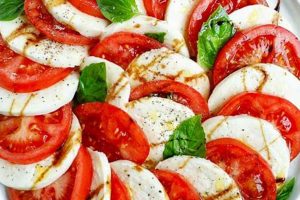
A chilled salad featuring beetroot as the primary ingredient typically includes other vegetables, herbs, and a dressing. Variations can range from simple preparations with vinegar and oil to more complex combinations incorporating cheeses, nuts, or fruits. For instance, a classic version might combine cooked, diced beetroot with onions, dill, and a vinaigrette. Alternatively, a more elaborate version might include goat cheese, candied walnuts, and orange segments.
This dish offers nutritional value due to beetroot’s high content of vitamins, minerals, and antioxidants. Its earthy flavor profile lends itself to diverse culinary applications, making it a versatile addition to meals. Historically, beetroot has been valued both for its culinary and medicinal properties, with evidence of its consumption dating back centuries. The refreshing nature of the chilled preparation makes it particularly appealing in warmer climates or seasons.
Further exploration will delve into specific ingredient combinations, preparation techniques, and variations suitable for diverse dietary preferences and occasions.
Tips for Preparing Beetroot Salad
Optimal techniques and ingredient selections enhance the flavor and presentation of beetroot salads.
Tip 1: Roasting vs. Boiling: Roasting beets intensifies their sweetness and earthy notes, while boiling yields a milder flavor and softer texture. Choose the cooking method based on the desired outcome.
Tip 2: Handling Stains: Beetroot can stain hands and surfaces. Wearing gloves during preparation is advisable. Lemon juice or vinegar can help remove stains.
Tip 3: Balancing Flavors: The earthy sweetness of beetroot pairs well with acidic, tangy, and creamy elements. Consider incorporating ingredients like citrus fruits, goat cheese, or yogurt for a balanced flavor profile.
Tip 4: Texture Variation: Dicing, slicing, or grating beetroot offers different textural experiences. Experiment with various cuts to achieve the desired presentation and mouthfeel.
Tip 5: Enhancing Visual Appeal: Incorporating colorful ingredients such as orange segments, fresh herbs, or crumbled cheese enhances the visual appeal of the salad.
Tip 6: Dressing Considerations: A simple vinaigrette with olive oil, vinegar, and Dijon mustard complements beetroot well. Alternatively, a creamy dressing based on yogurt or sour cream can provide a contrasting texture and flavor.
Tip 7: Chilling Time: Allowing the salad to chill for at least 30 minutes allows the flavors to meld and enhances the refreshing quality of the dish.
Careful consideration of these tips will ensure a flavorful and visually appealing beetroot salad.
By implementing these suggestions, one can elevate a simple beetroot salad into a culinary delight.
1. Ingredients

Ingredient selection significantly impacts the flavor profile, texture, and nutritional value of a cold beetroot salad. Understanding the role of each component allows for informed choices that elevate the dish beyond a simple combination of ingredients.
- Beets:
The foundation of the salad, beets provide earthy sweetness and vibrant color. Different varieties, such as red, golden, or Chioggia (candy cane), offer subtle flavor variations and visual interest. Preparation methods, like roasting or boiling, further influence the taste and texture.
- Acids:
Acidity balances the sweetness of beets and adds brightness to the salad. Common choices include vinegar (red wine, balsamic, apple cider), citrus juice (lemon, orange), or acidic fruits like pomegranate seeds. The level of acidity should complement, not overpower, the beets.
- Fats:
Healthy fats contribute richness and mouthfeel. Extra virgin olive oil is a classic choice, while other oils like walnut or avocado oil can introduce nuanced flavors. The fat component also acts as a carrier for flavor compounds in the dressing.
- Textural Elements:
Contrasting textures create a more engaging culinary experience. Nuts (walnuts, pecans), seeds (pumpkin, sunflower), or crumbled cheese (feta, goat) provide crunch. Fresh herbs like dill, parsley, or mint add a refreshing counterpoint to the earthy beets.
The interplay of these ingredient categories determines the overall character of the cold beetroot salad. A well-balanced combination of flavors and textures elevates the dish from a simple side to a star component of a meal.
2. Preparation

Preparation methods significantly influence the final flavor, texture, and overall quality of a cold beetroot salad. Proper techniques enhance the natural sweetness of beets and ensure optimal presentation. Careful consideration of each step, from cooking to combining ingredients, contributes to a successful and enjoyable culinary outcome.
- Cooking Methods:
Roasting beets intensifies their sweetness and concentrates their flavor, producing a firmer texture suitable for salads. Boiling results in a milder flavor and softer texture, ideal for pureeing or incorporating into dips. Steaming offers a compromise, preserving nutrients while maintaining a tender texture. The chosen cooking method dictates the final character of the beetroot.
- Handling and Peeling:
Beets should be handled carefully to avoid staining hands and surfaces. Wearing gloves is recommended. After cooking, the skins should slip off easily; a paring knife can assist if needed. Trimming the root and stem ends before cooking helps retain color and nutrients.
- Cutting and Shaping:
The way beets are cut affects both the presentation and texture of the salad. Dicing creates evenly sized pieces, ideal for mixing with other ingredients. Slicing produces elegant shapes suitable for layering or arranging. Grating offers a finer texture, often used in salads with a slaw-like consistency. Uniformity in cutting ensures even cooking and enhances visual appeal.
- Timing and Chilling:
Allowing the cooked beets to cool completely before adding other ingredients prevents wilting and maintains the vibrancy of the salad. Chilling the assembled salad for at least 30 minutes allows the flavors to meld and enhances the refreshing quality of the dish. Proper timing ensures optimal flavor development and texture.
Precise execution of these preparation steps elevates the cold beetroot salad from a simple dish to a carefully crafted culinary creation. Attention to detail in each stage contributes to a more flavorful, visually appealing, and enjoyable dining experience.
3. Flavor Balance

Flavor balance is paramount in a successful cold beetroot salad recipe. The inherent earthiness and sweetness of beetroot necessitate careful consideration of complementary and contrasting flavors. A harmonious balance prevents any single element from dominating, resulting in a more nuanced and palatable dish. This balance is achieved through strategic incorporation of acidic, salty, fatty, and textural components.
For instance, the sweetness of beetroot is often offset by the tartness of citrus fruits like orange or grapefruit. Vinegars, such as balsamic or red wine, provide a sharper acidity that cuts through the richness of the beetroot. Salty elements, like feta cheese or a sprinkle of sea salt, enhance the sweetness and provide a savory counterpoint. The addition of healthy fats, typically in the form of a vinaigrette, adds richness and carries flavor compounds throughout the salad. Textural contrasts, achieved through crunchy nuts, toasted seeds, or crisp vegetables, further contribute to a balanced sensory experience. A salad featuring roasted beets, goat cheese, candied pecans, and a citrus vinaigrette exemplifies this principle.
Understanding the interplay of these flavor profiles allows for the creation of a complex and satisfying cold beetroot salad. Ignoring flavor balance can lead to a one-dimensional dish where the earthy notes of beetroot become overwhelming. A well-balanced salad, on the other hand, offers a symphony of flavors that complement and enhance each other, resulting in a more enjoyable and memorable culinary experience. This principle applies not only to beetroot salads but also to broader culinary contexts, highlighting the importance of balancing flavors in any dish.
4. Presentation
Presentation plays a crucial role in the overall enjoyment of a cold beetroot salad recipe. Visual appeal enhances the dining experience, making the dish more enticing and appetizing. Thoughtful presentation elevates the perceived value of the salad, transforming it from a simple side dish to a more sophisticated culinary creation. Consideration of color, texture, arrangement, and serving vessel contributes to a visually appealing and memorable presentation.
- Color:
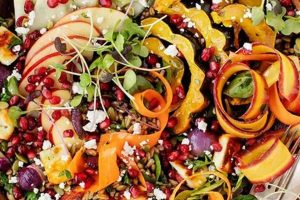
The vibrant hues of beetroot provide a natural foundation for an attractive presentation. Incorporating contrasting colors through ingredients like fresh herbs (green), orange segments (orange), or crumbled goat cheese (white) creates visual interest and highlights the deep red or golden hues of the beetroot. A monochromatic color scheme can also be effective, using varying shades of red and purple to create depth and dimension.
- Texture:
Visual texture adds another layer of complexity to the presentation. Combining smooth, sliced beets with crunchy nuts, crumbled cheese, or coarsely chopped herbs creates a visually appealing contrast. This interplay of textures not only enhances the visual appeal but also foreshadows the textural variety to be experienced when eating the salad.
- Arrangement:
Thoughtful arrangement elevates the presentation beyond a simple toss of ingredients. Layering ingredients, creating height, or using negative space on the plate draws the eye and adds sophistication. Arranging sliced beets in a circular pattern, topping them with a dollop of yogurt, and sprinkling with chopped herbs exemplifies a considered approach to arrangement.
- Serving Vessel:
The choice of serving vessel further contributes to the overall presentation. A shallow bowl showcases the vibrant colors and textures of the salad, while a platter allows for more elaborate arrangements. Individual portions served in small glasses or ramekins create a sense of elegance and formality. The serving vessel should complement the style of the salad and the occasion.
These elements of presentation work in concert to create a visually appealing and enticing cold beetroot salad. Careful attention to color, texture, arrangement, and serving vessel enhances the dining experience, making the salad more enjoyable and memorable. The visual appeal adds perceived value, transforming a simple combination of ingredients into a culinary creation worthy of appreciation.
5. Nutritional Value
Nutritional value represents a significant aspect of cold beetroot salad recipes. Beyond its culinary appeal, this dish offers a range of health benefits derived from its nutrient-rich ingredients, particularly beetroot. Understanding these nutritional components provides a deeper appreciation for the dish and its contribution to a healthy diet.
- Vitamins and Minerals:
Beets are a good source of folate, vitamin C, and potassium. Folate is essential for cell growth and development, while vitamin C supports immune function and acts as an antioxidant. Potassium plays a vital role in maintaining healthy blood pressure. These nutrients contribute to overall well-being and disease prevention.
- Nitrates:
Beets are naturally rich in nitrates, which the body converts to nitric oxide. Nitric oxide helps relax and widen blood vessels, improving blood flow and potentially lowering blood pressure. This vasodilating effect may also enhance athletic performance by increasing oxygen delivery to muscles. Athletes and individuals seeking cardiovascular health benefits may find this aspect particularly relevant.
- Antioxidants:
Beetroot contains betalains, potent antioxidants that protect cells from damage caused by free radicals. These antioxidants contribute to overall health by reducing oxidative stress and inflammation. Individuals seeking to incorporate more antioxidant-rich foods into their diets can benefit from including beetroot salads.
- Fiber:
Beetroot is a good source of dietary fiber, which promotes healthy digestion and regularity. Fiber also contributes to satiety, helping regulate appetite and potentially aiding in weight management. Individuals seeking to increase their fiber intake will find beetroot salad a beneficial addition to their meals.
Incorporating a cold beetroot salad into one’s diet provides more than just a refreshing culinary experience; it offers a range of essential nutrients that contribute to overall health and well-being. From vitamins and minerals to nitrates and fiber, the nutritional profile of beetroot enhances the value of this versatile dish. This nutritional density makes cold beetroot salad a valuable component of a balanced and health-conscious diet.
Frequently Asked Questions
This section addresses common inquiries regarding cold beetroot salad preparation and consumption.
Question 1: How can staining from beetroot be prevented during preparation?
Wearing gloves while handling beetroot is recommended. If staining occurs, lemon juice or vinegar can be applied to affected areas.
Question 2: What is the optimal cooking method for beetroot in salads?
Roasting enhances sweetness and provides a firm texture, while boiling yields a milder flavor and softer texture. The preferred method depends on the desired salad profile.
Question 3: Which ingredients complement the earthy flavor of beetroot?
Acidity from citrus fruits or vinegar balances beetroot’s sweetness. Salty cheeses, nuts, and fresh herbs provide contrasting flavors and textures.
Question 4: How long can prepared beetroot salad be stored?
Refrigerated storage in an airtight container is recommended for up to three days. The salad’s quality may degrade beyond this timeframe.
Question 5: Can canned beetroot be used as a substitute for fresh beetroot?
While canned beetroot offers convenience, its flavor and texture differ from fresh. Adjusting seasoning may be necessary when using canned beetroot.
Question 6: Are there specific health benefits associated with consuming beetroot salad?
Beetroot is a source of nitrates, which can improve blood flow, and antioxidants, which protect cells from damage. It also provides essential vitamins and minerals.
Understanding these aspects ensures successful preparation and enjoyment of beetroot salad.
Further exploration may delve into specific recipe variations and cultural contexts surrounding beetroot consumption.
Cold Beetroot Salad Recipe
Exploration of cold beetroot salad recipes reveals a dish offering both culinary versatility and nutritional density. From ingredient selection and preparation techniques to flavor balancing and presentation, each aspect contributes to the final product. The inherent sweetness and earthy notes of beetroot, complemented by acidic, salty, and textural elements, create a complex flavor profile. Furthermore, the dish provides essential vitamins, minerals, antioxidants, and nitrates, contributing to a health-conscious diet. Proper handling and storage techniques maintain the salad’s quality and prevent staining.
Culinary experimentation with cold beetroot salad recipes offers a pathway to both gastronomic satisfaction and enhanced well-being. Continued exploration of flavor combinations and presentation styles promises further culinary discoveries within this versatile dish. The nutritional benefits underscore its value within a balanced dietary framework.