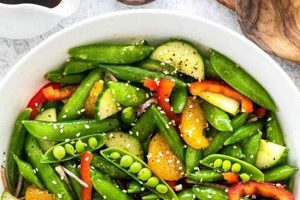
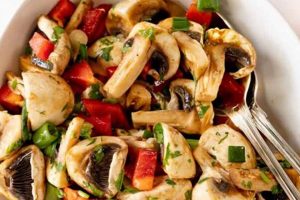
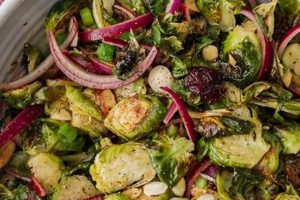
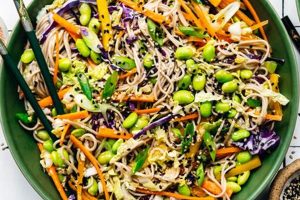
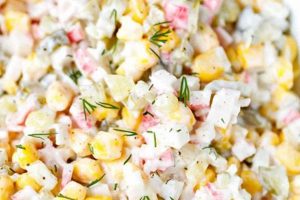
Warm, oven-roasted dishes featuring combined vegetables, often incorporating grains, proteins, and a binding agent like cheese or egg, constitute a unique culinary category. For instance, a combination of roasted root vegetables like carrots, potatoes, and beets, tossed with quinoa and feta cheese, then baked until tender, exemplifies this style of cooking.
This cooking method offers several advantages. The oven’s heat caramelizes vegetables, intensifying their natural sweetness and creating complex flavors. Baking also allows for even cooking and the development of crispy textures. Historically, similar preparations existed in various cultures, utilizing seasonal produce and available heat sources, often as a method of preserving harvests or stretching limited ingredients into satisfying meals.
Further exploration will cover variations suitable for different dietary needs, offer practical tips for successful preparation, and delve into the nutritional aspects of these satisfying and versatile dishes.
Tips for Creating Delicious Baked Salads
Achieving optimal results with oven-roasted vegetable medleys requires attention to several key factors.
Tip 1: Uniform Vegetable Size: Consistent cutting ensures even cooking. Larger pieces require longer cooking times than smaller ones, potentially leading to unevenly cooked dishes. Aim for similarly sized pieces for optimal results.
Tip 2: Proper Vegetable Preparation: Thoroughly washing and drying vegetables prevents excess moisture, which can hinder browning and create a steamed, rather than roasted, texture.
Tip 3: Strategic Use of Oil and Seasoning: Coating vegetables evenly with oil facilitates browning and crispness. Seasoning enhances flavors; consider fresh herbs, spices, or a sprinkle of salt and pepper.
Tip 4: Appropriate Baking Temperature and Time: Higher temperatures promote caramelization and browning, while lower temperatures ensure thorough cooking without burning. Consult specific recipes for recommended temperatures and durations.
Tip 5: Avoid Overcrowding the Pan: Adequate spacing between vegetable pieces allows for proper heat circulation and even browning. Overcrowding can lead to steaming and uneven cooking.
Tip 6: Consider Adding a Binding Agent: Ingredients like cheese, eggs, or a creamy sauce can help bind the vegetables together, creating a more cohesive dish.
Tip 7: Introduce Textural Variety: Incorporating nuts, seeds, or breadcrumbs adds textural complexity and visual appeal.
Following these guidelines promotes well-cooked, flavorful dishes with appealing textures and visual presentations.
By understanding these core principles, one can confidently experiment with various vegetable combinations and flavor profiles, creating satisfying and nutritious meals.
1. Vegetable Selection
Vegetable selection forms the foundation of successful baked salad recipes. The choice of vegetables influences flavor profiles, textures, and overall nutritional value. Thoughtful selection ensures a balanced and satisfying culinary experience.
- Heartiness and Texture:
Root vegetables like carrots, potatoes, and sweet potatoes offer a substantial base and hold their shape well during baking. Their dense texture provides a satisfying chew. Cruciferous vegetables, such as broccoli and cauliflower, contribute a slightly firmer texture and distinct flavor profiles. Leafy greens, like kale or spinach, can be incorporated but require shorter cooking times to prevent wilting.
- Flavor Compatibility:
Vegetables within the same flavor families often complement each other. Earthy mushrooms pair well with root vegetables, while sweeter options like butternut squash or bell peppers harmonize with onions and garlic. Contrasting flavors can also create interesting combinations; for example, the bitterness of Brussels sprouts can be balanced by the sweetness of roasted apples.
- Seasonal Availability:
Utilizing seasonal vegetables maximizes flavor and nutritional value. Winter squashes and root vegetables are ideal for colder months, while lighter options like zucchini and tomatoes shine in summer. Adapting recipes to seasonal availability ensures optimal freshness and flavor complexity.
- Color and Visual Appeal:
Varied colors enhance visual appeal. Combining vibrant vegetables like red bell peppers, orange carrots, and green broccoli creates a visually attractive dish. The natural pigments also indicate different nutrient profiles, further emphasizing the importance of diversity.
Careful consideration of these facets elevates baked salad recipes beyond simple vegetable medleys. Strategic vegetable selection contributes to a harmonious blend of flavors, textures, and visual appeal, maximizing both culinary enjoyment and nutritional benefits.
2. Flavor Balancing
Flavor balancing is essential for creating palatable and complex baked salad recipes. The inherent sweetness of roasted vegetables necessitates the incorporation of contrasting flavors to prevent monotony. This interplay of tastes elevates the dish beyond simple roasted vegetables, creating a more nuanced and satisfying culinary experience. The careful integration of contrasting elementssweet, savory, acidic, bitter, and umamienhances the overall complexity and enjoyment of the dish. For example, the sweetness of roasted butternut squash can be balanced by the salty tang of feta cheese and the peppery bite of arugula.
Several techniques achieve flavor balance. Acidity, introduced through lemon juice or vinegar, cuts through richness and brightens the overall flavor profile. Incorporating salty elements like olives, capers, or cured meats provides a savory counterpoint to sweet vegetables. Umami, found in ingredients such as mushrooms, aged cheese, or soy sauce, adds depth and complexity. The judicious use of herbs and spices further enhances flavor dimensions; for example, rosemary complements root vegetables, while thyme pairs well with mushrooms. The strategic combination of these elements creates a harmonious blend where no single flavor dominates.
Mastering flavor balance transforms baked salad recipes from simple vegetable medleys into sophisticated culinary creations. Understanding the interplay of different taste profiles allows for intentional flavor pairings that enhance the overall sensory experience. The resulting complexity and depth of flavor elevate the dish, making it more appealing and enjoyable. This knowledge empowers culinary exploration and customization, adapting recipes to individual preferences and available ingredients while consistently achieving delicious and balanced results.
3. Texture Variations

Textural variation significantly contributes to the sensory appeal of baked salad recipes. A combination of texturescrispy, creamy, crunchy, and chewyelevates these dishes beyond simple roasted vegetables, offering a more engaging and satisfying dining experience. A dish with uniform texture can feel monotonous, while contrasting textures create interest and complexity. For example, the soft texture of roasted sweet potatoes can be complemented by the crispness of toasted pecans and the creaminess of goat cheese, resulting in a more dynamic and enjoyable dish.
Achieving textural diversity involves several culinary techniques. Roasting vegetables at high temperatures creates crispy edges and caramelized surfaces. Incorporating ingredients like nuts, seeds, or croutons introduces a satisfying crunch. Creamy elements, such as cheese or a smooth sauce, provide a textural counterpoint. The interplay of these textures creates a multi-sensory experience, enhancing the overall enjoyment of the dish. Consider a baked salad with roasted broccoli and cauliflower. The florets can develop crispy edges while remaining tender in the center. Adding toasted breadcrumbs provides additional crunch, while a drizzle of tahini sauce introduces creaminess.
Understanding the role of texture in baked salad recipes allows for deliberate manipulation of ingredients and cooking methods to achieve desired results. This knowledge empowers culinary creativity and customization, leading to more complex and satisfying dishes. By considering the interplay of textures, cooks can elevate simple roasted vegetables into dynamic and engaging culinary creations. The result is a more appealing and satisfying meal that offers both nutritional value and sensory pleasure. The ability to create and control textural contrasts demonstrates culinary expertise and enhances the overall dining experience.
4. Binding Agents

Binding agents play a crucial role in baked salad recipes, transforming individual components into a cohesive and unified dish. They contribute to texture, flavor, and overall structural integrity. Understanding their function and diverse applications allows for greater control over the final product, enabling the creation of dishes that are both visually appealing and structurally sound.
- Cheese:
Cheese, in its various forms, acts as a versatile binding agent. When melted, cheeses like Gruyre, cheddar, or Parmesan create a cohesive matrix, holding vegetables together. The choice of cheese also influences the flavor profile, adding nuances of nuttiness, sharpness, or saltiness. For example, a baked salad featuring roasted root vegetables and Gruyre offers a nutty, savory dimension, while feta cheese contributes a tangy, salty element to Mediterranean-inspired baked salads. The viscous nature of melted cheese also contributes to a creamy texture, enhancing the overall sensory experience.
- Eggs:
Eggs provide structural integrity and a rich, custard-like texture. Beaten eggs, when incorporated into a baked salad, coagulate during baking, binding the vegetables together. This creates a firm yet moist texture that complements roasted vegetables. Quiches and frittatas exemplify the binding power of eggs in baked dishes. In baked salad recipes, eggs can be used to create a crustless quiche-like structure, holding the vegetables together while adding a protein-rich element.
- Creamy Sauces:
Creamy sauces, such as bchamel or Mornay, offer both binding properties and rich flavor. These sauces coat vegetables, adhering them to one another and creating a cohesive dish. The sauce also infuses the vegetables with its flavor, adding depth and complexity. For instance, a Mornay sauce, with its cheesy, savory notes, complements roasted cauliflower or broccoli in a baked salad. The creamy texture of the sauce contrasts with the potentially crisp edges of the roasted vegetables, enhancing the overall textural experience.
- Starches:
Cooked grains, like quinoa or rice, can function as binding agents, absorbing excess moisture and creating a cohesive texture. These starches also contribute to the nutritional value of the dish, adding complex carbohydrates and fiber. For instance, a baked salad featuring roasted vegetables and quinoa provides a complete and satisfying meal. The quinoa absorbs the flavors of the roasted vegetables and any added spices, creating a harmonious blend of flavors and textures.
The strategic selection and application of binding agents contributes significantly to the success of baked salad recipes. The choice of binding agent influences not only the structural integrity of the dish but also its flavor and textural profile. By understanding the properties and functionalities of different binding agents, cooks can create baked salads that are both visually appealing and texturally satisfying, showcasing the versatility and potential of this culinary approach. This understanding allows for customized flavor combinations and textural experiences, elevating baked salad recipes from simple roasted vegetables to cohesive and satisfying culinary creations.
5. Baking Techniques
Baking techniques significantly influence the final outcome of baked salad recipes. Proper application of these techniques ensures even cooking, desirable textures, and maximized flavor development. Understanding these techniques allows for greater control over the cooking process, enabling the creation of dishes that are both visually appealing and texturally satisfying. The following facets highlight the essential baking techniques relevant to creating successful baked salads.
- Temperature Control:
Accurate oven temperature control is paramount. High heat facilitates browning and caramelization, creating desirable textures and enhancing flavor development. Conversely, lower temperatures ensure thorough cooking of denser vegetables without burning more delicate ingredients. Monitoring oven temperature and adjusting accordingly prevents uneven cooking and ensures optimal results. For instance, roasting root vegetables at a higher temperature initially promotes caramelization, while reducing the temperature later ensures they cook through without burning.
- Heat Distribution:
Even heat distribution within the oven is essential for uniform cooking. Proper pan placement and the use of appropriate bakeware ensure consistent results. Overcrowding the pan hinders heat circulation, leading to uneven cooking and steaming rather than roasting. Using a single layer of vegetables promotes optimal browning and texture development. Employing convection baking, when available, further enhances heat circulation, contributing to more even cooking. Rotating the pan during baking also ensures consistent results, particularly in ovens with uneven heat distribution.
- Timing and Doneness:
Accurate timing ensures vegetables reach the desired level of doneness. Undercooked vegetables retain a raw, unpleasant texture, while overcooked vegetables become mushy and lose their vibrancy. Visual cues, such as browning and tenderness, indicate doneness. Using a thermometer provides a more precise measure, ensuring vegetables reach a safe internal temperature. Specific cooking times vary depending on the type and size of vegetables, requiring attention to individual recipe instructions and adjustments based on oven characteristics.
- Moisture Management:
Managing moisture content during baking is crucial for achieving desirable textures and preventing sogginess. Excess moisture hinders browning and caramelization, leading to a steamed rather than roasted result. Thoroughly drying vegetables before roasting minimizes excess moisture. Proper pan selection also influences moisture management. Using a roasting pan with a rack allows excess moisture to drain away, promoting browning and crispness. Alternatively, baking in a covered dish traps moisture, resulting in a softer, more braised texture. The desired outcome dictates the appropriate moisture management technique.
Mastery of these baking techniques elevates baked salad recipes from simple roasted vegetables to sophisticated culinary creations. Precise temperature control, even heat distribution, accurate timing, and appropriate moisture management contribute to the overall success of the dish, ensuring optimal flavor, texture, and visual appeal. By understanding and applying these principles, cooks can confidently create baked salads that showcase the versatility and potential of this cooking method, transforming simple ingredients into flavorful and satisfying meals.
6. Nutritional Value

Nutritional value represents a significant benefit of baked salad recipes. The cooking method and inherent qualities of the ingredients contribute to a nutrient-rich dish. Baking, unlike boiling, preserves many vitamins and minerals within the vegetables. Fat-soluble vitamins, such as vitamins A, D, E, and K, remain largely intact during baking, particularly when minimal added fats are used. Furthermore, the high temperatures involved in roasting can enhance the bioavailability of certain nutrients, making them more readily absorbed by the body. For instance, the antioxidant lycopene in tomatoes becomes more bioavailable after cooking. The choice of vegetables further influences the nutritional profile. Incorporating a variety of colorful vegetables ensures a diverse range of vitamins, minerals, and phytonutrients. A baked salad featuring carrots, sweet potatoes, and broccoli provides a rich source of beta-carotene, vitamin C, and fiber.
The impact of ingredient choices extends beyond vitamins and minerals. Adding protein sources, such as lean meats, beans, or lentils, creates a more complete and balanced meal. These additions enhance satiety and contribute to overall dietary protein intake. Incorporating whole grains, such as quinoa or farro, further boosts fiber content, promoting digestive health and providing sustained energy. Moreover, limiting added fats and sugars during preparation maintains the nutritional integrity of the dish, preventing unnecessary caloric intake and preserving the natural flavors of the vegetables. For example, using a light dressing made with olive oil and lemon juice, rather than a heavy, creamy dressing, reduces added calories and fat while enhancing the flavors of the roasted vegetables.
Maximizing the nutritional benefits of baked salad recipes requires careful consideration of both cooking methods and ingredient choices. Prioritizing fresh, seasonal vegetables, incorporating lean protein sources and whole grains, and limiting added fats and sugars ensures a nutrient-dense and satisfying meal. Understanding the impact of these choices empowers individuals to create dishes that support overall health and well-being. This approach positions baked salad recipes as a valuable component of a balanced and nutritious diet, offering both culinary enjoyment and health benefits.
7. Creative Adaptations

Creative adaptations represent a significant advantage of baked salad recipes, transforming a basic concept into a versatile culinary platform. This adaptability stems from the inherent flexibility of the format, allowing for modifications based on dietary preferences, seasonal ingredient availability, and creative inspiration. The core principle remains consistentcombining roasted vegetables with complementary ingredientsbut the specific components and flavor profiles can vary widely. This inherent versatility distinguishes baked salad recipes from more rigid culinary preparations. For example, a traditional Greek salad can be reimagined as a baked salad by roasting the vegetablestomatoes, onions, peppersand then combining them with feta cheese and a lemon-herb vinaigrette after baking. This adaptation retains the essence of the original dish while offering a unique textural and flavor experience.
Dietary adaptations offer further avenues for customization. Vegetarian versions might incorporate plant-based protein sources like lentils or chickpeas, while vegan adaptations could utilize tofu or tempeh. Gluten-free versions can be achieved by selecting appropriate grains or omitting them altogether. Seasonal variations showcase the adaptability of baked salad recipes to available produce. A spring version might feature asparagus, peas, and fresh herbs, while a fall version could incorporate butternut squash, Brussels sprouts, and cranberries. These adaptations not only reflect seasonal flavors but also highlight the nutritional value of incorporating fresh, locally sourced ingredients. Furthermore, global culinary influences can inspire innovative variations. A Moroccan-inspired baked salad might feature roasted root vegetables with warming spices like cumin and coriander, topped with a sprinkle of chopped dates and toasted almonds. These creative adaptations demonstrate the potential of baked salad recipes to transcend culinary boundaries.
The ability to creatively adapt baked salad recipes expands their appeal and practical application. This adaptability caters to diverse dietary needs, utilizes seasonal ingredients, and encourages culinary exploration. The resulting versatility positions baked salads as a customizable and adaptable dish, suitable for various occasions and preferences. By understanding the core principles and embracing creative adaptations, individuals can transform a simple concept into a diverse and exciting culinary experience, maximizing both flavor and nutritional value while minimizing culinary limitations.
Frequently Asked Questions
This section addresses common inquiries regarding the preparation and variations of oven-roasted vegetable dishes.
Question 1: What types of vegetables are best suited for baking?
Hearty vegetables like root vegetables (carrots, potatoes, sweet potatoes) and cruciferous vegetables (broccoli, cauliflower, Brussels sprouts) hold their shape well during baking. Softer vegetables, such as zucchini or tomatoes, can also be incorporated but may require shorter cooking times.
Question 2: How can one prevent baked vegetables from becoming overly dry?
Adequate oil coating helps retain moisture. Additionally, covering the baking dish for a portion of the cooking time can create a more humid environment, preventing excessive drying. Monitoring the cooking process and adjusting timing based on vegetable density is crucial.
Question 3: Can grains be incorporated into baked vegetable dishes?
Grains such as quinoa, rice, or farro complement baked vegetables. Pre-cooking the grains before incorporating them ensures even cooking and optimal texture. Grains add complexity and nutritional value to the dish.
Question 4: What are suitable protein additions for baked vegetable dishes?
Lean meats, poultry, fish, beans, lentils, tofu, and tempeh can all be incorporated. Adding protein elevates the dish into a complete and balanced meal. Consider cooking times and adjust accordingly to ensure all components cook thoroughly.
Question 5: How can flavor profiles be diversified?
Herbs, spices, citrus zest, and various types of cheese provide flavor complexity. Marinating vegetables before baking also infuses them with deeper flavors. Experimentation with different flavor combinations expands culinary possibilities.
Question 6: Are baked vegetable dishes suitable for meal preparation?
These dishes often reheat well, making them suitable for meal prepping. Storing them properly in airtight containers in the refrigerator allows for convenient reheating throughout the week.
Understanding these fundamental aspects facilitates successful preparation and expands the possibilities for creating varied and nutritious meals featuring baked vegetables.
This concludes the frequently asked questions section. The next section will explore specific recipe examples and variations.
Conclusion
Oven-baked vegetable combinations offer a versatile and nutritious approach to culinary creation. Careful consideration of vegetable selection, flavor balancing, textural variation, binding agents, and baking techniques allows for the development of sophisticated dishes. Nutritional value remains a key advantage, with baking preserving vital nutrients and offering opportunities for incorporating diverse, healthful ingredients. The adaptability of these culinary compositions allows for creative adaptations catering to various dietary needs and preferences.
Culinary exploration of this cooking method yields rewarding results, transforming readily available ingredients into flavorful and satisfying meals. Further experimentation promises continued discovery of innovative combinations and techniques, enriching culinary experiences and promoting healthful eating patterns.