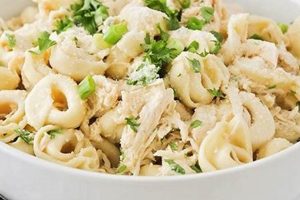
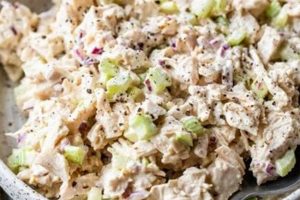
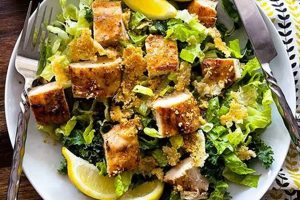
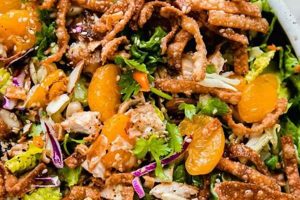
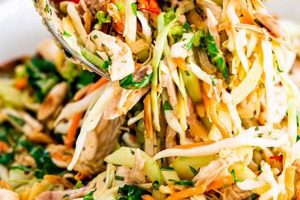
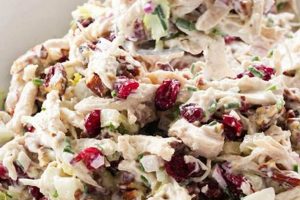
This dish typically combines cooked spaghetti, shredded chicken, and various other ingredients like vegetables, cheese, and mayonnaise-based dressings, creating a cold pasta salad. A classic version might include celery, bell peppers, black olives, and a creamy dressing seasoned with spices or herbs. Variations can incorporate different cheeses, such as cheddar or Monterey Jack, and other vegetables like red onion or chopped tomatoes. The salad’s versatility allows for customization based on dietary preferences and available ingredients.
Cold pasta salads offer convenient meal preparation for picnics, potlucks, and quick lunches. Their chilled nature makes them particularly appealing in warmer weather. The combination of protein from the chicken, carbohydrates from the pasta, and the varied nutrients from vegetables and other add-ins contribute to a satisfying and relatively balanced meal. This type of salad is also an efficient way to utilize leftover cooked chicken or spaghetti, minimizing food waste and maximizing value. Historically, the popularity of pasta salads in Western cuisine emerged in the mid-20th century alongside refrigeration technology and a growing interest in convenience foods.
The following sections will explore various aspects of preparing this dish, including ingredient selection, dressing options, cooking techniques, tips for presentation, and suggestions for variations.
Tips for a Perfect Chicken Spaghetti Salad
Achieving optimal flavor and texture requires attention to several key aspects of preparation. The following tips offer guidance for creating a successful dish.
Tip 1: Pasta Perfection: Cook spaghetti al dente for optimal texture in the salad. Overcooked pasta becomes mushy and less appealing.
Tip 2: Chicken Choices: Rotisserie chicken offers a convenient shortcut, but any cooked chicken, diced or shredded, works well. Consider grilling or baking chicken specifically for the salad to enhance flavor.
Tip 3: Vegetable Variety: Explore beyond standard ingredients. Consider adding chopped cucumbers, blanched broccoli florets, or shredded carrots for added nutrients and visual appeal.
Tip 4: Dressing Decisions: While mayonnaise-based dressings are traditional, Greek yogurt or vinaigrette offer lighter alternatives. Experiment with flavors by incorporating herbs, spices, or a touch of citrus zest.
Tip 5: Chill Out: Chilling the salad for at least an hour allows the flavors to meld and enhances the overall experience. Ensure thorough chilling but avoid freezing.
Tip 6: Portion Control: Add dressing gradually to prevent the salad from becoming overly saturated. Start with a smaller amount and add more as needed to achieve the desired consistency.
Tip 7: Presentation Matters: Consider the visual appeal. A sprinkle of fresh herbs or a garnish of chopped nuts can elevate the presentation. Serve in a decorative bowl for added impact.
Tip 8: Storage Smarts: Store leftover salad in an airtight container in the refrigerator for up to three days. Note that the texture of the pasta may soften slightly over time.
By following these tips, one can achieve a balanced, flavorful, and visually appealing salad suitable for various occasions.
These guidelines provide a strong foundation for creating a delicious chicken spaghetti salad. The concluding section will offer further inspiration and resources.
1. Ingredients

Ingredient selection significantly influences the final flavor profile and overall quality of a chicken spaghetti salad. Careful consideration of each component ensures a balanced and enjoyable culinary experience. The following facets explore key ingredient categories and their contributions to the dish.
- Protein: Chicken
Chicken provides the primary protein source. Options range from readily available rotisserie chicken to freshly cooked and shredded breasts or thighs. The cooking method impacts the flavor; grilled chicken imparts a smoky note, while baked chicken offers a more neutral taste. The chicken’s quality and preparation directly influence the salad’s overall satisfaction.
- Base: Pasta
Spaghetti, the foundational ingredient, requires careful cooking to achieve the desired al dente texture. Overcooked spaghetti results in a mushy salad. Alternative pasta shapes, such as rotini or farfalle, can add visual interest and textural variation. Gluten-free pasta provides options for those with dietary restrictions.
- Produce: Vegetables
Vegetables contribute essential nutrients, texture, and color. Common choices include celery, bell peppers, and red onion. Expanding the selection with ingredients like chopped cucumbers, cherry tomatoes, or blanched broccoli florets enhances both nutritional value and visual appeal. Fresh, crisp vegetables provide a refreshing counterpoint to the richer elements.
- Binding Agent: Dressing
The dressing binds the ingredients and imparts significant flavor. Classic mayonnaise-based dressings offer creamy richness. Alternatives like Greek yogurt or vinaigrette provide lighter options with tangy or herbaceous notes. The dressing’s flavor profile significantly influences the overall taste experience, offering opportunities for customization based on preference.
The interplay of these ingredient categories defines the character of a chicken spaghetti salad. Harmonizing flavors and textures through thoughtful ingredient selection is essential for a successful and satisfying dish. Further exploration of specific recipes can provide concrete examples of these principles in action.
2. Preparation
Preparation constitutes a crucial stage in crafting a successful chicken spaghetti salad recipe. Efficient and methodical preparation ensures optimal ingredient integration and contributes significantly to the final dish’s quality and appeal. The following facets detail key preparatory steps:
- Pasta Cooking
Precise pasta cooking is paramount. The target texture is al dente firm to the bite. Overcooking results in a soft, undesirable texture within the salad. Adhering to package instructions, while slightly reducing cooking time, helps achieve the ideal firmness. Rinsing the cooked pasta under cold water halts the cooking process and prevents sticking.
- Chicken Handling
Chicken preparation depends on the starting point. Pre-cooked options, such as rotisserie chicken, require shredding or dicing. Raw chicken necessitates cooking prior to incorporation. Grilling, baking, or poaching yield distinct flavor profiles. Ensuring the chicken is fully cooked and cooled before adding to the salad is crucial for food safety and optimal texture.
- Vegetable Processing
Vegetable preparation contributes to texture and visual appeal. Consistent sizing, achieved through chopping or dicing, ensures even distribution and enhances the eating experience. Considerations include the desired texture; some vegetables benefit from blanching to maintain crispness and vibrant color.
- Ingredient Assembly
Once individual components are prepared, proper assembly is essential. Combining ingredients in a large bowl facilitates even dressing distribution. Gradual dressing incorporation prevents oversaturation. Gentle tossing ensures all elements are coated without damaging delicate ingredients. Attention to detail during assembly maximizes flavor melding and creates a visually appealing final product.
Meticulous preparation sets the stage for a well-balanced and flavorful chicken spaghetti salad. Each step, from pasta cooking to ingredient assembly, contributes significantly to the final outcome. Overlooking these preparatory stages can compromise the dish’s overall quality, highlighting the importance of attention to detail in this phase of the recipe.
3. Cooking

Cooking plays a pivotal role in a chicken spaghetti salad recipe, impacting both food safety and the final dish’s overall quality. While the salad itself is served cold, several components often require cooking before inclusion. The most prominent example is the chicken. Using raw chicken necessitates thorough cooking to eliminate potential health risks associated with consuming undercooked poultry. Methods such as grilling, baking, or poaching not only ensure safety but also impart distinct flavors to the chicken, influencing the salad’s overall taste profile. For instance, grilled chicken contributes a smoky char, while poached chicken offers a cleaner, more neutral flavor.
Beyond the chicken, certain vegetables may also benefit from cooking. Blanching vegetables like broccoli or green beans preserves their vibrant color and enhances their texture, preventing them from becoming overly soft or mushy in the final salad. Additionally, the pasta, a core component of the dish, requires precise cooking to achieve the ideal al dente texture. Overcooked pasta becomes gummy and detracts from the salad’s overall appeal. Properly cooked pasta contributes a pleasant chewiness and effectively absorbs the dressing’s flavors. The cooking process, therefore, directly influences the texture and flavor interplay within the salad.
In summary, the cooking stage, though often overlooked in a cold salad context, significantly impacts a chicken spaghetti salad recipe. From ensuring food safety to enhancing flavor and optimizing texture, precise cooking techniques are essential for a successful and enjoyable final product. Understanding the role of cooking within this seemingly simple dish elevates its preparation beyond mere assembly to a nuanced culinary endeavor.
4. Dressing

Dressing forms an integral component of a chicken spaghetti salad recipe, significantly influencing its overall flavor profile and textural experience. The dressing’s role extends beyond simply binding ingredients together; it acts as a flavor delivery system, contributing essential taste elements that complement the other components. The choice of dressing profoundly impacts the final character of the salad, transforming it from a simple combination of ingredients into a cohesive and flavorful dish. A creamy mayonnaise-based dressing, for example, provides richness and tang, while a vinaigrette offers a lighter, brighter alternative with acidic notes. The dressing’s viscosity also affects the salad’s texture; a thicker dressing clings more readily to the pasta and other ingredients, creating a creamier mouthfeel, whereas a thinner dressing imparts a lighter, more refreshing sensation.
The interplay between the dressing and other ingredients is crucial. A strongly flavored dressing might overwhelm delicate ingredients, while a bland dressing may fail to enhance the overall flavor profile. Consider the other components when selecting a dressing. For a chicken spaghetti salad with robust flavors like bacon or smoked cheese, a lighter vinaigrette might provide balance. Conversely, a salad featuring milder ingredients like grilled chicken and fresh vegetables may benefit from a richer, more flavorful dressing. Real-world examples illustrate this principle. A classic ranch dressing complements the savory flavors of chicken and vegetables, while a tangy Dijon vinaigrette enhances the flavors of a Mediterranean-inspired chicken spaghetti salad with feta cheese and olives.
Understanding the crucial role of dressing in a chicken spaghetti salad recipe empowers informed culinary choices. Careful dressing selection, tailored to the specific ingredients and desired flavor profile, elevates the dish beyond a simple combination of components to a harmonized and flavorful culinary creation. This understanding extends to considerations of dietary preferences and health goals. Substituting a lighter dressing, like a Greek yogurt-based dressing, for a traditional mayonnaise-based option, for instance, offers a lower-fat alternative without compromising flavor. The dressing, therefore, presents an opportunity for both culinary creativity and nutritional optimization within this versatile dish.
5. Chilling
Chilling constitutes a crucial step in optimizing the flavor and texture of chicken spaghetti salad. This process, often overlooked, allows the diverse flavors of the ingredientsfrom the savory chicken and pasta to the crisp vegetables and creamy dressingto meld harmoniously. Moreover, chilling firms the pasta, enhancing its textural appeal within the salad, while also ensuring food safety by maintaining a safe temperature for ingredients prone to bacterial growth.
- Flavor Enhancement
Chilling allows the individual flavors of the various ingredients to blend and deepen. The absorption of the dressing by the pasta and other components intensifies over time, creating a more cohesive and flavorful experience. This melding of flavors is particularly noticeable in salads with complex dressings or a wide array of ingredients. For example, a salad with a herbed vinaigrette benefits significantly from chilling, allowing the herb’s subtle notes to permeate the other components.
- Texture Optimization
Chilling firms the pasta, creating a more pleasing textural contrast within the salad. The cold temperature also enhances the crispness of the vegetables, contributing to a more refreshing overall experience. This textural improvement is particularly apparent when using lighter dressings, such as vinaigrettes, which might otherwise render the pasta overly soft if not chilled adequately. A chilled salad provides a more satisfying textural interplay between the soft pasta, crisp vegetables, and tender chicken.
- Food Safety
Chilling is essential for maintaining a safe temperature for the salad, particularly during warmer months or when the salad will be served outdoors. This practice inhibits bacterial growth, minimizing the risk of foodborne illnesses. Promptly refrigerating the prepared salad and maintaining a consistent cold temperature until serving are critical for ensuring food safety, especially with mayonnaise-based dressings, which are more susceptible to bacterial growth at room temperature.
- Serving Temperature
Chilling enhances the refreshing quality of the salad, making it particularly appealing in warm weather. A chilled salad provides a welcome contrast to higher ambient temperatures, contributing to a more enjoyable dining experience. This is especially relevant for picnics, barbecues, and other outdoor events where maintaining a cool serving temperature is desirable. The chilled temperature also accentuates the flavors of the ingredients, enhancing their palatability.
In conclusion, chilling plays a multifaceted role in the successful execution of a chicken spaghetti salad recipe. From enhancing flavor and optimizing texture to ensuring food safety and providing a refreshing serving temperature, the chilling process elevates this dish beyond a simple combination of ingredients to a more refined and enjoyable culinary experience. Understanding the importance of this often-overlooked step allows for a more informed approach to preparation, ensuring a consistently delicious and satisfying result.
6. Serving
Serving represents the culmination of the chicken spaghetti salad recipe preparation process, encompassing the presentation and practical considerations that enhance the dining experience. Effective serving elevates the dish beyond mere sustenance, transforming it into a visually appealing and enjoyable culinary offering. This stage considers both aesthetic presentation and practical factors such as portioning and optimal serving temperature.
- Visual Presentation
Visual appeal significantly influences perception of food. An attractively presented salad appears more appetizing and enhances the overall dining experience. Consider using a visually appealing serving bowl and garnishing the salad with fresh herbs, a sprinkle of paprika, or a scattering of chopped nuts. For individual servings, consider plating the salad on a bed of lettuce or alongside complementary dishes. These seemingly minor details elevate the perceived value and enjoyment of the meal.
- Portioning
Appropriate portioning ensures equitable distribution and prevents food waste. Consider the context of the meal; smaller portions may suffice for a light lunch, while larger portions may be appropriate for a main course or potluck contribution. Using consistent serving utensils facilitates portion control and maintains a neat presentation. Pre-portioning individual servings in small bowls or containers enhances convenience, particularly for picnics or packed lunches.
- Serving Temperature
Serving temperature significantly impacts the salad’s palatability. A well-chilled salad offers a refreshing contrast, especially in warmer weather. Conversely, serving the salad at too cold a temperature can dull the flavors and create an unpleasant textural experience. Ideally, the salad should be thoroughly chilled but not frozen. Removing the salad from the refrigerator approximately 15-20 minutes before serving allows it to reach an optimal temperature for flavor and texture appreciation.
- Accompaniments
Consider serving the chicken spaghetti salad alongside complementary dishes to create a more complete and satisfying meal. Bread, crackers, or a simple green salad can enhance the overall dining experience. For a more substantial meal, consider pairing the salad with grilled meats, fish, or vegetarian protein sources such as tofu or beans. The choice of accompaniments should complement the flavors of the salad without overpowering its delicate balance.
Thoughtful serving practices complete the chicken spaghetti salad recipe, transforming a simple dish into a more appealing and satisfying culinary experience. Attention to visual presentation, portioning, serving temperature, and complementary dishes elevates the enjoyment of this versatile salad, showcasing its potential beyond a basic recipe. These serving considerations contribute significantly to the overall perception and appreciation of the final product.
7. Variations

The adaptability of the chicken spaghetti salad recipe provides a platform for culinary exploration and personalization. Variations accommodate diverse dietary needs, ingredient preferences, and creative impulses. Examining these variations underscores the recipe’s versatility and its potential to evolve beyond a standard preparation. This exploration of variations offers insights into ingredient substitutions, flavor profile adjustments, and adaptations for specific dietary restrictions.
- Vegetarian Adaptations
Substituting the chicken with plant-based protein sources creates vegetarian-friendly versions. Options include chickpeas, black beans, or cubed firm tofu, providing comparable protein content while maintaining textural integrity. These adaptations cater to vegetarian diets without compromising the salad’s core structure or appeal. For example, roasted chickpeas seasoned with paprika and cumin offer a smoky, savory alternative to chicken, complementing the other salad components.
- Global Flavor Profiles
Adapting the flavor profile allows for exploration of global cuisines. Incorporating ingredients like feta cheese, olives, and a lemon-herb vinaigrette creates a Mediterranean-inspired variation. Alternatively, adding peanut sauce, shredded carrots, and chopped peanuts transforms the salad into a Southeast Asian-inspired dish. These adaptations demonstrate the recipe’s flexibility in accommodating diverse cultural influences. A Mexican-inspired variation, for instance, might incorporate corn, black beans, avocado, and a cilantro-lime dressing.
- Gluten-Free Options
Utilizing gluten-free pasta expands accessibility for individuals with gluten sensitivities or celiac disease. This simple substitution maintains the dish’s fundamental structure while accommodating specific dietary requirements. The availability of various gluten-free pasta options, such as those made from rice, corn, or quinoa, ensures textural compatibility and flavor integrity within the salad.
- Seasonal Adjustments
Adapting the vegetable components based on seasonal availability maximizes freshness and flavor. Utilizing summer produce like ripe tomatoes, cucumbers, and fresh basil creates a lighter, brighter salad, while incorporating autumnal vegetables like roasted butternut squash and Brussels sprouts offers a heartier, more robust flavor profile. These seasonal adjustments align with ingredient availability and provide opportunities for ongoing culinary experimentation.
The variations presented underscore the chicken spaghetti salad recipe’s adaptability as a culinary foundation. From accommodating dietary restrictions to exploring diverse flavor profiles, the core recipe readily transforms to suit individual preferences and culinary goals. This inherent versatility contributes to the recipe’s enduring appeal and its potential for continued evolution and innovation within the culinary landscape.
Frequently Asked Questions
This section addresses common inquiries regarding chicken spaghetti salad preparation, offering concise and informative responses to clarify potential uncertainties and enhance overall understanding.
Question 1: What type of chicken is best suited for this salad?
While rotisserie chicken offers convenience, any cooked chicken, whether baked, grilled, or poached, works well. Consider flavor profiles; grilled chicken imparts smokiness, while poached chicken offers a more neutral taste.
Question 2: Can this salad be prepared in advance?
Advance preparation is possible and often beneficial for flavor development. Prepare the salad up to two days ahead, storing it without dressing in a refrigerated airtight container. Add the dressing shortly before serving.
Question 3: How long can leftovers be safely stored?
Refrigerate leftovers in an airtight container for up to three days. Note that pasta texture may soften slightly over time. Discard any salad left at room temperature for more than two hours.
Question 4: What are suitable dressing alternatives for mayonnaise-based dressings?
Greek yogurt or vinaigrette offer lighter alternatives. Experiment with flavors incorporating herbs, spices, or citrus zest. Consider dietary restrictions and flavor preferences when selecting alternatives.
Question 5: Can different pasta shapes be used?
Alternative pasta shapes, such as rotini, farfalle, or penne, offer textural and visual variations. Gluten-free pasta accommodates dietary restrictions. Ensure proper cooking for optimal texture integration within the salad.
Question 6: How can one prevent the salad from becoming watery?
Ensure vegetables are dry before adding them to the salad. Cook pasta al dente and rinse under cold water to halt cooking and remove excess starch. Add dressing gradually, adjusting to achieve the desired consistency without oversaturation.
Addressing these common queries provides a comprehensive understanding of chicken spaghetti salad preparation, enabling informed choices and optimizing outcomes. This information promotes successful execution and enhances the overall dining experience.
The subsequent section offers a collection of curated recipes for practical application of the concepts discussed.
Chicken Spaghetti Salad Recipe
Exploration of this popular dish reveals its adaptability and enduring appeal. From ingredient selection and preparation techniques to dressing choices and serving considerations, each facet contributes to the final product. The analysis encompassed ingredient categories, highlighting the importance of quality components and their interplay. Preparation methods, including pasta cooking, chicken handling, and vegetable processing, were detailed to ensure optimal texture and flavor. Dressing selection was emphasized as a key element in defining the salad’s character, while chilling was identified as crucial for flavor melding and food safety. Serving considerations, encompassing visual presentation and portioning, were presented as essential for enhancing the dining experience. Finally, variations showcasing diverse culinary adaptations underscored the recipe’s inherent versatility.
This examination provides a comprehensive understanding of chicken spaghetti salad preparation, equipping readers with the knowledge to create successful and satisfying renditions. The dish’s adaptability encourages culinary exploration, offering a canvas for personalized interpretations and creative expressions within the culinary landscape. Ultimately, the continued popularity of chicken spaghetti salad underscores its enduring appeal as a versatile and satisfying culinary creation.