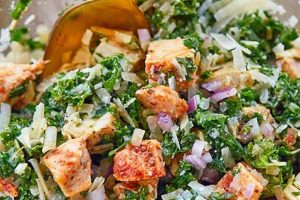
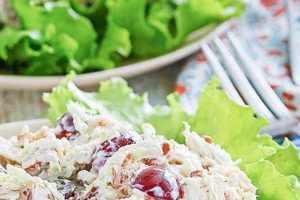
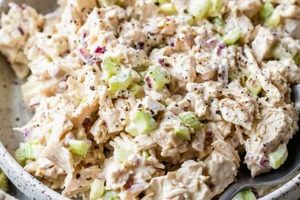
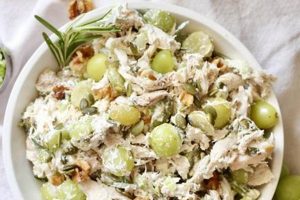
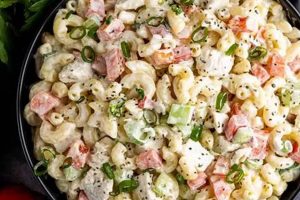
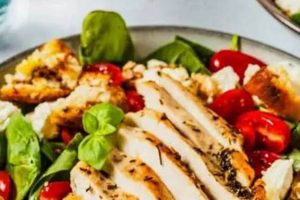
A simple yet satisfying dish, this classic combination of cooked chicken, hard-boiled eggs, and pickle relish, often bound with mayonnaise, offers a versatile and protein-rich meal. Variations may include ingredients such as celery, onion, grapes, or nuts, contributing to a wide range of textures and flavors. It can be enjoyed as a sandwich filling, a light lunch on its own, or served with crackers or lettuce cups.
This easily customizable dish is a popular choice for picnics, potlucks, and quick meals due to its ease of preparation and adaptable nature. Its relatively inexpensive ingredients and potential for using leftover chicken contribute to its practicality. Historically, similar combinations of ingredients have appeared in various cultures for centuries, demonstrating the enduring appeal of this type of dish. The modern iteration gained popularity in the United States in the mid-20th century, becoming a staple in delis and home kitchens.
The following sections will explore optimal methods for preparing this dish, including ingredient selection, preparation techniques, variations, and serving suggestions.
Tips for Preparing Chicken Salad with Eggs and Pickle Relish
Achieving optimal flavor and texture requires attention to detail throughout the preparation process. The following tips offer guidance for creating a superior chicken salad.
Tip 1: Chicken Selection and Preparation: Using high-quality, cooked chicken is paramount. Rotisserie chicken offers convenience, while poaching or baking chicken breasts allows for greater control over seasoning. Ensure the chicken is cooled and shredded or diced into bite-sized pieces.
Tip 2: Egg Cooking Technique: Properly cooked hard-boiled eggs are essential. Avoid overcooking, which can result in a rubbery texture and a green ring around the yolk. Cool the eggs rapidly in ice water after cooking to prevent further cooking and facilitate peeling.
Tip 3: Pickle Relish Selection: Sweet or dill pickle relish can be used, depending on preferred flavor profiles. Draining excess liquid from the relish prevents a watery salad.
Tip 4: Mayonnaise Choice: The quality of mayonnaise significantly impacts the overall flavor. Full-fat mayonnaise provides a richer, creamier texture, while light mayonnaise offers a lower-fat option. Consider using a combination of mayonnaise and plain yogurt or sour cream for a lighter, tangier flavor.
Tip 5: Enhancing Flavor and Texture: Finely diced celery and red onion add crispness and depth of flavor. Incorporating fresh herbs, such as chives or dill, elevates the overall taste. A touch of Dijon mustard or a dash of hot sauce can add complexity.
Tip 6: Seasoning Appropriately: Salt and freshly ground black pepper are essential seasonings. A pinch of paprika or celery seed can further enhance the flavor profile. Taste and adjust seasonings as needed.
Tip 7: Chilling and Serving: Chilling the salad for at least 30 minutes allows the flavors to meld. Serve the chicken salad on bread, crackers, lettuce cups, or as a standalone dish.
By following these tips, one can create a chicken salad that is both flavorful and texturally satisfying. Careful attention to ingredient selection and preparation techniques ensures a consistently delicious result.
The following section will conclude with variations and serving suggestions to further customize this versatile dish.
1. Ingredients

The foundation of a successful chicken salad rests upon the careful selection and balance of its ingredients. Each component contributes not only to the overall flavor profile but also to the texture and nutritional value of the final dish. Understanding the role of each ingredient allows for informed substitutions and personalized variations.
- Cooked Chicken:
The primary ingredient, cooked chicken, provides the substantial protein base. Various cooking methods, including roasting, poaching, or grilling, impart distinct flavors. The choice between white and dark meat also influences the final taste and texture, with white meat offering a leaner, milder flavor, while dark meat contributes richer, more intense notes. Using leftover chicken presents a practical and economical approach.
- Hard-Boiled Eggs:
Hard-boiled eggs introduce a creamy texture and contribute additional protein. Proper cooking ensures a firm yet tender yolk, avoiding the undesirable sulfurous odor and greenish ring that can result from overcooking. The eggs can be roughly chopped or mashed, depending on the desired texture.
- Pickle Relish:
Pickle relish provides the quintessential tangy and acidic element that balances the richness of the chicken and mayonnaise. Sweet pickle relish adds a touch of sweetness, while dill pickle relish offers a more herbaceous, savory note. The amount of relish used influences the overall tartness of the salad.
- Mayonnaise:
Mayonnaise binds the ingredients together and adds a creamy richness. Full-fat mayonnaise creates a classic, luxurious texture, while reduced-fat or light mayonnaise offer a lighter alternative. Greek yogurt or sour cream can also be incorporated to add tang and reduce overall fat content. The amount of mayonnaise influences the final consistency, from a creamy, spreadable salad to a chunkier, more substantial mixture.
The interplay of these core ingredients defines the character of the chicken salad. Supplemental ingredients, such as celery, onion, grapes, or nuts, offer further opportunities for customization, adding layers of flavor, texture, and visual appeal. The judicious selection and combination of these components ultimately determine the final quality and enjoyment of the dish.
2. Preparation
Proper preparation techniques are essential for achieving a chicken salad with optimal texture and flavor. While the ingredient selection lays the foundation, the preparation methods employed significantly influence the final product. From the cooking of the chicken and eggs to the chopping of vegetables and the blending of ingredients, each step contributes to the overall quality of the dish.
- Chicken Handling:
Whether using pre-cooked rotisserie chicken or preparing chicken specifically for the salad, the handling of the chicken is crucial. Overcooked, dry chicken will result in a less desirable final product. If cooking the chicken, methods like poaching or baking offer greater control over moisture retention. Once cooked, the chicken should be cooled completely before shredding or dicing to prevent the mayonnaise from melting and creating a watery salad. The size of the chicken pieces influences the overall texture; smaller pieces create a finer texture, while larger pieces offer a more substantial bite.
- Egg Cooking and Preparation:
Achieving perfectly cooked hard-boiled eggs requires precise timing and rapid cooling. Overcooked eggs develop a rubbery texture and an unpleasant sulfurous odor. Cooling the eggs quickly in ice water after cooking halts the cooking process and makes peeling easier. Once peeled, the eggs can be chopped, diced, or mashed, depending on the desired texture in the finished salad.
- Ingredient Incorporation:
The order in which ingredients are combined can impact the final result. Generally, the mayonnaise should be added gradually to the combined chicken, eggs, and vegetables, allowing for adjustments to the consistency. Overmixing can lead to a mushy texture, while undermixing can result in uneven distribution of flavors and a less cohesive salad.
- Chilling and Resting:
After preparation, chilling the chicken salad for at least 30 minutes allows the flavors to meld and develop fully. This chilling period also firms the salad, making it easier to handle for sandwich preparation or other serving methods.
Careful attention to these preparation steps ensures a chicken salad that is not only flavorful but also visually appealing and texturally satisfying. The combination of properly prepared ingredients elevates the dish from a simple mixture to a culinary creation.
3. Texture

Texture plays a crucial role in the overall enjoyment of chicken salad. The interplay of various textures creates a more engaging and satisfying culinary experience. Balancing contrasting textures, such as creamy, crunchy, and smooth, elevates the dish beyond a simple combination of ingredients.
- Chicken Texture:
The texture of the chicken itself forms the foundation of the salad’s overall texture. Shredded chicken provides a finer, more delicate texture, while diced chicken offers a more substantial, chunkier mouthfeel. Overcooked chicken can become dry and stringy, negatively impacting the final product. Properly cooked chicken, whether roasted, poached, or grilled, contributes a desirable tenderness.
- Egg Contribution:
The addition of hard-boiled eggs introduces a creamy, slightly firm texture that contrasts with the chicken. Overcooked eggs can become rubbery and detract from the overall experience. Properly cooked eggs, with their firm yet yielding texture, contribute a pleasant contrast to the other ingredients.
- Vegetable Influence:
Incorporating vegetables like celery and onion adds a crisp, crunchy element that complements the softer textures of the chicken and eggs. The size of the vegetable pieces influences the intensity of the crunch; finely diced vegetables provide a subtle crispness, while larger pieces offer a more pronounced crunch.
- Mayonnaise and Binder Role:
Mayonnaise acts as the binding agent, contributing a creamy, smooth texture that coats the other ingredients. The amount of mayonnaise used influences the overall consistency of the salad. Too much mayonnaise can result in a overly creamy, heavy texture, while too little can create a dry, crumbly salad. Balancing the mayonnaise with other ingredients, such as yogurt or sour cream, can adjust the creaminess and overall texture.
The careful consideration of these textural elements ensures a well-balanced and enjoyable chicken salad experience. The interplay of textures creates a dynamic and satisfying dish that goes beyond simply satisfying hunger, offering a more complex and rewarding culinary experience.
4. Flavor Balance
Flavor balance is paramount in a successful chicken salad recipe with eggs and pickle relish. The interplay of savory, tangy, creamy, and salty elements determines the overall palatability. A harmonious blend of these flavors creates a more complex and satisfying culinary experience. Without proper balance, the dish can become bland, overly acidic, or excessively rich.
The savory base of chicken establishes a foundation upon which other flavors build. Hard-boiled eggs contribute a subtle richness and a mild sulfurous note, which, when balanced correctly, adds depth. Pickle relish introduces the crucial element of acidity, cutting through the richness of the mayonnaise and chicken. The type of relish, whether sweet or dill, further influences the flavor profile. Mayonnaise adds a creamy richness and helps bind the ingredients, but its inherent fattiness necessitates careful balancing with other flavors. Seasoning with salt and pepper enhances existing flavors and creates a cohesive flavor profile. The interplay of these components creates a dynamic and nuanced flavor profile.
Consider a chicken salad made with an excess of sweet pickle relish. The sweetness can overpower the other flavors, resulting in a cloying dish. Conversely, insufficient relish might leave the salad bland and lacking in acidity. A well-balanced chicken salad exhibits a harmonious blend where no single flavor dominates. For example, the richness of the mayonnaise complements the tanginess of the relish, while the savory chicken provides a grounding element. Adding ingredients such as celery or onion introduces a contrasting crispness and subtle vegetal flavors, further enhancing complexity.
Understanding flavor balance allows for informed adjustments and recipe customization. Recognizing the impact of each ingredient on the overall flavor profile empowers one to create a chicken salad tailored to individual preferences. The practical significance of this understanding lies in the ability to consistently create a delicious and well-balanced dish that satisfies the palate and provides a genuinely enjoyable culinary experience.
5. Serving Options

The versatility of chicken salad with eggs and pickle relish extends beyond its preparation to its presentation. Serving options significantly influence the overall dining experience, transforming this simple dish into a variety of culinary creations suitable for casual meals, elegant gatherings, or convenient snacks. The chosen serving method can complement the flavors and textures of the salad, elevating it from a basic staple to a more sophisticated and enjoyable culinary offering.
- Classic Sandwiches:
Serving chicken salad between slices of bread remains a timeless and popular choice. The bread acts as a neutral canvas, allowing the flavors of the salad to shine. Various bread types, from simple white bread to crusty sourdough or whole wheat, offer textural variations that complement the creamy salad. Adding lettuce, tomato, or other greens introduces contrasting textures and flavors, enhancing the sandwich experience.
- Lettuce Wraps:
For a lighter, low-carbohydrate option, lettuce wraps provide a refreshing and crisp alternative to bread. Large lettuce leaves, such as butter lettuce or romaine hearts, form convenient cups to hold the chicken salad. The crispness of the lettuce contrasts beautifully with the creamy filling, offering a lighter and more texturally dynamic experience. This serving style also adds an element of freshness and visual appeal.
- Crackers and Crostini:
Serving chicken salad with crackers or crostini provides a more elegant and versatile approach, particularly suitable for appetizers or parties. The crisp, crunchy texture of crackers or toasted baguette slices complements the creamy salad, creating a delightful textural contrast. This serving style also allows for portion control and easy customization, making it ideal for entertaining.
- Salads and Bowls:
Incorporating chicken salad into a larger salad or bowl transforms it into a complete and balanced meal. A bed of mixed greens, topped with chicken salad, offers a refreshing and nutritious option. Adding other vegetables, such as cucumbers, tomatoes, or bell peppers, further enhances the nutritional value and textural complexity. Grains like quinoa or farro can be included to add heartiness and create a more substantial meal.
The choice of serving method ultimately depends on the occasion and personal preferences. Whether enjoyed as a simple sandwich, a light lettuce wrap, an elegant appetizer, or a component of a larger salad, the adaptability of chicken salad with eggs and pickle relish allows for a diverse range of culinary expressions. This inherent versatility contributes to its enduring popularity and its continued presence in both casual and more formal dining settings.
Frequently Asked Questions
This section addresses common inquiries regarding chicken salad preparation, offering practical guidance for achieving optimal results and addressing potential concerns.
Question 1: How long can chicken salad with eggs and pickle relish be stored safely?
Properly stored in an airtight container in the refrigerator, this salad typically remains safe for consumption for three to five days. However, quality may begin to degrade after the third day.
Question 2: Can this recipe be adapted for individuals with dietary restrictions?
Adaptations for various dietary needs are readily achievable. Using Greek yogurt in place of mayonnaise reduces fat content. Gluten-free bread or crackers accommodate gluten sensitivities. Omitting celery or onion addresses specific allergen concerns.
Question 3: What signs indicate spoilage?
Discard the salad if a sour odor develops, the texture becomes slimy, or mold appears. Changes in color or a noticeable off-flavor also warrant discarding.
Question 4: Can frozen chicken be used in this recipe?
While not ideal, frozen chicken can be used. Ensure it is fully thawed and cooked thoroughly before incorporating it into the salad. Proper thawing prevents bacterial growth and ensures food safety.
Question 5: What causes a watery chicken salad?
Excess liquid from ingredients like pickle relish, or insufficiently drained canned chicken, often contributes to a watery consistency. Using high-quality mayonnaise and ensuring all ingredients are well-drained can prevent this issue.
Question 6: How can flavor intensity be adjusted?
Adjusting the amount of pickle relish, spices, and herbs allows for flavor customization. Adding a dash of hot sauce introduces heat, while incorporating fresh herbs enhances aromatic complexity. Taste testing throughout the preparation process allows for precise flavor adjustments.
Understanding these common points of concern helps ensure both the safety and enjoyment of this versatile dish.
Further exploration of chicken salad variations and nutritional information follows.
Chicken Salad Recipe with Eggs and Pickle Relish
This exploration of chicken salad with eggs and pickle relish has provided a comprehensive overview of this classic dish. From ingredient selection and preparation techniques to flavor balance and serving suggestions, the various facets contributing to a successful outcome have been examined. Emphasis has been placed on the importance of quality ingredients, proper handling techniques, and the nuanced interplay of flavors and textures. The adaptability of this dish, allowing for both simplicity and complexity, has been highlighted through various serving suggestions and potential modifications.
Chicken salad, often perceived as a simple dish, offers a canvas for culinary creativity. Understanding the foundational elements empowers individuals to elevate this classic recipe beyond the ordinary. Whether adhering to traditional preparations or exploring innovative variations, attention to detail and an appreciation for the delicate balance of flavors and textures will undoubtedly yield a rewarding culinary experience.