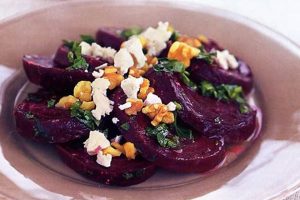
A vibrant and nutritious dish featuring two root vegetables, typically shredded or grated, combined with complementary ingredients. Variations often include acidic elements like vinegar or citrus juice, nuts or seeds for texture, and herbs for added flavor. A simple example might include grated carrots and beets, tossed with lemon juice, olive oil, and chopped walnuts.
Such salads offer a rich source of vitamins, minerals, and antioxidants. Beets contribute nitrates, which can support cardiovascular health, while carrots provide beta-carotene, essential for eye health. Their earthy sweetness and vibrant colors make them an appealing addition to any meal. While specific origins are difficult to pinpoint, the combination likely gained popularity with the increased availability of affordable root vegetables and the rise of health-conscious cuisine.
This discussion will further explore various preparation methods, ingredient combinations, and nutritional benefits associated with such culinary creations. It will also address suitable accompaniments and variations to cater to diverse palates and dietary needs.
Tips for Crafting Exceptional Beet and Carrot Salads
Achieving optimal flavor and texture requires attention to detail throughout the preparation process. The following tips offer guidance for creating a delightful culinary experience.
Tip 1: Select Fresh, High-Quality Produce: Choose firm, unblemished beets and carrots. Look for vibrant colors and avoid roots with soft spots or signs of decay. The freshest ingredients contribute the best flavor and texture to the final dish.
Tip 2: Balance Sweetness and Acidity: The earthy sweetness of beets and carrots benefits from a counterpoint of acidity. Lemon juice, vinegar (such as apple cider or red wine vinegar), or even a touch of orange zest can brighten the flavors and create a more balanced profile.
Tip 3: Consider Texture: Grating, shredding, or thinly slicing the vegetables offers different textural experiences. Experiment to find a preferred consistency. Adding nuts, seeds, or dried fruit can introduce further textural complexity.
Tip 4: Enhance with Herbs and Spices: Fresh herbs like dill, parsley, or mint complement the earthy flavors. A pinch of ground cumin, coriander, or ginger can add depth and warmth.
Tip 5: Don’t Overdress: Add dressing gradually, tasting as you go, to avoid a soggy salad. A light coating allows the natural flavors of the vegetables to shine through.
Tip 6: Time the Dressing Wisely: If using a dressing containing acidic ingredients, it’s best to dress the salad just before serving to prevent the vegetables from becoming overly saturated and losing their vibrant color.
Tip 7: Explore Flavor Combinations: Consider incorporating complementary ingredients such as crumbled feta cheese, toasted walnuts, or segments of orange. These additions can elevate the salad to a more complex and satisfying dish.
By following these tips, one can create a beet and carrot salad that is not only visually appealing but also delivers a harmonious balance of flavors and textures.
These culinary insights provide a foundation for crafting delightful and nutritious salads. Further exploration into specific recipes and variations will broaden understanding and inspire culinary creativity.
1. Ingredient Quality

Ingredient quality stands as a cornerstone of successful beet and carrot salads. The inherent flavors and textures of these root vegetables significantly influence the final dish. Selecting and handling produce with care ensures optimal taste and nutritional value.
- Freshness
Freshly harvested beets and carrots possess a crisp texture and vibrant flavor lacking in older produce. Look for firm roots free from blemishes or soft spots. Freshness maximizes the nutritional content and contributes to a more appealing final product. A salad made with wilted or aged vegetables will lack the desired vibrancy and may have an unpleasant texture.
- Sourcing
Whenever possible, sourcing beets and carrots from local farmers’ markets or reputable grocers can enhance both flavor and freshness. Locally sourced produce often travels shorter distances, resulting in less time in storage and a higher likelihood of peak ripeness. Supporting local agriculture also promotes sustainable practices.
- Organic Practices
Opting for organically grown beets and carrots can minimize exposure to synthetic pesticides and fertilizers. While not always readily available, organic produce aligns with health-conscious preferences. The impact of organic practices on flavor is debated, but the reduced chemical load is a key consideration for many.
- Proper Storage
Even the freshest produce deteriorates if not stored correctly. Beets and carrots should be stored in a cool, dark environment, ideally in the refrigerator. Removing the greens before storage helps retain moisture and nutrients in the roots. Proper storage extends shelf life and maintains optimal quality for culinary use.
Prioritizing these facets of ingredient quality elevates the beet and carrot salad from a simple dish to a culinary experience that showcases the natural flavors and textures of these versatile root vegetables. Attention to detail from farm to table ensures a salad that is both nutritious and delicious.
2. Flavor Balance

Flavor balance constitutes a critical aspect of successful beet and carrot salads. The inherent sweetness of these root vegetables necessitates careful consideration of counterbalancing elements to prevent an overly saccharine profile. A harmonious blend of flavors elevates the salad beyond a simple combination of ingredients, transforming it into a more complex and satisfying culinary experience. Acidity, saltiness, bitterness, and umami can all play roles in achieving this equilibrium.
Acidity, often introduced through vinegar or citrus juice, provides the primary counterpoint to the sweetness of beets and carrots. A vinaigrette with lemon juice or apple cider vinegar, for example, brightens the flavor profile and prevents the salad from tasting too sweet. The sharpness of the acid also helps to cut through the earthiness of the roots, adding another layer of complexity. Salt, a fundamental seasoning, enhances the natural sweetness while also balancing the acidity. A pinch of sea salt or kosher salt can make a noticeable difference in overall flavor perception. Incorporating bitter elements, such as arugula or radicchio, can further enhance the balance. These bitter notes offer a contrasting flavor that complements the sweetness and acidity. Umami, a savory taste often associated with mushrooms or aged cheese, can add depth and richness. Crumbled feta cheese or a sprinkle of toasted sesame seeds introduces umami notes that round out the flavor profile.
A well-balanced beet and carrot salad exhibits a harmonious interplay of sweet, acidic, salty, and potentially bitter or umami notes. Understanding this interplay allows for informed ingredient choices and precise adjustments to achieve the desired flavor profile. Failure to achieve this balance can result in a one-dimensional salad that lacks complexity and depth. Careful consideration of these elements elevates the salad from a simple side dish to a culinary creation that showcases the versatility and potential of these root vegetables.
3. Textural Variation

Textural variation plays a crucial role in the overall enjoyment of a carrot beetroot salad. A monotonous texture can detract from the experience, while a variety of textures creates a more dynamic and engaging culinary encounter. Manipulating the forms of the core ingredients and incorporating complementary elements enhances the sensory experience and adds complexity to each bite.
- Preparation Methods
The way carrots and beets are prepared significantly impacts the final texture. Grating produces a fine texture, suitable for incorporating into slaws or as a base for dressings. Shredding creates longer, more substantial pieces, offering a more pronounced chew. Thinly slicing or julienning yields elegant, delicate pieces, while dicing results in more substantial, bite-sized pieces. Each method offers a unique textural contribution, allowing for customization based on personal preference.
- Complementary Ingredients
Introducing complementary ingredients expands textural possibilities. Nuts, such as toasted walnuts or pecans, add crunch and richness. Seeds, like sunflower or pumpkin seeds, provide a delicate crispness. Dried fruits, such as cranberries or raisins, offer a chewy counterpoint. These additions create a multi-dimensional textural experience that enhances the overall enjoyment.
- Raw vs. Cooked
The choice between raw and cooked vegetables also influences texture. Raw carrots and beets retain a crisp, crunchy texture. Roasting or steaming softens the vegetables, resulting in a more tender consistency. Combining raw and cooked elements within the same salad can create an intriguing contrast.
- Dressing Considerations
The dressing itself contributes to textural perception. A light vinaigrette maintains the crispness of raw vegetables, while a creamy dressing can coat and soften the ingredients. The viscosity and cling of the dressing influence how the salad feels in the mouth, adding another layer to the textural experience.
By thoughtfully considering these aspects of textural variation, a carrot beetroot salad transforms from a simple combination of ingredients into a dynamic culinary creation. The interplay of textures elevates the eating experience, offering a more complex and satisfying sensory journey. This attention to detail allows the inherent flavors of the vegetables to shine while simultaneously providing a more engaging encounter with each bite.
4. Dressing Choice

Dressing choice significantly impacts the overall flavor profile and enjoyment of a carrot beetroot salad. The inherent sweetness of beets and carrots necessitates a dressing that complements rather than overwhelms these flavors. A well-chosen dressing enhances the natural sweetness while adding depth and complexity. An overly sweet or heavy dressing can mask the delicate flavors of the vegetables, resulting in an unbalanced and less satisfying dish. Conversely, a dressing that is too acidic or lacking in richness may not harmonize with the earthy sweetness of the roots.
Several factors influence dressing selection. The desired flavor profile plays a crucial role. A light vinaigrette with lemon juice or apple cider vinegar offers a bright, tangy counterpoint to the sweetness of the vegetables. This classic combination highlights the natural flavors while adding a refreshing element. For a richer, more savory profile, a tahini-based dressing or one incorporating yogurt or buttermilk provides creaminess and depth. These dressings complement the earthy notes of the beets and carrots, creating a more complex flavor profile. The choice also depends on the other ingredients included in the salad. For example, a salad with toasted nuts and crumbled goat cheese might pair well with a balsamic vinaigrette, while a salad with fresh herbs and citrus segments might benefit from a lighter citrus vinaigrette. Consider a simple vinaigrette with olive oil, lemon juice, and Dijon mustard for a classic approach. For a creamier option, a yogurt-based dressing with dill and lemon zest provides a refreshing contrast. These practical examples demonstrate the versatility of dressing choices.
Understanding the interplay between dressing and ingredients allows for informed decision-making. A well-chosen dressing elevates the carrot beetroot salad, transforming it from a simple combination of ingredients into a harmonious and flavorful dish. Careful consideration of flavor profiles, complementary ingredients, and desired textures ensures a dressing choice that enhances the overall culinary experience. This mindful approach allows the natural flavors of the root vegetables to shine while simultaneously adding depth and complexity.
5. Presentation
Presentation significantly influences the perceived value and enjoyment of a carrot beetroot salad. While flavor and texture remain paramount, visual appeal enhances the dining experience. Thoughtful presentation elevates the dish from a simple side to a visually engaging culinary creation. This applies whether preparing the salad for a casual weeknight meal or a more formal occasion. Careful consideration of color, arrangement, and serving style transforms the salad into an aesthetically pleasing element of the meal.
- Color Contrast
The vibrant hues of beets and carrots offer a natural starting point for an appealing presentation. Enhancing these colors with contrasting elements creates visual interest. Consider incorporating deep green spinach, bright orange segments of citrus fruit, or the creamy white of crumbled feta cheese. These additions create a visually dynamic composition that stimulates appetite.
- Arrangement Techniques
Moving beyond simply tossing ingredients together, strategic arrangement enhances visual appeal. Consider layering ingredients to create height and dimension. Arranging elements in a circular pattern on a platter draws the eye inward. Using a cookie cutter to shape the salad adds a touch of whimsy. These techniques transform a mundane salad into a visually captivating centerpiece.
- Serving Vessels
The choice of serving vessel further influences presentation. A shallow bowl allows for an expansive display of colors and textures. Individual ramekins create a sense of elegance and portion control. Serving the salad on a bed of greens adds freshness and visual appeal. Matching the serving vessel to the occasion further enhances the overall dining experience.
- Garnishes and Finishing Touches
A simple garnish elevates the presentation. A sprinkle of chopped fresh herbs adds a pop of color and freshness. A drizzle of balsamic glaze adds a touch of elegance. Toasted nuts or seeds provide textural and visual contrast. These finishing touches complete the presentation, adding a final layer of refinement.
Thoughtful presentation transforms the carrot beetroot salad into a visually compelling dish that enhances the overall dining experience. By considering color contrast, arrangement techniques, serving vessels, and garnishes, one elevates the salad from a simple side to a culinary creation that engages multiple senses. This attention to detail demonstrates care and consideration, transforming a simple salad into a memorable part of the meal.
Frequently Asked Questions
This section addresses common inquiries regarding the preparation and enjoyment of beet and carrot salads, offering practical guidance for achieving optimal results.
Question 1: How can one prevent beets from staining other ingredients?
Handling beets separately during initial preparation minimizes staining. Adding a small amount of acid, such as vinegar or lemon juice, to the salad also helps maintain color integrity.
Question 2: What are optimal storage practices for prepared beet and carrot salads?
Storing the salad in an airtight container in the refrigerator maintains freshness for up to three days. It is advisable to store the dressing separately and add it just before serving to preserve texture.
Question 3: Can other root vegetables be incorporated into these salads?
Certainly. Parsnips, turnips, or celeriac complement the flavors of beets and carrots, adding depth and complexity to the salad.
Question 4: What are suitable alternatives to raw beets for individuals who dislike their earthy flavor?
Roasting beets mellows their earthy flavor, resulting in a sweeter, more nuanced taste. Pickled beets offer a tangy alternative that may appeal to those who prefer a less earthy profile.
Question 5: How can nutritional value be maximized in beet and carrot salads?
Consuming a variety of colors in vegetables maximizes nutrient intake. Adding leafy greens, such as spinach or kale, boosts vitamin and mineral content. Including a source of healthy fats, such as nuts, seeds, or avocado, improves the absorption of fat-soluble vitamins.
Question 6: Can these salads be adapted to accommodate dietary restrictions, such as gluten-free or vegan diets?
Absolutely. These salads are naturally gluten-free. For vegan variations, ensure the dressing does not contain animal products such as honey or dairy. Maple syrup or agave nectar offers suitable vegan alternatives to honey.
Understanding these frequently asked questions empowers individuals to create and enjoy beet and carrot salads that meet their individual preferences and dietary needs. Attention to detail, from ingredient selection to presentation, ensures a satisfying culinary experience.
The following section will explore specific recipe variations, catering to diverse palates and culinary preferences. These examples will provide practical guidance for incorporating the principles discussed into delicious and nutritious salads.
Carrot Beetroot Salad Recipe
Exploration of carrot beetroot salad recipes reveals a versatile culinary canvas. Emphasis on ingredient quality, flavor balance, textural variation, dressing selection, and presentation elevates this simple combination of root vegetables into a dynamic and satisfying dish. From the bright acidity of vinaigrettes to the creamy richness of tahini-based dressings, the potential for flavor combinations is vast. Attention to texture, achieved through varied cutting techniques and the incorporation of complementary ingredients, further enhances the sensory experience.
Culinary creativity thrives within the framework of a well-composed carrot beetroot salad recipe. Opportunities for personalized variations, tailored to individual preferences and dietary needs, are abundant. Continued exploration of flavor profiles, textures, and presentations promises an evolving culinary landscape for this vibrant and nutritious dish. The adaptability of this salad ensures its enduring appeal, offering a refreshing and healthful addition to any meal.