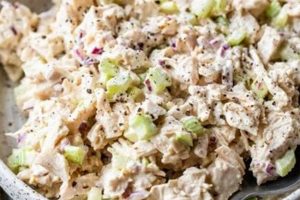
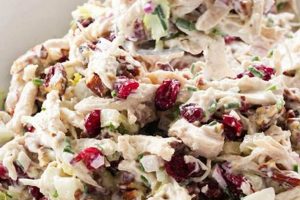
Combining convenience with flavor, this dish utilizes readily available canned chicken as its protein base. A simple blend of mayonnaise, seasonings, and the sweetness of fresh grapes creates a refreshing and satisfying salad. For example, one might include celery, onion, and pecans for added texture and complexity.
This approach offers a quick and budget-friendly meal option, ideal for lunches, picnics, or light dinners. The use of canned chicken eliminates cooking time, while the addition of grapes introduces a burst of natural sweetness and appealing visual contrast. Historically, chicken salad has been a popular dish for its versatility and adaptability, and the incorporation of fruit, like grapes, adds a modern twist.
This exploration will delve into variations on this theme, including ingredient selections, preparation techniques, and serving suggestions to maximize flavor and presentation.
Tips for Elevating Canned Chicken Salad with Grapes
Optimizing ingredient selection and preparation techniques enhances the flavor profile and overall quality of this convenient dish.
Tip 1: Drain the chicken thoroughly. Excess liquid from the can will dilute the salad’s flavor and create a watery consistency. Pressing the chicken gently with a paper towel removes excess moisture.
Tip 2: Select high-quality canned chicken. Choosing chicken packed in water rather than oil offers a cleaner flavor profile and allows for better control over the salad’s fat content.
Tip 3: Dice ingredients uniformly. Consistent sizing ensures even distribution of flavors and creates a more appealing texture. This applies to the chicken, grapes, and any other added ingredients.
Tip 4: Balance sweetness and acidity. The sweetness of the grapes can be complemented by a touch of acidity. A squeeze of lemon juice or a dash of apple cider vinegar enhances the overall flavor profile.
Tip 5: Season thoughtfully. Freshly ground black pepper, a pinch of salt, and herbs like dill or chives complement the other flavors without overpowering them.
Tip 6: Chill before serving. Chilling allows the flavors to meld and enhances the refreshing quality of the salad. A minimum of 30 minutes in the refrigerator is recommended.
Tip 7: Explore textural variety. Toasted nuts, chopped celery, or finely diced red onion add textural contrast and complexity to the salad.
By following these tips, one can transform a simple canned chicken salad into a flavorful and satisfying meal.
These practical suggestions provide a foundation for crafting a delicious and personalized chicken salad experience.
1. Canned Chicken

Canned chicken serves as the foundational ingredient in a canned chicken salad recipe with grapes. Its availability and ease of use contribute significantly to the recipe’s convenience. Without canned chicken, the dish transforms into a different entity, requiring fresh chicken preparation. This shift impacts preparation time and potentially alters the final flavor profile. For example, using roasted chicken versus boiled chicken would impart distinct nuances to the salad. The reliance on canned chicken establishes the recipe’s character as a quick, readily assembled dish, suitable for impromptu meals or situations where fresh poultry preparation is impractical.
The quality of canned chicken directly influences the final product. Opting for varieties packed in water versus oil impacts the salad’s overall fat content and flavor. Additionally, the texture of the canned chicken contributes to the final salad’s consistency. A firm, chunkier canned chicken creates a more substantial salad compared to finely shredded options. Understanding these nuances allows for tailoring the recipe to specific dietary preferences or desired textural outcomes. For instance, using premium canned chicken with larger chunks results in a more visually appealing and texturally satisfying salad.
Canned chicken’s role in this recipe extends beyond mere convenience. It establishes the dish’s identity as an accessible and easily adaptable culinary creation. Recognizing this connection facilitates informed ingredient selection and enhances recipe customization. While substitutions, such as rotisserie or leftover cooked chicken, are possible, they fundamentally alter the recipe’s inherent nature as a quick and convenient option. The choice of canned chicken underscores the dish’s practicality, particularly in time-constrained scenarios or when access to fresh ingredients is limited.
2. Mayonnaise

Mayonnaise plays a crucial binding role in canned chicken salad with grapes, influencing texture, flavor, and overall quality. It provides the creamy matrix that unites the disparate ingredients, transforming individual components into a cohesive culinary experience. The type and quantity of mayonnaise significantly impact the final product, affecting both its richness and its ability to hold its form.
- Binding Agent
Mayonnaise emulsifies the ingredients, holding them together and creating a smooth, creamy consistency. This prevents the salad from becoming dry and crumbly, ensuring a pleasant textural experience. Without sufficient mayonnaise, the salad becomes loose and disjointed. Conversely, excessive mayonnaise results in an overly rich, heavy mixture. The ideal balance creates a salad that holds its shape yet remains light and palatable.
- Flavor Enhancer
Beyond its textural contribution, mayonnaise adds a subtle tangy flavor that complements the chicken and grapes. The specific type of mayonnaise further influences the flavor profile. For example, plain mayonnaise provides a neutral backdrop, while flavored varieties, such as olive oil or Dijon mayonnaise, introduce additional complexity. The choice of mayonnaise allows for customization, aligning the flavor profile with individual preferences.
- Moisture Content
Mayonnaise contributes to the salad’s moisture content, preventing dryness and enhancing palatability. This is particularly important when using canned chicken, which can sometimes be dry. The mayonnaise compensates for this, ensuring a moist and flavorful salad. However, the moisture content must be carefully balanced to avoid a watery consistency. Thoroughly draining the canned chicken helps prevent excess moisture.
- Visual Appeal
Mayonnaise contributes to the salad’s visual appeal, creating a glossy, creamy appearance. This enhances the presentation, making the salad more appetizing. The smooth, homogenous texture provided by the mayonnaise contrasts with the individual ingredients, creating visual interest. A well-mixed salad with evenly distributed mayonnaise presents a more polished and appealing final dish.
The careful selection and application of mayonnaise are essential for a successful canned chicken salad with grapes. Its role extends beyond simply binding ingredients together; it contributes significantly to the salad’s flavor, texture, and overall aesthetic. Balancing these elements through appropriate mayonnaise selection and measured incorporation creates a harmonious and enjoyable culinary experience. This balance differentiates a simple mixture from a well-crafted salad, elevating a convenient dish into a satisfying meal.
3. Grapes

Grapes contribute a multifaceted dimension to canned chicken salad, extending beyond mere sweetness. Their inclusion introduces textural contrast, visual appeal, and a nuanced flavor profile that elevates the dish from simple to complex. The choice of grape variety further influences these attributes. Green grapes offer a crisp, tart counterpoint to the richness of the mayonnaise, while red grapes provide a burst of sweetness and vibrant color. Seedless varieties are generally preferred for ease of consumption. For example, incorporating a mix of red and green grapes provides both visual and flavor complexity.
The interplay between grapes and other ingredients is crucial. Their sweetness balances the savory notes of the chicken and any added spices or herbs. This balance prevents the salad from becoming overly rich or bland. Furthermore, the grapes’ juiciness contributes to the salad’s overall moisture content, enhancing palatability. This is particularly relevant when using canned chicken, which can sometimes be dry. The grapes compensate for this, creating a more enjoyable textural experience. Consider, for instance, how the sweetness of grapes complements the sharpness of Dijon mustard in a chicken salad.
Understanding the impact of grapes on canned chicken salad allows for strategic ingredient selection and recipe customization. Balancing sweetness, texture, and visual appeal through careful grape selection elevates the dish. The practical application of this knowledge transforms a basic recipe into a nuanced culinary creation. Challenges may include preventing the grapes from releasing excess moisture, which can be mitigated by adding them just before serving. Ultimately, the strategic inclusion of grapes contributes significantly to the overall success and enjoyment of canned chicken salad.
4. Seasoning
Seasoning is essential for elevating canned chicken salad with grapes from bland to flavorful. It provides depth, complexity, and balance, transforming simple ingredients into a cohesive and satisfying dish. The careful selection and application of seasonings can drastically alter the final product, creating diverse flavor profiles ranging from classic to innovative. For example, a traditional approach might incorporate salt, black pepper, and celery seed, while a more adventurous recipe could include curry powder, smoked paprika, or dried herbs like dill or tarragon. The interaction between seasonings and the inherent sweetness of the grapes is crucial, creating a balanced flavor profile.
The effectiveness of seasoning hinges on understanding the interplay of individual components. Salt enhances existing flavors and acts as a foundation for other seasonings. Pepper adds a subtle heat and complexity. Herbs and spices introduce distinct aromatic notes and can dramatically shift the overall flavor profile. The quantity of seasoning used also plays a critical role. Too little seasoning results in a bland salad, while excessive seasoning can overpower the delicate flavors of the chicken and grapes. Consider the balance achieved by using a pinch of smoked paprika to complement the sweetness of grapes without overwhelming the palate. The freshness of the seasonings is also paramount. Freshly ground black pepper offers a more vibrant flavor than pre-ground pepper, and fresh herbs provide a brighter, more nuanced aroma than dried counterparts.
Mastery of seasoning allows for significant recipe customization and elevates the canned chicken salad experience. Understanding the impact of different seasonings and their interaction with other ingredients enables informed choices tailored to individual preferences. Challenges can include balancing the intensity of certain spices with the sweetness of grapes, requiring careful measurement and tasting throughout the preparation process. This knowledge facilitates the creation of a well-balanced and flavorful dish that transcends the limitations of its convenient ingredients, transforming a simple canned chicken salad into a culinary delight. Ultimately, thoughtful seasoning elevates this humble dish into a satisfying and memorable meal.
5. Preparation Method
The preparation method significantly influences the final quality and enjoyment of canned chicken salad with grapes. While seemingly straightforward, careful attention to technique ensures optimal flavor development, texture, and overall presentation. A systematic approach, from ingredient preparation to final assembly, elevates this simple dish. Overlooking key steps can result in a subpar salad, highlighting the importance of understanding the nuances of the preparation process.
- Ingredient Preparation
Proper ingredient preparation is paramount. Thoroughly draining the canned chicken removes excess liquid, preventing a watery salad. Consistent dicing of ingredients, including grapes, celery, or onion, ensures even flavor distribution and enhances visual appeal. For example, neglecting to drain the chicken adequately can dilute the mayonnaise base, compromising the salad’s overall texture and flavor. Similarly, unevenly chopped ingredients can lead to an unbalanced and less aesthetically pleasing final product. Attention to these foundational steps establishes a solid base for a successful salad.
- Combining Ingredients
The order and method of combining ingredients impact the final result. Gently folding the ingredients together prevents overmixing, which can toughen the chicken and break down the grapes. Adding the grapes towards the end of the mixing process helps maintain their integrity and prevents them from releasing excess moisture. For instance, aggressively stirring the salad can result in a mushy texture, while incorporating the grapes too early can lead to a watery consistency. A delicate approach preserves the individual components’ textures and flavors, creating a more harmonious salad.
- Chilling and Resting
Chilling the prepared salad allows the flavors to meld and enhances the overall experience. A minimum of 30 minutes in the refrigerator allows the ingredients to harmonize, creating a more cohesive flavor profile. This chilling period also firms the salad, making it easier to handle and serve. For example, serving the salad immediately after preparation may result in a less developed flavor profile and a looser consistency. The chilling process is crucial for optimizing both flavor and texture.
- Presentation and Serving
Thoughtful presentation elevates the dining experience. Serving the salad on crisp lettuce cups, crackers, or croissants adds textural contrast and visual appeal. Garnishing with fresh herbs or a sprinkle of paprika enhances the presentation further. For instance, serving the salad in a plain bowl may detract from its visual appeal, while a considered presentation adds an element of sophistication. The way the salad is served contributes significantly to its overall enjoyment.
Each stage of the preparation method plays a vital role in the final quality of canned chicken salad with grapes. From meticulous ingredient preparation to mindful presentation, attention to detail elevates this convenient dish. By understanding and applying these techniques, one can transform simple ingredients into a flavorful and satisfying culinary experience. Ultimately, the preparation method is the bridge between ingredients and enjoyment, demonstrating that even simple dishes benefit from careful execution.
6. Serving Suggestions
Serving suggestions transform canned chicken salad with grapes from a simple mixture into a versatile culinary component. Consideration of presentation and accompanying elements elevates the dining experience, expanding possibilities beyond a basic meal. Strategic serving suggestions enhance the salad’s appeal and demonstrate its adaptability to various contexts, from casual lunches to more formal gatherings.
- Bread and Crackers
Serving canned chicken salad with bread or crackers provides a classic and convenient option. The choice of bread influences the overall experience. Crusty bread offers textural contrast, while croissants provide a richer, flakier alternative. Crackers, ranging from plain saltines to multigrain varieties, offer a crisp, versatile base. For example, serving the salad on whole-wheat crackers adds a nutritional element, while using mini croissants creates an elegant appetizer. The selection of bread or crackers complements the salad’s flavors and textures, enhancing its versatility.
- Lettuce Cups and Vegetables
Utilizing lettuce cups or raw vegetables as vessels for canned chicken salad offers a lighter, fresher presentation. Lettuce cups, such as butter lettuce or romaine hearts, provide a crisp, refreshing counterpoint to the creamy salad. Vegetables like cucumber slices, bell pepper halves, or celery sticks offer a crunchy, low-carbohydrate alternative. For instance, serving the salad in endive spears adds a touch of bitterness, while using bell pepper halves creates a colorful and visually appealing presentation. This approach caters to health-conscious preferences and provides a refreshing alternative to traditional bread-based options.
- Sandwiches and Wraps
Incorporating canned chicken salad into sandwiches or wraps expands its versatility. Classic sandwich bread, wraps, or pita pockets provide a convenient and portable meal option. Adding complementary ingredients like lettuce, tomato, and onion enhances the flavor and textural complexity. For example, a chicken salad sandwich on toasted rye bread with crisp lettuce and tomato offers a satisfying and familiar meal. Alternatively, using spinach wraps adds a nutritional boost and a vibrant color contrast. This adaptability makes canned chicken salad a practical and customizable ingredient for various meal occasions.
- Salads and Bowls
Utilizing canned chicken salad as a component within larger salads or grain bowls offers a creative and nutritious option. Incorporating the salad into a bed of mixed greens with other vegetables and a light vinaigrette creates a balanced and refreshing meal. Adding the salad to a grain bowl with quinoa, rice, or farro provides a more substantial and complete meal. For example, combining the chicken salad with a quinoa bowl featuring roasted vegetables and a lemon-herb dressing creates a nutritious and flavorful meal. This approach allows for diverse flavor combinations and caters to various dietary preferences, showcasing the salad’s adaptability within a larger culinary context.
Serving suggestions significantly impact the enjoyment and versatility of canned chicken salad with grapes. These options demonstrate its adaptability, transforming a simple recipe into a versatile ingredient suitable for a wide range of culinary applications. From casual snacks to complete meals, thoughtful presentation elevates the dining experience and expands the possibilities of this convenient dish.
Frequently Asked Questions
This section addresses common inquiries regarding the preparation and enjoyment of chicken salad utilizing canned chicken and grapes.
Question 1: How long can canned chicken salad with grapes be stored?
Properly stored in an airtight container in the refrigerator, this salad typically maintains optimal quality for three to five days. Factors such as ambient temperature and ingredient freshness can influence shelf life.
Question 2: Can frozen grapes be used in this recipe?
While frozen grapes can be used, thawing them thoroughly before incorporation is recommended. Frozen grapes may release excess moisture upon thawing, potentially affecting the salad’s consistency.
Question 3: What alternatives exist for mayonnaise in this recipe?
Plain Greek yogurt or avocado can serve as lower-fat alternatives to mayonnaise, offering distinct flavor profiles and textural variations.
Question 4: How can sodium content be reduced in canned chicken salad?
Selecting low-sodium canned chicken and reducing or omitting added salt contributes significantly to lowering overall sodium content. Rinsing the canned chicken under cold water can further reduce sodium levels.
Question 5: Can other fruits be substituted for grapes in this recipe?
Fruits such as chopped apples, mandarin oranges, or dried cranberries offer alternative flavor profiles and textural nuances. Adjusting seasonings may be necessary to balance sweetness and acidity.
Question 6: How can this recipe be adapted for larger gatherings or meal prepping?
This recipe scales easily. Simply multiply ingredient quantities proportionally to accommodate the desired number of servings. Preparing components, such as chopping ingredients and draining the chicken, in advance streamlines the process for larger batches.
Understanding these common inquiries helps ensure a successful and enjoyable canned chicken salad experience. Proper storage, ingredient selection, and recipe adaptations allow for customization based on individual preferences and dietary considerations.
The subsequent section will delve into variations of this recipe, exploring different flavor combinations and ingredient pairings.
Conclusion
This exploration has examined the multifaceted nature of canned chicken salad enhanced with grapes. Analysis included the impact of ingredient selection, preparation techniques, and serving suggestions on the final product. Emphasis was placed on the interplay between convenience, flavor, and presentation. Key takeaways include the importance of thorough draining of canned chicken, balancing sweetness and acidity, and the strategic use of seasonings to elevate the dish beyond its basic components. Adaptability through ingredient substitution and diverse serving methods was also highlighted.
Canned chicken salad with grapes offers a versatile and convenient culinary canvas. Its adaptability allows for personalized interpretations based on individual preferences and dietary needs. Further exploration of flavor profiles and innovative presentation methods offers continued potential for culinary creativity within this seemingly simple dish.