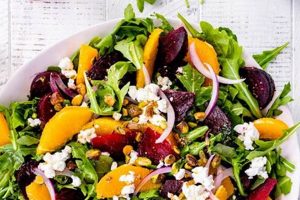
Thinly sliced fennel bulb, often prepared using a mandoline or sharp knife, forms the base of this refreshing and flavorful salad. Combined with complementary ingredients, such as citrus fruits, herbs, cheeses, and nuts, the dish offers a crisp and subtly anise-flavored culinary experience. Variations can include shaved Parmesan, orange segments, toasted walnuts, and a light vinaigrette.
The appeal lies in the delicate texture and unique flavor profile. Fennel’s inherent licorice notes are balanced by the acidity of citrus and the richness of other additions. This preparation highlights fennel’s versatility, transforming it from a supporting ingredient into the star of a light and healthy dish. Historically, fennel has been valued for its purported digestive benefits and aromatic qualities, making this salad a healthful and flavorful option.
Exploration of specific recipes, variations, and techniques for achieving paper-thin fennel slices will further enhance understanding and appreciation of this culinary creation. Discussions of ingredient pairings, dressing options, and presentation suggestions will provide a comprehensive guide to preparing and enjoying this versatile salad.
Tips for a Perfect Shaved Fennel Salad
Achieving optimal flavor and texture requires attention to detail. The following tips provide guidance for creating a successful and enjoyable salad.
Tip 1: Selecting Fennel: Choose firm bulbs with bright white, tightly layered bases. Avoid bulbs with bruises, brown spots, or signs of flowering.
Tip 2: Slicing Technique: Employing a mandoline slicer ensures uniformly thin fennel shavings. Alternatively, a sharp chef’s knife can be utilized with careful attention to consistent thickness.
Tip 3: Preventing Oxidation: Submerging shaved fennel in ice water for a brief period helps maintain its crispness and prevents browning.
Tip 4: Balancing Flavors: Acidity plays a crucial role in tempering fennel’s anise notes. Citrus segments, such as orange or grapefruit, provide a refreshing counterpoint.
Tip 5: Enhancing Texture: Toasted nuts, such as almonds or walnuts, introduce a satisfying crunch.
Tip 6: Dressing Considerations: A light vinaigrette, incorporating olive oil, lemon juice, and a touch of Dijon mustard, complements the delicate flavors without overpowering them.
Tip 7: Serving Suggestions: Serve the salad immediately after preparation to maintain optimal texture and prevent wilting.
Attention to these details elevates the final product, resulting in a visually appealing and palate-pleasing salad that showcases the unique qualities of fennel.
By following these guidelines, one can consistently create a delicious and refreshing salad that highlights the unique characteristics of fennel.
1. Thinly Sliced Fennel

Thinly sliced fennel forms the foundation of a shaved fennel salad recipe. Its delicate texture and maximized surface area are crucial for both flavor absorption and the overall sensory experience. Understanding the nuances of preparing fennel in this manner is essential for a successful salad.
- Surface Area and Flavor Infusion
Thinly slicing increases the fennel’s surface area, allowing the dressing and other ingredients to penetrate more effectively. This maximizes flavor infusion and creates a more harmonious blend of tastes.
- Texture and Mouthfeel
Shaved fennel provides a delicate, almost translucent texture that contrasts pleasantly with other components of the salad. This contributes to a more enjoyable and refined mouthfeel.
- Visual Appeal
The thin, elegant slices of fennel create a visually appealing presentation. The translucence and delicate layering add a touch of sophistication to the salad.
- Practical Considerations
Achieving thin slices requires a sharp knife or mandoline. Uniformity in thickness ensures even cooking and marinating, contributing to consistent flavor and texture throughout the salad.
The method of slicing fennel directly impacts the final quality of the shaved fennel salad. Attention to thickness, consistency, and the resulting textural and flavor implications ensures a successful and satisfying culinary experience. The interplay between these elements contributes significantly to the overall appeal and enjoyment of the dish.
2. Complementary Ingredients
Complementary ingredients are essential to a successful shaved fennel salad recipe, balancing fennel’s distinct anise flavor and contributing to a more complex and nuanced flavor profile. Fennel, while refreshing, possesses a pronounced licorice-like taste that can be overpowering if not balanced by other components. Careful selection of complementary ingredients enhances the overall flavor experience and elevates the salad beyond a simple collection of ingredients.
Acidity serves as a primary counterpoint to fennel’s inherent sweetness and anise notes. Citrus fruits, like orange and grapefruit segments, provide a refreshing tartness that cuts through the richness of the fennel. Vinegars, particularly those with bright, fruity profiles such as white wine or apple cider vinegar, also contribute necessary acidity in the dressing. The interplay between these acidic elements and the fennel creates a balanced flavor profile, preventing the anise notes from dominating. For example, a salad featuring shaved fennel, blood orange segments, and toasted pistachios offers a compelling combination of sweet, tart, and savory flavors. Similarly, a combination of shaved fennel, crumbled goat cheese, and a lemon vinaigrette provides a balance of creamy, tangy, and herbaceous notes.
Textural contrast further enhances the sensory experience. The delicate, almost feathery texture of shaved fennel benefits from the addition of crunchy elements. Toasted nuts, such as walnuts, almonds, or pine nuts, offer a satisfying counterpoint to the fennel’s softness. Seeds, like sunflower or pumpkin seeds, provide similar textural contrast. Adding ingredients like shaved Parmesan cheese introduces a salty, umami element and provides textural variation. Understanding the interplay of textures ensures a more dynamic and satisfying culinary experience. Ultimately, the careful selection of complementary ingredients transforms shaved fennel salad from a simple dish into a complex and satisfying culinary creation.
3. Balanced Flavors

Balance forms the cornerstone of a successful shaved fennel salad recipe. Fennel’s distinctive anise flavor, while refreshing, necessitates careful consideration of other ingredients to prevent it from becoming overpowering. A harmonious blend of flavors elevates this simple salad to a sophisticated culinary experience. The interplay of sweet, acidic, salty, and fatty components creates a balanced flavor profile that enhances the overall enjoyment of the dish.
Acidity plays a crucial role in tempering fennel’s inherent sweetness and licorice notes. Citrus fruits, such as oranges, grapefruits, or lemons, provide a refreshing tartness that cuts through the richness of the fennel. Vinegars, especially those with bright, fruity characteristics like white wine or champagne vinegar, contribute similar acidic notes, often incorporated into the dressing. These acidic elements act as a counterpoint to the fennel, preventing the anise flavor from dominating and creating a more nuanced flavor profile. A classic example involves pairing shaved fennel with orange segments and a light vinaigrette, showcasing the interplay of sweet and tart flavors.
Further complexity is achieved through the introduction of salty and fatty elements. Salty cheeses, such as Parmesan, Pecorino Romano, or feta, provide a savory counterpoint to the sweetness and acidity. These cheeses also contribute a creamy texture that complements the crispness of the fennel. Nuts and seeds, like toasted walnuts, almonds, or sunflower seeds, introduce healthy fats and a satisfying crunch. These additions enhance the textural complexity while also contributing subtle nutty or earthy flavors that further enrich the overall flavor profile. Failure to balance these elements can result in a one-dimensional salad where the fennel’s anise flavor overwhelms other components. A well-balanced shaved fennel salad showcases the unique character of fennel while harmonizing it with other complementary ingredients, resulting in a more complex and satisfying dish.
4. Crisp Texture

Crisp texture represents a defining characteristic of a successful shaved fennel salad recipe. Maintaining this crispness throughout preparation and serving is crucial for maximizing enjoyment. Understanding factors that contribute to and detract from this desirable texture allows for informed choices regarding ingredient selection, preparation methods, and serving techniques.
- Thinness of Shavings
The thinness of the fennel shavings directly impacts texture. Thin shavings offer a delicate crispness and contribute to a pleasant mouthfeel. Thicker slices, conversely, may retain a fibrous texture that detracts from the overall experience. Precision in slicing, whether using a mandoline or a sharp knife, ensures consistent thinness and optimal texture.
- Ice Water Bath
Submerging shaved fennel in ice water serves a dual purpose. It helps maintain crispness by firming the cell structure of the fennel. Simultaneously, it mitigates enzymatic browning, preserving the fennel’s vibrant white color. This step is particularly beneficial when preparing the salad in advance.
- Timing of Dressing Application
The timing of dressing application significantly influences the salad’s texture. Adding dressing too early can lead to the fennel becoming soggy. Ideally, the dressing should be added just before serving to maintain optimal crispness. This ensures that the delicate texture of the shaved fennel is preserved until consumption.
- Storage Considerations
Proper storage is essential for preserving the desired crispness. Airtight containers prevent moisture loss and oxidation, both of which can compromise texture. Refrigeration further slows down enzymatic processes that can lead to softening. However, even with proper storage, shaved fennel salad is best consumed fresh to fully appreciate its crisp texture.
Careful attention to these factors ensures that the shaved fennel salad retains its desirable crisp texture, contributing significantly to the overall enjoyment of the dish. Compromising on any of these elements can result in a less satisfying culinary experience, underscoring the importance of prioritizing crispness in both preparation and serving.
5. Light Dressing
Light dressings play a crucial role in shaved fennel salad recipes, enhancing the delicate flavors and textures without overpowering them. The inherent anise notes of fennel require a dressing that complements rather than masks its unique character. Heavy, creamy dressings tend to obscure the subtle nuances of fennel and other complementary ingredients, whereas light dressings allow these flavors to shine through. A light dressing’s primary function is to harmonize the various components of the salad, creating a balanced flavor profile. This balance allows the inherent flavors of the fennel, along with other ingredients like citrus segments or toasted nuts, to remain prominent. For instance, a simple vinaigrette made with olive oil, lemon juice, and a touch of Dijon mustard provides acidity to cut through the richness of the fennel while simultaneously complementing the other flavors present.
Practical application demonstrates the significance of this understanding. Consider a shaved fennel salad with orange segments, toasted walnuts, and a light lemon vinaigrette. The vinaigrette’s acidity balances the sweetness of the oranges and the richness of the walnuts, allowing the anise notes of the fennel to emerge without dominating the palate. Conversely, a heavy, creamy dressing would coat the delicate fennel shavings, muting their flavor and creating a less nuanced culinary experience. The choice of a light dressing also impacts the salad’s overall texture. Delicate shavings of fennel are prone to becoming soggy when dressed with heavy sauces. A light vinaigrette maintains the crisp texture of the fennel, creating a more enjoyable sensory experience. This is particularly important when incorporating other crisp elements like toasted nuts or seeds.
In conclusion, the choice of dressing significantly influences the overall success of a shaved fennel salad. Prioritizing light dressings ensures the delicate flavors and crisp textures of the fennel and other ingredients are preserved and enhanced. This understanding facilitates the creation of a balanced and nuanced culinary experience that showcases the unique characteristics of shaved fennel. Neglecting this aspect can result in a less satisfying dish where the fennel’s subtle flavors are masked and its desirable texture compromised. The careful selection and application of a light dressing thus represent essential steps in crafting a truly exceptional shaved fennel salad.
6. Proper Storage
Proper storage is crucial for preserving the desired qualities of a shaved fennel salad, significantly impacting its flavor and texture. Shaved fennel, due to its delicate structure and large surface area, is particularly susceptible to oxidation and moisture loss. These factors can lead to undesirable browning, a loss of crispness, and diminished flavor. Effective storage techniques mitigate these issues, ensuring the salad remains enjoyable even when prepared in advance. For example, storing shaved fennel in an airtight container submerged in ice water can prevent oxidation and maintain crispness for a few hours before serving. Neglecting proper storage, conversely, can result in a salad with wilted, browned fennel, a compromised texture, and a less vibrant flavor profile.
Practical application of proper storage principles enhances the overall culinary experience. When preparing a shaved fennel salad ahead of time, proper storage becomes paramount. Airtight containers minimize exposure to air, reducing oxidation and preserving the fennel’s delicate flavor. Refrigeration further slows down enzymatic processes that contribute to browning and softening. However, even with optimal storage, shaved fennel salad is best consumed within a day of preparation to fully appreciate its fresh, crisp texture and vibrant flavor. Storing the dressing separately and adding it just before serving further helps maintain the salad’s quality. For instance, if preparing a shaved fennel salad for a picnic, storing the shaved fennel and dressing separately in airtight containers and combining them just before serving ensures optimal flavor and texture.
Understanding the impact of proper storage on shaved fennel salad allows for informed decisions regarding preparation and serving. This knowledge enables proactive steps to maintain the salad’s quality, ensuring a satisfying culinary experience even when not consumed immediately after preparation. Failure to implement proper storage techniques can compromise the delicate balance of flavors and textures that define a successful shaved fennel salad, underscoring the practical significance of this understanding within the broader context of recipe preparation and execution.
7. Visually Appealing

Visual appeal forms an integral component of a successful shaved fennel salad recipe, elevating it from a simple dish to a culinary experience. The inherent qualities of shaved fennelits delicate, translucent texture and pale green huelend themselves to visually captivating presentations. Consider the interplay of textures: paper-thin fennel shavings contrasted with the coarse texture of toasted walnuts or the smooth surface of shaved Parmesan. The visual contrast enhances the dining experience, stimulating appetite and adding a layer of sophistication.
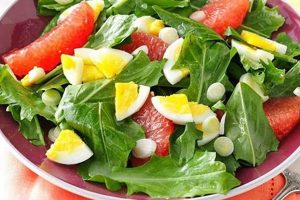
Color plays a crucial role. Fennel’s pale green provides a neutral backdrop, allowing vibrant colors of complementary ingredients to stand out. Bright orange segments, deep red radicchio, or the vibrant green of fresh herbs create visual interest and offer a feast for the eyes. The deliberate arrangement of these components further enhances the aesthetic appeal. For instance, arranging fennel shavings in a circular pattern with strategically placed orange segments and a sprinkle of herbs creates a visually dynamic composition that elevates the perceived value of the dish. A simple scattering of ingredients, conversely, can appear less intentional and diminish the overall presentation. This attention to detail transforms the salad from merely a source of nourishment into a visually engaging culinary creation.
Ultimately, visual appeal enhances the perceived freshness and quality of a shaved fennel salad. A well-composed salad signals attention to detail and elevates the dining experience. This understanding empowers culinary practitioners to create dishes that are not only flavorful and nutritious but also visually captivating, adding an element of artistry to the culinary craft. This visual aspect, often overlooked, distinguishes a simply adequate salad from a truly memorable culinary experience. The interplay of color, texture, and arrangement transforms the dish, demonstrating the practical significance of visual appeal within the context of a shaved fennel salad recipe.
Frequently Asked Questions
Addressing common inquiries regarding shaved fennel salad recipes provides clarity and facilitates successful preparation. The following questions and answers offer practical guidance for achieving optimal results.
Question 1: What is the best way to prevent shaved fennel from browning?
Submerging shaved fennel in ice water immediately after slicing inhibits oxidation, the primary cause of browning. This technique maintains the fennel’s vibrant color and crisp texture.
Question 2: Can shaved fennel salad be prepared in advance?
While best consumed fresh, shaved fennel salad can be prepared a few hours in advance. Storing the shaved fennel in an airtight container submerged in ice water and refrigerating it helps maintain its quality. The dressing should be added just before serving.
Question 3: What type of dressing best complements shaved fennel salad?
Light vinaigrettes, typically made with olive oil, lemon juice or vinegar, and seasonings, complement shaved fennel’s delicate flavor without overpowering it. Avoid heavy, creamy dressings, which can mask the fennel’s subtle anise notes and compromise its crisp texture.
Question 4: What are some suitable alternatives to citrus fruits in shaved fennel salad?
If citrus fruits are unavailable, acidic ingredients like thinly sliced apples or pears can provide a similar brightness and balance to the fennel’s flavor.
Question 5: How can one achieve uniformly thin fennel shavings without a mandoline?
A sharp chef’s knife can be used to achieve thin fennel shavings with practice and careful attention to consistent pressure and angle. Alternatively, a vegetable peeler can create thin ribbons of fennel, offering a slightly different texture.
Question 6: How long can shaved fennel salad be stored in the refrigerator?
Shaved fennel salad is best consumed within a day of preparation, even when stored properly in an airtight container in the refrigerator. Beyond 24 hours, the fennel’s texture may begin to deteriorate, and its flavor may diminish.
Understanding these key aspects of shaved fennel salad preparation ensures consistent, flavorful, and visually appealing results. Attention to detail, from slicing technique to storage methods, elevates the final dish.
Further exploration of specific recipe variations and flavor combinations can expand one’s repertoire and enhance appreciation for this versatile salad.
Shaved Fennel Salad Recipe
Exploration of shaved fennel salad recipes reveals a dish characterized by delicate textures, nuanced flavors, and visual appeal. Achieving optimal results requires careful consideration of slicing techniques, complementary ingredients, and balanced flavor profiles. Emphasis on maintaining crisp texture through proper storage and serving practices is essential. Light dressings enhance the inherent flavors of fennel without overpowering its subtle anise notes. Attention to visual presentation elevates the dish from simple sustenance to a refined culinary experience.
Mastery of shaved fennel salad preparation offers a pathway to culinary creativity and healthful enjoyment. Further exploration of flavor combinations and ingredient pairings allows for continuous refinement and personalized expression within this versatile culinary framework. The potential for innovation within this seemingly simple salad underscores its enduring appeal and its capacity to delight the discerning palate.