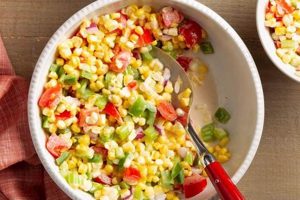
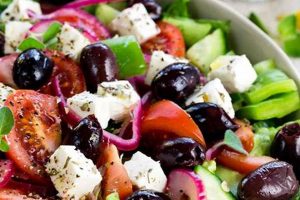
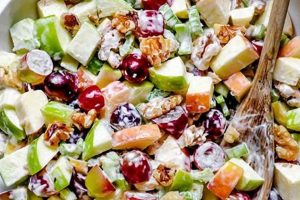
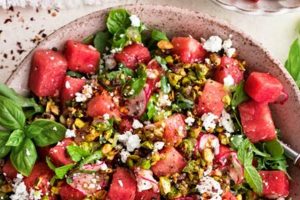
Lightweight, nutritious, and refreshing meal options are essential for outdoor adventures. Dishes suited for campsites often involve minimal preparation, non-perishable or easily preserved ingredients, and adaptability to various cooking methods, from simple campfire grilling to no-cook assembly. Examples include vibrant combinations of hearty greens, durable vegetables like carrots and bell peppers, protein sources such as canned beans or pre-cooked chicken, and shelf-stable dressings.
Maintaining a balanced diet is crucial during physically demanding activities like hiking and backpacking. Fresh produce provides essential vitamins and minerals that contribute to energy levels and overall well-being, combating fatigue and supporting optimal performance. Historically, trail meals relied heavily on preserved and processed foods. The increasing emphasis on health and the availability of lightweight, packable ingredients have spurred innovation in outdoor cooking, allowing for more nutritious and appealing options on the trail.
This article will explore various approaches to creating delicious and practical meals in the outdoors, covering topics such as ingredient selection, packing techniques, and simple cooking methods suitable for campsites. Further discussion will include food safety guidelines, Leave No Trace principles, and suggestions for customizing meals based on dietary needs and preferences.
Tips for Preparing Campsite Salads
Successful meal preparation in outdoor settings requires planning and consideration of ingredient selection, packing methods, and available cooking resources. The following tips offer guidance for creating enjoyable and nutritious salads while camping.
Tip 1: Prioritize Durable Ingredients: Choose sturdy greens like kale or romaine that can withstand packing and temperature fluctuations. Opt for vegetables such as carrots, bell peppers, and cucumbers that hold up well without refrigeration.
Tip 2: Pre-chop and Store Smartly: Pre-cutting ingredients at home saves time and effort at the campsite. Utilize reusable containers or resealable bags for organized storage and to prevent cross-contamination.
Tip 3: Embrace Shelf-Stable Proteins: Incorporate protein sources like canned beans, lentils, or pre-cooked chicken or fish pouches for convenient and nutritious additions.
Tip 4: Pack Dressings Separately: Prevent soggy salads by transporting dressings in separate containers. Consider single-serving packets or small, leakproof bottles.
Tip 5: Utilize Dried Ingredients: Dried fruits, nuts, and seeds add flavor, texture, and nutritional value while requiring minimal packing space.
Tip 6: Consider Vacuum Sealing: Vacuum sealing ingredients extends shelf life and minimizes packing volume, particularly beneficial for longer camping trips.
Tip 7: Prioritize Food Safety: Maintain proper food hygiene by washing hands thoroughly and using clean utensils and cutting boards. Keep perishable ingredients cool in an insulated cooler with ice packs.
Implementing these strategies allows for efficient and enjoyable meal preparation, promoting a healthy and satisfying camping experience. Careful planning ensures access to fresh and flavorful meals even in remote locations.
By incorporating these practical tips, individuals can enjoy nutritious and convenient campsite meals, fostering a healthier and more rewarding outdoor experience.
1. Fresh, Durable Ingredients

Ingredient selection is paramount for successful campsite salads. Fresh, durable produce ensures both palatability and practicality in outdoor settings where refrigeration and extensive preparation options are limited. Choosing robust ingredients that can withstand transport and variable temperatures is essential for maintaining quality and minimizing food waste.
- Hearty Greens:
Leafy greens form the base of many salads, but delicate varieties like spinach wilt easily under camping conditions. Heartier options such as kale, romaine, and cabbage offer greater durability and maintain texture and freshness despite temperature fluctuations and packing pressures. These robust greens provide a substantial foundation for campsite salads.
- Root Vegetables and Sturdy Produce:
Carrots, bell peppers, cucumbers, and cherry tomatoes offer both nutritional value and resilience. These vegetables endure transport well and require minimal on-site preparation. Their firm texture and relatively long shelf life make them ideal components for camping salads.
- Pre-Cooked or Shelf-Stable Proteins:
Adding protein enhances the nutritional profile of a campsite salad. Pre-cooked chicken or fish, sealed in pouches or vacuum-packed, provide convenient and safe protein sources. Canned beans and lentils offer another shelf-stable option, contributing protein and fiber without requiring refrigeration.
- Dried Fruits, Nuts, and Seeds:
Dried ingredients contribute flavor, texture, and essential nutrients while minimizing weight and spoilage concerns. Dried cranberries, apricots, or raisins add sweetness and chewiness. Nuts and seeds offer healthy fats and protein, further enhancing the nutritional value and satiety of campsite salads.
Selecting durable ingredients contributes significantly to the overall success of campsite meal preparation. The combination of hearty greens, sturdy vegetables, shelf-stable proteins, and dried additions ensures flavorful, nutritious, and convenient salads that align with the practicalities of outdoor cooking.
2. Efficient Packing Methods

Efficient packing is crucial for transporting campsite salad ingredients. Space and weight limitations necessitate careful consideration of food storage and organization. Proper packing techniques prevent damage to delicate produce, maintain food safety, and optimize available space within backpacks or coolers. The success of a camping culinary experience hinges on effective packing strategies that preserve ingredient quality and streamline meal preparation in the outdoors.
Utilizing reusable containers with airtight seals prevents spills and cross-contamination while maximizing space efficiency. Stackable containers and nesting bowls further optimize organization within packs. Soft-sided, reusable cooler bags offer lightweight insulation for temperature-sensitive items. For longer trips, vacuum sealing ingredients extends shelf life and minimizes volume, particularly beneficial for delicate greens or pre-chopped vegetables. Organizing ingredients by meal simplifies meal preparation at the campsite, reducing time and effort. Clearly labeling containers facilitates quick identification of ingredients. Packing a dedicated cutting board and utensils, compact and lightweight, ensures efficient food preparation without relying on improvised tools.
Efficient packing directly impacts the quality and convenience of campsite meals. Properly packed ingredients arrive fresh and undamaged, ready for quick assembly. Organized storage streamlines meal preparation, minimizing time and effort spent searching for ingredients. Effective packing also contributes to food safety by preventing spills and maintaining appropriate temperatures for perishable items. Ultimately, thoughtful packing contributes significantly to a positive and enjoyable camping experience by ensuring convenient access to nutritious and flavorful meals.
3. Simple Preparation Techniques

Simplicity in preparation is paramount for campsite cooking. Limited resources, time constraints, and the desire to maximize enjoyment of the outdoor experience necessitate streamlined cooking methods. Campsite salad recipes benefit significantly from techniques that minimize complexity while maximizing flavor and nutrition. This efficiency allows more time for other activities, reduces cleanup, and aligns with Leave No Trace principles.
Pre-chopping vegetables at home reduces on-site preparation time and eliminates the need for numerous cutting tools. Pre-mixing dry ingredients for dressings or spice blends streamlines flavoring. Utilizing one-pot or no-cook methods, such as combining pre-cooked ingredients or relying on quick-soaking grains, minimizes cooking time and cleanup. Employing pre-made or shelf-stable components, like canned beans or pre-cooked meats, further simplifies assembly. Choosing recipes with minimal ingredients and steps reduces complexity and the potential for errors in a less-equipped environment.
For example, a simple campsite salad might involve pre-chopped kale, carrots, and bell peppers combined with canned chickpeas and a pre-mixed vinaigrette. This requires minimal on-site effort, focusing on combining ingredients rather than extensive chopping or cooking. The practical significance of this approach is clear: it reduces the burden of meal preparation, allowing campers to focus on enjoying the natural surroundings. Simple techniques contribute to efficient resource management, minimizing water usage and waste generation, crucial factors in preserving natural environments.
4. Nutritional Balance

Nutritional balance plays a vital role in campsite meal planning, particularly for physically demanding activities like hiking and backpacking. Energy expenditure requires adequate caloric intake, and macronutrient ratios influence energy levels and recovery. Camping salads, when thoughtfully constructed, contribute significantly to this balance by providing essential vitamins, minerals, and dietary fiber alongside carbohydrates, proteins, and healthy fats. A balanced intake supports sustained energy, muscle recovery, and overall well-being throughout multi-day excursions. Ignoring nutritional needs can lead to fatigue, diminished performance, and increased susceptibility to illness, impacting the overall enjoyment and safety of the outdoor experience.
For instance, a salad combining leafy greens, dried cranberries, sunflower seeds, and grilled chicken breast offers a balanced profile. The greens contribute vitamins and minerals, cranberries provide carbohydrates, sunflower seeds offer healthy fats and protein, and the chicken serves as a lean protein source. This combination addresses multiple nutritional requirements within a single meal, crucial for maintaining energy and promoting recovery after physical exertion. Similarly, a lentil and vegetable salad provides a plant-based complete protein, complex carbohydrates, and fiber, supporting sustained energy release. Such strategically designed salads contribute to a balanced dietary intake, vital for optimal performance and enjoyment during outdoor adventures.
Prioritizing nutritional balance in campsite meal planning, especially through the inclusion of well-designed salads, significantly impacts overall health and performance in outdoor settings. Adequate nutrient intake supports energy levels, promotes recovery, and strengthens the body’s ability to withstand physical challenges. Practical application of this understanding translates to increased stamina, reduced risk of illness or injury, and enhanced enjoyment of the wilderness experience. By considering nutritional needs and incorporating diverse, nutrient-rich ingredients into salads, individuals can effectively fuel their adventures and prioritize well-being in the outdoors.
5. Food Safety Practices

Maintaining food safety is paramount when preparing salads in a campsite environment. The absence of conventional refrigeration and readily available clean water sources presents unique challenges. Neglecting food safety protocols increases the risk of foodborne illnesses, potentially jeopardizing the health and enjoyment of the outdoor experience. Implementing proper hygiene and food handling practices mitigates these risks and ensures a safe and satisfying culinary experience in the wilderness.
- Temperature Control:
Maintaining safe temperatures for perishable ingredients is crucial in preventing bacterial growth. Utilizing a well-insulated cooler with sufficient ice packs or frozen water bottles helps keep ingredients at or below 40F (4C). Packing food directly from the refrigerator minimizes temperature fluctuations during transport. Consuming perishable ingredients within a safe timeframe, typically within two hours if above 40F, minimizes spoilage risks. Regularly monitoring cooler temperature and replenishing ice packs are essential steps in maintaining a safe food environment.
- Cleanliness and Hygiene:
Maintaining proper hygiene is essential to prevent contamination. Thorough handwashing with soap and potable water before and after handling food is critical. If water sources are limited, utilizing hand sanitizer with at least 60% alcohol content offers an effective alternative. Clean cutting boards, utensils, and serving dishes are necessary to avoid cross-contamination. Designating separate cutting boards for raw meats and produce further reduces contamination risks. Packing clean dishcloths or paper towels for wiping surfaces and utensils ensures a sanitary food preparation area.
- Water Safety:
Water sources in the backcountry may contain harmful microorganisms. Utilizing potable water from treated sources, such as purified streams or bottled water, is crucial for washing produce and preparing food. Boiling water for at least one minute effectively eliminates most harmful bacteria and viruses. Water purification tablets or filters offer alternative methods for treating water collected from natural sources. Never assume natural water sources are safe for consumption without proper treatment.
- Proper Storage:
Proper food storage prevents spoilage and contamination. Storing perishable ingredients in airtight containers within the cooler helps maintain temperature and prevents exposure to insects or wildlife. Keeping food sealed and securely stored when not in use deters animals and minimizes contamination from environmental elements. Properly disposing of food waste in designated receptacles or packing it out prevents attracting animals and maintains campsite cleanliness.
Implementing these food safety practices is crucial for enjoying safe and healthy campsite salads. Careful attention to temperature control, hygiene, water safety, and proper storage minimizes the risk of foodborne illness. By prioritizing food safety, campers can fully enjoy their outdoor culinary experiences without compromising health or well-being. These practices safeguard against potential health risks and enhance the overall enjoyment of the camping trip.
6. Adaptability to Conditions

Adaptability is essential when preparing meals in outdoor environments. Campsite conditions, including weather, available resources, and unforeseen circumstances, demand flexibility in cooking methods and ingredient utilization. Successful campsite salad preparation relies on adapting recipes and techniques to accommodate these unpredictable elements. Resourcefulness ensures palatable and nutritious meals despite challenges posed by the outdoor setting.
- Weather Variations:
Weather significantly influences campsite cooking. Rain or strong winds may preclude open-fire cooking, necessitating alternative methods for preparing salad components. Pre-cooked ingredients or no-cook recipes become advantageous in such scenarios. Adapting to temperature fluctuations requires attention to food safety, ensuring perishable items remain appropriately cooled. For example, preparing a cold salad during a heatwave offers a refreshing and safe meal option, while a warm grain salad may be more appealing in cooler conditions.
- Resource Availability:
Campsite resource availability dictates cooking options. Limited water access may necessitate pre-washed ingredients or water-efficient cooking methods. Fuel scarcity restricts cooking times and necessitates recipes with minimal cooking requirements. Adapting to these constraints requires planning and ingredient selection aligned with resource limitations. For example, utilizing shelf-stable ingredients minimizes reliance on refrigeration and cooking fuel. Pre-chopped vegetables reduce water usage for washing and preparation.
- Equipment Limitations:
Campsite cooking often involves minimal equipment. Adapting recipes to utilize basic tools, such as a single pot or portable stove, is crucial. Choosing ingredients requiring minimal processing or pre-chopped components simplifies preparation. For example, a salad featuring canned beans, pre-cooked grains, and dried fruits requires minimal equipment and preparation, adapting effectively to limited campsite resources.
- Unforeseen Circumstances:
Unforeseen events, such as changes in itinerary or unexpected guests, demand adaptability in meal planning. Having versatile ingredients allows for recipe modifications or adjustments in portion sizes. For instance, incorporating shelf-stable staples like canned tuna or dried nuts allows for easy expansion of a basic salad to accommodate unexpected dietary needs or additional guests. Pre-portioned ingredients simplify serving size adjustments.
Adaptability in campsite cooking, particularly in preparing salads, is not merely a convenience; it is often a necessity. Resourcefulness, creative use of available ingredients, and flexible meal planning ensure palatable and safe meals despite unpredictable conditions. This adaptability empowers campers to navigate unexpected challenges and derive maximum enjoyment from their outdoor culinary experiences.
7. Minimal Cleanup
Minimal cleanup is a critical aspect of responsible camping practices, aligning seamlessly with Leave No Trace principles. Campsite salad recipes, by their nature, lend themselves well to this objective. Efficient meal preparation and consumption minimize waste generation and resource utilization, crucial factors in preserving natural environments. The connection between minimal cleanup and campsite salads arises from several key factors: ingredient selection, simplified preparation techniques, and mindful waste disposal. Choosing ingredients that require minimal on-site processing, such as pre-chopped vegetables or pre-cooked proteins, reduces the accumulation of food scraps and packaging waste. One-pot meals or no-cook salads further minimize the need for extensive cleaning. Consuming salads directly from reusable containers eliminates the need for disposable plates and utensils, further reducing waste. For example, a salad composed of pre-washed and chopped kale, canned beans, and a simple vinaigrette requires minimal preparation and generates minimal waste. The practical significance of this approach becomes apparent when considering the limited resources available in backcountry settings. Minimizing cleanup conserves water, reduces the need for cleaning agents, and minimizes the impact on delicate ecosystems.
Furthermore, efficient waste disposal is an integral component of minimal cleanup. Packing out all food scraps, packaging materials, and used utensils is essential for preserving the natural beauty of campsites and preventing wildlife habituation to human food sources. Utilizing reusable containers and minimizing single-use items significantly reduces the volume of waste generated. Composting biodegradable food waste, where permitted and feasible, further minimizes environmental impact. Choosing recipes that utilize ingredients with minimal packaging, such as bulk dried goods or locally sourced produce, contributes to a reduction in overall waste generation. For instance, opting for loose leaf tea rather than individually packaged tea bags minimizes waste and aligns with a low-impact camping philosophy. These practices demonstrate a respect for natural environments and contribute to the preservation of wilderness areas for future generations.
In conclusion, minimal cleanup is not merely a matter of convenience; it is an ethical imperative in outdoor settings. Campsite salad recipes offer a practical and palatable way to embrace this principle. By selecting appropriate ingredients, simplifying preparation methods, and practicing mindful waste disposal, campers can minimize their environmental impact and contribute to the preservation of natural spaces. This commitment to minimal cleanup reflects a responsible approach to outdoor recreation, ensuring that future generations can enjoy the pristine beauty of wilderness areas.
Frequently Asked Questions about Campsite Salads
This section addresses common inquiries regarding the preparation and enjoyment of salads in outdoor settings. The information provided aims to clarify potential challenges and offer practical solutions for incorporating fresh and nutritious meals into camping experiences.
Question 1: How can leafy greens be kept fresh without refrigeration while camping?
Durable greens like kale, romaine, and cabbage withstand transport and temperature fluctuations better than delicate greens like spinach. Storing them in airtight containers within a well-insulated cooler further extends their freshness.
Question 2: What are suitable protein sources for campsite salads without refrigeration?
Canned beans, lentils, vacuum-packed pre-cooked chicken or fish, and shelf-stable jerky or dehydrated meat options offer convenient and safe protein additions to campsite salads. Nuts and seeds also contribute protein and healthy fats.
Question 3: How can cross-contamination be avoided when preparing salads outdoors?
Packing separate cutting boards and utensils for raw meats and produce helps avoid cross-contamination. Thoroughly washing hands, cutting boards, and utensils with potable water and soap or using hand sanitizer is essential.
Question 4: What strategies minimize water usage for cleaning produce at campsites?
Pre-washing produce at home and packing it in airtight containers reduces on-site washing needs. Using minimal water for rinsing and capturing gray water for appropriate disposal minimizes environmental impact.
Question 5: How can salads be adapted to varying weather conditions while camping?
Selecting versatile ingredients allows for adaptation to changing weather. Pre-cooked or no-cook salads become advantageous in inclement weather, while refreshing cold salads are suitable for hot conditions. Prioritizing shelf-stable components enhances flexibility.
Question 6: What methods minimize waste generation from campsite salad preparation?
Utilizing reusable containers, packing out all trash, and composting food scraps where feasible minimize waste. Choosing ingredients with minimal packaging and opting for bulk options further reduces environmental impact.
Careful planning and thoughtful preparation enable the enjoyment of fresh, nutritious salads during camping trips. Addressing these frequently asked questions promotes successful integration of salads into outdoor culinary experiences.
Beyond these frequently asked questions, additional resources offer further guidance on campsite cooking and meal planning. Consulting experienced outdoor enthusiasts or exploring online forums dedicated to backcountry cooking can provide valuable insights and practical tips.
Conclusion
Exploration of campsite meal preparation reveals the significant role of fresh, nutritious options in enhancing outdoor experiences. Careful selection of durable ingredients, efficient packing methods, and adaptable preparation techniques ensures access to flavorful and healthy salads even in remote locations. Prioritizing food safety, minimizing environmental impact through efficient cleanup, and maintaining nutritional balance contribute to a positive and responsible approach to backcountry dining. These practices collectively elevate campsite cooking beyond mere sustenance, transforming it into an enjoyable and integral part of the outdoor adventure.
Emphasis on freshness and nutritional value in campsite meals reflects a growing awareness of the importance of well-being in the outdoors. Thoughtful meal planning empowers individuals to embrace the challenges of backcountry cooking, fostering self-sufficiency and a deeper connection with nature. By incorporating these principles, outdoor enthusiasts can enhance their culinary experiences and prioritize both personal well-being and environmental stewardship.