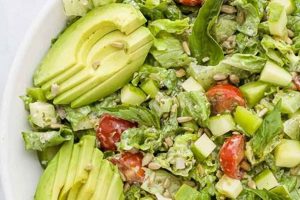
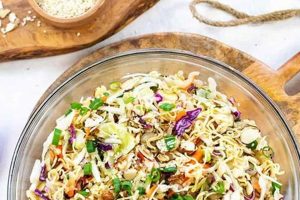
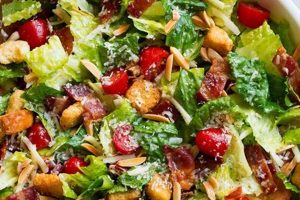
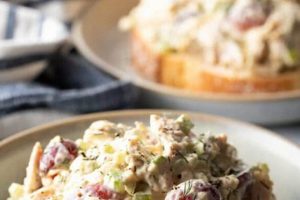
This dish typically involves halved or quartered Brussels sprouts, often roasted or pan-fried until tender and slightly caramelized. These are then combined with a Caesar dressing, which traditionally includes ingredients such as olive oil, lemon juice, garlic, egg yolk, anchovies, and Parmesan cheese. Croutons and additional Parmesan are common additions. Variations can include bacon, pancetta, or other ingredients to complement the sprouts and dressing.
The rising popularity of this salad reflects a broader culinary trend towards incorporating cruciferous vegetables in creative and flavorful ways. It offers a nutritious alternative to traditional Caesar salads, providing vitamins, minerals, and fiber from the Brussels sprouts. The roasting process enhances their natural sweetness, creating a pleasing contrast with the savory dressing. This adaptability makes the dish suitable for various dietary needs and preferences, with vegan and vegetarian versions easily achievable through ingredient substitutions.
Further exploration of this topic will cover variations in preparation methods, including different cooking techniques for the Brussels sprouts and customized dressing recipes. Nutritional information and suggested pairings will also be provided.
Tips for a Delicious Brussels Sprout Caesar Salad
Achieving optimal flavor and texture requires attention to several key steps in preparation.
Tip 1: Selecting and Preparing Brussels Sprouts: Choose firm, brightly colored sprouts. Trim the ends and remove any loose outer leaves. Halve or quarter larger sprouts for even cooking.
Tip 2: Roasting for Optimal Flavor: Roasting enhances the natural sweetness. Toss sprouts with olive oil, salt, and pepper before roasting at high heat until tender and slightly charred.
Tip 3: Mastering the Caesar Dressing: A balanced Caesar dressing is crucial. Consider using high-quality olive oil, fresh lemon juice, and finely grated Parmesan cheese. Anchovy paste or fillets add a depth of umami flavor.
Tip 4: Crouton Considerations: Homemade or store-bought croutons provide texture. For homemade croutons, cube crusty bread and toss with olive oil and seasonings before baking until golden brown.
Tip 5: Achieving Crispy Brussels Sprouts: Ensure sprouts are dry before roasting to maximize crispiness. Avoid overcrowding the pan, allowing for proper air circulation.
Tip 6: Balancing Flavors: The interplay of savory and sweet is key. Balance the richness of the dressing with the slight bitterness of the sprouts and the saltiness of the Parmesan.
Tip 7: Serving Suggestions: Serve the salad immediately after preparation for the best texture. Consider adding protein such as grilled chicken or fish for a complete meal.
By following these guidelines, one can create a Brussels sprout Caesar salad that offers a satisfying combination of flavors and textures.
This detailed exploration of preparation techniques provides a foundation for creating a truly exceptional culinary experience.
1. Fresh Brussels Sprouts

Fresh Brussels sprouts are essential for a successful Brussels sprout Caesar salad. Quality directly impacts the final dish’s flavor, texture, and overall appeal. Fresh sprouts exhibit vibrant green color, firm texture, and tightly closed leaves. These characteristics indicate optimal flavor and minimize bitterness, a common concern with this vegetable. Using subpar, wilted, or yellowing sprouts can result in an unpleasant, off-putting taste and a mushy texture after cooking, compromising the salad’s intended crisp-tender contrast. For instance, a salad made with fresh Brussels sprouts will offer a subtle sweetness and nutty flavor when roasted, enhancing the Caesar dressing’s savory notes. Conversely, using older sprouts might impart an undesirable sulfurous taste, overpowering the other flavors.
Selecting fresh Brussels sprouts allows for greater control over the cooking process. Consistent size and firmness ensure even roasting or pan-frying, leading to a pleasant texture and optimal caramelization. Freshness also impacts the structural integrity of the sprouts. They will hold their shape better during cooking, contributing to a visually appealing final dish. Imagine a salad where the Brussels sprouts have become overly soft and disintegrated during cooking the textural contrast, a defining feature of a good salad, would be lost. Fresh sprouts also minimize prep time, as they require less trimming and cleaning compared to older, less vibrant ones.
Prioritizing fresh Brussels sprouts ensures a higher-quality and more enjoyable culinary experience. The choice directly influences the flavor profile, texture, and visual appeal of the final dish. An understanding of this connection empowers informed ingredient selection and contributes to a more successful outcome. This emphasis on quality ingredients translates to a more satisfying and delicious Brussels sprout Caesar salad, demonstrating a commitment to culinary excellence. Failing to appreciate this connection might lead to a disappointing outcome, diminishing the potential of this otherwise vibrant and flavorful dish.
2. Balanced Caesar Dressing

A balanced Caesar dressing is paramount to a successful Brussels sprout Caesar salad recipe. The dressing acts as a unifying element, binding the other components and contributing significantly to the overall flavor profile. It must complement, not overpower, the inherent flavors of the Brussels sprouts. An overly acidic dressing can clash with the slight bitterness of the sprouts, creating a jarring, unpleasant taste. Conversely, a dressing lacking acidity fails to cut through the richness of the other ingredients, resulting in a bland, one-dimensional experience. A real-life example can be observed when comparing a dressing made with fresh lemon juice versus bottled lemon juice. Freshly squeezed lemon juice offers a bright, vibrant acidity that balances the other flavors, while bottled juice often lacks the same intensity, leading to a less dynamic final product.
The balance extends beyond acidity. The richness of the dressing, derived from ingredients like olive oil, egg yolk, and Parmesan cheese, must be carefully calibrated. Too much richness can overwhelm the delicate flavor of the Brussels sprouts, rendering them almost imperceptible. Consider the addition of anchovies or anchovy paste; their umami notes add depth and complexity but must be used judiciously. An excess can create an overly fishy flavor that detracts from the overall balance. This principle can be demonstrated by comparing a dressing made with high-quality extra virgin olive oil to one made with a lower-grade oil. The high-quality oil contributes a nuanced fruitiness and richness, while the lower-grade oil might introduce unwanted flavors that disrupt the intended balance.
Achieving a balanced Caesar dressing requires careful consideration of ingredient proportions and quality. It is a crucial factor that significantly influences the overall success of the Brussels sprout Caesar salad. This understanding enables informed decision-making during recipe development and execution, leading to a more harmonious and satisfying culinary experience. The interplay of acidity, richness, and umami notes within the dressing directly affects how the other ingredients, particularly the Brussels sprouts, are perceived. A well-balanced dressing elevates the dish from a simple combination of ingredients to a cohesive, flavorful whole. Neglecting this balance can result in a dish that falls short of its full potential, emphasizing the crucial role of the dressing in achieving culinary excellence.
3. Crispy Flavorful Croutons
Crispy flavorful croutons contribute significantly to the overall success of a Brussels sprout Caesar salad recipe. They provide a crucial textural counterpoint to the other components, adding a satisfying crunch that complements the tender Brussels sprouts and creamy dressing. Beyond texture, croutons also contribute to the flavor profile, offering nuanced notes depending on their preparation and seasoning.
- Texture Enhancement
Croutons introduce a desirable textural contrast. Their crispness offsets the softness of the roasted Brussels sprouts and the richness of the Caesar dressing. This interplay of textures elevates the sensory experience of the salad, preventing a monotonous mouthfeel. Imagine biting into a salad with only soft, cooked elementsthe addition of croutons provides a welcome textural disruption.
- Flavor Infusion
Croutons offer an opportunity to introduce additional flavors to the salad. The type of bread used, the seasonings employed, and the cooking method all impact the final flavor profile. For example, croutons made from sourdough bread contribute a subtle tang, while those made from whole wheat offer nutty undertones. Seasoning with herbs, spices, or garlic powder further enhances their flavor contribution.
- Visual Appeal
Well-prepared croutons enhance the visual appeal of the salad. Golden-brown, evenly sized croutons create visual interest and add a touch of rustic charm. Consider the difference between a salad topped with uniform, golden croutons and one with unevenly sized, burnt piecesthe former adds to the aesthetic presentation, while the latter detracts from it.
- Absorption and Binding
Croutons can absorb some of the dressing, preventing the salad from becoming overly soggy. They also help to distribute the dressing more evenly throughout the salad, ensuring that each bite contains a balance of flavors and textures. This absorption quality prevents the salad from becoming watery, maintaining a desirable consistency.
The carefully considered inclusion of crispy flavorful croutons elevates the Brussels sprout Caesar salad from a simple combination of ingredients to a multi-dimensional culinary experience. Their contribution extends beyond mere texture, impacting flavor, visual appeal, and overall structural integrity. By understanding these facets, one can appreciate the crucial role croutons play in achieving a balanced and satisfying salad.
4. Proper Roasting Technique

Proper roasting technique is crucial for optimizing the flavor and texture of Brussels sprouts within a Caesar salad context. Roasting, unlike other cooking methods, allows for the development of complex flavors derived from the Maillard reaction, where sugars within the Brussels sprouts caramelize, producing desirable nutty and sweet notes. This caramelization contrasts beautifully with the savory Caesar dressing, creating a balanced flavor profile. Insufficient roasting results in undercooked, sulfurous sprouts, while excessive roasting leads to dry, bitter piecesneither outcome complements the overall salad composition. Consider the difference between pale, steamed Brussels sprouts and deeply browned, roasted ones. The latter possess a depth of flavor absent in the former, significantly impacting their contribution to the salad.
Beyond flavor, proper roasting technique influences the texture of the Brussels sprouts. High heat roasting creates crisp outer leaves while maintaining tender interiors, providing a desirable textural contrast within the salad. This balance between crisp and tender is essential for a satisfying eating experience. Overcrowding the pan inhibits proper airflow, resulting in steamed, rather than roasted, sprouts, which lack the desired textural complexity. A practical example can be seen when comparing Brussels sprouts roasted in a single layer on a sheet pan versus those piled into a small baking dish. The single-layer method promotes even browning and crispness, while the latter leads to uneven cooking and a softer texture.
Mastery of roasting technique directly impacts the overall quality and enjoyment of the Brussels sprout Caesar salad. The interplay of caramelized flavors and contrasting textures derived from proper roasting elevates the dish beyond a simple combination of ingredients. Understanding the cause-and-effect relationship between roasting parameters and the final product enables consistent, high-quality results. This knowledge empowers informed adjustments based on desired outcomes, whether prioritizing maximum crispness or a more tender interior. Neglecting the nuances of roasting technique risks compromising the balance and complexity of the salad, highlighting its critical role in achieving culinary excellence.
5. Complementary Ingredients

Complementary ingredients play a crucial role in elevating the brussel sprout Caesar salad recipe beyond a simple combination of core components. These additions contribute layers of flavor, texture, and visual appeal, transforming the dish into a more complex and satisfying culinary experience. Careful consideration of complementary ingredients allows for customization and personalization, catering to individual preferences and dietary needs while enhancing the inherent qualities of the Brussels sprouts and Caesar dressing.
- Cheese Selection
Cheese provides a salty, savory element that complements the other flavors. Parmesan, a classic Caesar salad ingredient, offers a sharp, nutty taste and a hard texture. Alternatives such as Pecorino Romano provide a more pungent, sheepy flavor, while Asiago delivers a smoother, milder taste. The choice of cheese influences the overall flavor profile and can be tailored to individual preferences. For instance, a strong, aged Parmesan provides a more assertive flavor contrast, while a younger, milder Parmesan allows the other flavors to shine through.
- Protein Enhancements
Adding protein transforms the salad into a more substantial meal. Grilled chicken or fish offer lean protein options, while crispy bacon or pancetta contribute a salty, smoky flavor and a satisfying crunch. These additions not only increase satiety but also introduce textural and flavor complexity. Consider grilled salmon for a lighter, healthier option, or crispy bacon for a richer, more indulgent experience.
- Nuts and Seeds
Toasted nuts and seeds introduce textural variety and nuanced flavors. Toasted pine nuts offer a buttery, slightly sweet taste, while slivered almonds contribute a delicate crunch and nutty flavor. Sunflower or pumpkin seeds introduce earthy notes and additional nutritional value. These additions enhance the salad’s overall sensory experience. Toasted walnuts, for instance, provide a bolder, more assertive flavor than pine nuts, influencing the salad’s overall character.
- Dried or Fresh Fruit
Dried cranberries or chopped dates introduce sweetness and chewiness, balancing the savory elements of the salad. Fresh apple slices or segments of orange offer a juicy, refreshing contrast and introduce a brighter, more acidic element. These additions expand the flavor profile beyond the traditional savory realm. Consider the difference between dried cranberries, which offer concentrated sweetness, and fresh orange segments, which provide a burst of citrusy freshness.
The strategic incorporation of complementary ingredients elevates the brussel sprout Caesar salad from a simple combination of Brussels sprouts and Caesar dressing to a more nuanced and satisfying culinary creation. These additions offer opportunities to personalize the salad, catering to specific taste preferences and dietary needs. The interplay of flavors, textures, and colors created by complementary ingredients enhances the overall sensory experience, demonstrating the power of thoughtful ingredient selection in achieving culinary excellence.
Frequently Asked Questions
This section addresses common inquiries regarding Brussels sprout Caesar salad preparation and variations.
Question 1: How can bitterness in Brussels sprouts be mitigated?
Bitterness can be reduced by selecting smaller, tightly closed Brussels sprouts, as larger sprouts tend to be more bitter. Roasting at high heat also caramelizes the natural sugars, mitigating bitterness and enhancing sweetness.
Question 2: What are suitable alternatives to traditional Caesar dressing?
Vegan Caesar dressings, often made with nutritional yeast or tahini, offer a dairy-free and plant-based alternative. Lighter dressings utilizing Greek yogurt or buttermilk can reduce richness.
Question 3: Can this salad be prepared in advance?
While best served immediately, components can be prepared ahead of time. Store roasted Brussels sprouts and dressing separately and combine just before serving to maintain optimal texture.
Question 4: How can croutons be kept crispy?
Ensure croutons are completely cool before storing in an airtight container at room temperature. Avoid adding them to the salad until just before serving to prevent sogginess.
Question 5: What are suitable protein additions for a more complete meal?
Grilled chicken, fish, or shrimp complement the flavors well. Crispy bacon or pancetta adds richness and a salty counterpoint. Vegetarian options include chickpeas or roasted tofu.
Question 6: How can the nutritional value of this salad be maximized?
Incorporating a variety of vegetables, such as chopped kale or bell peppers, increases vitamin and mineral content. Adding nuts and seeds provides healthy fats and fiber.
Understanding these considerations allows for informed choices regarding ingredient selection and preparation methods.
The following section will explore variations on the classic Brussels sprout Caesar salad recipe.
Brussels Sprout Caesar Salad Recipe
Exploration of this recipe reveals a dish offering nuanced flavor profiles and textural complexity. Emphasis on fresh, high-quality ingredients, proper roasting techniques, and a balanced Caesar dressing contributes significantly to the overall culinary experience. Consideration of complementary ingredients allows for personalized variations, expanding the potential of this adaptable salad. From the caramelization of roasted Brussels sprouts to the creamy richness of the dressing and the satisfying crunch of croutons, each component plays a vital role in the final composition. Understanding these interconnected elements allows for informed ingredient selection and preparation, ensuring a consistently delicious and satisfying outcome.
This exploration encourages informed culinary choices, promoting an appreciation for the careful balance required to achieve culinary excellence. The Brussels sprout Caesar salad, far from a simple combination of ingredients, represents a synthesis of flavors, textures, and culinary techniques. This understanding empowers experimentation and adaptation, leading to continued evolution and enjoyment within the culinary landscape.