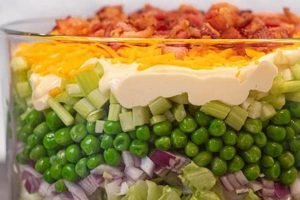
A combination of raw or blanched broccoli florets, other vegetables, and a flavorful dressing creates a refreshing and nutritious dish. Common additions include dried cranberries or raisins, sunflower seeds, and red onion. Mayonnaise-based dressings are popular, often incorporating vinegar, sugar, and sometimes a touch of mustard or garlic. Variations exist using yogurt or vinaigrette-based dressings for a lighter option.
This culinary creation offers a versatile and healthy side or main dish option. Its customizable nature allows for adjustments based on dietary needs and preferences. Historically, vegetable salads gained popularity as a refreshing counterpoint to heavier dishes and have evolved to embrace diverse ingredients and flavors. Such dishes play an essential role in promoting balanced diets by providing vitamins, minerals, and fiber.
Further exploration will cover variations in ingredients, dressing options, tips for preparation, and suggestions for serving this versatile dish. Nutritional information and guidance on customizing it for specific dietary requirements will also be addressed.
Tips for Broccoli Salad Preparation
Creating a successful broccoli salad involves attention to detail and thoughtful ingredient selection. The following tips offer guidance for achieving optimal flavor and texture.
Tip 1: Blanch the Broccoli: Briefly submerging broccoli florets in boiling water, followed by an immediate ice bath, ensures a vibrant green color and tender-crisp texture, preventing a raw, sulfurous taste.
Tip 2: Balance Flavors: Consider the interplay of sweet, savory, and acidic elements. The sweetness of dried fruit complements the sharpness of red onion, while the dressing provides a unifying tang.
Tip 3: Dress Strategically: Add the dressing shortly before serving to prevent the salad from becoming soggy. Thorough coating ensures even flavor distribution.
Tip 4: Choose Fresh Ingredients: Opt for crisp, vibrant broccoli and other vegetables. Fresh ingredients contribute significantly to the overall flavor and visual appeal.
Tip 5: Customize for Dietary Needs: Substitute ingredients to accommodate dietary restrictions. Vegan mayonnaise or a vinaigrette can replace traditional mayonnaise-based dressings. Sugar substitutes can adjust sweetness levels.
Tip 6: Proper Storage: Refrigerate leftovers promptly in an airtight container to maintain freshness and prevent bacterial growth. Consume within three to five days.
Tip 7: Consider Textural Variety: Incorporate nuts, seeds, or croutons for added crunch. This textural contrast enhances the overall sensory experience.
By following these guidelines, one can elevate a simple broccoli salad into a delightful and nutritious culinary creation. Careful preparation and ingredient selection contribute to a balanced and satisfying dish.
These tips provide a foundation for crafting exceptional broccoli salad. The subsequent conclusion will summarize key takeaways and offer final thoughts on the subject.
1. Ingredients

Ingredient selection significantly impacts the flavor profile, nutritional value, and overall success of a broccoli salad. A careful balance of components creates a harmonious and satisfying dish. The following facets explore key ingredient categories and their contributions.
- Broccoli:
The central element, broccoli, provides a foundation of flavor and texture. Selecting fresh, firm broccoli heads with vibrant green color is crucial. Blanching the broccoli florets enhances their color and tenderizes them slightly, improving both the aesthetic appeal and the eating experience.
- Supporting Vegetables:
Other vegetables contribute textural and flavor complexity. Common additions include red onion for sharpness, dried cranberries or raisins for sweetness, and sunflower seeds for crunch. Bell peppers, carrots, or chopped celery can also add variety and nutritional value. The choice of supporting vegetables allows for customization based on personal preferences and seasonal availability.
- Dressing:
The dressing binds the ingredients and imparts a significant flavor dimension. Classic options include mayonnaise-based dressings with vinegar, sugar, and seasonings like mustard or garlic. Lighter alternatives include yogurt-based or vinaigrette dressings. The dressing’s acidity balances the sweetness of other components, while its consistency coats the ingredients evenly, ensuring a cohesive final product.
- Additional Elements:
Beyond the core ingredients, additions like bacon bits, crumbled cheese, or chopped nuts further enhance flavor and texture. These elements add richness, saltiness, and crunch, elevating the overall sensory experience. These additions should complement the other ingredients without overpowering the primary flavors.
The interplay of these ingredient categories defines the character of the broccoli salad. Harmonious combinations of flavors, textures, and colors result in a well-balanced and enjoyable culinary creation. Understanding the role of each ingredient group allows for informed choices, leading to a more satisfying and personalized salad experience.
2. Preparation

Preparation significantly influences the final quality and enjoyment of a broccoli salad. Careful execution of preparatory steps ensures optimal texture, flavor, and food safety. This stage encompasses several key processes, each contributing to the overall success of the dish.
Initial steps involve washing and preparing the broccoli. Cutting the broccoli into uniform florets ensures even cooking and consistent texture. Blanching, a crucial technique, involves briefly immersing the florets in boiling water followed by an immediate ice bath. This process sets the vibrant green color, tenderizes the broccoli slightly, and diminishes any raw, potentially sulfurous, flavors. Neglecting this step can result in a less appealing and potentially less palatable salad.
Other ingredients require attention as well. Red onions, often included for their pungent bite, can be soaked in cold water to mellow their sharpness. Dried fruits, such as cranberries or raisins, might be plumped in warm water or juice to enhance their texture and sweetness. Proper preparation of these supporting ingredients ensures they contribute optimally to the overall balance of flavors and textures.
The timing of dressing application also falls under preparation considerations. Adding the dressing too early can lead to a soggy salad. Therefore, it is often recommended to dress the salad shortly before serving. This ensures the ingredients retain their individual textures and the flavors remain distinct and vibrant.
Careful preparation creates a foundation for a successful broccoli salad. Overlooking these steps can compromise the overall quality of the dish. Properly prepared ingredients, combined with timely dressing application, result in a flavorful, texturally pleasing, and visually appealing culinary experience.
3. Dressing

Dressing plays a pivotal role in a broccoli salad recipe, acting as a unifying element that binds the individual ingredients and contributes significantly to the overall flavor profile. The choice of dressing profoundly influences the final character of the salad, transforming it from a simple collection of ingredients into a cohesive and flavorful dish. A well-chosen dressing complements the natural flavors of the broccoli and other components, enhancing their individual characteristics while creating a harmonious blend.
The interplay between the dressing and the other ingredients creates a dynamic balance of flavors. For instance, a creamy, mayonnaise-based dressing provides a rich, tangy counterpoint to the slight bitterness of broccoli and the sweetness of dried fruit. The dressing’s acidity, often derived from vinegar or lemon juice, balances the sweetness and prevents the salad from becoming cloying. A vinaigrette-based dressing, on the other hand, offers a lighter, brighter alternative, highlighting the fresh flavors of the vegetables and offering a refreshing contrast. The specific ingredients within the dressing, such as herbs, spices, or garlic, further contribute to the complexity and depth of flavor.
Understanding the impact of dressing selection enables informed choices based on desired flavor outcomes. A creamy dressing adds richness and body, while a vinaigrette provides a lighter, more refreshing experience. The choice depends on personal preferences and the overall balance of flavors sought. Careful consideration of the dressing ensures the broccoli salad becomes more than the sum of its parts, transforming it into a well-integrated and satisfying culinary creation. The dressing is not merely a topping but an integral component that elevates the dish, contributing significantly to its overall success.
4. Variations
The adaptability of broccoli salad recipes allows for a wide range of variations, catering to diverse tastes and dietary needs. Exploring these variations highlights the versatility of this dish and its potential to accommodate individual preferences and ingredient availability. Understanding the possibilities empowers culinary creativity and ensures a satisfying experience for a broader audience.
- Ingredient Swaps:
Substituting ingredients offers a simple way to personalize broccoli salad. Cauliflower can replace or complement broccoli, while different dried fruits, such as apricots or cherries, introduce nuanced sweetness and textural variations. Swapping sunflower seeds for slivered almonds or pumpkin seeds alters the crunch and flavor profile. These ingredient swaps provide opportunities to experiment with different flavor combinations and accommodate dietary restrictions or preferences.
- Dressing Alternatives:
Beyond the traditional mayonnaise-based dressing, numerous alternatives exist. A lighter, yogurt-based dressing reduces the fat content while maintaining a creamy texture. Vinaigrettes, incorporating olive oil, vinegar, and herbs, offer a brighter, more acidic counterpoint to the other ingredients. These variations cater to different taste preferences and dietary considerations, expanding the appeal of broccoli salad to a wider range of palates.
- Additions for Texture and Flavor:
Incorporating additional elements enhances both the textural and flavor complexity of broccoli salad. Crispy bacon bits introduce a savory, smoky element, while crumbled cheese adds a salty, creamy dimension. Toasted nuts or seeds contribute additional crunch, and chopped fresh herbs, such as parsley or dill, provide a burst of freshness. These additions elevate the sensory experience and allow for customization based on individual preferences.
- Dietary Adaptations:
Broccoli salad recipes can be readily adapted to accommodate specific dietary needs. Vegan mayonnaise serves as a suitable replacement for traditional mayonnaise in creating a plant-based version. Sugar substitutes can adjust the sweetness level for those managing blood sugar levels. Gluten-free variations ensure inclusivity for individuals with gluten sensitivities. These adaptations demonstrate the inherent flexibility of broccoli salad and its potential to be enjoyed by a diverse audience.
The numerous variations possible within broccoli salad recipes demonstrate its adaptability and enduring appeal. From simple ingredient swaps to more significant alterations, like changing the dressing or incorporating dietary adaptations, these variations highlight the inherent versatility of this dish. Understanding and exploring these variations empowers individuals to personalize their broccoli salad experience, creating a dish that truly satisfies their individual tastes and dietary requirements. This flexibility ensures broccoli salad remains a relevant and enjoyable culinary option for a wide range of individuals and occasions.
5. Serving

Serving constitutes a crucial aspect of a broccoli salad recipe, influencing both the immediate dining experience and the overall perception of the dish. Considerations extend beyond simply placing the salad on a plate; they encompass aspects such as timing, presentation, and complementary pairings. A well-considered serving approach elevates the enjoyment and perceived value of the broccoli salad.
Timing significantly impacts the salad’s quality. Serving broccoli salad immediately after dressing prevents the vegetables from becoming soggy and maintains the distinct textures of the various components. Conversely, allowing the salad to chill for a short period after dressing allows the flavors to meld, creating a more cohesive flavor profile. The ideal timing depends on the specific recipe and desired outcome. For instance, a broccoli salad with a creamy dressing might benefit from a brief chilling period, while a vinaigrette-based version is often best served immediately. Accompaniments also play a role. Broccoli salad pairs well with grilled meats, fish, or sandwiches, offering a refreshing counterpoint to richer dishes. Understanding these pairings enhances the overall dining experience by creating complementary flavor combinations and textural contrasts. Presentation further influences perception. A thoughtfully arranged salad, whether served in a communal bowl or individual portions, enhances visual appeal and conveys a sense of care and attention to detail. Garnishing with fresh herbs or a sprinkle of toasted nuts adds visual interest and elevates the perceived quality.
Effective serving practices maximize the enjoyment and appreciation of broccoli salad. Attention to timing, accompaniments, and presentation transforms a simple side dish into a more complete and satisfying culinary experience. Understanding these considerations elevates the perception of the dish, conveying a sense of culinary expertise and attention to detail. Serving, therefore, represents a crucial final step in the broccoli salad recipe, impacting not only the immediate consumption but also the overall assessment of the dish.
Frequently Asked Questions
This section addresses common inquiries regarding broccoli salad preparation and variations. Clarifying these points aims to provide a comprehensive understanding and facilitate successful culinary endeavors.
Question 1: How can one prevent broccoli salad from becoming watery?
Excess moisture can stem from several sources. Ensuring the broccoli is thoroughly dried after blanching is crucial. Adding dressing immediately before serving minimizes the time vegetables release moisture. Salting certain ingredients, like cucumbers, and allowing them to drain before adding them to the salad can also help reduce excess water.
Question 2: What are suitable alternatives to mayonnaise-based dressings?
Individuals seeking lighter options or those with dietary restrictions can opt for yogurt-based dressings or vinaigrettes. Greek yogurt provides a creamy texture with lower fat content, while vinaigrettes offer a tangy, refreshing alternative, utilizing oil and vinegar as a base.
Question 3: How long can broccoli salad be stored?
Properly stored in an airtight container in the refrigerator, broccoli salad typically lasts for three to five days. However, the quality and safety may degrade over time, particularly if the salad contains mayonnaise-based dressing. Always inspect for spoilage before consumption.
Question 4: Can frozen broccoli be used in this recipe?
While fresh broccoli is generally recommended for optimal texture and flavor, frozen broccoli can be used in a pinch. Thaw and thoroughly drain the frozen broccoli before incorporating it into the salad to prevent excess moisture. Blanching is not necessary when using frozen broccoli.
Question 5: How can the sweetness level of the salad be adjusted?
Adjusting the amount of added sugar or sweetener in the dressing controls overall sweetness. Alternatively, varying the type and quantity of dried fruit, like using less-sweet cranberries instead of raisins, also influences perceived sweetness.
Question 6: Can other vegetables be added to broccoli salad?
Absolutely. Broccoli salad embraces a wide array of vegetables. Bell peppers, carrots, shredded cabbage, or chopped celery can enhance the nutritional value, flavor, and textural complexity of the dish. Consider the interplay of flavors and textures when incorporating additional vegetables.
Addressing these common inquiries provides a comprehensive understanding of broccoli salad preparation, storage, and variations. This knowledge enables informed decisions, promoting successful culinary outcomes and enhancing enjoyment of the dish.
The following section will offer a concluding summary of key takeaways regarding broccoli salad.
Conclusion
Exploration of this culinary subject has revealed its versatility and adaptability. Key elements highlighted include the importance of fresh ingredients, proper blanching techniques, the role of the dressing in unifying flavors, and the potential for variations to cater to individual preferences and dietary needs. Careful preparation, from ingredient selection to the timing of dressing application, contributes significantly to the overall quality and enjoyment of the final product. Understanding these factors allows for a more informed and nuanced approach to creating a successful and satisfying dish. This exploration has also addressed common inquiries, providing practical solutions to potential challenges, such as preventing excess moisture and adapting the recipe for various dietary requirements.
Ultimately, a well-executed preparation elevates this dish beyond a simple side to a versatile culinary creation. Its adaptability and potential for customization ensure continued relevance in diverse culinary landscapes. This exploration serves as a foundation for informed culinary endeavors, promoting appreciation for the nuances that transform simple ingredients into a delightful and nutritious experience.