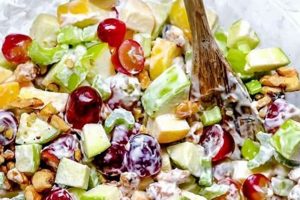
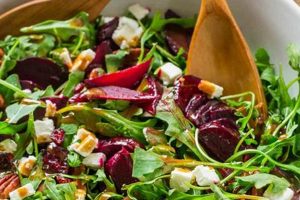
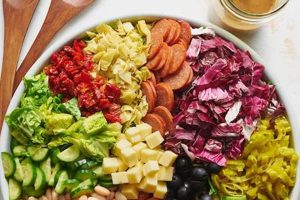
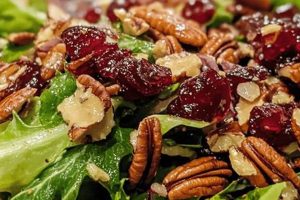
A salad featuring Bibb lettuce as the primary ingredient typically includes other components such as vegetables, fruits, nuts, cheeses, and a dressing. For instance, a simple preparation might involve Bibb lettuce, crumbled goat cheese, toasted pecans, and a light vinaigrette. The delicate, cup-shaped leaves of Bibb lettuce offer a tender texture and subtly sweet flavor, providing an excellent base for various complementary ingredients.
The popularity of salads centered on Bibb lettuce stems from the nutritional value and versatility of this green. Rich in vitamins A and K, as well as folate and other essential nutrients, Bibb lettuce contributes to a healthy diet. Its mild flavor profile allows it to pair well with a wide range of dressings and toppings, from tangy citrus vinaigrettes to creamy blue cheese dressings. Historically, cultivated varieties of lettuce, including Bibb, have been appreciated for their culinary and medicinal uses for centuries.
This article will explore various aspects of creating delicious and nutritious salads with Bibb lettuce. Topics covered will include selecting and preparing the lettuce, choosing complementary ingredients, creating flavorful dressings, and presenting the salad attractively.
Tips for Bibb Lettuce Salad Preparation
Creating a successful salad with Bibb lettuce involves attention to detail and an understanding of the interplay of flavors and textures. The following tips offer guidance for optimal results.
Tip 1: Selecting Quality Lettuce: Choose heads of Bibb lettuce that appear fresh and vibrant, with crisp, unblemished leaves. Avoid lettuce with wilted or browned edges.
Tip 2: Proper Storage: Store unwashed Bibb lettuce in a perforated plastic bag in the refrigerator’s crisper drawer to maintain freshness.
Tip 3: Gentle Washing: Wash the lettuce leaves carefully under cold running water, avoiding harsh handling that could bruise the delicate leaves. Dry thoroughly using a salad spinner or by gently patting with a clean kitchen towel.
Tip 4: Strategic Ingredient Pairing: Consider the flavor profiles of accompanying ingredients. Stronger cheeses, such as blue cheese or Roquefort, can balance the sweetness of the lettuce, while milder cheeses like goat cheese or feta offer a more subtle complement.
Tip 5: Dressing Application: Dress the salad just before serving to prevent the leaves from wilting. Toss gently to ensure even coating.
Tip 6: Enhancing Texture: Add textural contrast with ingredients such as toasted nuts, croutons, or seeds.
Tip 7: Presentation: Arrange the salad attractively on plates or in a serving bowl. Consider adding a garnish of fresh herbs or edible flowers.
By following these guidelines, one can consistently create delicious and visually appealing salads showcasing the unique qualities of Bibb lettuce.
These tips offer a solid foundation for preparing Bibb lettuce salads; the following section will provide further guidance on specific recipe variations.
1. Fresh Bibb Lettuce
Fresh Bibb lettuce forms the cornerstone of any successful Bibb lettuce salad recipe. Its quality directly impacts the final dish’s flavor, texture, and overall appeal. Understanding the characteristics of fresh Bibb lettuce is crucial for recipe selection and preparation.
- Leaf Appearance
Fresh Bibb lettuce exhibits vibrant green leaves with a slightly curved, cup-like shape. Leaves should appear crisp and unwilted, free from browning or discoloration. This visual inspection ensures optimal quality and contributes to an appealing final presentation.
- Texture and Flavor
Bibb lettuce possesses a delicate, tender texture and a subtly sweet, mild flavor. Freshness accentuates these qualities. A crisp texture provides a pleasant contrast to other salad components, while the subtle sweetness balances stronger flavors from dressings and toppings.
- Nutritional Value
Fresh Bibb lettuce offers essential vitamins and minerals. Vitamins A and K, along with folate, contribute to the nutritional value of the salad. Using fresh lettuce ensures these nutrients are readily available.
- Shelf Life and Storage
Proper storage extends the shelf life of Bibb lettuce. Refrigeration in a perforated bag, preferably in the crisper drawer, maintains freshness and prevents premature wilting. Careful handling minimizes bruising and damage, preserving quality for optimal culinary use.
These interconnected facets of fresh Bibb lettuce contribute significantly to a successful and satisfying salad. Selecting and handling the lettuce with care ensures that its delicate flavor, pleasing texture, and nutritional benefits are maximized in the final dish. The freshness of the Bibb lettuce influences not only the taste but also the overall aesthetic appeal of the salad, making it a crucial element in any Bibb lettuce salad recipe.
2. Complementary Ingredients

Complementary ingredients play a vital role in elevating Bibb lettuce salads from simple to exceptional. The mild flavor and delicate texture of Bibb lettuce provide a neutral canvas that allows a wide range of other ingredients to shine. Thoughtful selection of complementary ingredients creates balanced flavor profiles, adds textural complexity, and enhances nutritional value. The interplay between these ingredients and the Bibb lettuce determines the overall success of the salad. For instance, the sweetness of strawberries or pears can be balanced by the sharpness of a blue cheese, while the crunch of toasted nuts complements the soft texture of the lettuce.
Strategic combinations of complementary ingredients unlock diverse flavor possibilities. Roasted vegetables, such as beets or sweet potatoes, introduce earthy notes, while fresh herbs like mint or basil contribute brightness. Proteins, such as grilled chicken or shrimp, transform the salad into a more substantial meal. The choice of ingredients can also reflect seasonal variations, allowing for year-round enjoyment of Bibb lettuce salads. A summer salad might feature fresh berries and a light vinaigrette, while a winter salad could incorporate roasted root vegetables and a heartier dressing. Understanding these pairings enables the creation of well-balanced and flavorful salads tailored to specific preferences and occasions.
Effective use of complementary ingredients maximizes the potential of Bibb lettuce as a culinary centerpiece. The right combination of flavors and textures elevates a simple salad to a sophisticated and satisfying dish. Careful consideration should be given to the balance of sweet, savory, acidic, and crunchy elements. Achieving this harmony distinguishes a memorable salad from a mediocre one. Furthermore, the nutritional profile of the salad is significantly influenced by the choice of complementary ingredients. Incorporating a variety of fruits, vegetables, and lean proteins contributes to a more nutrient-rich and healthful meal. This approach ensures that Bibb lettuce salads are not only delicious but also contribute to a well-rounded diet.
3. Balanced Dressing
A balanced dressing is essential for a successful Bibb lettuce salad recipe. The dressing serves not only to coat the lettuce and other ingredients but also to tie the flavors together, creating a harmonious and enjoyable culinary experience. A well-balanced dressing complements the delicate flavor of Bibb lettuce without overpowering it, enhancing the overall taste and texture of the salad.
- Acidity
Acidity, often provided by vinegar or citrus juice, plays a critical role in balancing the sweetness of the lettuce and other ingredients, such as fruits. A touch of acidity brightens the flavors and prevents the salad from tasting bland. Examples include lemon juice, red wine vinegar, and balsamic vinegar. The level of acidity should be adjusted based on the other ingredients; a salad with sweeter components might require a more acidic dressing.
- Oil
Oil provides richness and mouthfeel to the dressing, counteracting the acidity and creating a more palatable texture. Common oils used in salad dressings include extra virgin olive oil, avocado oil, and grapeseed oil. The type of oil selected can also influence the flavor profile of the dressing. A robust olive oil, for example, might be suitable for a salad with Mediterranean flavors, while a neutral oil like grapeseed oil allows other ingredients to take center stage.
- Sweetness
A touch of sweetness can round out the flavor profile of the dressing, balancing the acidity and creating a more complex taste. Honey, maple syrup, or a pinch of sugar are common sweeteners used in salad dressings. Sweetness should be used judiciously to avoid overpowering the other flavors. A salad with already sweet components, such as fruits, might require less added sweetness in the dressing.
- Seasoning
Seasoning, including salt, pepper, and herbs, enhances the overall flavor profile of the dressing. Salt balances the other flavors and enhances the sweetness of the ingredients, while pepper adds a subtle layer of complexity. Fresh or dried herbs, such as dill, parsley, or chives, contribute distinct aromatic notes. The choice of herbs can be tailored to complement the other salad ingredients. For example, a salad with tomatoes and cucumbers might benefit from the addition of dill or mint to the dressing.
The careful balance of these elements acidity, oil, sweetness, and seasoning creates a dressing that not only complements the Bibb lettuce but also enhances the flavors of all the other ingredients, resulting in a cohesive and delicious salad. The interplay of these components determines the final character of the dressing, transforming a simple Bibb lettuce salad into a well-rounded culinary creation. A properly balanced dressing ensures the Bibb lettuce remains the star of the dish while allowing the other components to contribute their unique flavors and textures, resulting in a harmonious and satisfying culinary experience.
4. Proper Preparation
Proper preparation techniques are crucial for maximizing the quality and enjoyment of a Bibb lettuce salad recipe. These methods ensure the lettuce remains crisp, flavorful, and visually appealing, contributing significantly to the overall success of the dish. From careful handling to precise ingredient preparation, each step plays a vital role in creating a truly satisfying culinary experience.
- Lettuce Handling
Gentle handling of Bibb lettuce preserves its delicate leaves and prevents bruising. Rough treatment can damage the lettuce, leading to wilting and a less appealing presentation. Washing the leaves individually under cold running water minimizes damage and ensures thorough cleaning. Furthermore, drying the leaves completely using a salad spinner or gently patting with a clean towel prevents excess moisture from diluting the dressing and making the salad soggy.
- Ingredient Preparation
Proper preparation of complementary ingredients is essential for optimizing flavor and texture. Washing and drying fruits and vegetables thoroughly ensures cleanliness and prevents unwanted moisture in the salad. Slicing or chopping ingredients into uniform sizes promotes even distribution of flavors and enhances the aesthetic appeal. Additionally, specific preparations, like toasting nuts or grilling chicken, add depth and complexity to the overall flavor profile of the salad.
- Dressing Timing
The timing of dressing application significantly impacts the final quality of the salad. Adding the dressing too early can cause the lettuce to wilt and become soggy. Tossing the salad with the dressing just before serving maintains the crispness of the lettuce and prevents the other ingredients from becoming waterlogged. This practice preserves the texture and ensures a more enjoyable dining experience.
- Storage
Proper storage of prepared ingredients, including the lettuce and any pre-made components like dressings, is essential for maintaining freshness and preventing spoilage. Storing prepared ingredients separately and refrigerating them promptly ensures optimal quality and minimizes bacterial growth. Proper storage extends the shelf life of the ingredients and contributes to the safety and flavor of the final dish.
These proper preparation techniques contribute significantly to the overall success of a Bibb lettuce salad recipe. Careful attention to each step ensures the lettuce remains crisp and vibrant, the complementary ingredients contribute their full flavor potential, and the dressing enhances rather than detracts from the overall experience. By prioritizing these practices, one can consistently create delicious and visually appealing Bibb lettuce salads that showcase the quality of the ingredients and the skill of the preparer. The combination of fresh, high-quality ingredients and meticulous preparation elevates a simple Bibb lettuce salad to a truly delightful culinary creation.
5. Flavorful Combinations
Flavorful combinations are the essence of a successful Bibb lettuce salad recipe. The mild, slightly sweet flavor of Bibb lettuce provides a versatile backdrop for a wide array of ingredients, allowing for diverse and exciting flavor profiles. Strategic pairing of complementary flavors and textures elevates the salad from a simple dish to a culinary experience. Understanding the interplay of these elements is crucial for crafting a truly exceptional Bibb lettuce salad.
- Balancing Sweet and Savory
The subtle sweetness of Bibb lettuce pairs well with both savory and sweet ingredients. Balancing these contrasting flavors creates a more complex and satisfying taste. Pairing Bibb lettuce with salty cheeses like feta or parmesan, combined with the sweetness of dried cranberries or roasted butternut squash, offers a compelling example of this balance. The interplay of sweet and savory elements adds depth and dimension to the salad.
- Contrasting Textures
Textural variety adds interest and enjoyment to a Bibb lettuce salad. The tender leaves of Bibb lettuce benefit from the addition of crunchy elements such as toasted nuts, croutons, or seeds. A salad combining Bibb lettuce, candied pecans, crumbled goat cheese, and thinly sliced red onion exemplifies this principle. The contrasting textures provide a more engaging and satisfying culinary experience.
- Highlighting Seasonal Ingredients
Utilizing seasonal ingredients enhances the flavor and nutritional value of the salad while promoting culinary creativity. A spring salad might feature Bibb lettuce, fresh strawberries, asparagus, and a light lemon vinaigrette, while a fall salad could include Bibb lettuce, roasted pears, walnuts, and a balsamic glaze. Adapting the salad to seasonal ingredients ensures optimal flavor and freshness.
- Incorporating Herbs and Spices
Fresh herbs and spices add depth and complexity to the flavor profile of a Bibb lettuce salad. Mint, basil, chives, and tarragon are just a few examples of herbs that complement the delicate flavor of Bibb lettuce. A sprinkle of black pepper, a pinch of smoked paprika, or a dash of cayenne pepper can add subtle heat and intrigue. The careful use of herbs and spices enhances the overall sensory experience.
Mastering the art of flavorful combinations is fundamental to creating exceptional Bibb lettuce salad recipes. By understanding the principles of balancing sweet and savory elements, incorporating contrasting textures, highlighting seasonal ingredients, and utilizing herbs and spices, one can craft salads that are not only delicious but also visually appealing and nutritionally balanced. The interplay of these elements transforms Bibb lettuce from a simple base into a platform for culinary creativity and innovation, offering endless possibilities for delightful and satisfying salads.
6. Attractive Presentation
Attractive presentation significantly enhances the dining experience of a Bibb lettuce salad recipe. Visual appeal stimulates appetite and elevates perceived value, transforming a simple salad into a more enticing culinary creation. Consider a scenario where identical salads are presented differently: one heaped haphazardly on a plate, the other artfully arranged with vibrant colors and contrasting textures. The latter undoubtedly creates a more desirable impression, highlighting the importance of presentation as a key component of the overall recipe.
Several factors contribute to attractive presentation. Color plays a crucial role; incorporating a variety of colorful ingredients like tomatoes, bell peppers, or berries creates visual interest. Arrangement influences perception; strategically placing ingredients to showcase their textures and colors maximizes visual appeal. For example, arranging Bibb lettuce cups around the perimeter of a plate with other ingredients in the center creates a visually pleasing composition. The choice of servingware also contributes; a simple white plate allows the colors of the salad to shine, while a rustic wooden bowl adds a touch of warmth and texture. Garnishes, such as fresh herbs or edible flowers, provide finishing touches that elevate the presentation further. A sprinkle of chopped chives or a scattering of edible flower petals adds a touch of elegance and sophistication.
Understanding the impact of attractive presentation offers practical advantages. In restaurant settings, visually appealing salads enhance customer satisfaction and perceived value. For home cooks, attractive presentation elevates everyday meals and contributes to a more enjoyable dining experience. While flavor remains paramount, presentation enhances the sensory experience and adds an element of artistry to the culinary creation. Ignoring presentation diminishes the overall impact, even if the salad incorporates high-quality ingredients and a well-balanced dressing. Attractive presentation, therefore, represents a crucial, albeit often overlooked, element of a successful Bibb lettuce salad recipe, bridging the gap between mere sustenance and a truly satisfying culinary experience.
Frequently Asked Questions
This section addresses common inquiries regarding Bibb lettuce salad recipes, offering practical guidance and clarifying potential uncertainties. Understanding these aspects contributes to successful preparation and enjoyment of this versatile dish.
Question 1: How does one prevent Bibb lettuce from wilting in a salad?
Wilting is often caused by premature dressing application or improper storage. Storing unwashed lettuce in a perforated bag in the refrigerator’s crisper drawer helps maintain freshness. Dressing the salad immediately before serving prevents the leaves from becoming soggy.
Question 2: What are suitable alternatives to Bibb lettuce in recipes?
Butter lettuce, Boston lettuce, or even romaine hearts can serve as alternatives, although they offer slightly different textures and flavors. The choice of substitute depends on the desired outcome and the other ingredients in the salad.
Question 3: How can one enhance the flavor of a simple Bibb lettuce salad?
Incorporating fresh herbs, toasted nuts, or crumbled cheese adds depth and complexity. A flavorful vinaigrette, incorporating ingredients like Dijon mustard, honey, or garlic, also elevates the overall taste profile.
Question 4: What are ideal pairings for a Bibb lettuce salad with a vinaigrette dressing?
Fruits like strawberries, blueberries, or pears complement vinaigrette dressings well. Consider adding protein elements such as grilled chicken, salmon, or tofu for a more substantial meal.
Question 5: Can Bibb lettuce salads be prepared in advance?
While best served immediately, components can be prepared ahead of time. Store washed and dried lettuce separately from other ingredients and dress the salad just prior to serving to maintain freshness and prevent wilting.
Question 6: How can one make a Bibb lettuce salad more nutritious?
Adding nutrient-rich ingredients like avocado, roasted vegetables, seeds, or lean protein boosts nutritional value. Variety in ingredients contributes to a more balanced and healthful meal.
Careful attention to these details ensures the creation of a delicious and satisfying Bibb lettuce salad, tailored to individual preferences and dietary needs. Understanding these nuances maximizes the potential of this versatile ingredient.
The following section will offer several specific recipe variations, demonstrating the versatility of Bibb lettuce and providing practical examples of the principles discussed throughout this article.
Bibb Lettuce Salad Recipe
This exploration of Bibb lettuce salad recipes has highlighted the essential elements that contribute to a successful and satisfying culinary outcome. From the selection of fresh, vibrant Bibb lettuce to the careful consideration of complementary ingredients, dressings, and presentation, each aspect plays a vital role in the final product. Proper preparation techniques, including gentle handling and timely dressing application, ensure the lettuce maintains its delicate texture and flavor. The balance of flavors, textures, and colors creates a harmonious and appealing dish that elevates the simple act of eating a salad to a more engaging experience. The versatility of Bibb lettuce allows for diverse flavor combinations, accommodating seasonal ingredients and individual preferences.
Bibb lettuce salad recipes offer a canvas for culinary creativity, encouraging exploration and innovation within a framework of established principles. The potential for flavorful and visually appealing combinations is vast, limited only by imagination and access to fresh, high-quality ingredients. Further exploration of flavor profiles, textures, and presentation techniques promises continued evolution and refinement of Bibb lettuce salad recipes, ensuring their enduring presence in culinary traditions.