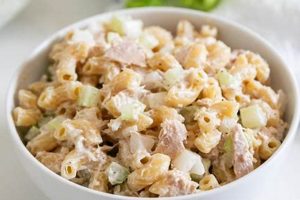
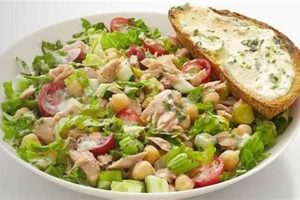
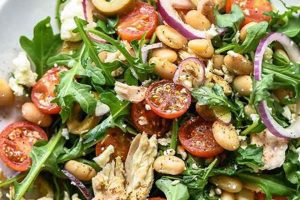
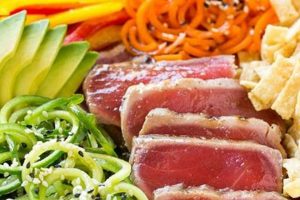
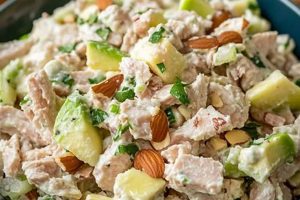
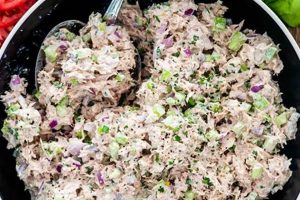
High-quality tuna salad combines appealing flavor profiles with nutritional value. A well-executed version typically features chunks of tuna, a binding agent (often mayonnaise), and complementary ingredients like celery, onion, or relish. Variations can incorporate diverse elements, ranging from herbs and spices to fruits and nuts, resulting in a wide spectrum of flavor possibilities.
Appealing as both a quick meal and a party staple, tuna salad offers versatility. It can be enjoyed as a sandwich filling, a salad topping, or a standalone dish. The historical evolution of tuna salad, from a relatively simple dish in the early 20th century to the numerous contemporary variations, reflects its adaptability to evolving tastes and dietary preferences. This adaptability makes exploring various tuna salad recipes a rewarding culinary endeavor.
The following sections will delve into specific variations, covering classic preparations alongside more innovative combinations. Techniques for achieving optimal texture and flavor will be addressed, along with tips for ingredient selection and storage.
Tips for Exceptional Tuna Salad
Creating truly exceptional tuna salad involves attention to detail and a willingness to experiment. The following tips offer guidance on achieving optimal flavor and texture.
Tip 1: Quality Tuna Selection: Opt for high-quality canned tuna packed in water or oil, depending on preference. Solid or chunk light tuna provides a firm texture, while albacore offers a milder flavor.
Tip 2: Mayonnaise Matters: The choice of mayonnaise significantly impacts the final product. Experiment with different brands or consider making homemade mayonnaise for enhanced flavor control.
Tip 3: Ingredient Ratios: Balance is key. Avoid overwhelming the tuna flavor with excessive amounts of other ingredients. Start with smaller quantities and adjust according to taste.
Tip 4: Freshness Enhancement: Incorporating fresh herbs, such as dill or parsley, elevates the flavor profile and adds brightness. A squeeze of lemon juice provides acidity and balances richness.
Tip 5: Textural Variety: Add chopped celery, red onion, or bell peppers for textural contrast. Nuts, such as walnuts or pecans, introduce a satisfying crunch.
Tip 6: Seasoning Strategies: Simple seasonings, like salt, black pepper, and paprika, enhance the overall flavor. Experiment with other spices, such as celery seed or garlic powder, for nuanced profiles.
Tip 7: Chilling for Flavor Development: Allowing the tuna salad to chill in the refrigerator for at least 30 minutes allows the flavors to meld and deepen.
By following these guidelines, one can consistently produce tuna salad that is both flavorful and satisfying. Attention to these details ensures a consistently enjoyable culinary experience.
The subsequent section will offer a selection of specific recipes, demonstrating the practical application of these tips.
1. High-Quality Tuna
High-quality tuna plays a pivotal role in crafting exceptional tuna salad. The inherent flavor and texture of the tuna significantly influence the final product. Tuna packed in water offers a cleaner, more neutral flavor profile, allowing other ingredients to shine. Oil-packed tuna, while offering a richer flavor, can sometimes introduce an overly fishy taste if the oil quality is subpar. Selecting tuna with a firm, meaty texture ensures a pleasant mouthfeel and prevents the salad from becoming mushy. For instance, solid or chunk light tuna typically provides a firmer texture compared to flaked tuna. Albacore, known for its milder flavor, offers a delicate counterpoint to bolder ingredients.
Inferior tuna can impart undesirable flavors or textures, detracting from the overall enjoyment of the salad. A “fishy” taste, often associated with lower-quality tuna, can overpower other ingredients and create an unpleasant sensory experience. Similarly, a mushy or watery texture can result in a less appealing salad. The quality of the tuna directly impacts the ultimate satisfaction derived from consuming the final product. Opting for premium tuna significantly elevates the culinary experience.
Understanding the impact of tuna quality allows for informed purchasing decisions and contributes to creating superior tuna salad. Prioritizing high-quality tuna, whether packed in water or oil, lays the foundation for a delicious and enjoyable culinary experience. This focus on quality ingredients distinguishes exceptional tuna salad from mediocre versions. By recognizing the significance of this key component, one can consistently achieve optimal results.
2. Optimal Mayonnaise
Optimal mayonnaise selection significantly impacts the overall quality of tuna salad. Mayonnaise serves as the binding agent, influencing both flavor and texture. The right mayonnaise complements the tuna, enhancing its inherent qualities without overpowering them. A balanced flavor profile, neither too tangy nor too bland, is crucial. The texture should be smooth and creamy, contributing to a desirable mouthfeel. For example, a classic, egg-based mayonnaise provides a rich, traditional flavor, while a lighter, olive oil-based mayonnaise offers a subtler taste and a slightly thinner consistency. Choosing the wrong mayonnaise, such as one with excessive sweetness or a strong artificial flavor, can negatively impact the final product. A mayonnaise that is too thick can result in a heavy, dense salad, whereas a thin mayonnaise may lead to a watery consistency.
The fat content of mayonnaise also plays a role. A higher fat content contributes to a richer, creamier texture, while a lower fat content yields a lighter salad. This consideration allows for customization based on dietary preferences or desired flavor profiles. For instance, using a full-fat mayonnaise creates a luxurious, classic tuna salad, while a reduced-fat option offers a lighter alternative. The quantity of mayonnaise used also impacts the final outcome; too much can result in an overly rich and heavy salad, while too little can lead to a dry, crumbly texture. Finding the right balance is essential for achieving the perfect consistency.
Understanding the nuances of mayonnaise selection enables the creation of truly exceptional tuna salad. Careful consideration of flavor, texture, and fat content, along with appropriate portioning, ensures a well-balanced and satisfying dish. The interplay between mayonnaise and other ingredients contributes to a harmonious blend of flavors and textures, resulting in a superior culinary experience. By recognizing the significance of mayonnaise selection, one can consistently produce high-quality tuna salad that satisfies the palate and elevates this simple dish to a new level of culinary enjoyment.
3. Balanced Flavor Profile

A balanced flavor profile distinguishes exceptional tuna salad from mediocre versions. Harmony among ingredients, rather than dominance by any single element, defines this balance. Achieving this requires careful consideration of each component’s contribution to the overall taste experience. A well-balanced tuna salad engages the palate with a complex interplay of flavors, resulting in a more satisfying and enjoyable culinary experience.
- Acidity
Acidity provides brightness and cuts through the richness of the mayonnaise and tuna. Ingredients like lemon juice, vinegar, or pickles introduce this crucial element. For instance, a squeeze of fresh lemon juice brightens the flavor profile, while chopped dill pickles offer a tangy counterpoint. Without sufficient acidity, tuna salad can taste heavy and overly rich.
- Saltiness
Salt enhances the flavors of other ingredients and provides a savory backbone. A judicious amount of salt, whether from added salt or naturally salty ingredients like capers or olives, is essential. Over-salting, however, can easily mask other flavors and create an unpleasant experience. A delicate balance ensures that salt complements rather than overwhelms the other components.
- Sweetness
A touch of sweetness can balance the savory elements and add depth of flavor. Finely diced red onion or a small amount of sweet relish can introduce this subtle sweetness. However, excessive sweetness can clash with the savory notes of the tuna, creating a disharmonious flavor profile. Careful moderation is key to achieving balance.
- Umami
Umami, the savory, meaty flavor, forms the core of tuna salad. High-quality tuna inherently possesses umami, but ingredients like Worcestershire sauce or a dash of soy sauce can further enhance this element. This savory depth adds complexity and richness to the overall flavor profile, making the tuna salad more satisfying and flavorful.
By carefully balancing these flavor componentsacidity, saltiness, sweetness, and umamione can elevate tuna salad from simple to exceptional. The interplay of these elements creates a symphony of flavors that engage the palate and deliver a truly satisfying culinary experience. A well-balanced tuna salad showcases the potential of this seemingly simple dish, demonstrating the power of thoughtful ingredient selection and proportioning.
4. Fresh Ingredients
Fresh ingredients play a crucial role in elevating tuna salad from ordinary to exceptional. While canned tuna forms the base, the incorporation of fresh components contributes significantly to the overall flavor, texture, and aroma of the final product. Fresh ingredients introduce vibrancy and complexity, transforming a simple tuna salad into a culinary delight. Their inclusion not only enhances the sensory experience but also offers nutritional benefits.
- Aromatic Herbs
Fresh herbs provide a bright, aromatic counterpoint to the richness of the tuna and mayonnaise. Dill, parsley, chives, and tarragon are excellent choices, each imparting a unique flavor profile. For example, dill adds a slightly tangy, anise-like flavor, while parsley contributes a fresh, grassy note. The use of fresh herbs elevates the overall complexity of the tuna salad, adding depth and dimension beyond the core ingredients.
- Crisp Vegetables
Incorporating crisp vegetables introduces textural contrast and a refreshing element. Finely diced celery, red onion, bell peppers, or water chestnuts offer a satisfying crunch. Celery, with its slightly bitter flavor, provides a classic pairing with tuna, while red onion adds a pungent sweetness. These textural and flavor contrasts create a more dynamic and enjoyable eating experience.
- Zesty Citrus
A touch of citrus brightens the flavor profile and adds a refreshing acidity. Lemon or lime juice enhances the other ingredients, balancing the richness of the mayonnaise and tuna. A squeeze of fresh lemon juice adds a vibrant citrus note and helps to unify the flavors of the salad. This acidic element is crucial for achieving a balanced and harmonious flavor profile.
- Pungent Alliums
Alliums, such as finely minced red onion, shallots, or garlic, contribute a pungent depth of flavor. Red onion adds a slightly sweet and sharp note, while shallots offer a milder, more nuanced flavor. Garlic, used sparingly, can add a subtle savory depth. These pungent elements enhance the overall complexity of the tuna salad, adding layers of flavor beyond the core ingredients.
The strategic incorporation of these fresh ingredients elevates tuna salad from a basic staple to a gourmet experience. The interplay of fresh herbs, crisp vegetables, zesty citrus, and pungent alliums creates a symphony of flavors and textures, demonstrating the transformative power of fresh, high-quality ingredients in even the simplest of dishes. The careful selection and balance of these components contribute to a truly exceptional tuna salad, showcasing the importance of freshness in achieving culinary excellence.
5. Textural Complexity
Textural complexity contributes significantly to the overall enjoyment of best tuna salad recipes. A monotonous texture, regardless of flavor, can result in a less satisfying culinary experience. A dynamic interplay of textures elevates tuna salad, making it more engaging and palatable. Varying textures create points of interest, preventing the dish from feeling one-dimensional. This section explores the facets of textural complexity in tuna salad.
- Crunchy Elements
Crunchy elements provide a satisfying contrast to the softness of the tuna and the creaminess of the mayonnaise. Common examples include chopped celery, water chestnuts, chopped nuts (such as walnuts or pecans), or even crumbled potato chips. These additions introduce a textural counterpoint, preventing the salad from becoming overly smooth and homogenous. The interplay of creamy and crunchy textures enhances the overall sensory experience.
- Firm Tuna Pieces
Maintaining distinct, firm pieces of tuna enhances the textural appeal. Overmixing or using overly flaked tuna can result in a mushy texture. Solid or chunk light tuna offers a more substantial bite compared to finely flaked tuna. This firmness contributes to a more satisfying mouthfeel and prevents the salad from becoming paste-like. The presence of discernible tuna pieces adds to the overall textural complexity.
- Soft Binding Agent
The binding agent, typically mayonnaise, contributes a creamy texture that contrasts with the firmer elements. The amount of mayonnaise used directly impacts the final texture. Too much mayonnaise results in an overly creamy, heavy salad, while too little can create a dry, crumbly mixture. The ideal balance provides a smooth, creamy texture that coats the other ingredients without overwhelming them. This creamy element complements the crunchier components, creating a balanced textural profile.
- Varied Vegetable Sizes
Varying the size and shape of vegetable additions introduces further textural complexity. Dicing celery into larger pieces, while finely mincing red onion, for instance, offers varied textural experiences within each bite. This diversity prevents the salad from feeling uniform and adds another layer of interest. The interplay of different vegetable sizes enhances the overall sensory experience.
Achieving optimal textural complexity in tuna salad requires thoughtful consideration of each ingredient’s contribution. Balancing creamy, crunchy, and firm elements results in a more dynamic and engaging dish. This attention to texture elevates tuna salad beyond a simple mixture of ingredients, transforming it into a culinary experience that delights the palate with its diverse textural profile. The interplay of these elements contributes significantly to what constitutes a truly exceptional and satisfying tuna salad.
6. Appropriate Seasonings
Appropriate seasonings are essential for achieving high-quality tuna salad. Seasoning influences the overall flavor profile, enhancing the inherent taste of the tuna and other ingredients. The delicate balance of seasonings distinguishes exceptional tuna salad from bland or overpowering variations. A thoughtful approach to seasoning elevates the dish, transforming it from simple to sophisticated. For instance, classic combinations like salt and black pepper provide a foundational savory base, while the addition of paprika introduces a subtle smokiness and vibrant color. Incorporating dried herbs, such as dill, parsley, or chives, complements the fresh ingredients, adding depth and complexity. A dash of garlic powder or onion powder can enhance the savory notes without overpowering the delicate flavor of the tuna. Over-seasoning, however, can easily mask the subtle nuances of the other ingredients, resulting in a less balanced and enjoyable experience. The judicious use of seasonings allows the natural flavors of the tuna and other components to shine through while adding depth and complexity.
Specific seasonings can create distinct flavor profiles tailored to individual preferences. A Mediterranean-inspired tuna salad might incorporate oregano, basil, and a touch of lemon zest, while a spicier version could include cayenne pepper or a pinch of red pepper flakes. The versatility of tuna salad allows for a wide range of seasoning combinations, enabling culinary exploration and customization. Understanding the interplay of different seasonings empowers one to create unique and personalized flavor experiences. Experimentation with various spices and herbs can lead to exciting discoveries, transforming a classic dish into a personalized culinary creation. The careful selection and balance of seasonings contribute significantly to achieving a truly exceptional and memorable tuna salad.
Seasoning mastery is crucial for achieving depth and complexity in tuna salad. The considered use of spices and herbs elevates this simple dish, adding layers of flavor that engage the palate. A well-seasoned tuna salad demonstrates an understanding of flavor balance and the ability to enhance, not mask, the inherent qualities of the ingredients. This attention to detail distinguishes a truly exceptional tuna salad from a mediocre one, demonstrating the power of appropriate seasonings in transforming a simple dish into a culinary masterpiece. The careful balance of seasonings contributes significantly to the overall enjoyment and satisfaction derived from consuming a well-crafted tuna salad.
7. Proper Chilling
Proper chilling is a crucial step often overlooked in crafting exceptional tuna salad. While seemingly simple, this practice significantly impacts the final product’s flavor, texture, and overall quality. Chilling allows the diverse flavors to meld and harmonize, creating a more cohesive and enjoyable culinary experience. Insufficient chilling can result in a bland or disjointed flavor profile, diminishing the potential of even the highest-quality ingredients.
- Flavor Development
Chilling allows the individual flavors of the ingredientstuna, mayonnaise, vegetables, seasoningsto meld and deepen. This fusion creates a more complex and nuanced flavor profile than immediately after mixing. Similar to marinating, the chilling period allows the ingredients to interact and enhance one another, resulting in a more harmonious and balanced taste.
- Texture Enhancement
Chilling firms the texture of the tuna salad, making it easier to handle and spread. This is particularly important for sandwiches or wraps, where a firmer filling is desirable. The chilling process also allows the mayonnaise to emulsify more fully with the other ingredients, creating a smoother, more cohesive texture. This contributes to a more pleasant mouthfeel and prevents the salad from becoming watery or runny.
- Food Safety
Proper chilling inhibits bacterial growth, ensuring food safety. Maintaining tuna salad at a safe temperature, below 40F (4C), is crucial for preventing spoilage and foodborne illness. This is particularly important for dishes containing mayonnaise, a perishable ingredient. Adhering to food safety guidelines through proper chilling protects consumers and ensures the enjoyment of the tuna salad without health risks.
- Enhanced Sensory Experience
A chilled tuna salad offers a more refreshing and enjoyable sensory experience, especially in warmer weather. The cool temperature enhances the perception of flavors and textures, making the salad more palatable and invigorating. This contributes to the overall enjoyment of the dish, elevating it from a simple meal to a more satisfying culinary experience.
The seemingly simple act of chilling significantly contributes to the creation of exceptional tuna salad. By allowing flavors to meld, textures to firm, and ensuring food safety, proper chilling elevates this classic dish. The enhanced sensory experience resulting from a perfectly chilled tuna salad underscores the importance of this often-overlooked step in achieving culinary excellence. Understanding the impact of proper chilling empowers one to consistently create high-quality tuna salad that delights the palate and satisfies the senses.
Frequently Asked Questions
This section addresses common inquiries regarding optimal tuna salad preparation, offering concise and informative responses to facilitate culinary success.
Question 1: What type of tuna is best suited for tuna salad?
While various tuna types can be utilized, albacore or solid/chunk light tuna packed in water or oil generally yield superior results. Albacore offers a milder flavor, while solid/chunk light tuna provides a firmer texture. The packing liquid influences the richness and overall flavor profile.
Question 2: How can one prevent tuna salad from becoming overly dry?
Excessive dryness often stems from insufficient mayonnaise or overmixing. A balanced mayonnaise-to-tuna ratio is crucial. Gentle mixing, rather than vigorous stirring, preserves the tuna’s integrity and prevents a dry, crumbly texture. Adding a small amount of plain yogurt or sour cream can also enhance moisture and creaminess.
Question 3: What are effective strategies for enhancing the flavor of tuna salad beyond basic seasonings?
Fresh herbs, such as dill, parsley, or chives, introduce brightness and complexity. Incorporating finely diced vegetables like celery, red onion, or bell peppers adds textural and flavor dimensions. A dash of lemon juice or vinegar contributes acidity, balancing richness. Spices like paprika, celery seed, or garlic powder can further enhance the flavor profile.
Question 4: How long can tuna salad be safely stored in the refrigerator?
Properly stored tuna salad typically remains safe for consumption for three to five days in a refrigerator maintained at 40F (4C) or below. Airtight containers prevent contamination and maintain freshness. Discarding any tuna salad exhibiting off-odors or discoloration is essential for food safety.
Question 5: Can tuna salad be frozen for later consumption?
While freezing is possible, it’s generally not recommended. Freezing can negatively impact the texture of the mayonnaise, resulting in a less desirable consistency upon thawing. The delicate flavors of fresh ingredients may also be compromised. For optimal quality, it is advisable to consume tuna salad within a few days of preparation.
Question 6: How can one adapt tuna salad to accommodate dietary restrictions, such as gluten-free or low-fat diets?
Gluten-free adaptations involve using gluten-free bread or crackers for serving. For low-fat versions, substitute plain Greek yogurt or avocado for a portion of the mayonnaise. Incorporating additional vegetables increases volume and nutritional value without adding excessive calories. Adjusting ingredient ratios and utilizing leaner tuna options allows customization based on specific dietary requirements.
Addressing these common questions provides a foundation for consistent tuna salad success. Understanding these key aspects empowers individuals to create personalized variations that cater to specific tastes and dietary needs.
The following section will offer a collection of curated recipes, demonstrating the practical application of the principles discussed throughout this article.
Crafting the Best Tuna Salad Recipes
Exploration of optimal tuna salad preparation necessitates attention to key components. High-quality tuna selection forms the foundation. Optimal mayonnaise choice influences both flavor and texture. A balanced flavor profile, achieved through acidity, saltiness, sweetness, and umami, distinguishes exceptional versions. Fresh ingredients, including herbs, vegetables, and citrus, contribute vibrancy. Textural complexity, achieved through crunchy elements and varied vegetable sizes, enhances the sensory experience. Appropriate seasonings amplify inherent flavors without overpowering subtle nuances. Proper chilling allows flavor melding and texture enhancement. Addressing these facets elevates tuna salad from simple to exceptional.
Culinary experimentation within established guidelines yields personalized variations. Adaptation to dietary restrictions further broadens possibilities. Continual refinement of technique, coupled with ingredient exploration, unlocks the full potential of this versatile dish. Mastery of these elements ensures consistent creation of tuna salad that transcends the ordinary, offering a culinary experience that satisfies and delights.