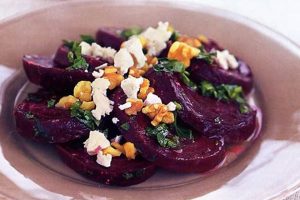
Combinations of fresh produce lightly dressed with an acidic, sweet, and slightly tangy vinaigrette based on balsamic vinegar represent a vibrant and versatile culinary category. For example, a simple salad might feature baby spinach, sliced strawberries, crumbled goat cheese, and toasted walnuts, all brought together with a dressing of balsamic vinegar, olive oil, Dijon mustard, and honey. The variations are endless, incorporating diverse ingredients and flavor profiles.
These types of salads offer numerous advantages. The vinegar’s acidity not only contributes to a bright, refreshing flavor but also helps preserve the freshness of ingredients. Balsamic vinegar is known for its relatively low acidity compared to other vinegars, and certain varieties boast potential health benefits, including antioxidant properties. Historically, balsamic vinegar originated in the Modena and Reggio Emilia regions of Italy, where it was traditionally aged for years, resulting in a complex, syrupy condiment. Its use in salads reflects a modern appreciation for its distinct character and versatility.
Further exploration will delve into selecting appropriate ingredients, crafting balanced dressings, and presenting these salads effectively. Specific recipes, tips for customizing flavors, and guidance on pairing salads with complementary dishes will also be discussed.
Tips for Crafting Exceptional Balsamic Vinegar Salads
Achieving a harmonious balance of flavors and textures is key to a successful salad. These tips provide guidance for ingredient selection, dressing preparation, and overall presentation.
Tip 1: Balance Sweet and Savory Elements: Counteract the sweetness of balsamic vinegar with savory components. Consider incorporating ingredients like sharp cheeses (Gorgonzola, feta), cured meats (prosciutto, salami), or roasted vegetables (peppers, zucchini).
Tip 2: Embrace Textural Variety: Introduce diverse textures for a more engaging culinary experience. Combine crunchy elements (nuts, seeds, croutons) with softer components (lettuce, tomatoes, avocado) and creamy additions (cheese, aioli).
Tip 3: Select High-Quality Balsamic Vinegar: The quality of the vinegar significantly impacts the final result. Opt for authentic balsamic vinegar from Modena or Reggio Emilia for a richer, more complex flavor profile.
Tip 4: Emulsify Dressings Properly: A stable emulsion prevents the dressing from separating. Whisk the oil and vinegar together vigorously or use a blender to create a smooth, cohesive mixture.
Tip 5: Season Thoughtfully: Don’t overlook the importance of proper seasoning. Use sea salt and freshly cracked black pepper to enhance the overall flavor profile of the salad.
Tip 6: Dress Salad Just Before Serving: Prevent soggy greens by adding the dressing immediately before serving. This preserves the crispness and texture of delicate ingredients.
Tip 7: Consider Ingredient Seasonality: Utilize fresh, seasonal produce for optimal flavor and nutritional value. Adapt recipes based on what is readily available in local markets.
Tip 8: Garnish Strategically: A well-chosen garnish elevates the visual appeal and adds a final touch of flavor. Consider fresh herbs, edible flowers, or a sprinkle of toasted nuts or seeds.
By implementing these tips, one can create salads that are not only delicious but also visually appealing and nutritionally balanced. Attention to detail ensures a consistently satisfying dining experience.
The following section will offer specific recipe examples showcasing the versatility of balsamic vinegar in salad preparations.
1. Fresh, Seasonal Produce

The foundation of any successful balsamic vinegar salad recipe lies in the quality and freshness of its ingredients. Utilizing seasonal produce not only elevates flavor profiles but also ensures optimal nutritional value. This emphasis on freshness aligns perfectly with the bright, acidic nature of balsamic vinegar, creating a harmonious and vibrant culinary experience.
- Enhanced Flavor Profiles
Seasonal fruits and vegetables, harvested at their peak ripeness, offer the most intense and nuanced flavors. A winter citrus salad, for example, benefits from the sweetness of in-season oranges and grapefruits, which complements the tangy notes of balsamic vinegar. In contrast, a summer salad might showcase the sweetness of ripe tomatoes and the peppery bite of fresh basil, creating a different yet equally compelling flavor profile when paired with balsamic.
- Nutritional Advantages
Produce consumed in season boasts higher nutrient content compared to out-of-season counterparts. These nutrients contribute to overall health and well-being, further enhancing the benefits of consuming salads. For instance, incorporating nutrient-rich spinach or kale during their respective seasons provides a substantial boost of vitamins and minerals.
- Support for Local Agriculture
Choosing seasonal ingredients often translates to supporting local farmers and reducing the environmental impact associated with long-distance transportation. This commitment to sustainability aligns with a broader culinary philosophy that values fresh, locally sourced ingredients. Farmers’ markets offer a prime opportunity to discover seasonal gems and connect directly with growers.
- Recipe Adaptability and Creativity
The cyclical nature of seasonal produce encourages culinary creativity and adaptation. Recipes can be modified to incorporate the best ingredients available at any given time of year. This flexibility allows for continuous exploration and discovery of new flavor combinations. A spring salad might utilize asparagus and peas, while a fall salad could feature roasted root vegetables like butternut squash and beets, each showcasing the versatility of balsamic vinegar in different seasonal contexts.
By prioritizing fresh, seasonal produce, balsamic vinegar salad recipes transcend mere culinary creations and become expressions of a deeper connection to the natural world. The vibrant flavors, enhanced nutritional value, and support for local agriculture all contribute to a more enriching and sustainable dining experience.
2. High-quality Balsamic Vinegar

The quality of balsamic vinegar plays a pivotal role in determining the overall success of a balsamic vinegar salad recipe. It is the cornerstone upon which the entire flavor profile rests, influencing the balance of sweetness, acidity, and complexity. Understanding the characteristics of high-quality balsamic vinegar is essential for achieving truly exceptional results.
- Authenticity and Origin
Authentic balsamic vinegar, particularly those bearing designations like “Aceto Balsamico Tradizionale di Modena DOP” or “Aceto Balsamico Tradizionale di Reggio Emilia DOP,” signifies adherence to strict production methods and geographical origin. These designations guarantee a product of exceptional quality, crafted using traditional techniques and aged for extended periods, resulting in a complex, syrupy consistency and rich flavor profile.
- Ingredient Integrity
High-quality balsamic vinegar relies solely on cooked grape must as its primary ingredient. The absence of added sugars, caramel coloring, or other additives ensures a pure and authentic flavor. This focus on ingredient purity contributes to a cleaner, more nuanced taste that enhances the other salad components.
- Aging and Complexity
The aging process contributes significantly to the depth and complexity of balsamic vinegar. Extended aging in wooden barrels, often for years or even decades, imparts distinct flavor characteristics derived from the wood. This maturation process results in a mellower acidity and a more concentrated, syrupy consistency, which adds a luxurious touch to salad dressings.
- Balance of Sweetness and Acidity
A harmonious balance between sweetness and acidity is a hallmark of high-quality balsamic vinegar. The sweetness should not be overpowering, but rather complement the natural acidity, creating a balanced and nuanced flavor profile. This balanced profile allows the vinegar to enhance, rather than mask, the flavors of the other salad ingredients.
Investing in high-quality balsamic vinegar elevates a simple salad into a culinary experience. Its complex flavor profile, derived from traditional production methods and careful aging, provides a depth and richness that enhances the overall composition of the dish. The difference between a salad dressed with high-quality balsamic vinegar and one with an inferior product is readily discernible, highlighting the vinegar’s significant contribution to the final result.
3. Complementary Flavor Pairings

The success of a balsamic vinegar salad recipe hinges significantly on the thoughtful selection of ingredients that complement the vinegar’s distinctive character. Balsamic vinegar, with its inherent sweetness and tangy acidity, provides a versatile backdrop for a wide range of flavor combinations. Understanding these complementary pairings allows for the creation of balanced and nuanced salads that highlight the vinegar’s unique qualities.
- Sweet and Savory Balance
The inherent sweetness of balsamic vinegar necessitates the incorporation of savory elements to achieve a harmonious balance. Ingredients such as salty cheeses (feta, Parmesan), cured meats (prosciutto, pancetta), or roasted vegetables (Brussels sprouts, sweet potatoes) provide a counterpoint to the vinegar’s sweetness, preventing an overly saccharine profile. The interplay of sweet and savory creates a dynamic flavor profile that engages the palate.
- Textural Contrasts
While flavor pairings are paramount, textural variety elevates the sensory experience of a balsamic vinegar salad. The smooth, viscous nature of the vinegar benefits from the incorporation of crunchy elements like toasted nuts (walnuts, pecans), seeds (pumpkin, sunflower), or croutons. The juxtaposition of textures adds a layer of complexity and prevents the salad from becoming monotonous. Crisp lettuce leaves against creamy avocado and crunchy nuts offer a compelling textural interplay.
- Fruit and Balsamic Synergy
The sweet and acidic notes of balsamic vinegar create a natural affinity for various fruits. Strawberries, blueberries, figs, and pears offer complementary sweetness and subtle tartness, enhancing the vinegar’s flavor profile. The addition of fruit also introduces vibrant colors and juicy textures, further enriching the salad. A salad featuring fresh berries, crumbled goat cheese, and a balsamic glaze exemplifies this synergy.
- Herbal Accents
Fresh herbs contribute aromatic complexity and subtle flavor nuances to balsamic vinegar salads. Basil, mint, oregano, and thyme offer distinct herbal notes that complement the vinegar’s tangy sweetness. These herbs can be incorporated into the dressing or sprinkled over the salad as a garnish, adding a final touch of freshness and vibrancy. A Caprese salad with fresh basil and a balsamic reduction illustrates this harmonious combination.
By carefully considering these complementary flavor pairings, a balsamic vinegar salad transcends a simple combination of ingredients and becomes a carefully orchestrated symphony of flavors and textures. The vinegar serves as a conductor, bringing together diverse elements into a harmonious and satisfying whole. These pairings unlock the full potential of balsamic vinegar, transforming it from a simple condiment into the star of a culinary masterpiece.
4. Balanced Sweetness and Acidity

The interplay of sweetness and acidity forms the cornerstone of a successful balsamic vinegar salad recipe. A harmonious balance between these two contrasting flavor profiles is essential for creating a dressing that complements, rather than overwhelms, the other salad components. Understanding the nuances of this balance allows for greater control over the final flavor profile and elevates the salad from simple to sophisticated.
- The Role of Balsamic Vinegar
Balsamic vinegar, with its inherent sweetness derived from cooked grape must, provides the foundation for this balance. The quality of the vinegar plays a crucial role; aged balsamic vinegars possess a mellower acidity and more concentrated sweetness compared to younger varieties. Choosing the right balsamic sets the stage for the overall flavor profile of the salad.
- Counterbalancing Acidity
While balsamic vinegar contributes both sweetness and acidity, additional acidic elements often enhance the balance. Citrus juices (lemon, lime, orange), red wine vinegar, or even a touch of Dijon mustard can introduce a sharper acidity that cuts through the richness of the balsamic. This interplay prevents the sweetness from becoming cloying and adds brightness to the dressing. A salad featuring balsamic-glazed roasted vegetables might benefit from a squeeze of fresh lemon juice to heighten the flavor contrast.
- Enhancing Sweetness
In some cases, a touch of added sweetness may be required to achieve the desired balance. A small amount of honey, maple syrup, or even a pinch of sugar can subtly enhance the sweetness of the balsamic vinegar, rounding out the flavor profile. This is particularly relevant when using balsamic vinegars with a more pronounced acidity. A salad featuring peppery arugula and balsamic-dressed strawberries might benefit from a drizzle of honey to balance the peppery greens and tart berries.
- Impact on Overall Flavor Profile
The careful calibration of sweetness and acidity profoundly impacts the final flavor profile of the salad. A well-balanced dressing enhances the natural flavors of the other ingredients, creating a harmonious and complex taste experience. An overly sweet dressing can mask the subtle flavors of fresh produce, while an excessively acidic dressing can be jarring and unpleasant. A Caprese salad, with its delicate mozzarella and ripe tomatoes, requires a perfectly balanced balsamic glaze to highlight the inherent flavors of each component.
Achieving a harmonious balance of sweetness and acidity in a balsamic vinegar salad dressing is a critical step toward creating a truly exceptional culinary experience. This balance allows the balsamic vinegar to shine, enhancing the other ingredients and creating a symphony of flavors that delight the palate. Mastery of this principle distinguishes a simple salad from a truly memorable dish.
5. Varied Textures
Textural diversity contributes significantly to the overall enjoyment of a balsamic vinegar salad recipe. Beyond flavor profiles, the interplay of textures creates a more engaging and satisfying sensory experience. This element elevates the salad from a simple combination of ingredients to a multi-dimensional culinary creation. The smooth, often viscous nature of balsamic vinegar provides a foundation upon which contrasting textures can build a more complex and appealing dish.
Consider the contrast between crisp lettuce leaves, such as romaine or radicchio, and the tender texture of roasted vegetables like bell peppers or zucchini. Adding toasted nuts or seeds introduces a welcome crunch, while creamy cheeses like goat cheese or feta provide a smooth counterpoint. Even the balsamic vinegar itself can contribute textural variation; a reduction creates a thicker, more syrupy consistency that coats and clings to the other ingredients, adding another layer of textural complexity. A salad featuring grilled chicken, candied pecans, crumbled blue cheese, and mixed greens dressed with a balsamic vinaigrette exemplifies this dynamic interplay of textures.
The practical significance of incorporating varied textures extends beyond mere sensory pleasure. The contrasting textures encourage more thorough chewing, which aids in digestion and enhances the release of flavors. Furthermore, a well-balanced textural profile can contribute to a greater sense of satiety, making the salad a more satisfying and complete meal. Understanding the role of texture in balsamic vinegar salad recipes enables the creation of dishes that are not only flavorful but also offer a more complete and enjoyable dining experience. Neglecting textural diversity can result in a monotonous and less satisfying culinary experience, even if the flavor profile is well-balanced. Attention to this detail demonstrates culinary expertise and elevates the perceived quality of the dish.
6. Appealing Presentation
The visual appeal of a balsamic vinegar salad recipe significantly impacts the overall dining experience. Presentation elevates the dish beyond mere sustenance, transforming it into a feast for the eyes as well as the palate. A thoughtfully presented salad entices the diner and enhances the perceived value of the culinary creation. While flavor and texture remain paramount, presentation adds another layer of sophistication and enjoyment.
- Color Palette and Arrangement
A vibrant and harmonious color palette enhances the visual appeal of a balsamic vinegar salad. Consider the interplay of greens from various lettuces, the deep reds of tomatoes or berries, the bright yellows of bell peppers, and the contrasting whites of cheeses. Strategic arrangement of these elements creates visual interest and draws the diner’s attention. A Caprese salad, with its classic tricolor arrangement, exemplifies the impact of color and arrangement on presentation.
- Plate Selection and Composition
The choice of plate or serving dish plays a subtle yet important role in presentation. The size, shape, and color of the plate should complement the salad, not detract from it. White plates often provide a neutral backdrop that allows the colors of the salad to shine, while more colorful or patterned plates can add a touch of visual interest. Avoid overcrowding the plate; allow for negative space to enhance the visual impact of the salad. Serving individual portions in small bowls or on plates adds a touch of elegance.
- Garnishes and Finishing Touches
A carefully chosen garnish adds a final flourish and enhances the visual appeal of a balsamic vinegar salad. Fresh herbs, a sprinkle of toasted nuts, a drizzle of balsamic glaze, or a few edible flowers add color, texture, and aroma. Garnishes should be used sparingly and complement the flavors of the salad, not overpower them. A sprinkle of chopped chives or a drizzle of olive oil can provide a simple yet effective finishing touch.
- Sauce and Dressing Application
The way in which the balsamic vinegar dressing is applied impacts both the visual appeal and flavor distribution of the salad. Rather than simply pouring the dressing over the entire salad, consider drizzling it artfully over the components or serving it on the side. This allows diners to control the amount of dressing and prevents the salad from becoming soggy. For a more refined presentation, a balsamic glaze can be used to create decorative swirls or patterns on the plate.
Appealing presentation enhances the overall dining experience by engaging multiple senses. A visually appealing salad stimulates the appetite and creates a sense of anticipation. When combined with well-balanced flavors and textures, thoughtful presentation elevates a balsamic vinegar salad from a simple dish to a memorable culinary experience. This attention to detail transforms the act of eating into a more holistic and satisfying experience.
Frequently Asked Questions
This section addresses common inquiries regarding balsamic vinegar salad recipes, offering practical guidance and clarifying potential misconceptions.
Question 1: What type of balsamic vinegar is best suited for salad dressings?
While various types of balsamic vinegar exist, those labeled “Aceto Balsamico Tradizionale di Modena DOP” or “Aceto Balsamico Tradizionale di Reggio Emilia DOP” represent the highest quality and offer the most complex flavor profiles. Less expensive options, such as “condimento balsamico,” can also be used, but their flavor may be less nuanced.
Question 2: How can one prevent balsamic vinegar from overpowering other salad ingredients?
Balancing the sweetness and acidity of balsamic vinegar is crucial. Incorporating other acidic elements, like citrus juice or red wine vinegar, and using high-quality balsamic vinegar in moderation helps prevent it from dominating the flavor profile.
Question 3: What are some suitable oil pairings for balsamic vinegar in salad dressings?
Extra virgin olive oil is a classic and versatile choice. Other oils, such as walnut oil, avocado oil, or grapeseed oil, can also complement balsamic vinegar, depending on the desired flavor profile.
Question 4: Can balsamic vinegar be used in salads beyond dressings?
Absolutely. Balsamic vinegar can be reduced into a glaze for drizzling over salads, used to marinate ingredients like grilled vegetables or chicken, or incorporated into a vinaigrette for roasted vegetables that are later added to the salad.
Question 5: How should one store balsamic vinegar?
Store balsamic vinegar in a cool, dark place, away from direct sunlight and heat. Proper storage helps preserve its flavor and quality over time. A tightly sealed bottle is essential to prevent oxidation.
Question 6: Are there health benefits associated with consuming balsamic vinegar?
Some studies suggest potential health benefits associated with balsamic vinegar, such as antioxidant properties and potential benefits for blood sugar control. However, more research is needed to confirm these effects. It should be noted that balsamic vinegar can be relatively high in sugar, so moderation is key.
Understanding these fundamental aspects of balsamic vinegar use in salads allows for informed choices regarding ingredient selection, recipe development, and overall culinary execution. Attention to these details ensures a consistently positive and enjoyable dining experience.
The following section will explore specific balsamic vinegar salad recipes, providing practical examples of the principles discussed herein.
Conclusion
Exploration of balsamic vinegar salad recipes reveals the multifaceted nature of this culinary category. Emphasis on fresh, seasonal produce, high-quality balsamic vinegar, complementary flavor pairings, balanced sweetness and acidity, varied textures, and appealing presentation contributes to crafting exceptional salads. Understanding these elements allows for informed decision-making throughout the recipe development process, resulting in dishes that satisfy both the palate and the eye. Careful consideration of these aspects transforms a simple salad into a sophisticated and nuanced culinary experience.
The potential of balsamic vinegar in salad preparations remains vast and largely unexplored. Further experimentation with diverse ingredients, flavor combinations, and presentation techniques promises to yield innovative and exciting culinary creations. Continued exploration and refinement of these recipes offer opportunities to elevate the simple salad to new heights of culinary artistry. This ongoing exploration underscores the enduring versatility and appeal of balsamic vinegar in the culinary world.